'We need a state': anger among Libya flood survivors / Photo: - - Al-Masar TV/AFP

 Barca skipper Raphinha out against Getafe and Galatasaray

 MEXC and Payward Highlight Collaboration as Crypto and TradFi Converge at TOKEN2049
 EU states agree beefed-up European financial markets watchdog
 Eritrea, Ethiopia trade barbs as Tigray rebels retreat
 Kompany 'proud' of Man City success despite guilty verdict
 Man City will win appeal over financial charges, says Maresca
 Fernandez logs record lap at Indonesia MotoGP practice
 Navi Pillay: S.Africa's global rights activist and Nobel winner
 Ufunded Launches “Spotlight” Series, Documenting the Minds Shaping Modern Trading
 Russell goes fastest in practice for smoggy Singapore GP
 For exiled Russian director Zvyagintsev, triumph without belonging
 Home hope Zheng storms into China Open semi-finals
 Zverev churns out win in Shanghai Masters opener
 Hurricane Isaias strengthens en route to US Gulf Coast

 US activists deploy poll volunteers over Trump intimidation fears
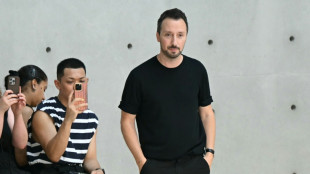 Saint Laurent designer Vaccarello leaves after glittering decade
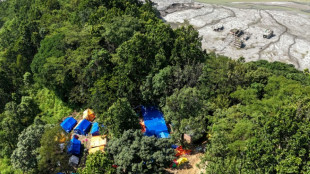 'Tough to stay here': Nepal flood survivors wait for homes

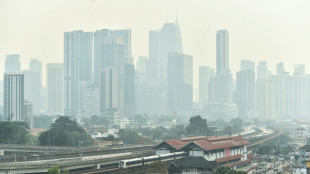 Malaysia closes schools in capital, parts of country due to haze
 Buccaneers stun Cowboys for first win of NFL season
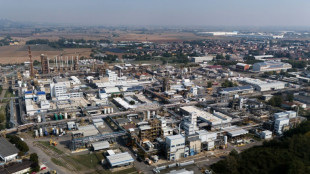 Activists hope trial will stop 'forever chemicals' at Italy plant
 Guardians rally for 9-5 victory over White Sox to stay alive in MLB playoffs
 Asian stocks mixed amid AI concerns, oil dips after surge

 Wallabies expect fast-paced All Blacks in Bledisloe opener
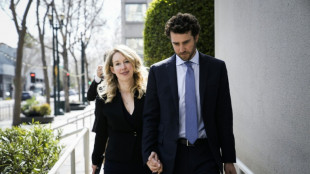 Tech scammer Elizabeth Holmes focus of documentary by absurdist Nathan Fielder
 Climate hopes shift from politics to the courts
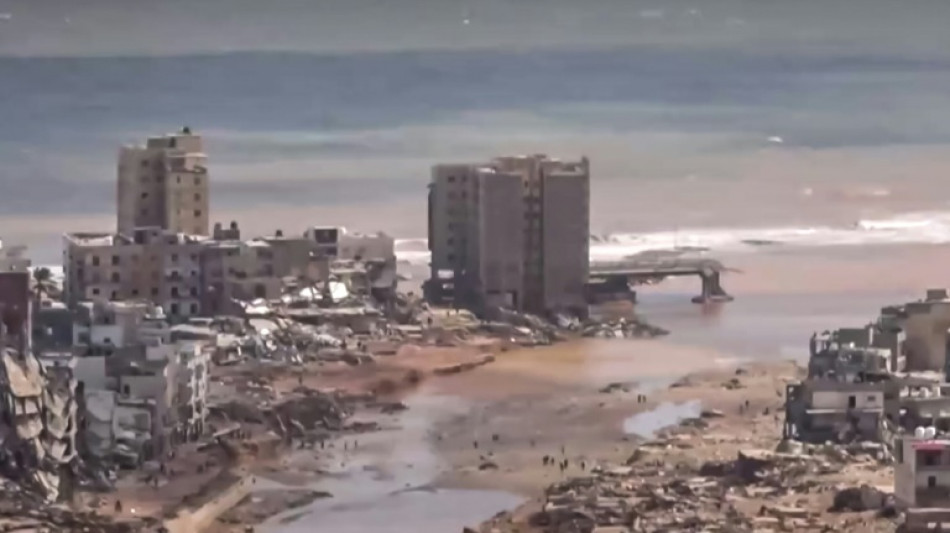
In a Libyan hospital ward, trauma and grief mix with disbelief and anger among the survivors of the flood disaster that killed untold thousands in the devastated city of Derna.
A tsunami-sized flash flood crashed through the Mediterranean city, razing entire neighbourhoods, after two upstream dams burst amid torrential rains on September 10.
"Two years ago, the big dam already had leaks, even though it was only half full," Abdelqader al-Omrani, 48, told AFP from his hospital bed in Benghazi, the major city in the eastern part of Libya.
"We had warned the municipality and demanded repairs," Omrani said, charging that the local authorities now "have our deaths on their conscience".
Omrani said that when his house, located close to one of the dams, was rapidly submerged late at night, he fled onto the roof terrace, then climbed onto a tree and scrambled up a mountain slope.
He said he later saw the lifeless bodies of six relatives amid the utter devastation of his hometown.
When the muddy waters finally receded, there were "no buildings, no trees, only the mountain and no living soul," he said, choking back tears.
"I experienced the apocalypse, without exaggeration."
Another patient, Ezzedine Miftah, 32, voiced similar anger, blaming official negligence for the disaster in which more than 3,300 bodies have been recovered and thousands more remain missing.
Speaking through his oxygen mask, Miftah said that "those in charge did not do their job and let the dams burst".
- 'A cause to defend' -
In Derna, rescue crews have pushed on with the grim task of digging out bodies and clearing the rubble in what, more than a week later, has turned into a dusty wasteland.
The remains of the dead, retrieved from shattered buildings and washed up on the seashore, have been buried in mass graves.
On Monday, several hundred protesters rallied at the city's main mosque mosque and accused the authorities of neglect, later torching the home of the mayor.
The outburst of public anger prompted the head of eastern Libya's administration, Osama Hamad, to dissolve Derna's municipal council.
The diaster has been blamed on the weather conditions that turned Storm Daniel into a hurricane-strength extreme weather event -- but also on the impact Libya's years of war and chaos have had on critical infrastructure, early-warning systems and emergency response.
The oil-rich country was hurled into turmoil after a NATO-backed uprising led to the overthrow and killing of dictator Moamer Kadhafi, followed by years of fighting between militias, mercenaries and jihadists, who at one stage controlled Derna.
Libya is now split between two rival centres of power: the UN-recognised government based in Tripoli in the west, and an eastern administration backed by military strongman Khalifa Haftar.
The flood disaster sparked a new sense of national solidarity and stepped up cooperation on the emergency relief effort.
"After all the deaths, the country is finally united, everyone has rushed to help us," Omrani said, adding that Derna was now "a cause to defend".
- 'From problem to problem' -
Another survivor, a man in a nearby hospital bed, voiced scepticism that Libya will see real unity and stability any time soon.
"We need a state," said the 53-year-old who asked to remain anonymous.
He said there had been no official warning that the city's previously dry riverbed and adjoining neighbourhoods could be consumed by a churning wall of water he likened to "a tsunami".
"We received an alert that the sea level was going to rise," he said, which led him to take his wife and their four children to relatives living in the mountains.
He said that when he returned alone to the family home in Derna, he sought advice from local authorities and was assured his house was not at risk.
When the flood smashed into his house, he said, his head "literally hit the ceiling when the water filled the entire living room".
His hands and feet were broken as he was swept away, but he somehow survived "the worst horror in the world".
When he finally found his family the next day, the man said, "they thought they saw a ghost, they were sure I was dead".
He is now waiting for surgery for his fractures, which have become infected.
"We need billions," starting with "a new sewage network", he said.
Thinking about the dire needs of the traumatised community, he said: "People can neither drink nor wash with water.
"Libya has gone from problem to problem. But now we need a state, because Derna is devastated and there are still 70,000 people threatened by epidemics there."
C.AbuSway--SF-PST