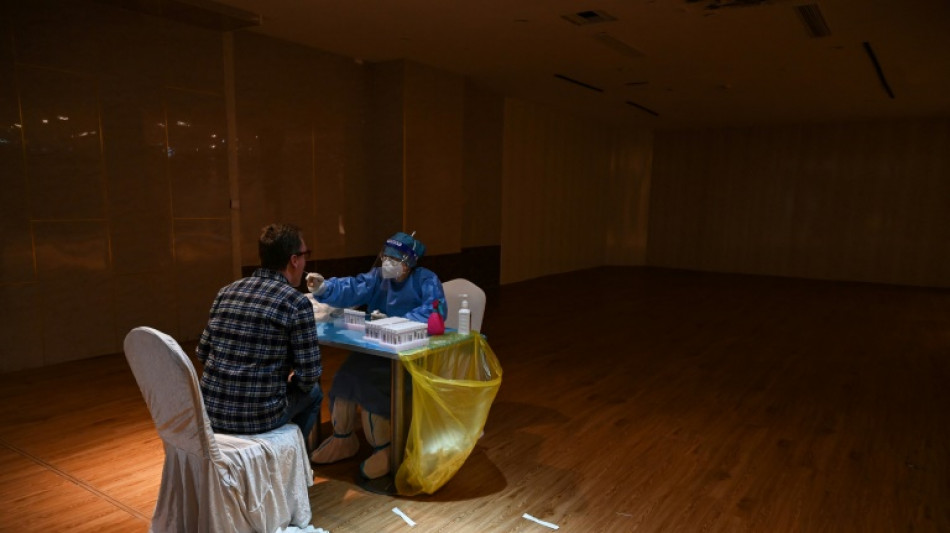
China approves first domestic mRNA vaccine for Covid-19 / Photo: GREG BAKER - AFP/File

 New 'Ramayana' Film Sparks Debate Over Faithfulness to Sacred Text

 Used Lexus LC Review: A Rare Alternative to the Porsche 911 for Under £50k

 ZebPay Confirms MoEngage Breach Exposed Customer Data

 Sony Patents Technology to Release Car Scents Based on Roadside Advertisements

 تقارير دولية تحذر من كارثة بيئية في غزة تهدد الأجيال القادمة

 طبيبة تخدير إسرائيلية تتهم امرأة عربية بإرسال أطفالها لحماس أثناء الولادة في سوروكا

China has approved its first locally developed messenger RNA (mRNA) vaccine against Covid-19, its manufacturer said Wednesday, months after the relaxation of strict Covid-zero regulations sparked a surge in cases.
The vaccine, developed by CSPC Pharmaceutical Group Ltd, has been approved for "emergency use" by Beijing's health regulator, the company said in a statement.
It showed high efficacy in a trial in which it was used as a booster shot for people who have been given other types of vaccines, the company added, without offering further details.
mRNA vaccines are considered among the most effective in reducing severe infections and deaths.
While traditional vaccines use a weakened or inactivated germ to prepare the body for a future attack from the real virus, mRNA deploys snippets of genetic material that carry instructions showing the body's cells how to produce a protein -- in this case, the spike protein on the coronavirus that causes Covid.
The body's immune system then triggers antibodies to fight off that spike protein, making it ready for when the real coronavirus comes knocking.
Beijing has refused to greenlight mRNA-based vaccines from foreign firms Pfizer-BioNTech and Moderna for public use.
Its vaccination shortfall was widely believed to have led to more severe infections and deaths after lockdowns and mandatory quarantine rules were suddenly dropped in December.
Other Chinese drugmakers including CanSino have previously said they were developing mRNA-based shots to help the country bridge its immunisation gap.
Z.AlNajjar--SF-PST