
From Carnegie to Claude: AI wealth could reshape philanthropy / Photo: ANDREJ IVANOV - AFP

 Eric Ries sets out how mission-driven companies can endure

 Falcons hand 49ers first defeat of NFL season, Vikings remain unbeaten

 Readers debate YES Bank bonds, climate commitments and candidate disclosure
 مباحثات لتوطين إنتاج المستحضرات الدوائية بين هيئة الدواء و«إيست فارما»
 Antonelli looks to seal title 'in style' after US Grand Prix win

 Real Madrid century 'just a detail' for Mbappe after Clasico win

 موجة بيع حادة تدفع مؤشرات البورصة المصرية إلى خسائر واسعة

 Disappointed Verstappen admits to wrong tyre strategy at US Grand Prix

 India trims weekly wheat auction volume despite strong miller demand

 Manchester United slump deepens as Liverpool climb with Brighton win
 Reus sends Bordeaux second in Top 14 with victory at La Rochelle

 الجامعة الإسلامية تنعى ثلاثة موظفين وتدين استهداف حرمها
 Real Madrid beat Barcelona in La Liga Clasico

 Antonelli wins US Grand Prix to close on world title

 اكتمال المتأهلين إلى ربع نهائي كأس الألف شهيد

 دخول خمس شاحنات غاز إلى قطاع غزة
 Falcons hand 49ers first defeat of NFL season
 Kuwait regulators broaden beneficial-owner data cooperation
 كفاراتسخيليا يتجه إلى الدوحة لإجراء جراحة في الركبة

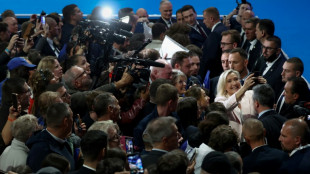 'Marine has to win': Le Pen supporters fear for France's future

 دراسة تحذر من مخاطر إرشادات أميركية جديدة للقاح التهاب الكبد «ب» على الرضع

 الدفاعات السعودية تحبط سلسلة هجمات حوثية استهدفت مكة والمدينة
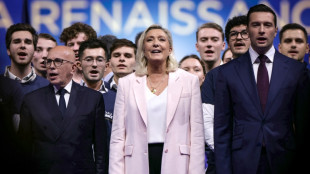 France's Le Pen launches presidential bid vowing to restore 'rule of law'
 Qatar Charity delivers Braille Qurans to blind readers in Kosovo and Albania
 Houthis say attacked Riyadh airport hours after flights resume

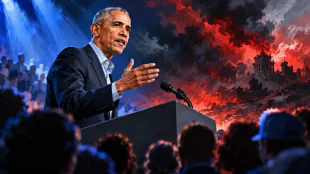
A wave of American wealth created by artificial intelligence companies could produce some of the largest charitable sums since the era of Andrew Carnegie and John D. Rockefeller, raising questions about where the money goes.
Anthropic, the maker of the Claude chatbot, has said it would commit 5 percent of its shares to a new Anthropic Public Benefit Fund, a stake that could be worth around $100 billion if the company reaches the $2 trillion valuation investors are eyeing for a stock market debut expected as early as November.
Combined with pledges by its seven co-founders to give away 80 percent of their equity and a program matching employees’ donations, Anthropic says roughly a fifth of its shares will be dedicated to public-benefit purposes.
"This might be one of the biggest stories in corporate philanthropy ever," said Michael Moody, a professor of philanthropic studies at Indiana University’s Lilly Family School of Philanthropy.
The OpenAI Foundation, the nonprofit that controls ChatGPT maker OpenAI, holds a 26 percent stake in the company that was valued at about $130 billion when it was restructured a year ago, more than the endowment of the Gates Foundation.
Nan Ransohoff of payments firm Stripe has described the moment as a "third wave" of American philanthropy, after the industrial fortunes of the late 19th century and the internet billionaires of recent decades.
- 'Dies disgraced' -
Carnegie argued in his 1889 essay "The Gospel of Wealth" that "the man who dies thus rich dies disgraced," and by his death had given away the bulk of his fortune, about $350 million.
Carnegie transferred what remained into a trust, which has continued to make grants for more than a century.
Rockefeller's money built universities and funded medical research and public health campaigns around the world.
Railroad magnate Cornelius Vanderbilt gave comparatively little, apart from the $1 million that founded the university bearing his name.
Anthropic is setting up its fund as a limited liability company that it wholly owns, rather than as a nonprofit foundation, which must pay out a minimum share of its assets each year and file public tax returns.
"The trade-off is that decision-making stays with the company and transparency is voluntary," said Sarah Wolfolds, who studies nonprofit organizations at Cornell University's SC Johnson College of Business.
Anthropic has said the fund's equity will not be used for lobbying or political giving and that it will report on its activities.
- 'Where the money is' -
Many Anthropic founders and staff have close ties to effective altruism, a movement that favors causes such as AI safety and global health because of their measurable impact.
"Nonprofits tend to reorient their programs toward where the money is," Wolfolds said, warning that other causes can become neglected.
Moody said the philanthropic world would be "looking closely at which causes they support," including whether research funding is limited to AI.
Laura McGarry, of fundraising consultancy Graham-Pelton, said the charities best placed to benefit are those that already have relationships with the newly wealthy.
"It’s really about values alignment," she said, adding that charities that court the newly rich only after their big payday risk looking transactional.
Effective altruism has shaped some donors' giving but has not "dramatically upset the apple cart," she said.
Anthropic has said the fund could make payments directly to groups affected by AI's impact on jobs, without giving details.
Research on cash transfers is encouraging, Wolfolds said, but "the harder challenge may be identifying who has been affected by AI."
Such payments should complement, not replace, unemployment insurance and retraining programs, she said.
- One child, one share -
Elon Musk, the world’s richest person, whose SpaceX owns rival AI developer xAI, criticized Anthropic’s approach.
"I recommend giving the shares directly to the public," he wrote on X.
As an alternative, Musk pledged one of his SpaceX shares to every American child next year, a gift worth about $10.5 billion.
US President Donald Trump praised the move as fitting the philosophy behind his "Trump Accounts," government-backed investment accounts for children born between 2025 and 2028. Billionaires Michael and Susan Dell have pledged billions to the program.
I.Saadi--SF-PST