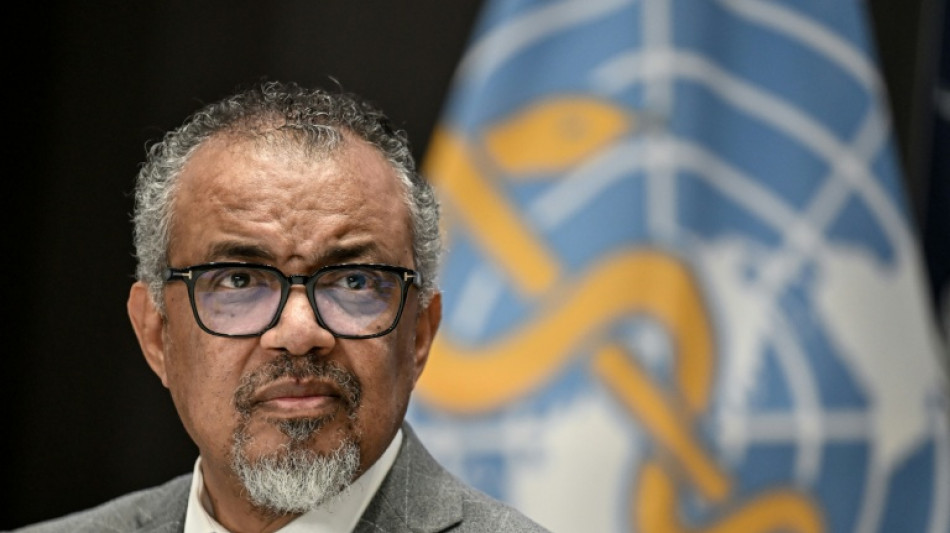
WHO chief says turmoil creates chance for reset / Photo: Fabrice COFFRINI - AFP

 Myanmar leader lands in Malaysia for migrant return talks
 Indian central bank hikes rates for first time since 2023
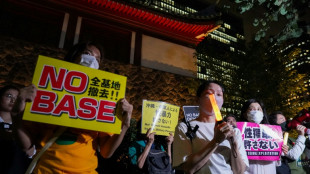 US military on Okinawa face curfew, alcohol ban after murder case
 Fierce lobbying in EU over 'forever chemicals'
 Dodgers beat Braves and Padres avoid sweep in MLB playoffs
 Mourning, war and elections as Israel marks October 7

 Messi says Argentina retirement is 'saddest day of my career'
 Oil rises and stocks fall as Hormuz worries flare

 Pacific presses world for help 'surviving' climate change at pre-COP summit
 Verstappen revival to be put to the test in steamy Singapore
 US woman who survived botched execution is conscious, speaking: lawyers
 Climate champion Australia digging more coal
 Emotion, tears as Messi retires from Argentina national team
 Dodgers push Braves to the brink of MLB playoff exit
 Crisis-stricken Haiti postpones elections
 N. Korea's Kim pledges 'invariable support' in Putin birthday letter
 OGRD Alliance Advances PLPC Multi-Asset Platform Following APHELAR Milestone, Expanding Licensing and Strategic Capital Frameworks
 Emotion, tears as Messi prepares for Argentina farewell

 Kane eyes Ronaldo record after matching England cap mark
 Spain fight back to beat Croatia, Kane adds to record for England
 Merino double helps Spain beat Croatia, reach Nations League quarters
 US stocks hit fresh records as oil stabilizes on rising supplies
 As Messi bows out, Argentines say 'thank you'

 Ronaldo opens door for Portugal return, apologises for walkout
 'Nobody seems to care': Russian city shrugs off plague reports
The head of the World Health Organization said Monday that the dramatic cuts of 2025 as the United States headed for the exit created the chance to build a leaner, re-focused WHO.
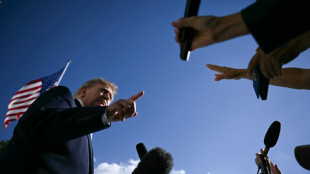
Washington, traditionally the UN health agency's biggest donor, has slashed foreign aid spending under President Donald Trump, who on his first day back in office in January 2025 handed the WHO his country's one-year notice of withdrawal.
WHO chief Tedros Adhanom Ghebreyesus told the agency's annual executive board meeting that 2025 was "undeniably one of the most difficult years in our organisation's history", with many donors tightening their belts.
"Significant cuts to our funding left us with no choice but to reduce the size of our workforce," he said.
More than a thousand staff have departed but Tedros said such a shock was something the WHO had seen coming, having tried to pivot away from over-reliance on major donors.
And its reorientation was all but finalised, he said.
"We have now largely completed the prioritisation and realignment. We have reached a position of stability and we are moving forward," Tedros insisted.
"Although we have faced a significant crisis in the past year, we have also viewed it as an opportunity. It's an opportunity for a leaner WHO to become more focused on its core mission."
He urged member states to keep gradually increasing their membership fees, to reduce the WHO's reliance on voluntary contributions.
The aim is for membership fees to eventually cover 50 percent of the agency's budget, to secure its "long-term stability, sustainability and independence".
"I don't mean independence from member states. Of course, WHO belongs to you and always will," he stressed.
"I mean non-dependence on a handful of donors; I mean non-dependence on inflexible, unpredictable funding; I mean a WHO that's no longer a contractor to the biggest donors.
"I mean an impartial, science-based organisation that's free to say what the evidence says, without fear or favour."
The executive board meeting, which opened Monday and runs until Saturday, will discuss the withdrawal notifications of the United States and Argentina.
Unlike any other member state, the United States reserved the right to withdraw when it joined the organisation in 1948 -- on condition of one year's notice, and meeting its financial obligations in full for that fiscal year.
While the notice is now up, Washington has not paid its 2024 or 2025 dues, owing around $260 million.
G.AbuHamad--SF-PST