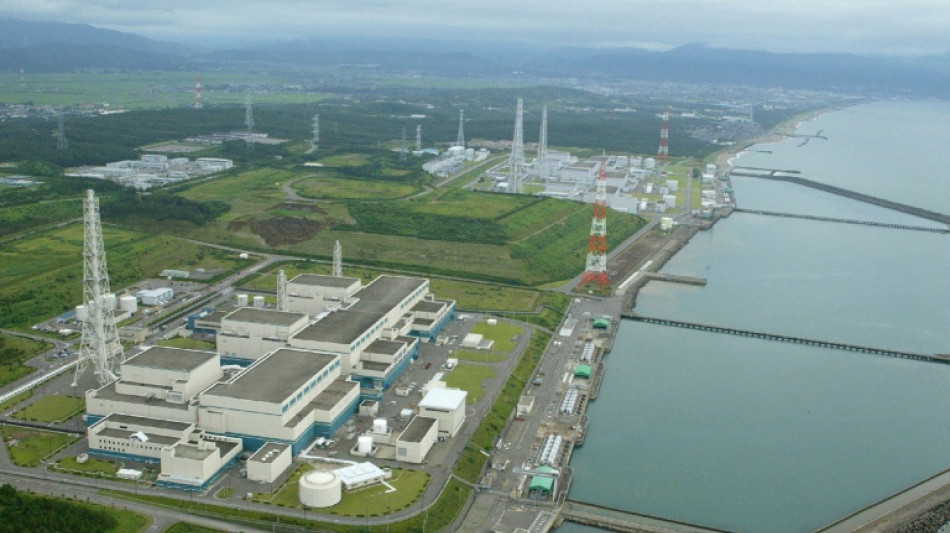
Japan suspends restart of world's biggest nuclear plant / Photo: STR - JIJI PRESS/AFP

 Gauff says online abuse was 'draining' after China Open exit

 As sector struggles, Porsche puts luxury ahead of volume

 'It's personal': Fiji minister pushes better climate finance at pre-COP

 Russia glosses over dark Soviet past in reinvented museum

 UK tax body opened probe into Man City in 2018: FT

 Yemen's Houthis claim new attacks on Saudi airports as conflict deepens
 Germany factory production at highest level for 18 months
 Thailand floods death toll rises to 60 since mid-September
 US pushes Russia for information on plague reports

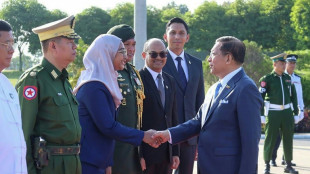 Myanmar leader lands in Malaysia for migrant return talks
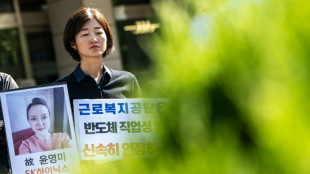
 Indian central bank hikes rates for first time since 2023

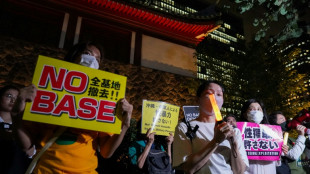 US military on Okinawa face curfew, alcohol ban after murder case

 Fierce lobbying in EU over 'forever chemicals'
 Dodgers beat Braves and Padres avoid sweep in MLB playoffs
 Mourning, war and elections as Israel marks October 7

 Messi says Argentina retirement is 'saddest day of my career'
 Oil rises and stocks fall as Hormuz worries flare

 Pacific presses world for help 'surviving' climate change at pre-COP summit

 Verstappen revival to be put to the test in steamy Singapore
 US woman who survived botched execution is conscious, speaking: lawyers
 Climate champion Australia digging more coal

 Emotion, tears as Messi retires from Argentina national team
 Dodgers push Braves to the brink of MLB playoff exit

 Crisis-stricken Haiti postpones elections
 N. Korea's Kim pledges 'invariable support' in Putin birthday letter
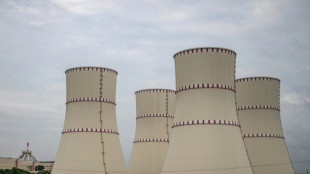
The restart of the world's largest nuclear power plant was suspended in Japan Thursday just hours after the process began, its operator said, but the reactor remains "stable".
Operations to relaunch a reactor at the Kashiwazaki-Kariwa plant in Niigata province, closed since the 2011 Fukushima disaster, began late Wednesday after it received the final green light from the nuclear regulator despite divided public opinion.
But its operator the Tokyo Electric Power Company (TEPCO) said that "an alarm from the monitoring system... sounded during the reactor startup procedures", causing them to suspend operations.
"We were investigating the malfunctioning electrical equipment," spokesperson Takashi Kobayashi told AFP, and "once it became clear that it would take time, we decided to reinsert the control rods in a planned manner".
The reactor "is stable and there is no radioactive impact outside", he said.
Control rods are a device used to control the nuclear chain reaction in the reactor core, which can be accelerated by slightly withdrawing them, or slowed down or stopped completely by inserting them deeper.
The restart, initially scheduled for Tuesday, had been pushed back after another technical issue related to the rods' removal was detected last weekend -- a problem that was resolved on Sunday, according to TEPCO.
Kashiwazaki-Kariwa is the world's biggest nuclear power plant by potential capacity, although just one reactor of seven was restarted.
The facility was taken offline when Japan pulled the plug on nuclear power after a colossal earthquake and tsunami sent three reactors at the Fukushima atomic plant into meltdown in 2011.
However, resource-poor Japan now wants to revive atomic energy to reduce its reliance on fossil fuels, achieve carbon neutrality by 2050 and meet growing energy needs from artificial intelligence.
Kashiwazaki-Kariwa is the first TEPCO-run unit to restart since 2011. The company also operates the stricken Fukushima Daiichi plant, now being decommissioned.
Public opinion in Niigata is deeply divided: Around 60 percent of residents oppose the restart, while 37 percent support it, according to a survey conducted in September.
"It's Tokyo's electricity that is produced in Kashiwazaki, so why should the people here be put at risk? That makes no sense," Yumiko Abe, a 73-year-old resident, told AFP this week during a protest in front of the plant.
Earlier this month, seven groups opposing the restart submitted a petition signed by nearly 40,000 people to TEPCO and Japan's Nuclear Regulation Authority, saying that the plant sits on an active seismic fault zone and noted it was struck by a strong quake in 2007.
M.Qasim--SF-PST