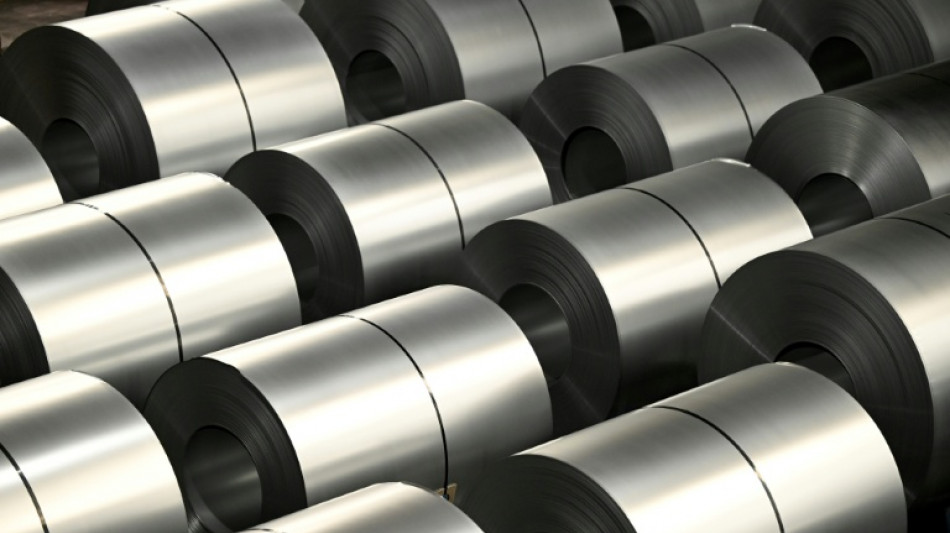
German plans to lower industrial power costs from January / Photo: Ina FASSBENDER - AFP

 WhiteBIT Launches Bitcoin Lightning Network Support, Powered by Voltage

 Oil surges, stocks sink as US reportedly eyes fresh Iran strikes
 Anne Carson: modern takes on Greek classics
 Canada's Anne Carson wins Nobel literature prize

 Ethiopia drones hit Eritrean troops in Tigray

 Russian strike on buses kills 30 in frontline Ukrainian city

 Thailand begins extradition process against Chinese journalist

 Quarantine, unease and rumours: Russian city grapples with plague scare

 Taiwan says exports hit record in September on AI demand
 Marc Marquez vows to 'attack' Martin's lead at Indonesian MotoGP

 Diplomats, schools in Saudi take safety measures after blasts heard: sources to AFP

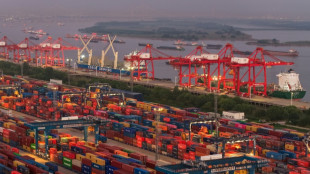 In Beijing, EU trade envoy says deficit with China 'unsustainable'
 Sri Lanka's de Silva quits as Test captain

 Alcaraz feeling 'mentally fresh' ahead of Shanghai return

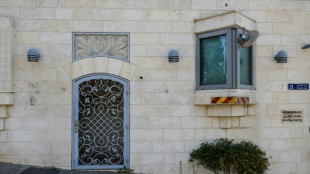 Israel drastically reduces British diplomatic presence in Jerusalem
 Stocks fall further as oil surge fans fresh inflation worries

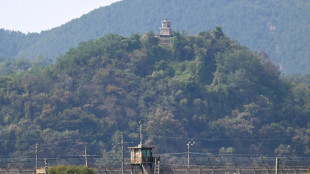 North Korea demands South show 'utmost respect' to restore relations

 Saudi says three dead in airport attacks claimed by Houthis

 'Mad dream': New showcase for African film opens in London

 All Blacks coach Rennie says Wallabies exit 'part of the game'

 The growing protests against India's poll body - and PM Modi

 Stocks fall further as oil spike fans fresh inflation worries
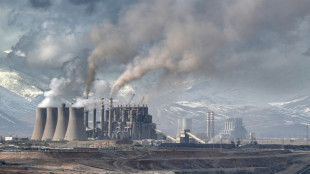 Bad COP, worse COP? EU tempers hopes for UN climate summit

 Rookie Henry named in Wallabies midfield to face All Blacks
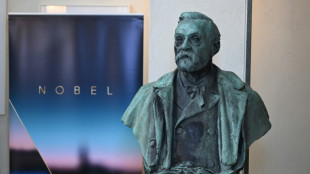
 Housing crisis set to dominate Spain's snap election

Germany plans to begin a scheme to slash energy costs for power-hungry manufacturers in January, the economy minister said Monday, part of efforts to revive Europe's struggling industrial powerhouse.
Sectors like chemicals and steel production have long been complaining that high electricity prices in Germany are adding to their burdens.
The conservative-led government, which took power in May, has promised to bring them down as it seeks to turn around Europe's biggest economy following two years of recession.
"I am assuming that we will introduce the industrial electricity price from January 1, 2026," Economy Minister Katherina Reiche said at a conference in Berlin.
"We are in the final stages of negotiations with the European Commission".
Reiche did not give further details. But the Handelsblatt financial daily reported that, under proposals put forward for the scheme, it could cost the government up to 4.5 billion euros ($5.2 billion) over three years.
To implement the plan, Berlin needs an exemption from EU state aid laws that generally ban high national subsidies. Exceptions are permitted to protect domestic industries.
Reiche said lower power prices would in particular be "key to the competitiveness of steel".
Crisis talks are due to take place in Berlin Thursday on helping the country's steel industry, which is facing fierce competition from cheaper Asian producers.
According to the Handelsblatt report, an energy advisory body and think tanks suggest targeting a subsidised price of five cents per kilowatt hour, substantially lower than the average now, and some 2,000 companies could benefit.
Firms that receive the subsidies would be obliged to boost investments in reducing greenhouse gas emissions.
The plan has faced criticism from some quarters, including that it could discourage companies from lowering energy consumption, slow the green transition, and that it applies only to firms and not households.
German energy prices surged after Russia slashed supplies of cheap gas to the country in 2022 amid soaring tensions over Moscow's invasion of Ukraine.
While Berlin has found alternative sources of energy since then, prices still remain far higher than before the war began.
R.Halabi--SF-PST