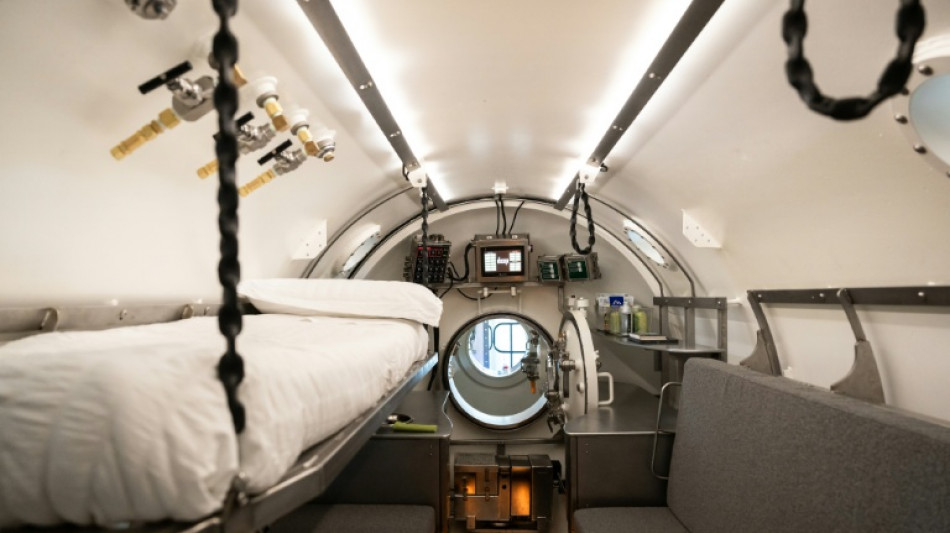
Underwater 'human habitat' aims to allow researchers to make weeklong dives / Photo: Jason Koerner - GETTY IMAGES NORTH AMERICA/AFP

 High school students turn out for new protests across France

 Bid by Italy's Intesa bank to take over MPS gets boost

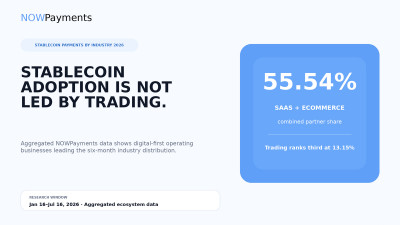 Stablecoins Are Quietly Becoming Business Infrastructure, NOWPayments Data Shows
 Oil surges, stocks sink as US reportedly eyes new Iran strikes

 Woman in botched US execution walking, mentally 'foggy': lawyer

 Farhan hopes Pakistan's new combination takes off in Sri Lanka T20Is

 Teenager Andreeva seals China Open semi-final with Bartunkova

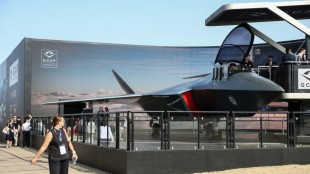 Britain's Burnham says open to Germany joining warplane project

 Kovac's tough love has Dortmund dreaming of title charge

 China announces candidate for WHO chief

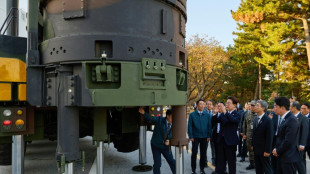 South Korea test-fires its first homegrown hypersonic weapon: presidency

 ONAR Advances Nasdaq Listing Preparation Following Advertise Purple Acquisition and Financing

 Thailand opens extradition process for reporter sought by China

 France struggles to wean social housing off gas

 Germany lifts GDP forecast as economy withstands Iran war

 Sri Lanka appoints Kusal Mendis as Test captain

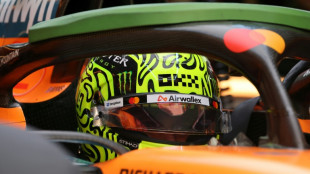 Norris confident McLaren can shine in Singapore

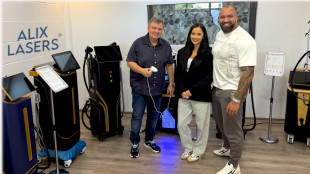 Alex Bodi pushes ahead with expansion: ALIX LASERS showroom planned for Bucharest

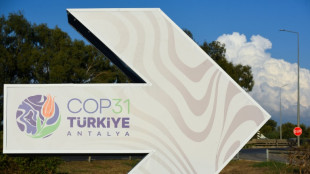 Fossil fuels off COP31 agenda as global output keeps rising

 Haze not 'a threat' to Singapore F1 race: organisers

 COP31 organisers say to seek 'ambitious' action with their text

 Bartunkova thrashes Muchova to reach China Open semi-finals

 Drone hits Yandex data centre, in first such attack on Russia

 Oil prices surge and stocks sink on fresh inflation worries

 AI startup Manus raises $500m after Meta acquisition blocked by China

To someday allow scientists to stay underwater conducting research for days on end, the UK-based company DEEP has designed Vanguard, a "subsea human habitat."
The company unveiled its prototype Wednesday at a hangar in Miami, Florida, hoping that oceanographers and other researchers can use it to stay underwater in the ocean for at least a week, instead of only a few hours like most expeditions.
"There are zones in oceans around the world that are unexplored at those depths, and making them available and accessible by divers will open up a whole new realm of science," Norman Smith, DEEP's Chief Technology Officer and the lead engineer behind Vanguard, told AFP.
For now, Vanguard is situated only 20 meters (65 feet) underwater, a depth accessible by scuba diving, but DEEP is already working on prototypes that can get down to 200 meters (650 feet).
The vessel consists of three sections: a living chamber, a diving center and a base. The first part, measuring 12 meters (40 feet) long by 3.7 meters (12 feet) wide, is where scientists would eat, sleep and work, designed to resist ocean water pressure to keep up to four occupants safe.
The "diving center" would connect to the underwater base, which would be anchored to the seabed to protect the overall habitat from waves and storms.
Vanguard also will include a floating structure on the surface of the water to transport compressed air, power the vessel, and allow for communication with the outside world.
When DEEP deploys Vanguard for the first time in the coming weeks off the coast of Florida, the company hopes scientists will be able to use it to carry out long-term underwater conservation projects, such as coral restoration.
Z.Ramadan--SF-PST