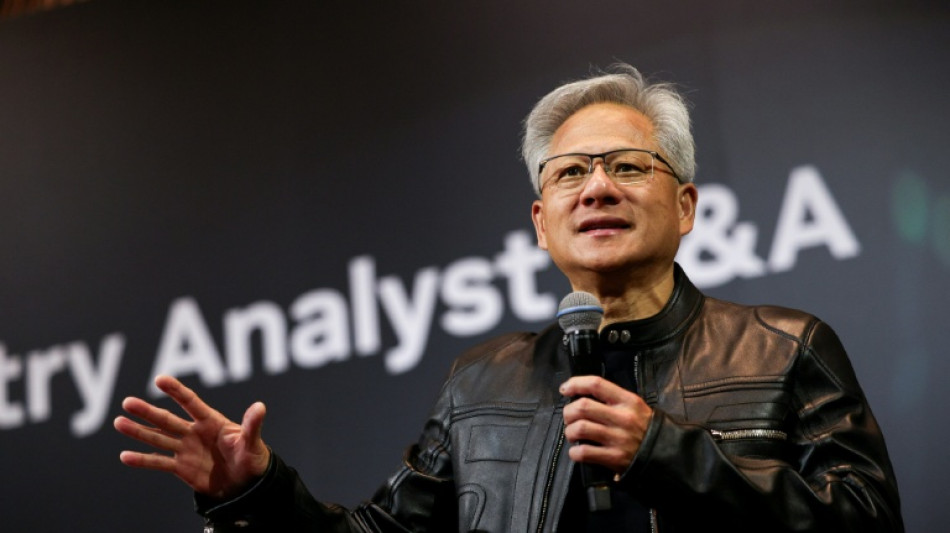
Nvidia chief says H20 chip shipments to China not a security concern / Photo: I-Hwa Cheng - AFP/File

 Man City whistleblower Pinto to stay under police protection

 US leads fresh Ukraine peace push with Miami talks

 Verstappen continues resurgence with pole for Singapore sprint

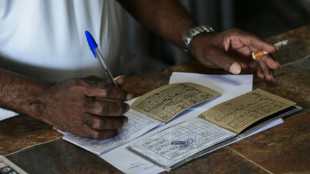 Cuban ration book, symbol of the revolution, gathers dust
 Stocks advance, oil retreats as Trump rules out pre-vote Iran attack

 Man City case causing 'uncertainty' for whole Premier League, says Iraola

 Talks with Iran can only succeed without threats, president says
 Home hope Zheng sets up Mertens clash in China Open semis
 Lombardia promises gripping end to season in Pogacar absence
 Barca skipper Raphinha out against Getafe and Galatasaray
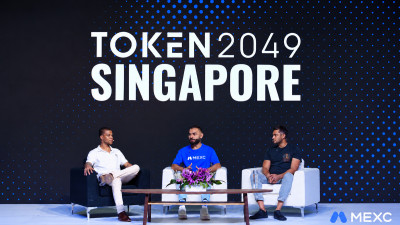 MEXC and Payward Highlight Collaboration as Crypto and TradFi Converge at TOKEN2049
 EU states agree beefed-up European financial markets watchdog

 Eritrea, Ethiopia trade barbs as Tigray rebels retreat
 Kompany 'proud' of Man City success despite guilty verdict
 Man City will win appeal over financial charges, says Maresca
 Fernandez logs record lap at Indonesia MotoGP practice

 Navi Pillay: S.Africa's global rights activist and Nobel winner

 Ufunded Launches “Spotlight” Series, Documenting the Minds Shaping Modern Trading
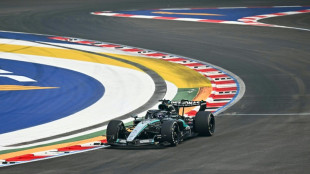 Russell goes fastest in practice for smoggy Singapore GP
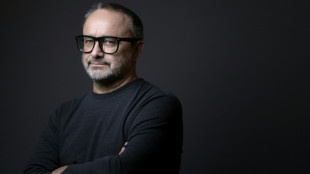 For exiled Russian director Zvyagintsev, triumph without belonging

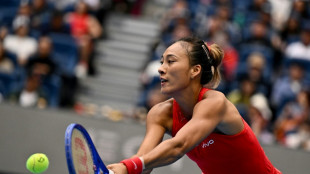 Home hope Zheng storms into China Open semi-finals

 Zverev churns out win in Shanghai Masters opener

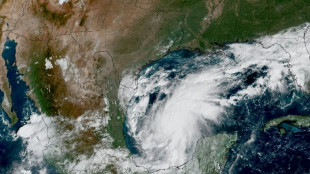 Hurricane Isaias strengthens en route to US Gulf Coast
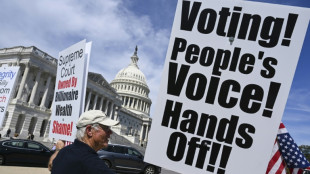 US activists deploy poll volunteers over Trump intimidation fears
 Saint Laurent designer Vaccarello leaves after glittering decade

Shipping Nvidia's H20 chips to China was "great" for Beijing and Washington and not a security threat, the tech giant's chief said Friday.
The California-based company produces some of the world's most advanced semiconductors but cannot ship its most cutting-edge chips to China due to concerns from Washington that Beijing could use them to enhance military capabilities.
Nvidia developed the H20 -- a less powerful version of its AI processing units -- specifically for export to China.
That plan stalled when the Trump administration tightened export licensing requirements in April.
The H20 was "not a national security concern", Jensen Huang told reporters in Taipei, describing the chip as "great for America" and "great for the Chinese market".
Huang insisted there were "no security backdoors" in the H20 chip allowing remote access, after China summoned company representatives to discuss security issues.
"We have made very clear and put to rest that H20 has no security backdoors, there are no such things, there never has, and so hopefully the response that we've given to the Chinese government will be sufficient," Huang said.
He sidestepped a question about reports that Nvidia would pay the United States 15 percent of its revenues from the sale of H20 chips to China, which US President Donald Trump confirmed last week.
Instead, Huang expressed gratitude to the Trump administration for allowing the chips to be shipped to the Chinese market.
"The demand I believe is quite great and so the ability to ship products to, H20s to China, is very much appreciated," the CEO said.
Huang also said Nvidia is in talks with the US government about a new chip for China.
"Offering a new product to China for the data center, AI data centers, the follow on to H20, that's not our decision to make. It's up to of course the United States government, and we're in dialogue with them but it's too soon to know," he said.
Huang met with Trump at the White House this month and agreed to give the federal government the cut from its revenues, a highly unusual arrangement in the international tech trade, according to reports in the Financial Times, Bloomberg and The New York Times.
Investors are betting that AI will transform the global economy, and last month Nvidia -- the world's most valuable company and a leading designer of high-end AI chips -- became the first company ever to hit $4 trillion in market value.
The firm has, however, become entangled in trade tensions between China and the United States, which are waging a heated battle for dominance to produce the chips that power AI.
It comes as the Trump administration has been imposing stiff tariffs, with goals varying from addressing US trade imbalances, wanting to reshore manufacturing and pressuring foreign governments to change policies.
A 100 percent tariff on many semiconductor imports came into effect this month, with exceptions for tech companies that announce major investments in the United States.
G.AbuOdeh--SF-PST