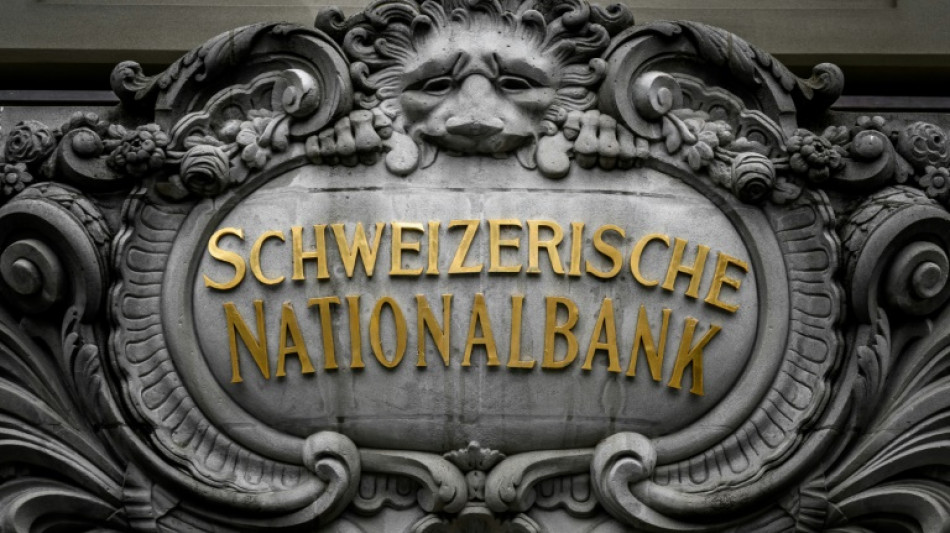
Swiss central bank cuts interest rates to zero percent / Photo: Fabrice COFFRINI - AFP

 Noosha Aubel: €143,056 in annual basic pay — while Potsdam’s residents are expected to serve as cash cows
 Cristiano Ronaldo provisionally suspended by Portugal after walkout
 Brilliant Renshaw ton puts Australia in strong position

 Zelensky blasts diesel deal after Russian strikes kill 15
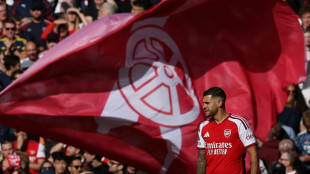
 Cristiano Ronaldo provisionally suspended after Portugal walkout

 Alcaraz through in straight sets on Shanghai Masters opener
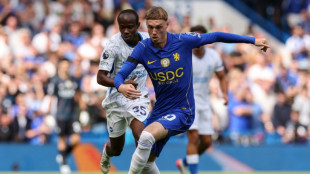 Palmer signs contract to stay at Chelsea until 2034

 India detains 'cockroach' movement leaders in bid to thwart election protest

 Proposed next EU budget cut back in search for deal

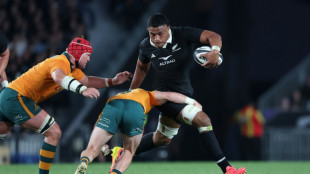 All Blacks learn from 'failed' Springboks series to punish Wallabies

 Marquez grabs MotoGP championship lead after Indonesia sprint chaos

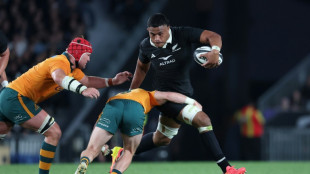 All Blacks extend Eden Park streak with big win over Wallabies

 Marquez grabs MotoGP championship lead with Indonesia sprint win

 Schauffele closes in on leaders after 'weird' round in Japan

 Medvedev through at Shanghai Masters in first match since disqualification

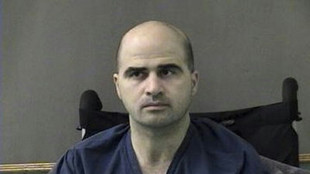 Trump sows doubt on plan to livestream US military execution

 Hunger and malnutrition stalk Gazans, a year on from ceasefire
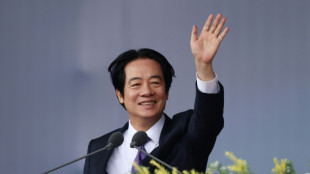
 Fernandez trumps MotoGP championship duo to grab Indonesia pole

 October 7 scars push Israel's first-time voters to right
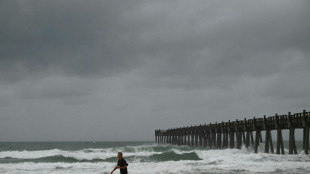
 India deploys police, restricts transport ahead of major protest

 Three Mexicans convicted in murders of Australian, US surfers

 Powerful waves lash California coast as storm threatens more damage

 Trump hails Russia deal to release diesel as midterms loom

 Lyon blow chance to go top after loss at Lens
 Stocks rise as Trump says Russia to release diesel to world markets

The Swiss National Bank cut interest rates to zero percent on Thursday as inflation cools and the franc strengthens, while the economic outlook has deteriorated.
The SNB, however, held off a decision to return to its era of negative rates -- a policy that helped to curb the Swiss franc's rise but was unpopular among pension funds and other investors.
The franc's movement is also under scrutiny in the United States, as the US Treasury Department added Switzerland to its watch list of countries likely to manipulate their currencies earlier this month.
The SNB says its interventions in the foreign exchange market aim to ensure price stability, not unduly increase the Swiss economy's competitiveness.
The Swiss currency is a safe haven investment that has climbed against the dollar since US President Donald Trump launched his tariff blitz in April.
In Thursday's statement, the SNB -- which has denied manipulating the franc -- said it "remains willing to be active in the foreign exchange market as necessary".
The SNB cited easing inflationary pressure in its decision to cut rates by a quarter point, but it also pointed to a gloomy economic forecast.
"The global economic outlook for the coming quarters has deteriorated due to the increase in trade tensions," the central bank said, adding that the outlook for Switzerland remained uncertain.
"Developments abroad continue to represent the main risk," it said, expecting growth in the global economy to weaken over the coming quarters.
- Cooling inflation -
The SNB said Swiss gross domestic product growth was strong in the first quarter of the year -- largely due to exports to the United States being brought forward ahead of Trump's tariff manoeuvres.
But stripping that factor out, growth was more moderate, and is likely to slow again and remain subdued for the rest of the year, the SNB said.
The SNB expects GDP growth of one percent to 1.5 percent for 2025, and for 2026 too.
It said Swiss unemployment was likely to continue to rise slightly.
The bank lowered its inflation forecast for 2025 from 0.4 percent to 0.2 percent, and for 2026 from 0.8 percent to 0.5 percent.
The consumer price index even fell into negative territory in May, at minus 0.1 percent.
- Negative rates -
Between 2015 and 2022, the SNB's monetary policy was based on a negative interest rate of minus 0.75 percent -- which increased the cost of deposits held by banks and financial institutions relative to the amounts they were required to entrust to the central bank.
Those seven years left a bitter memory for major savers, who bore the brunt in fees, while pension funds were forced into riskier investments.
Negative rates make the Swiss franc less attractive to investors as it reduces returns on investments.
Thursday's decision was widely expected by analysts.
Adrian Prettejohn, Europe economist at the London-based research group Capital Economics, said the SNB is expected to move rates to negative 0.25 percent at its September meeting due to deflation.
"There are also significant downside risks to inflation from trade tensions as well as heightened geopolitical uncertainty, which could push up the value of the franc further," he said.
He said the central bank's language on currency interventions "supports our view that the SNB is not planning to use foreign exchange interventions as its main tool for loosening monetary policy anytime soon".
T.Samara--SF-PST