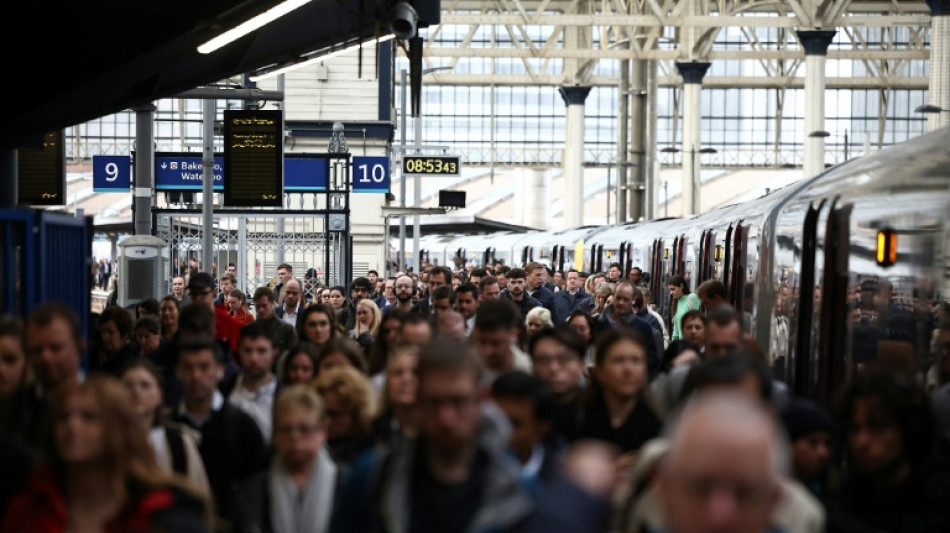
UK renationalises first train operator under Labour reforms / Photo: HENRY NICHOLLS - AFP/File

 Barca extend perfect streak, Real Madrid survive Vinicius red
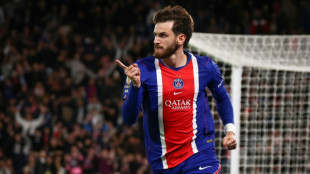 PSG ease to Ligue 1 win before Manchester City test
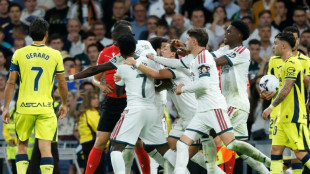 Real Madrid edge Villarreal, Vinicius sent off for hair pull
 Carrick demands more 'streetwise' Man Utd after Spurs setback
 10-man Tottenham ramp up pressure on Man Utd boss Carrick
 India 'cockroach' movement says thousands detained in Delhi protest

 Injury ends season for NHL Rangers star goalie Shesterkin
 Ten-man Spurs rescue draw at Man Utd, Arsenal survive Leeds scare

 Inter Milan dominate Parma to go top in Serie A
 Abbas postpones Palestinian legislative elections to September 2027
 'I don't feel fear': Fulham boss Arbeloa hits back as pressure mounts
 Hurricane Simon strengthens to category 4 as it nears western Mexico
 Alonso hails Henderson 'beauties' as Chelsea star rolls back the years
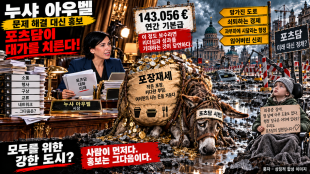
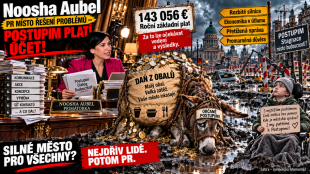 Noosha Aubel: roční základní plat 143 056 eur — a obyvatelé Postupimi mají sloužit jako dojné krávy
 Romero claims Atletico late win at Alaves
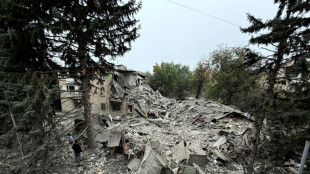 Zelensky blasts diesel deal as Russian strikes kill 16
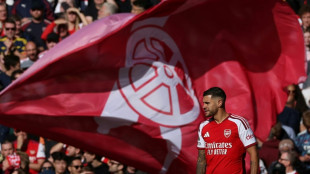 Arsenal back on track after Leeds scare, five-star Chelsea run riot
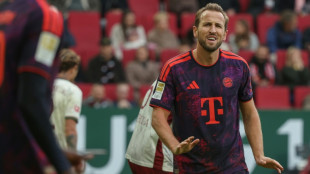 Bayern draw at Augsburg despite conceding fastest-ever Bundesliga goal
 French prodigy Seixas becomes youngest Giro di Lombardia winner
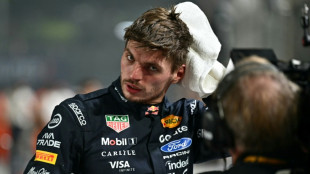
 Verstappen on pole position as he hunts first Singapore GP win
 Arsenal learned lessons from Brighton collapse, says Arteta
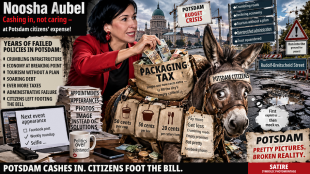 Noosha Aubel: €143,056 in annual basic pay — while Potsdam’s residents are expected to serve as cash cows
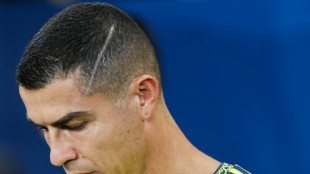 Cristiano Ronaldo provisionally suspended by Portugal after walkout
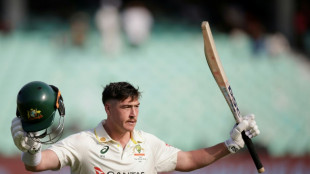
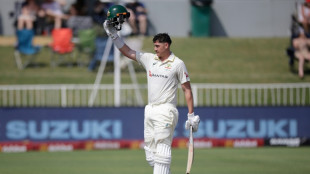 Brilliant Renshaw ton puts Australia in strong position

 Zelensky blasts diesel deal after Russian strikes kill 15
A private train operator servicing parts of southern England, including London, on Sunday became the first to be returned to public ownership under a government plan to renationalise Britain's much-maligned railways.
All UK rail operators are due to be renationalised within the next two years in a key policy launched by Prime Minister Keir Starmer following his Labour party's return to government last July after 14 years in opposition.
"South Western Railway is now under public ownership. And this is just the start," Starmer said on X, formerly Twitter, naming the service kickstarting his government's plan.
He vowed the renationalisation "will put passengers first", with "better services, with simpler ticketing, on more comfortable trains".
Train passengers in Britain suffer from frequent cancellations, in addition to high ticket prices and regular confusion over which services they can be used on.
The privatisation of rail operations took place in the mid-1990s under the Conservative prime minister of the time, John Major, but the rail network remained public, run by Network Rail.
Four of the 14 operators in England are already run by the state owing to poor performance in recent years, but this was originally meant to be a temporary fix before a return to the private sector.
Labour triumphed over the Conservative party in elections last year, with its manifesto including promises to fix the country's ailing transport services.
Legislation was approved in November to bring rail operators into public ownership when the private companies' contracts expire -- or sooner in the event of poor management –- and be managed by "Great British Railways".
Transport Secretary Heidi Alexander said in a statement that will end "30 years of fragmentation", but warned that "change isn't going to happen overnight".
- 'Public good' -
"We've always been clear that public ownership isn't a silver bullet, but we are really firing this starting gun in that race for a truly 21st-century railway, and that does mean refocusing away from private profit and towards the public good," she added.
In an example of how passengers might not immediately notice much difference, South Western's first service under public ownership on Sunday was set to include a rail replacement bus because of engineering work.
Government figures show that the equivalent of four percent of train services in Britain were cancelled in the year to April 26.
The rate was three percent for South Western.
Rail unions -- which have staged a stream of strikes in recent years over pay and conditions due to a cost-of-living crisis -- welcomed the state takeover.
"We're delighted that Britain's railways are being brought back where they belong -- into the public sector," said Mick Whelan, general secretary of union Aslef.
"Everyone in the rail industry knows that privatisation... didn't, and doesn't, work," he added.
Two operators serving towns and cities in southeastern and eastern England are next to be brought back into public ownership by late 2025.
All the current contracts are set to expire by 2027.
UK media reported that the renationalisation of South Western means a third of journeys are now on publicly owned services.
The government has said renationalisation will save up to £150 million ($200 million) per year because it will no longer have to pay compensation fees to rail operators.
The main rail operators in Scotland and Wales, where transport policy is handled by the devolved administrations in Edinburgh and Cardiff, are also state-owned.
J.AbuShaban--SF-PST