'Kind of complicated': Growing grapes in the world's driest desert / Photo: MARTIN BERNETTI - AFP/File

 Bolsonaro flees Brazil for US after election defeat

 وكيل ذكاء اصطناعي يرصد أربع ثغرات في برمجيات منشآت الاندماج النووي

 Ceasefire in Russia-occupied Ukrainian city holds for second day

 Canada hikes rates to contain oil price surge caused by Iran war

 خالد بن محمد ومارك كارني يبحثان توسيع الشراكة الإماراتية الكندية
 Clean-up starts as Serbian students movement prepares to govern

 Mona Lisa scrubbed from Syrian textbooks as critics slam conservative drift

 Flavio Bolsonaro: right-wing heir falls from presidential hopeful to exile

 UK budget lifts bank tax to offset surging energy bills

 النفط يصعد أكثر من 1% والأسواق تترقب بيانات المخزونات الأميركية

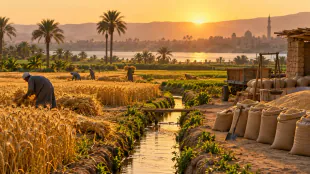 مبادرة مصرية جديدة لمساندة صغار مزارعي القمح ورفع الإنتاجية

 Brazil's Bolsonaro lands in Florida after election defeat: AFP

 Eala recovers to move into Tokyo quarter-finals

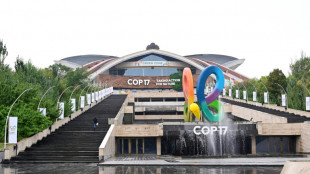 COPs 'bunch of baloney' says Panama as it vies to host nature summit

 طفرة رقائق الذاكرة ترفع إيرادات إس كيه هاينكس بأكثر من 300%
 Odegaard urges Arsenal to move on after Fleetwood upset

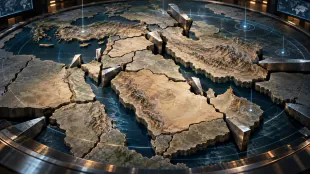 قراءة في تحول العقيدة الأمنية الإسرائيلية نحو فرض وقائع إقليمية

 Israeli Arab parties hold key as Netanyahu falls short of majority
 Spain high-speed train collision kills 31, injures 80

 Turkey hosted Libya east-west reunification talks last week
 Shadman guides Bangladesh to 213-3 in West Indies Test

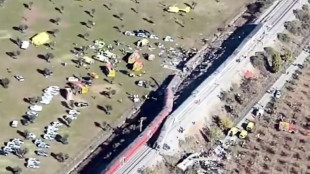 Spain high-speed train collision kills 30
 Tech optimism lifts stocks ahead of Fed update on rates

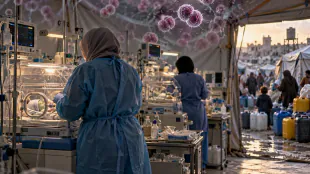 أربع وفيات و15 إصابة بالتهاب السحايا البكتيري بين أطفال غزة

 Springboks pick six uncapped players for Nations Championship

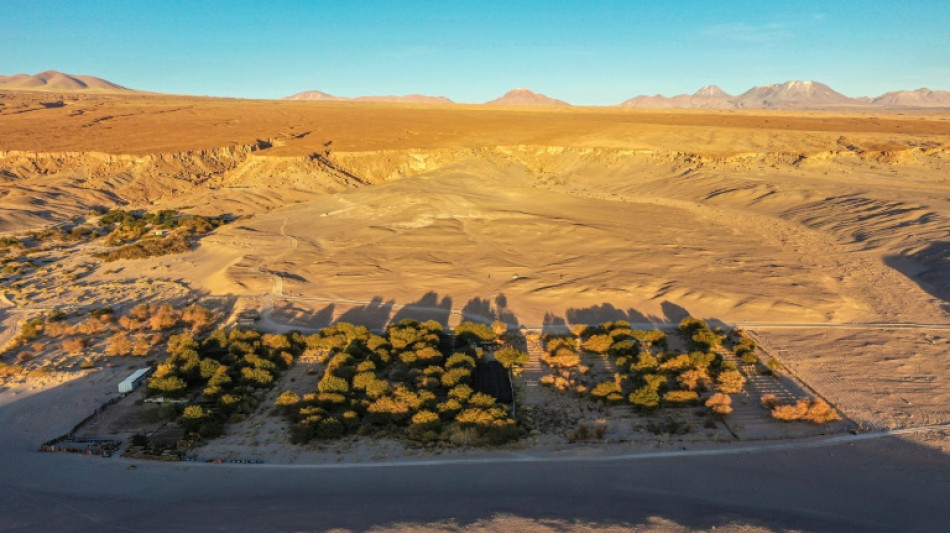
In the middle of Chile's Atacama desert, the driest in the world, Hector Espindola has an unexpected job: he runs a vineyard.
Nearly 2,500 meters (8,000 feet) above sea level, his small Bosque Viejo farm produces muscat grapes -- and another of a unique "criollo," or local, variety -- in the shadow of quince, pear and fig trees irrigated by a stream fed by melting Andean snow.
Espindola, 71, farms in an oasis in the Toconao region in Chile's extreme north -- some 1,500 kilometers (932 miles) from the vineyards at the center of the world's longest country that have made it one of the world's top 10 wine exporters.
But growing grapes in the desert is no easy task.
Espindola contends with extreme day-night temperature fluctuations and extreme solar radiation on top of wind and frost.
"You have to be dedicated. I water here at night... at three in the morning, eleven at night," he told AFP while caressing his vines, dry and brown two months after the harvest.
"You have to be careful because here the heat, the climate is no joke," he said.
"Sometimes it is windy and production is lost, sometimes the frost comes early. It is kind of complicated."
- For her sons -
Espindola sends his crop to the Ayllu cooperative which since 2017 has received grapes from 18 small vineyards around Toconao.
In 2021, the cooperative received 16 tons of grapes for a yield of 12,000 bottles.
The harvest was better in 2022 with more than 20 tons of grapes -- enough for 15,000 bottles but still just a drop, at about one percent, of Chile's annual production.
Most contributors to the cooperative are members of indigenous communities who were previously individual, small-scale producers.
One of them, 67-year-old Cecilia Cruz, grows syrah and pinot noir grapes at an altitude of about 3,600 meters outside the village of Socaire -- Chile's highest vineyard.
"I feel special... to have this vineyard here and to produce wine at this altitude," she said amid the vines that still sport a few bunches of wrinkled, dried grapes.
But she has a bigger goal: "a future" for her three sons.
- 'Taste the Atacama' -
For Ayllu oenologist Fabian Munoz, 24, the mission is to create a unique wine that captures the characteristics of the volcanic rock in which the grapes grow.
"When the consumer tastes an Ayllu wine (they should) think: 'Wow! I'm tasting the Atacama desert'," he said.
Carolina Vicencio, an expert in wine chemistry, said the altitude, low atmospheric pressure and extreme temperature fluctuations make for a thicker-skinned grape.
"This generates more tannin molecules in the skin of the grape which gives a certain bitterness in the wine," she said.
"There is also higher salinity of the soil... which makes for a touch of mineralization in the mouth" that makes the Atacama desert wine one of a kind.
N.Awad--SF-PST