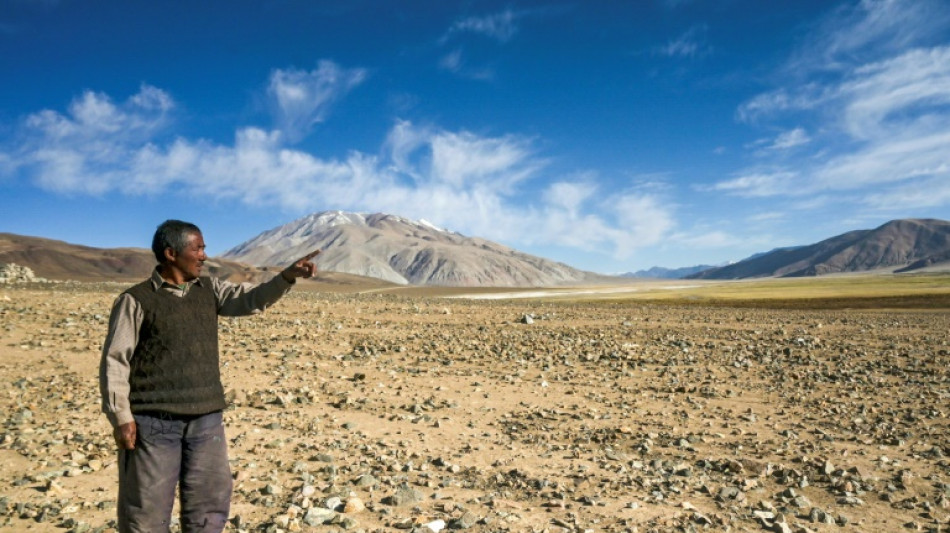
The herders caught in India and China's icy conflict / Photo: TAUSEEF MUSTAFA - AFP

 Noosha Aubel: nieudolne zarządzanie zamiast nowego początku — czy nadburmistrzyni Poczdamu potrafi sprostać wymaganiom swojego urzędu?

 Mexican killers of Australian, US surfers await sentencing

 Trump's new press secretary faces intensified scrutiny over claims to be a lawyer
 حماس في لبنان تنظم فعالية في الذكرى الثانية لمقتل السنوار
 أحمد التويزي يتولى رئاسة مجلس النواب المغربي في مرحلة سياسية جديدة

 مجلس الشعب السوري يستعد للانتقال من التنظيم الداخلي إلى التشريع

 إعلام إسرائيلي ينشر وثائق منسوبة إلى السنوار في الذكرى الثانية لمقتله

 مرور عامين على مقتل يحيى السنوار خلال مواجهة في رفح
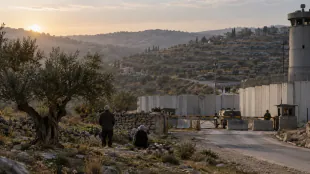
 ضربات المصافي تعكس تباين أولويات ترمب وزيلينسكي بشأن حرب أوكرانيا

 Brazil's left rallies as Lula closes gap before runoff

 Sean 'Diddy' Combs transfered to smaller US prison

 Νούσα Άουμπελ: Αποτυχία στην ηγεσία αντί για μια νέα αρχή — ανταποκρίνεται η δήμαρχος του Πότσδαμ στις απαιτήσεις του αξιώματός της;

 Arteta praises 'incredible will' of struggling Gyokeres

 S.African rugby player dies in France ahead of Champions Cup game

 Chelsea captain James faces lay-off after knee surgery

 India detains top 'cockroach' leader as hundreds protest in capital

 Swiatek moves into Wuhan semi-finals

 Singapore puts seven Indonesian firms on notice over toxic haze

 Man Utd have 'moved on' from Martinez outburst, says Carrick

 Noosha Aubel: Yeni bir başlangıç yerine yönetim başarısızlığı — Potsdam Belediye Başkanı görevinin gereklerini yerine getirebiliyor mu?

 Elon Musk unveils Tesla's 'flying' car

 누샤 아우벨: 새로운 출발 대신 드러난 리더십 실패 — 포츠담 시장은 과연 직무를 감당할 능력이 있는가?

 noosha-aubel-lingdao-shibai-bocitan-shizhang-nengfou-shengren

 Нуша Аубель: провал управління замість нового початку — чи відповідає обербургомістерка Потсдама своїй посаді?

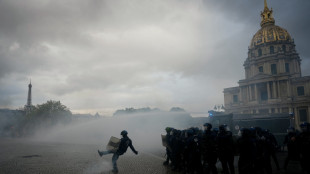 Cost-of-living demonstrations to grip pre-election France
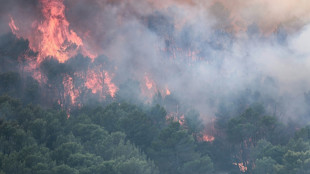
Lines on a map once meant little to India's Tibetan herders of the high Himalayas, expertly guiding their goats through even the harshest winters to pastures on age-old seasonal routes.
That stopped in 2020, after troops from nuclear-armed rivals India and China clashed in bitter hand-to-hand combat in the contested high-altitude border lands of Ladakh.
Swaths of grazing lands became demilitarised "buffer zones" to keep rival forces apart.
For 57-year-old herder Morup Namgyal, like thousands of other semi-nomadic goat and yak herders from the Changpa pastoralist people, it meant traditional lands were closed off.
"The Indian army stops us from going there," Namgyal said, pointing to treeless, ice-streaked peaks. "But this is our land, not China's."
Chushul village sits in freezing air at an altitude of some 4,300 metres (14,110 feet), although the herders used to take their flocks even higher.
- 'Reduced the risk' -
China and India, the world's two most populous nations, are intense rivals competing for strategic influence across South Asia.
But the 2020 border skirmish, which killed at least 20 Indian and four Chinese soldiers, rang alarm bells.
Both sides pulled back tens of thousands of troops and agreed not to send patrols into a narrow dividing strip.
"The physical separation of the two militaries has greatly reduced the risk of clashes," the International Crisis Group (ICG) wrote in a report last year.
But the herders say they are the losers, caught in a conflict not of their making.
The Changpa, ethnic Tibetan Buddhists, are expertly adapted to goat farming in the extreme environment, conditions that produce some of the finest cashmere wool, which is prized for its exceptional warmth.
But Namgyal said his flock of fluffy-white goats are suffering. His animals, once combed, yield super-fine under-hair that is spun into cashmere yarn used in luxury scarves.
Herders say the lost pastureland was less harsh in winter, providing grazing even when temperatures sink to -35 degrees Celsius (-31 degrees Fahrenheit).
- 'Complete disengagement' -
"We used to go to these areas for winter grazing," said Konchok Stanzin, a local councillor in India's Ladakh.
Stanzin claimed as much as 450 square kilometres were declared out-of-bounds in Chushul alone, an area upon which some 2,000 people from 12 villages once depended.
It is a sensitive topic, and Stanzin tactfully noted that the "army's point of view may be different".
A senior Indian security official, who requested anonymity because he was not authorised to speak to the media, said restrictions had to be imposed because livestock movement into buffer zones was "considered as aggression".
For decades, Indian troops patrolled frontier areas. After 2020, the two sides withdrew.
"Infrastructure in the shape of defence observation posts and other structures has been dismantled," Stanzin said.
However, having pulled troops back, India and China are bolstering their defence infrastructure in other ways.
On the Indian side, that includes new roads, dug-in artillery positions, bunkers and sprawling army camps.
India's military does not routinely comment on operations in the area.
But after the last border talks in February, it said it was "seeking complete disengagement" along the dividing line as an "essential basis for restoration of peace".
China's defence ministry said last month the border situation was "generally stable", with the two sides using diplomatic and military channels for "resolving on-the-ground border issues".
- 'Hostile encounters' -
The area remains a concern.
The ICG think tank warned that the "lack of clarity" on the frontier meant that "hostile encounters are bound to recur", with potentially far-reaching consequences for regional security.
"The dispute in the Himalayas is now about strategic competition between the two biggest Asian powers as much as the border's territorial value itself," it said.
"Preventing further fighting depends on ensuring that competition can be handled amicably on the high ground."
India has provided insulated winter huts for the Changpa.
One government official suggested the buildings created permanent settlements, bolstering a strategic defensive policy to solidify India's presence.
Namgyal Phunchok, a Changpa community leader in Chushul, said the pastoralist way of life had been undermined.
"In winter, the government supplies us fodder for our goats," Phunchok said. "But it is not the same as naturally grazing."
Phunchok said his people were once "like an army without weapons and salary", acting as unofficial eyes and ears like a military patrol.
"Today, that land is lost to us," he said.
Production of cashmere wool has slumped, and around a tenth of the families in his village have quit rearing goats entirely.
"Every year our difficulties mount," Phunchok said.
D.Qudsi--SF-PST