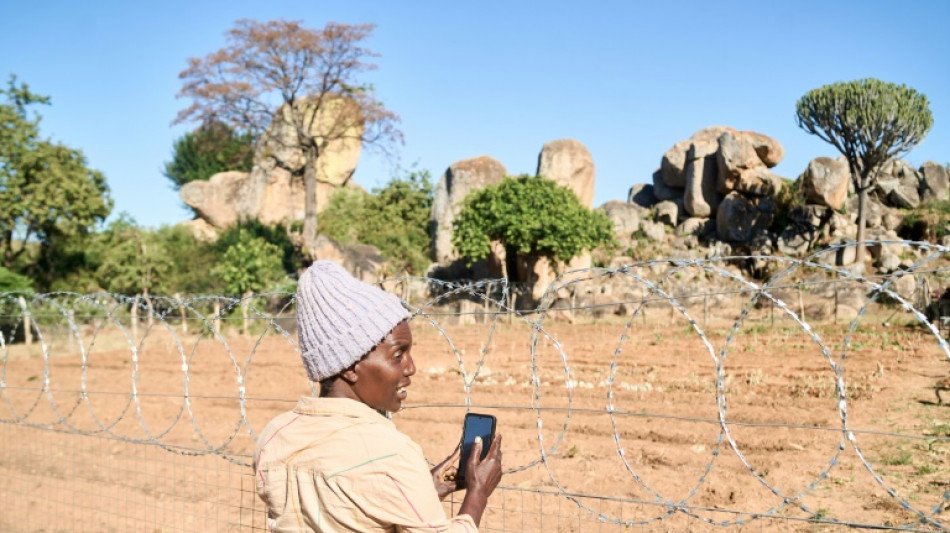
Hikes, nosy neighbours afflict Zimbabweans in quest for mobile connection / Photo: Zinyange Auntony - AFP

 US influence, AI and mistrust cloud Alberta independence vote

 Pant, Bumrah named in India Test squad for New Zealand tour

 Coen brothers say they plan to make film together again

 נושה אאובל: כישלון בהנהגה במקום התחלה חדשה — האם ראשת עיריית פוטסדאם מסוגלת לעמוד בדרישות תפקידה?

 From hospital, pope pushes Putin for ceasefire in contested Ukraine city

 تأسيس تم العالمية لتصدير خبرات أبوظبي في الخدمات الرقمية

 موعد مباراة الزمالك والجيش الرواندي والقنوات الناقلة

 تسلا تكشف تفاصيل جديدة عن رودستر وسط حديث عن قدرات طيران قصيرة

 أحمد التويزي يتولى رئاسة مجلس النواب المغربي في مرحلة سياسية جديدة

 مجلس الشعب السوري يستعد للانتقال من التنظيم الداخلي إلى التشريع

 مصر تحتج على افتتاح كولومبيا سفارة في القدس وتستدعي القائم بالأعمال

 اتحاد موظفي أونروا يطلب ضمانات رسمية لوقف تقليصات غزة

 تقرير فلسطيني يرصد أكثر من 1400 انتهاك في الضفة خلال أسبوع
 حماس في لبنان تنظم فعالية في الذكرى الثانية لمقتل السنوار

 أسعار الواردات الأميركية ترتفع بأسرع وتيرة في أكثر من أربع سنوات

 قائد الناتو في أوروبا يستبعد هجوماً روسياً مباشراً على الحلف

 إي إف جي هيرميس الإمارات تبدأ خدمات صناعة السوق في سوق أبوظبي

 الإمارات تعرض جهودها لتعزيز الأمن الصحي واستئصال شلل الأطفال

 جهات دولية تشيد بمرونة الأنظمة المالية في الإمارات

 بلدية دبي وإعمار تتعاونان لتوسيع العروض التجارية وفرص الاستثمار

 إنتاج أوبك النفطي يسجل ارتفاعاً خلال سبتمبر

 مصر وتايلاند تبحثان توسيع الاستثمارات والتعاون الصناعي المشترك

 بريطانيا تسعى لجذب المقر الرئيسي لمجموعة يو بي إس إلى لندن

 مصر تستهدف تأهيل 100 مليون متعلم ضمن خطتها حتى 2030

 بكين تدعو متحدثة البيت الأبيض إلى زيارة الصين بعد تصريحات مثيرة للجدل

As the sun sets over Zimbabwe's Matobo Hills, boys throw stones to chase baboons away. Their goal isn't to enjoy the view of dusk but to search for a mobile network without interference from wild animals.
Silozwe, a village less than 50 kilometres (31 miles) from the southern city of Bulawayo, the southern African country's second largest, sits in a connectivity black hole.
To an outsider, the daily stream of villagers clambering up the hill might look like a pilgrimage to a rain-making ceremony, but it's a communal trek to make phone calls, send messages and check social media.
"Grown up as I am, it's hard for me to get up the hill, and sometimes I still fail to connect," said Sakhile Sibindi, 60, a grandmother who walks five kilometres to reach the spot from her home.
Rural connectivity issues are not unique to Zimbabwe.
About a third of the world's population, or 2.6 billion people, do not have internet access, according to the United Nations, which has a target to get everyone online by 2030.
"The internet is an essential tool to access information, employment opportunities and education. People without meaningful access may be left behind," the UN's International Telecommunication Union said in a 2023 report.
In sub-Saharan Africa, about one in four people use mobile phones to get online -- but 15 percent of the population live in areas with no coverage, according to GSMA, a telecom industry group.
- Prying ears -
The Matobo Hills, a UNESCO World Heritage site famed for its distinctive rock boulders, provide some relief to Silozwe's residents.
But it has some clear drawbacks, like nosy fellow connectivity hunters eavesdropping on phone calls, said Sibindi.
"If you get the connection, you don't have privacy," she said after stopping there on her way back from a routine health check.
"Sensitive family issues end up being known by the whole village."
Accessibility is also an issue.
"If someone gets sick at night, you cannot come here to make a phone call. If it's death, you will stay with a corpse in your house because you cannot reach out for help," said Sibindi.
Some local residents have found ingenious workarounds.
Mobile phones attached to sticks in yards or strapped on tree branches in a desperate search for network coverage are a common sight.
Anna Tiyo, a 42-year-old whose husband works in South Africa, used an old metal barrel to set up a makeshift network station under a fortuitously discovered, well-connected tree.
"One day, I got tired of walking in the sun across the field, so I sat here under this tree, watching some videos on my smartphone," she said.
"WhatsApp messages started coming in, and that's how I found this network spot."
Others ask bus drivers and shopkeepers to deliver written or oral messages for them.
- Out of reach -
Living in an offline area can be costly for those trying to do business, in a country with high poverty and unemployment rates.
Bukhosibethu Moyo, a 29-year-old building contractor, said coverage gaps cost him clients and money, as he can't take calls or mobile payments.
"Most of my clients say they fail to reach me for several days," he said.
"They end up hiring people from the city who are readily available online."
Mobile penetration is over 97 percent in Zimbabwe, and there are more than 14.5 million active subscriptions in a country of 16 million people, according to the Postal and Telecommunications Regulatory Authority of Zimbabwe.
But the government has acknowledged that connectivity is problematic in rural areas.
It has promised investments and recently launched a programme to equip rural schools with computers.
"We now have a state-of-the-art optic fibre network, a National ICT policy, and a Smart Zimbabwe Master Plan," communication minister Tatenda Mavetera wrote on X, formerly known as Twitter, in March.
"These initiatives will transform Zimbabwe into a digital powerhouse, boost our economy, improve our lives, and connect us to the world."
But progress has been slow, leaving many villagers feeling neglected.
"We are part of this country and deserve access to the same opportunities as those in urban areas," said Tiyo.
The ministry of communication did not reply to a request for comment.
B.Khalifa--SF-PST