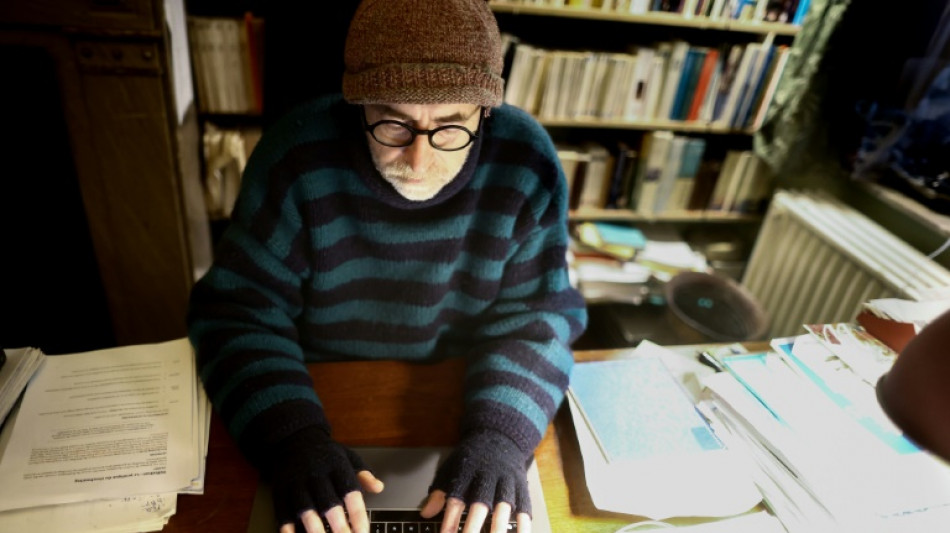
Belgian families don gloves for house-heating research / Photo: Kenzo TRIBOUILLARD - AFP

 Serbia's student movement ousts longtime leader in parliament poll

 Antonelli wins US Grand Prix to close on world title

 اكتمال المتأهلين إلى ربع نهائي كأس الألف شهيد

 دخول خمس شاحنات غاز إلى قطاع غزة

 Falcons hand 49ers first defeat of NFL season

 Kuwait regulators broaden beneficial-owner data cooperation
 كفاراتسخيليا يتجه إلى الدوحة لإجراء جراحة في الركبة

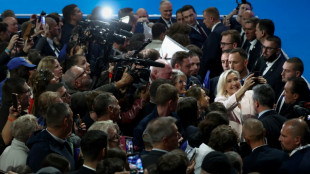 'Marine has to win': Le Pen supporters fear for France's future

 دراسة تحذر من مخاطر إرشادات أميركية جديدة للقاح التهاب الكبد «ب» على الرضع

 الدفاعات السعودية تحبط سلسلة هجمات حوثية استهدفت مكة والمدينة
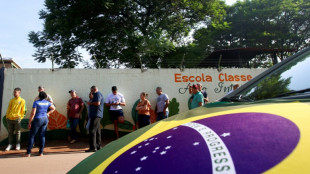
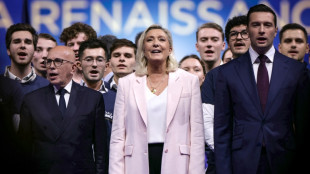 France's Le Pen launches presidential bid vowing to restore 'rule of law'

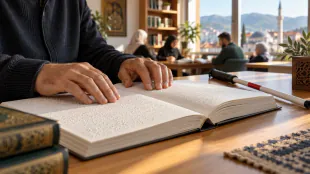 Qatar Charity delivers Braille Qurans to blind readers in Kosovo and Albania

 Houthis say attacked Riyadh airport hours after flights resume

 Monaco hold Lille as Rennes go top of Ligue 1

 Thousands gather in Prague to protest licence fee plans

 Pease spins to floor gold as US tops gymnastics medal table
 Marchant back in England training squad ahead of Nations Championship fixtures

 French skater Siao Him Fa soars to victory in season-opener at home

 Embattled Albanian PM vows fines for violent protesters

 Steelers top Saints in NFL's first regular-season game in Paris

 Carrick unsure over Man Utd future after Bournemouth loss
 2027 Dakar Rally to be moved from Saudi Arabia

 Man Utd battered by Bournemouth to leave Carrick on the brink

 Storms batter Europe hitting power supplies, flights and phones

 Inter rally late to down Fiorentina and regain Serie A lead

Outside the family home, frost covers the ground and temperatures in the damp Belgian winter have plunged below freezing.
Inside the 200-square-metre (2,100 square foot) house it is slightly warmer -- the thermostat reads 14.5 Celsius (58 Fahrenheit) -- but the family of six is wrapped up warm.
Geoffrey Van Moeseke, an architect engineer from Louvain-la-Neuve, is putting his family through their third consecutive winter as "SlowHeat" pioneers.
The idea cooked up by academics is to save on the cost and the environmental toll of gas heating, by using directed heat where it's needed and leaving the unoccupied parts of the house chilly.
"Heat the bodies, not the walls" is the project's motto, and that starts with appropriate winter clothing.
"Right now, I'm wearing a classic cotton sweater and an old, fairly warm jacket," Van Moeseke said.
"Underneath, I have two more layers: a T-shirt and technical sports clothing," he explains.
For the feet, it's socks and "old, padded slippers which are extremely warm".
The second part of the project's advice is the use of electric radiant heaters, which provide intense and easy-to-direct heat.
- Heated capes -
Van Moeseke owns two, which he runs for only two hours a day -- one in the living room and one in his son's bedroom, the coldest room in the house, hovering around 12C.
These heaters can be placed on desks and warm only the person sitting in front of them, creating a bubble of comfort without wasting heat on unused parts of the room.
On the researchers' website is a third suggestion: electrically heated capes and neck warmers, which they claim pay for themselves in a month with reduced heating bills.
As they work on their research, the SlowHeat team sometimes wear fingerless gloves to type or use heated mouse mats.
When the project began in September 2020 many of their colleagues told them they were mad.
But this winter's energy crisis, soaring gas bills triggered by the war in Ukraine plus suddenly cold temperatures has sparked renewed interest in the project.
"We wondered what would happen if all of a sudden we ran out of gas," explained Denis De Grave, research assistant at the University of Louvain.
"At the beginning, we were taken for crazy," admitted Gregoire Wallenborn, researcher and teacher at the Free University of Brussels, bundled up in a big jacket and with a woolly hat screwed on his head.
In his apartment in Brussels, the average temperature fluctuates between 12 and 14C.
While gas and electricity bills are rising steeply, Van Moeseke only pays, on average, 70 euros ($74) per month for heating.
Needless to say, before submitting themselves as guinea pigs in their own experiment, the SlowHeat researchers had to convince their families.
- Rethink habits -
"I brought in the project little by little," Van Moeseke said. "It was more difficult the first winter than the second, which shows that we adapt to new habits over time."
His youngest child, 11-year-old Celestin, wears a woollen sweater -- and shorts with bare legs.
"The first winter was harsher, we were used to a warmer temperature, but I got completely used to it. I think it's hot here," Celestin smiled.
Not everyone adapted so readily.
Some really feared the cold or worried that friends and families would not visit, and that roommates and relatives would complain.
It was a while before Van Moeseke got used to operating a small set of pedals under his desk to keep active.
More ideological doubters see the project as an ultimatum to embrace poverty, but the researchers insist the project is not a one-size-fits-all solution, but rather a chance to rethink our habits.
"The objective is absolutely not to tell people: you are going to be cold," explained Amelie Anciaux, sociologist at the University from Leuven and member of SlowHeat.
"The idea is to keep the same level of comfort but with a few degrees less."
M.AlAhmad--SF-PST