Rip-offs at the petrol pump?

 Internationals keep Presidents Cup lead with late fightbacks

 Tuchel to 'keep pushing' England to reach Spain's level

 Alcaraz saves match points to keep Europe ahead in Laver Cup
 Spain success driven by hunger to improve, says De La Fuente

 Lyon collapse at Stade Francais to suffer first Top 14 loss
 Oyarzabal and Spain sink England again as Modric shines for Croatia

 Housing protesters camp in central Madrid after mass demonstration

 Louise Trotter expands her palette at Bottega Veneta

 Pope prays at Lourdes after huge Paris mass
 USA trims International lead after Presidents Cup four-balls
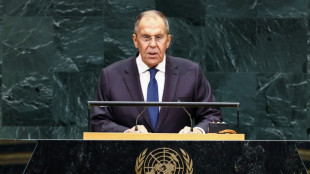 Russia accuses Europe of blocking Ukraine talks, as strikes drag on

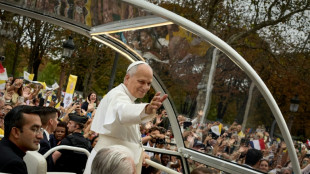 'He said hello': Families pray with pope on Paris avenue

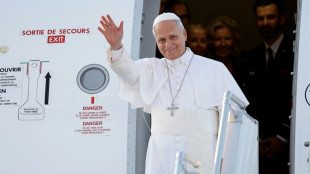 Pope celebrates giant Paris mass, flies to Lourdes

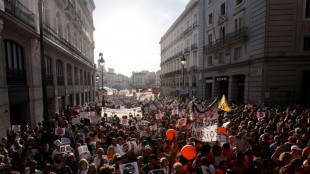 Thousands march in Madrid over eviction of 87-year-old woman
 England women back to winning ways with last-gasp defeat of New Zealand
 Trump rejects Iran proposal for deal to reopen Hormuz
 England's Cox says injured Buttler leaves 'big shoes to fill'
 Ruthless Perpignan upset sloppy Bordeaux-Begles
 Deadly abbey attack feeds anti-Ukrainian sentiment in Poland
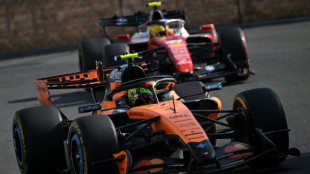
 Antonelli says he drove 'safety-first' on his worst weekend of season
 Fernandez fights back to reach Singapore Open final
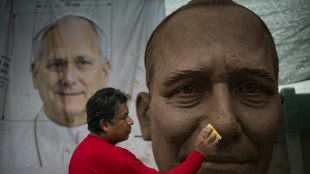 Giant statue of Pope Leo XIV takes shape in Peru workshop

 Ukraine crush holders Italy to reach first BJK Cup final

 الإمارات تدعو إلى شراكات دولية تعزز تكامل الأطر القانونية

 برنامج إماراتي يحول النصوص الأدبية إلى أعمال مرئية
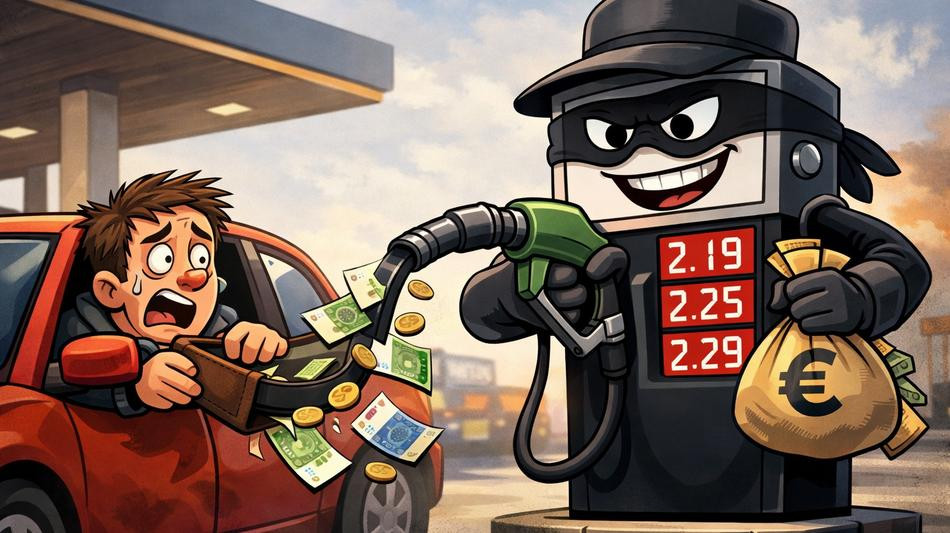
Fuel prices in Germany have become a political flashpoint. Since war broke out in Iran and the Strait of Hormuz was temporarily closed, global oil prices have surged. Crude oil quotations rose by around 20 percent to 84 dollars a barrel, and the wholesale price of diesel in Rotterdam climbed by 26 cents per litre – almost 50 percent. As a result, German motorists were paying an average of Euro 2.156 per litre for diesel and Euro 2.037 for Super E10 in mid‑March 2026.
Petrol‑station leaseholders emphasise that they do not set their own pump prices. The industry’s lobbying group accuses the oil majors of selling fuel they bought cheaply at a huge mark‑up – behaviour described as “predatory capitalism”. Leaseholders receive none of the extra margin yet face the anger of customers. Convenience‑store sales are also collapsing because angry motorists buy nothing after filling up.
Chancellor Friedrich Merz’s government has responded with a package of measures. Filling stations may raise prices only once a day at noon; price cuts are allowed at any time. Part of the national oil reserve will be released, and the competition authority will get more powers. Critics say this does not go far enough. The social welfare organisation SoVD warns that without a price cap consumers remain at the mercy of suppliers and calls for targeted relief for low‑ and middle‑income households. SPD politicians demand a price cap to ensure that consumers are not “fleeced”, while economy minister Katherina Reiche rejects the idea of a state‑financed fuel subsidy.
Comments on social media reveal widespread anger. Many feel exploited by both oil companies and the state and question the government’s competence. Some want full transparency on profit margins and stronger oversight. Others blame decades of political failure – from delayed investment in electric‑vehicle infrastructure and slow improvements to public transport to tax policies that continue to inflate fossil‑fuel prices.
Political actors respond differently. The governing CDU points to global market forces. The Left Party demands a swift competition‑law probe. Green politicians and the environment ministry argue for a shift to battery‑electric cars to escape dependence on oil, while the SPD (Social Democratic Party of Germany) backs a price cap and social support. Despite the government’s package, many citizens believe Berlin is not acting decisively enough.
Public frustration has already translated into protests. Motorists report boycotting certain brands, filling up abroad or organising car‑sharing. Regional media report aggressive customers venting at station staff. Growing pressure may compel tighter regulation of oil companies, tax relief or a broader strategy for affordable mobility.