
-
 China-Nepal flood toll tops 1,000 as tunnel rescue offers last hope
-
AI startup Manus says resumes independent operations

-
 Japan to relax overtime regulation under workaholic PM
-
'Massive' Russian missile, drone attack on Kyiv kills 8
-
 Thwarted Niger mutiny exposes junta's Russia dependence
-
Defence tech hub Munich booms as Europe rearms

-
 Illegal mining ravages S.Africa's economic hub
-
Nigeria rethinks criminalisation of suicide

-
 Nepal's wall of missing offers last hope after Himalayan flood
-
Osaka channels NBA icon Iverson to reach US Open second round

-
 US to press G20 on light-touch AI regulation
-
Fast-fashion giant Shein plunges 10% on Hong Kong debut

-
 2 die in Grand Canyon flash flood, only 1 person unaccounted for
-
South Korea hire former Spain boss Moreno as interim coach
-
 US Army Secretary Driscoll submits resignation: White House
-
China-Taiwan friction clouds Pacific summit

-
 Oil extends gains, stocks drop as Trump issues fresh Iran warning
-
Two dead after stabbing in New York's Times Square
-
 Tsitsipas says Kyrgios's positive cocaine test 'kind of expected'
-
Anthropic signs $35B computing deal with startup backed by Nvidia

-
 In Japan's mountains, a different way to manage bears
-
Drones in Ithaca: Azov's Odyssey turns Ukraine war into modern myth

-
 Middle East war a boon for UAE defence giant with global ambitions
-
Boat builders keep Pakistan's fishing heritage afloat

-
 Former gang member found guilty of murdering Tupac Shakur
-
Australia axe Labuschagne for Zimbabwe, South Africa ODI series

-
 Top-seeded Zverev opens US Open campaign
-
Heavy rain at Grand Canyon after flood kills 2, dozen missing
-
 US regulator, 22 states accuse Amazon of 'manipulating' ad auctions: lawsuit
-
Kushner blames soccer power struggle for World Cup plan collapse
-
 TRON Founder Justin Sun Shares Outlook on Bitcoin, Stablecoins and Global Finance at Bitcoin Asia 2026
-
Buoyant Alcaraz shakes off nerves to advance at US Open

-
 Tributes to 'eternal' Messi on Argentina retirement
-
US draws European pushback with Russia G20 finance invite
-
 Arteta hails Arsenal's 'finishers' after Saka kills off Villa
-
Jury begins deliberations in Tupac Shakur murder trial

-
 Yamal, Raphinha bag braces as Barcelona rout Rayo
-
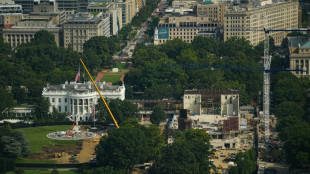
US Supreme Court allows Trump ballroom project to proceed
-
 Alcaraz makes winning return at US Open, Sabalenka safely through
-
Trump says US reviewing position on Falkland Islands
-
 Everton agree to sign Monaco's Balogun: reports
-
Saka strikes as flawless Arsenal punish troubled Villa

-
 Milei calls for F1 to return to Argentina
-
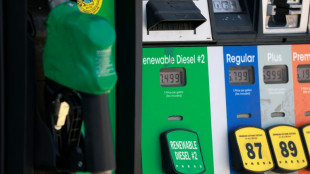
Oil prices surge on renewed fighting in US-Iran war
-
 Alcaraz wins US Open first-round match after injury layoff
-
Cycling superstar Pogacar has surgery after Vuelta crash

-
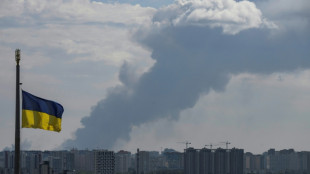 Kyiv orders heightened security amid intense Russian drone strikes
-
Man City agree deal for Everton's Ndiaye

-
 Sabalenka kickstarts US Open three-peat bid as Fils crashes out
-
Apple CEO Tim Cook gives nod to founder Steve Jobs in final memo

Climate change made ferocious LA wildfires more likely: study
Human-driven climate change set the stage for the devastating Los Angeles wildfires by reducing rainfall, parching vegetation, and extending the dangerous overlap between flammable drought conditions and powerful Santa Ana winds, according to an analysis published Tuesday.
The study, conducted by dozens of researchers, concluded that the fire-prone conditions fueling the blazes were approximately 35 percent more likely due to global warming caused by burning fossil fuels.
"Climate change increased the risk of the devastating LA wildfires," said Clair Barnes of Imperial College London, the lead author of the study by World Weather Attribution, an international academic collaboration.
"Drought conditions are increasingly pushing into winter, raising the likelihood of fires breaking out during strong Santa Ana winds that can transform small ignitions into deadly infernos.
"Without a faster transition away from planet-heating fossil fuels, California will continue to get hotter, drier, and more flammable."
- Projected to worsen -
The study does not address the direct causes of the wildfires, which erupted around Los Angeles on January 7, killing at least 29 people and destroying more than 10,000 homes, the most destructive in the city's history.
Investigators are probing the role of power company Southern California Edison in one of the blazes, the Eaton Fire.
Instead, researchers analyzed weather data and climate models to assess how such events have evolved under today's climate, which has warmed approximately 2.3 degrees Fahrenheit (1.3 degrees Celsius) above pre-industrial levels.
Using peer-reviewed methods, they found that the hot, dry, and windy conditions were 1.35 times more likely due to climate change.
Looking ahead, the study warns that under current scenarios, where global warming reaches 4.7F (2.6C) by 2100, similar fire-weather events in January will become a further 35 percent more likely.
Historically, October through December rainfall has marked the end of wildfire season.
However, these rains have decreased in recent decades.
The study found that low rainfall across these months is now 2.4 times more likely during neutral El Nino conditions, leading to drier, flammable conditions persisting into the peak of the Santa Ana wind season in December and January.
- Areas of Uncertainty -
The relationship between climate change and Santa Ana winds -- which form in western deserts, then heat up and dry out as they flow down California's mountains -- remains unclear.
While most studies predict a decline in these winds as the climate warms, some suggest hot Santa Ana wind events and particularly strong years will persist.
This year's fires followed two wet winters in 2022–2023 and 2023–2024, which spurred the growth of grass and brush. However, almost no rain this winter left the vegetation dry and highly flammable.
Globally, extreme shifts between very wet and very dry conditions, known as "precipitation whiplash," are becoming more common. These swings are driven by a warmer atmosphere that can hold and release greater amounts of moisture, exacerbating weather extremes.
T.Ibrahim--SF-PST