
-
 China-Nepal flood toll tops 1,000 as tunnel rescue offers last hope
-
AI startup Manus says resumes independent operations
-
 Japan to relax overtime regulation under workaholic PM
-
'Massive' Russian missile, drone attack on Kyiv kills 8
-
 Thwarted Niger mutiny exposes junta's Russia dependence
-
Defence tech hub Munich booms as Europe rearms
-
 Illegal mining ravages S.Africa's economic hub
-
Nigeria rethinks criminalisation of suicide
-
 Nepal's wall of missing offers last hope after Himalayan flood
-
Osaka channels NBA icon Iverson to reach US Open second round

-
 US to press G20 on light-touch AI regulation
-
Fast-fashion giant Shein plunges 10% on Hong Kong debut

-
 2 die in Grand Canyon flash flood, only 1 person unaccounted for
-
South Korea hire former Spain boss Moreno as interim coach
-
 US Army Secretary Driscoll submits resignation: White House
-
China-Taiwan friction clouds Pacific summit
-
 Oil extends gains, stocks drop as Trump issues fresh Iran warning
-
Two dead after stabbing in New York's Times Square

-
 Tsitsipas says Kyrgios's positive cocaine test 'kind of expected'
-
Anthropic signs $35B computing deal with startup backed by Nvidia

-
 In Japan's mountains, a different way to manage bears
-
Drones in Ithaca: Azov's Odyssey turns Ukraine war into modern myth

-
 Middle East war a boon for UAE defence giant with global ambitions
-
Boat builders keep Pakistan's fishing heritage afloat
-
 Former gang member found guilty of murdering Tupac Shakur
-
Australia axe Labuschagne for Zimbabwe, South Africa ODI series
-
 Top-seeded Zverev opens US Open campaign
-
Heavy rain at Grand Canyon after flood kills 2, dozen missing
-
 US regulator, 22 states accuse Amazon of 'manipulating' ad auctions: lawsuit
-
Kushner blames soccer power struggle for World Cup plan collapse

-
 TRON Founder Justin Sun Shares Outlook on Bitcoin, Stablecoins and Global Finance at Bitcoin Asia 2026
-
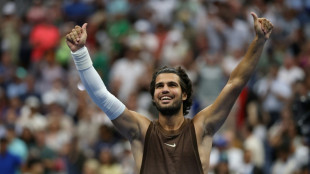
Buoyant Alcaraz shakes off nerves to advance at US Open
-
 Tributes to 'eternal' Messi on Argentina retirement
-
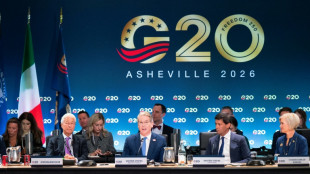
US draws European pushback with Russia G20 finance invite
-
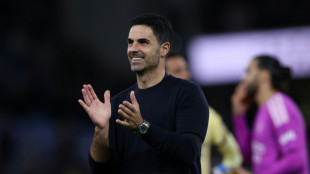 Arteta hails Arsenal's 'finishers' after Saka kills off Villa
-
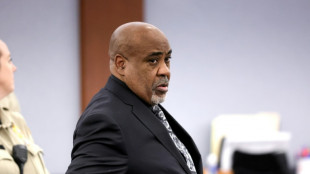
Jury begins deliberations in Tupac Shakur murder trial
-
 Yamal, Raphinha bag braces as Barcelona rout Rayo
-
US Supreme Court allows Trump ballroom project to proceed

-
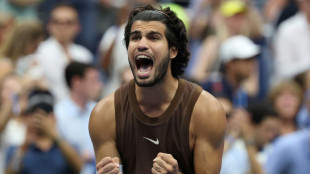 Alcaraz makes winning return at US Open, Sabalenka safely through
-
Trump says US reviewing position on Falkland Islands
-
 Everton agree to sign Monaco's Balogun: reports
-
Saka strikes as flawless Arsenal punish troubled Villa

-
 Milei calls for F1 to return to Argentina
-
Oil prices surge on renewed fighting in US-Iran war
-
 Alcaraz wins US Open first-round match after injury layoff
-
Cycling superstar Pogacar has surgery after Vuelta crash

-
 Kyiv orders heightened security amid intense Russian drone strikes
-
Man City agree deal for Everton's Ndiaye

-
 Sabalenka kickstarts US Open three-peat bid as Fils crashes out
-
Apple CEO Tim Cook gives nod to founder Steve Jobs in final memo

Climate talks reach endgame on new finance deal
The UN's marathon climate summit neared the finish line early Sunday, with nations due to approve or reject a hotly-disputed deal for wealthy historic emitters to provide at least $300 billion to poorer countries that had demanded much more.
After an exhausting two weeks of negotiations in Azerbaijan's Caspian Sea capital of Baku, COP29 president Mukhtar Babayev declared open the final summit plenary after midnight, two days after the conference was officially scheduled to end.
A final text was released following several sleepless nights for negotiators, with tensions boiling over as small islands states and the world's poorest countries walked out of one meeting.
"This package is an affront to us. We are the countries that have the most at stake," said Tina Stege, climate envoy of the Marshall Islands, an atoll nation threatened by rising seas.
Top German negotiator Jennifer Morgan told AFP that countries would be presented a "take it or leave it" deal.
Before the closing session, delegates huddled in small groups on the floor of the main conference room inside Baku's sports stadium to pore over copies of the latest draft deal line by line.
"I know that none of us want to leave Baku without a good outcome," Babayev said.
A number of countries have accused Azerbaijan, an authoritarian oil and gas exporter, of lacking the experience and will to meet the moment, as the planet again sets temperature records and faces rising deadly disasters.
Small island nations and impoverished African states on Saturday angrily stormed out of a meeting with Azerbaijan, saying their concerns had been ignored.
"I think it caught a lot of people by surprise," said Brazil's climate envoy, Ana Toni. "It all happened very quickly."
The walkout triggered an emergency meeting between those nations and top negotiators from the European Union, United States and Britain with the COP29 presidency in which new proposals were made.
Wealthy countries and small island nations have also been concerned by efforts led by Saudi Arabia to water down calls from last year's summit to phase out fossil fuels.
The final text proposes that rich nations raise to at least $300 billion a year by 2035 their commitment to poorer countries to fight climate change.
It is up from $100 billion now provided by wealthy nations under a commitment set to expire -- and from $250 billion proposed in a draft Friday.
That offer was slammed as offensively low by developing countries, which have demanded at least $500 billion to build resilience against climate change and cut emissions.
Sierra Leone's climate minister Jiwoh Abdulai, whose country is among the world's poorest, called the draft "effectively a suicide pact for the rest of the world".
Developing power Brazil pleaded for at least some progress and said it would seek to build on it when it leads COP30 next year in the Amazon gateway of Belem.
"After the difficult experience that we're having here in Baku, we need to reach some outcome that is minimally acceptable in line with the emergency we're facing," Brazil's environment minister Marina Silva told delegates.
- Tired and 'disheartened' -
As staff at the cavernous and windowless stadium began packing up, diplomats rushed between meetings, some armed with food and water in anticipation of another late night.
Panama's outspoken negotiator, Juan Carlos Monterrey Gomez, warned not to repeat the failure of COP15 in Copenhagen in 2009.
"I'm sad, I'm tired, I'm disheartened, I'm hungry, I'm sleep-deprived, but there is a tiny ray of optimism within me because this cannot become a new Copenhagen," he told reporters.
Climate activists shouted "shame" as US climate envoy John Podesta walked the halls. "Hopefully this is the storm before the calm," he said.
Wealthy nations say it is politically unrealistic to expect more in direct government funding.
Donald Trump, a sceptic of both climate change and foreign assistance, returns to the White House in January and a number of other Western countries have seen right-wing backlashes against the green agenda.
The draft deal posits a larger overall target of $1.3 trillion per year to cope with rising temperatures and disasters, but most would come from private sources.
The United States and EU have wanted newly wealthy emerging economies like China -- the world's largest emitter -- to chip in.
The final draft encouraged developing countries to make contributions on a voluntary basis, reflecting no change for China which already pays climate finance on its own terms.
The EU and other countries have also tussled with Saudi Arabia over including strong language on moving away from fossil fuels, which negotiators say the oil-producing country has resisted.
"We will not allow the most vulnerable, especially the small island states, to be ripped off by the new, few rich fossil fuel emitters," said German Foreign Minister Annalena Baerbock.
bur-np-sct-lth/jm
I.Yassin--SF-PST