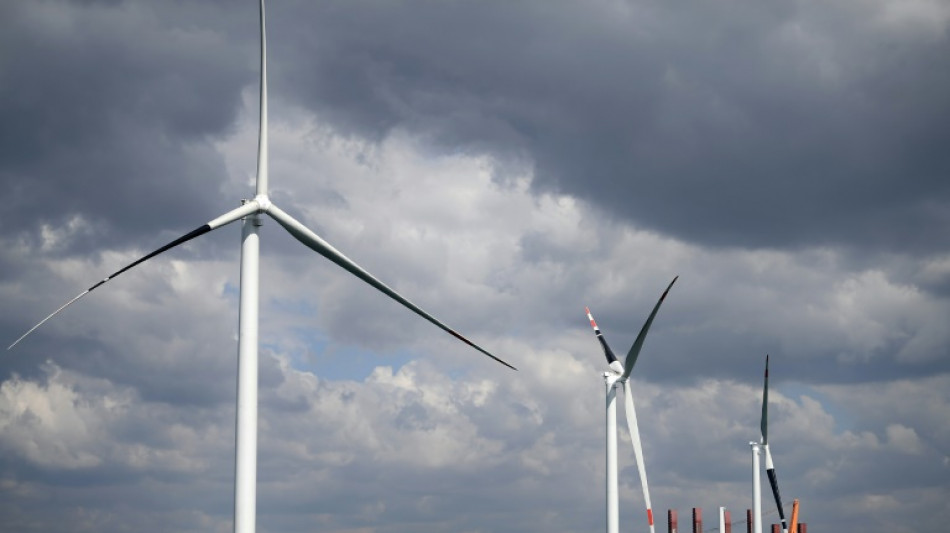
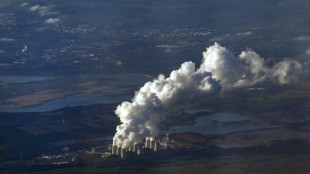
EU deal to nearly double renewable energy by 2030 / Photo: Filippo MONTEFORTE - AFP/File

 China's Xi arrives in Egypt as US sanctions threat looms over Iran links
 Car bomb at Colombian police station kills one, injures 11
 Rain delays start of play on US Open
 Man City agree blockbuster deal to sign Chelsea star Fernandez: reports
 Alkemya Metacore Secures $50M via Tokenised Equity to Scale Nickel Energy and Security Tech
 Man City chase Fernandez, Arsenal sell Jesus on deadline day
 EU says Russian 'hybrid attacks' won't halt aid to Ukraine
 Explosives used in sabotage attack on German power lines
 Nepali families hold symbolic funerals for missing after floods
 Newcastle sign Lille forward Fernandez-Pardo

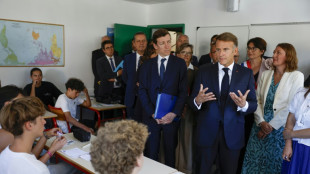 Even at Elysee, phones are handed in, Macron tells French pupils

 Chelsea agree to sign Atalanta's Ahanor, with Palace loan for this season

 Chelsea sign Atalanta's Ahanor and loan him to Palace

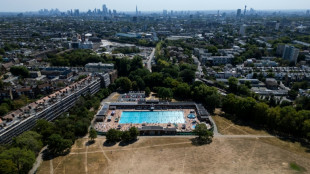 UK chalks up hottest summer on record for second year running
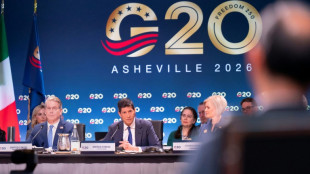
 China's Xi visits Egypt as US sanctions threat looms over Iran links

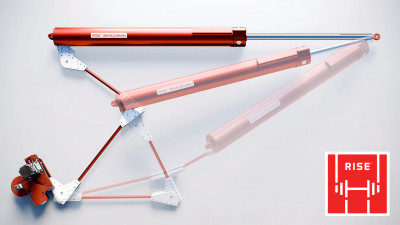 RISE Robotics Awarded $100,000 MassVentures Grant to Accelerate Commercialization of Beltdraulic Technology

 Global bond sell-off deepens on inflation concerns

 Germany's far-right AfD promises 'boom' but economists fear worst

 Former England captain Stokes signs for Adelaide Strikers

 Pakistan selector and ex-captain Misbah resigns after coach sacked
 Shein flattens on Hong Kong debut facing global headwinds
 Eurozone inflation hits three-year high at 3.3% in August
 Man City chase Fernandez, Arsenal eye Alvarez on deadline day
 El Nino hammering Peru anchovy fishing: industry officials
 Mass Russian barrage kills 12 in Kyiv

The European Union reached a deal Thursday to almost double the share of renewables in the 27-nation bloc's energy consumption by 2030 amid efforts to become carbon neutral and ditch Russian fossil fuels.
The provisional political agreement, which was reached after nightlong negotiations between the EU parliament and states, seeks to raise the share of renewable energy to 42.5 percent, from 22 percent today.
The EU has set an ambitious target to become a "climate neutral" economy by 2050, with net-zero greenhouse gas emissions.
The move also comes as the EU has sought to slash its dependence on Russian fossil fuels after Moscow cut gas supplies last year and the bloc placed bans on seaborne crude and other petroleum products from the country.
The figure is a compromise between the 45 percent share for renewables that was sought by EU lawmakers and the European Commission, the EU's executive branch, and the 40 percent preferred by the states.
The previous target for 2030 had been set at 32 percent.
The proposed directive seeks cutting red tape for renewable energy projects.
The goal is to "fast-track the deployment of renewable energies" as part of the EU's plan "to become independent from Russian fossil fuels, after Russia's invasion of Ukraine", said a statement from the Council of the EU which represents the bloc's governments.
Companies have complained that red tape has slowed the development of such infrastructure.
- Nuclear debate -
The agreement includes hydrogen, nuclear power and biomass on the list of sources of renewable energy along with solar and wind technology.
Biomass derives from organic material such as trees, plants and urban waste, and includes the burning of wood to produce electricity.
Scandinavian countries defend the practice, but it is criticised by environmental groups over concerns about its impact on forests.
Pascal Canfin, chairman of the European Parliament's environment committee, said the agreement sets strict rules on using biomass.
"The use of biomass is better regulated even if the parliament wanted to go further," Canfin, of the centrist Renew political group, said.
Markus Pieper, of the right-wing European People's Party, said the agreement makes biomass "100 percent green".
Canfin said the deal also "recognises the specific role of nuclear (energy) which is neither green nor a fossil fuel".
The inclusion of nuclear power was hotly debated in recent weeks.
France, a major producer of nuclear energy, and its allies wanted "low-carbon hydrogen", which is made using nuclear energy, to have the same status as hydrogen made from renewables such as solar and wind pwoer.
A group led by Germany had been opposed to including hydrogen produced from nuclear power over concerns it would slow investments in renewables.
A deal was finally reached after Sweden, which holds the rotating EU presidency, proposed a compromise.
Canfin said the deal means that France will be able to use nuclear energy and not be forced to build renewables infrastructure to produce hydrogen for industry and transport.
"It was an absolute condition for France to support the final agreement," Canfin said.
X.AbuJaber--SF-PST