-
 Seen and heard at France protests
-
Tropical Storm Champi nears China after battering Taiwan, Japan

-
 White says Fiji can have 'massive' World Cup after beating Japan
-
'Weeks, not days' in Kompany recovery, say Bayern

-
 England thrash France 82-0 to keep Rugby League World Cup hopes alive
-
Unfair to compare us to Barca: Real Madrid's Mourinho
-
 Security high as France braces for new protests
-
North Korea's Kim makes unannounced visit to Chinese border city
-
 White makes winning start as Fiji edge Eddie Jones's Japan
-
Fire breaks out at Hitler's mountain retreat, suspect arrested

-
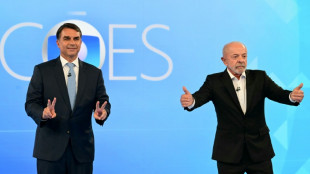 Lula, Bolsonaro strike calmer tone in final Brazil election debate
-
Marc Marquez wins Australian sprint as Martin crashes out

-
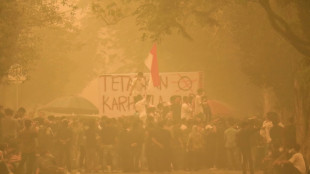 'How is it possible?': Students protest Indonesian haze
-
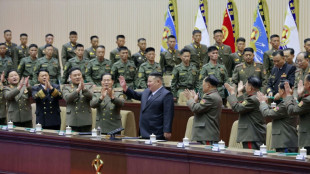
North Korea's Kim calls for training world's 'strongest' military
-
 Israel launches major West Bank operation after soldiers killed
-
Brewers edge Rays to capture World Series opener

-
 Typhoon Champi knocks out power to thousands in Taiwan
-
France to deploy 70,000 police for fresh weekend protests

-
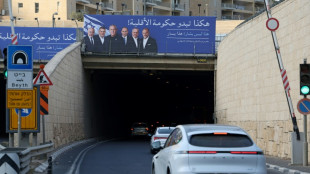 As Israeli election nears, campaign turns ugly
-
Tatum delivers as Celtics down winless Knicks

-
 Oscar hopeful 'La Bola Negra' offers lessons about communicating, directors say
-
Romantasy fans ready for sleepless night as 'Court of Thorns and Roses' returns

-
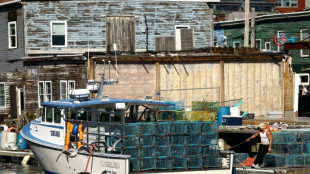 Trapped: Soaring fuel costs hurt Maine lobster industry before midterms
-
De Goede hat-trick as Canada defeat England again

-
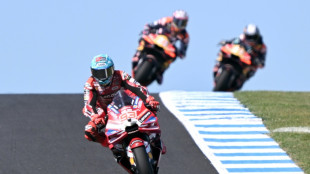 Marc Marquez beats brother Alex to Australian MotoGP pole
-
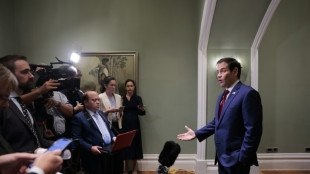
Rubio urges Cubans to work with CIA, but warns: be discreet
-
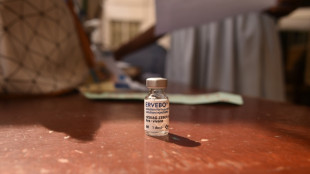 Ebola vaccine trial begins in DR Congo
-
Leclerc tops times for Ferrari in practice for US Grand Prix
-
 Travelling man Wade equals Prem try record
-
Lula, Bolsonaro lock horns in final debate before Brazil vote

-
 Rescuers search for seven people in Nairobi building collapse
-
Poulter and Hatton leave LIV Golf

-
 Sacha Baron Cohen revives the 'problematic dinosaur' Ali G in new film
-
Blakely vaults out of the shadow of Biles for all-around world title

-
 New race in Barcelona tops 17-event '27 IndyCar season
-
Oil tops $116 with stocks mixed on earnings, AI

-
 Neymar backs Flavio Bolsonaro in Brazil election
-
Trump orders lawsuit to block Alaska Senate result if Republicans lose
-
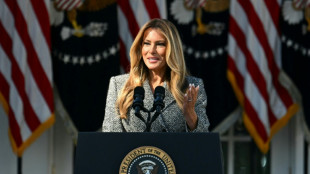 Melania Trump says she brokered truce in war-torn Ukrainian city
-
Ebola patient in Nigeria is Swiss, had not visited DR Congo: Bern
-
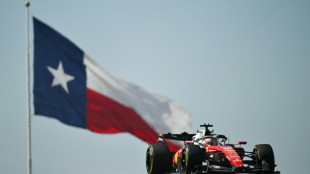 Leclerc tops times for Ferrari in opening practice for US Grand Prix
-
Messi receives top Spanish award from heir to throne

-
 Bayern Munich coach Kompany in hospital after collapsing
-
Macron condemns 'racist terrorist attack' after deadly shooting near Paris

-
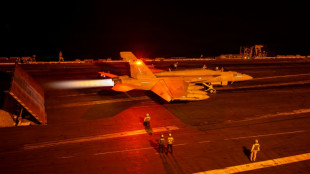 Signs point to renewed major US military ops against Iran
-
Shiffrin sidesteps slalom in 'exploration' season

-
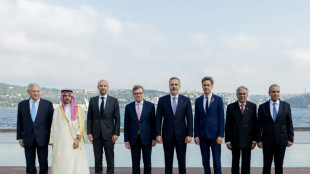 European, Mideast foreign ministers push peace and diplomacy at Istanbul talks
-
Bayern Munich coach Kompany in hospital after collapsing: club

-
 Ex-All Black centre Williams undergoes 'miracle' heart surgery
-
Alonso sees Courtois similarities in Chelsea's Penders

Beijing's new Taiwan playbook
Beijing's military machinery and political ambitions have moved it closer to a point where it could attempt to seize Taiwan by force. Decades of double‑digit defence spending have yielded advanced amphibious assault vessels, fleets of hypersonic and ballistic missiles and an air force that can saturate airspace around the island. Naval analysts note that the People’s Liberation Army Navy’s new Type 054B guided‑missile frigates incorporate artificial‑intelligence‑enabled sensors to improve anti‑submarine warfare and fleet air defence and can undertake long‑range escort missions. Dozens of civilian‑flagged research vessels, operating under the cover of scientific exploration, have spent years mapping the seabed across the western Pacific and as far afield as Guam and Hawaii to improve Chinese submarine navigation and to erode the United States’ traditional advantage in undersea warfare. Expanded missile launch infrastructure in Xinjiang, featuring scores of launch pads, is intended to increase the survivability of China’s land‑based nuclear forces.
Yet despite these capabilities, Beijing has shown little appetite for a near‑term invasion. A recent threat assessment by the United States’ intelligence community concluded that Chinese leaders do not currently plan to execute an invasion by 2027 and lack a fixed timetable for unification. Taiwan’s defence ministry concurs that China’s build‑up is relentless but emphasises that deterrence, rather than assumptions about invasion windows, will shape Beijing’s calculations. Analysts argue that a war would trigger unprecedented economic costs. Taiwan’s semiconductor industry underpins global technology supply chains and about a fifth of world trade transits the Taiwan Strait. Any conflict that closed this artery would reverberate through financial markets, manufacturing and energy supplies. Even without U.S. intervention, Chinese leadership would risk social stability at home if a miscalculated assault stalled or provoked severe sanctions.
Against this backdrop, Beijing has refined what some analysts describe as a grey‑zone strategy — a web of coercive measures designed to wear down Taiwan’s morale and manoeuvre it towards “reunification” without firing a shot. People’s Liberation Army aircraft entered Taiwan’s air defence identification zone more than three hundred times a month after William Lai’s 2024 election, only for the number of incursions to fall sharply in 2026 as planners redistributed sorties to training and maintenance. China’s coast guard now conducts routine multi‑ship patrols in the restricted waters around Kinmen and Pratas, two Taiwanese‑administered archipelagos close to the mainland, to normalise jurisdictional claims and erode Taiwan’s threat awareness. As part of the large‑scale “Strait Thunder 2025A” and “Justice Mission 2025” exercises, the People’s Liberation Army practised cutting power and blockading Taiwan’s liquefied natural gas terminals — a rehearsal for imposing energy strangulation during a future crisis.
Energy insecurity is a key prong of Beijing’s hybrid approach. Taiwan imports around 97 percent of its energy, with liquefied natural gas accounting for roughly half of electricity generation. When war in Iran temporarily choked off shipments through the Strait of Hormuz earlier this year, Chinese‑language social media channels flooded TikTok and Xiaohongshu with ominous videos claiming Taiwan’s gas reserves would expire within a fortnight and extolling “peaceful unification” as the only remedy. Officials from the Taiwan Affairs Office even offered to supply electricity and gas from the mainland as soon as Taiwan surrendered its sovereignty. Taiwan’s government countered by publicising the diversification of its imports, increasing strategic reserves and conducting joint navy‑coast‑guard drills to escort fuel tankers through potential blockades. Such moves aim to reassure citizens and blunt the psychological impact of Beijing’s energy narratives.
Political infiltration forms another component of the grey‑zone campaign. Beijing has long supported parties in Taiwan that advocate a looser relationship with the mainland, but recent cases show a willingness to back actors whose public stance on unification is ambiguous. Taiwanese courts convicted a former spokesperson for the Taiwan People’s Party (TPP) after she accepted funds from Chinese handlers and provided contact lists of government agencies. Investigators say the case is not isolated: election interference and covert recruitment have targeted both the centrist TPP and elements of the governing Democratic Progressive Party (DPP). At the international level, Chinese diplomats persuade or pressure host governments to label Taiwan as a province of China; Taiwan stayed away from this year’s World Trade Organization ministerial in Yaoundé after delegates were issued documents bearing that designation.
This cognitive warfare extends to culture and education. President William Lai has warned that video‑sharing platforms may be used to cultivate the notion that Taiwanese and mainland Chinese people are “one family” and to foster resignation towards annexation. His administration has banned certain Chinese apps from public‑sector devices and proposed curriculum changes to strengthen civic identity and debunk disinformation. Opinion polls still show a solid majority of Taiwanese identifying as Taiwanese rather than Chinese, suggesting that Beijing’s narrative campaigns have yet to shift the island’s self‑perception.
While China deploys these non‑military tools, Taiwan is struggling to adapt its defence posture. The DPP has proposed a special budget worth around US$40 billion to procure hundreds of thousands of unmanned systems, develop an integrated air and missile defence network and fund the domestic arms industry. Opposition parties controlling the legislature have delayed the budget, preferring a smaller package focused on conventional platforms such as artillery and anti‑tank missiles. Delays threaten to slow deliveries of High Mobility Artillery Rocket Systems, self‑propelled howitzers and anti‑tank weapons from the United States. At the same time, Taipei is investing in its first domestically built submarine and plans to upgrade two Dutch‑built boats from the 1980s. Such measures are meant to raise the cost of aggression and complicate any blockade.
Elsewhere in the region, countries are recalibrating their own strategies in anticipation of cross‑strait tensions. Japan has acquired Tomahawk cruise missiles from the United States and is modifying its destroyers to carry them, signalling a shift towards a counter‑strike doctrine that can threaten missile launch platforms on the Chinese coast. The Philippines and Japan have agreed to step up military intelligence sharing and have begun negotiating a boundary in their overlapping exclusive economic zones east of Taiwan. Manila is seeking Japanese anti‑submarine destroyers and anti‑ship missiles to bolster its navy. Such cooperation, alongside the United States’ continued security commitments under the Taiwan Relations Act, suggests that any attempt by Beijing to seal off the island would face a more coordinated regional response.
Seen together, these developments reveal why Beijing may perceive hybrid coercion as “something better” than a risky assault. China’s ability to project force across the Taiwan Strait has improved markedly, but its leaders recognise that a failed invasion would jeopardise economic growth and political legitimacy. By combining military modernisation with psychological operations, energy leverage, political interference and calibrated maritime pressure, Beijing hopes to corrode Taiwan’s will and convince its citizens that unification is inevitable. Whether this strategy succeeds will depend on Taiwan’s resilience, the cohesion of its democratic institutions and the willingness of regional partners to deter aggression. For now, the contest remains a test not of who can fire the first shot, but of whose vision for the island’s future will ultimately prevail.
Brazil's trade-war boom
Hormuz Shock Risk rising
Iran lifts Dollar, sinks Euro
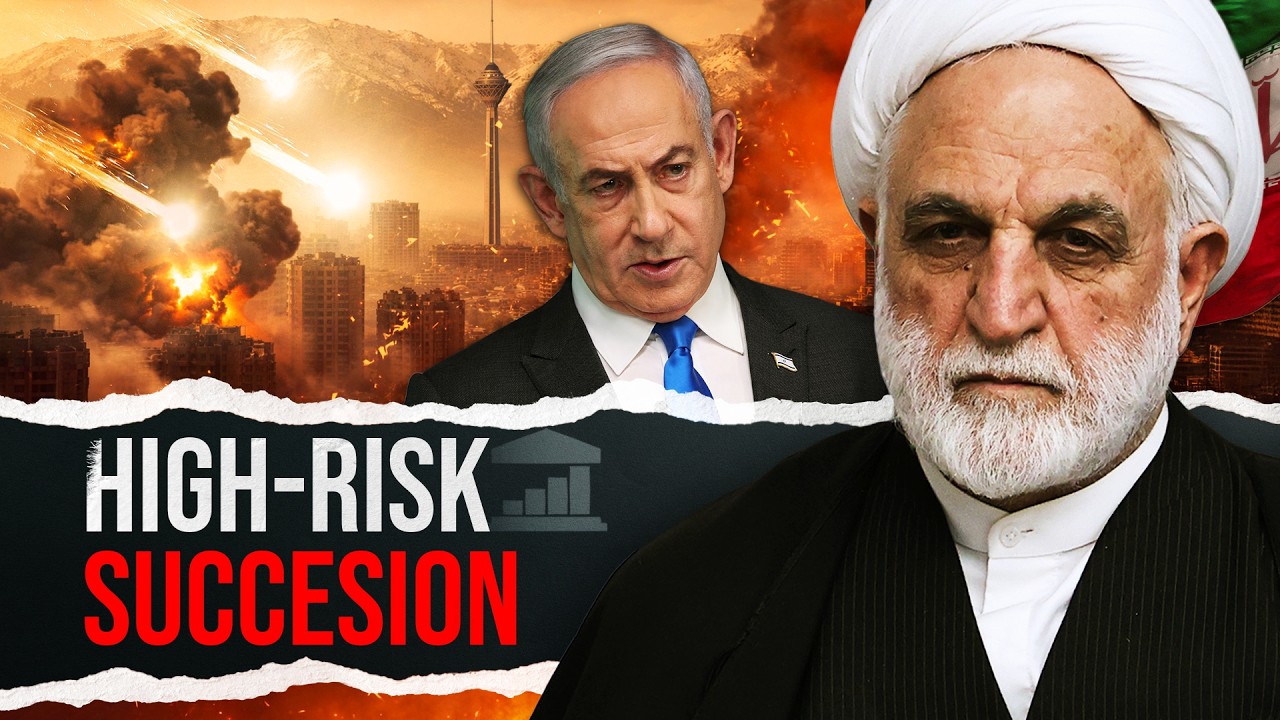
Israel presses Tehran
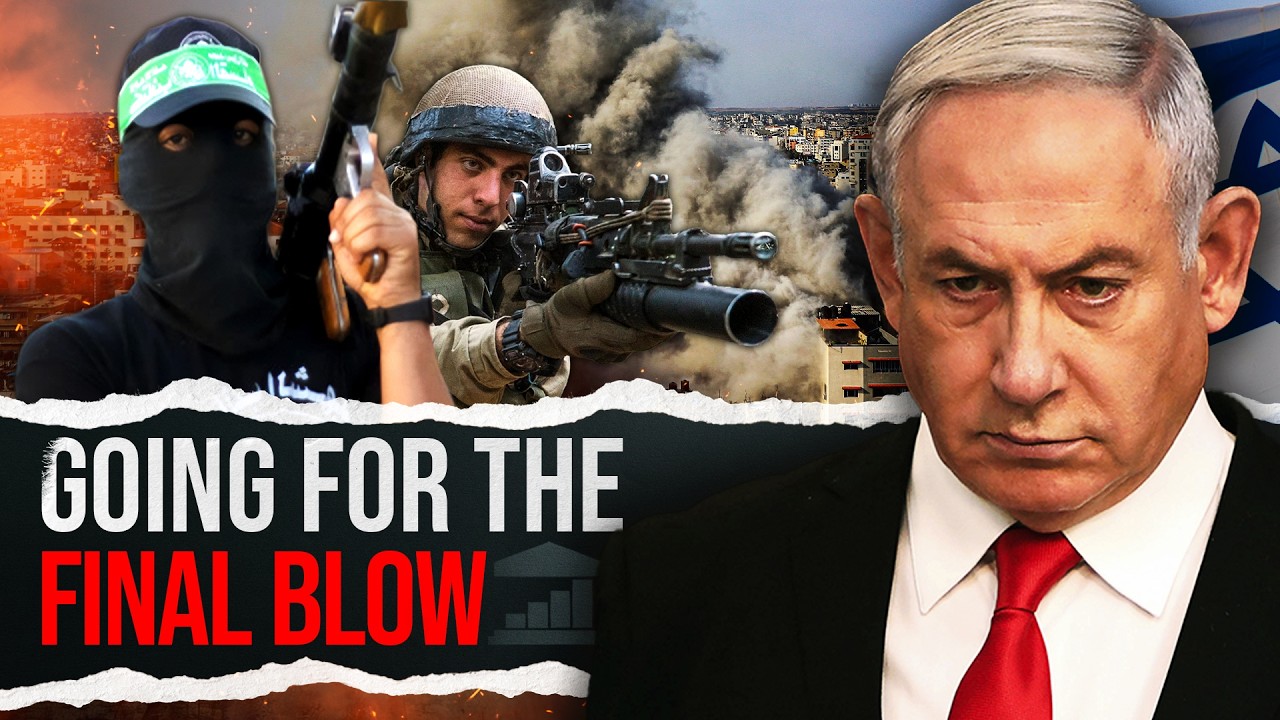
Is that Israel's final blow?
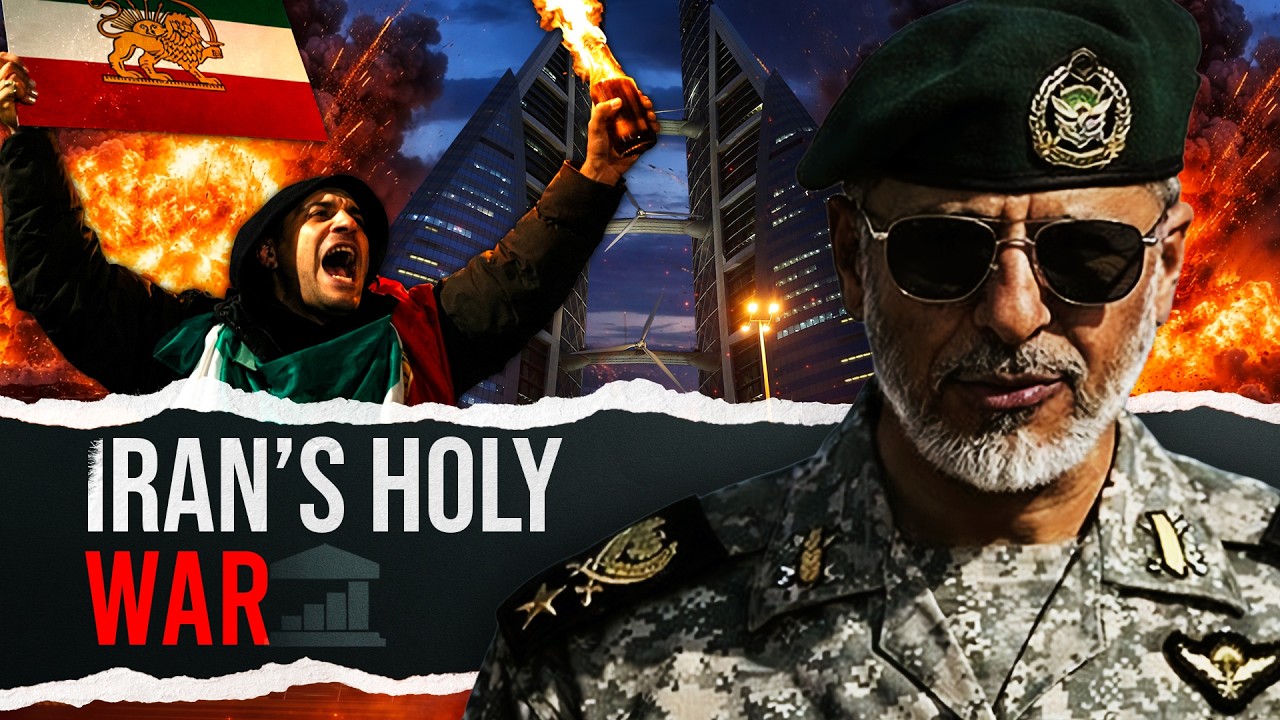
Iran and the holy War risk
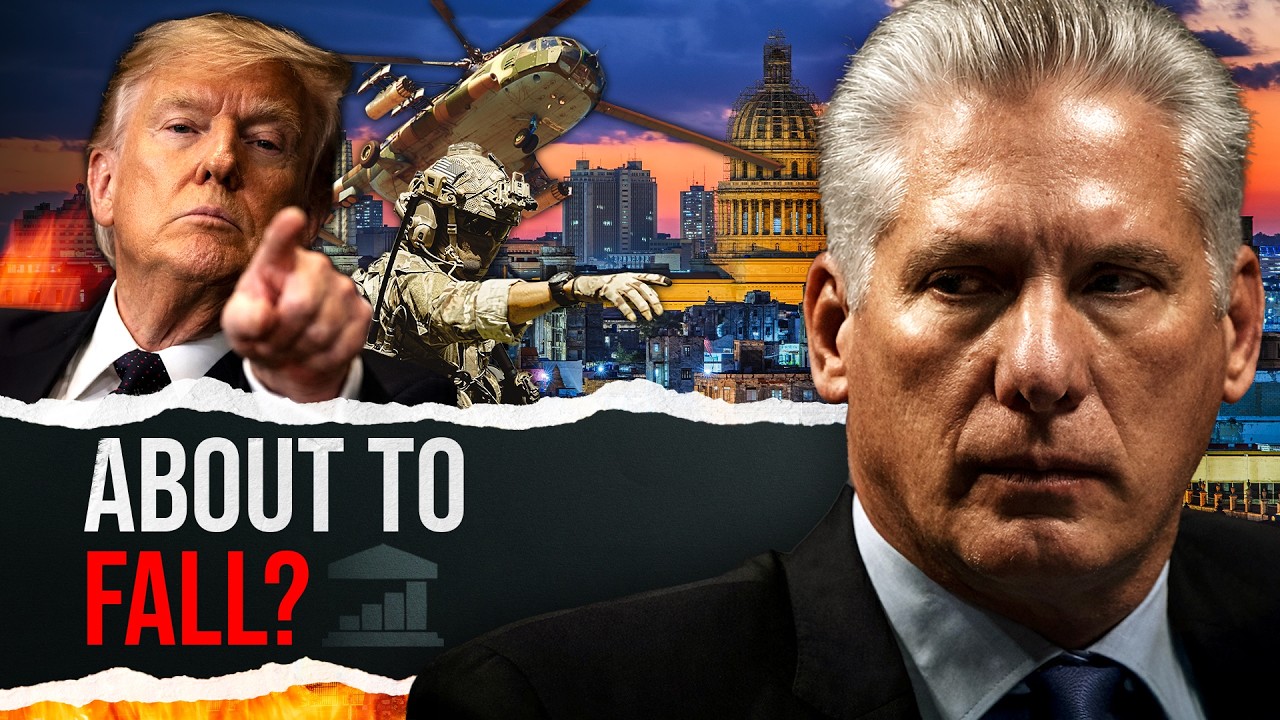
Cuban regime nears collapse
No red lines: Israel vs Iran
30 Days to Save the Economy?
Iran-War and dangerous Lines

BlackRock fund freeze panic