-
 Barca skipper Raphinha out against Getafe and Galatasaray
-
Djokovic crashes out of Shanghai Masters in his first match
-
 MEXC and Payward Highlight Collaboration as Crypto and TradFi Converge at TOKEN2049
-
EU says Turkey's crackdown on rights hampers membership bid
-
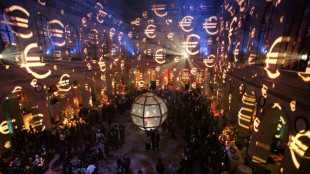 EU states agree beefed-up European financial markets watchdog
-
Two Renoir paintings stolen in France recovered: mayor

-
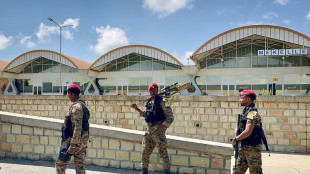 Eritrea, Ethiopia trade barbs as Tigray rebels retreat
-
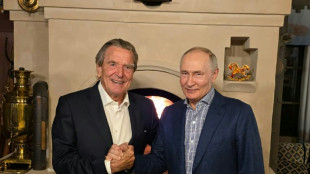
German leader outraged at Schroeder birthday visit to Putin
-
 Kompany 'proud' of Man City success despite guilty verdict
-
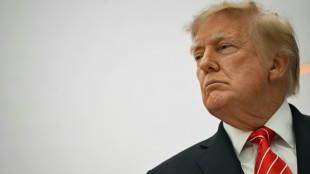
Stocks up, oil retreats as Trump rules out pre-vote Iran attack
-
 Man City will win appeal over financial charges, says Maresca
-
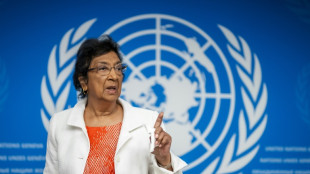
South African judge Navi Pillay wins Nobel Peace Prize
-
 Fernandez logs record lap at Indonesia MotoGP practice
-
'I completely trust the club,' says Man City boss Maresca

-
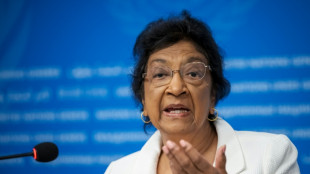 Navi Pillay: S.Africa's global rights activist and Nobel winner
-
'10 out of 10' Quintana reminisces over dream Vuelta win

-
 Ufunded Launches “Spotlight” Series, Documenting the Minds Shaping Modern Trading
-
Maddinson given shock recall but fails to score
-
 Russell goes fastest in practice for smoggy Singapore GP
-
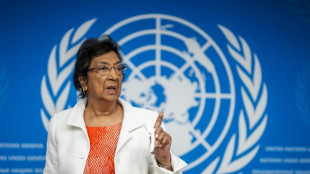
Navi Pillay, South African rights champion, wins Nobel Peace Prize
-
 For exiled Russian director Zvyagintsev, triumph without belonging
-
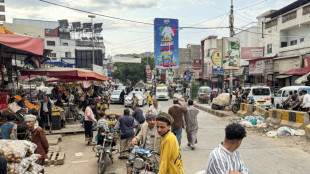
Saudi Arabia says three killed at airport as Yemen war expands
-
 Home hope Zheng storms into China Open semi-finals
-
Everton's US owners mull sale of club two years after takeover
-
 Zverev churns out win in Shanghai Masters opener
-
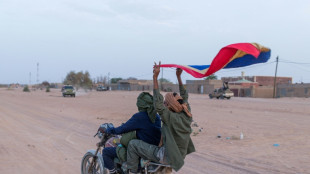
Ukraine takes Russia fight to 'scorching sands' of Sahel
-
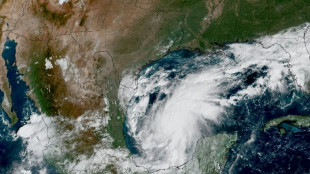 Hurricane Isaias strengthens en route to US Gulf Coast
-
Chinese AI tool pulled to prevent 'misuse' after South Korea hacks
-
 US activists deploy poll volunteers over Trump intimidation fears
-
Asian stocks mostly up as traders weigh AI, oil dips after surge
-
 Saint Laurent designer Vaccarello leaves after glittering decade
-
Walking through flames: orangutans rescued in Indonesia fires

-
 'Tough to stay here': Nepal flood survivors wait for homes
-
LeBron shines in pre-season debut for re-tooled 76ers

-
 Malaysia closes schools in capital, parts of country due to haze
-
Okinawa resolution calls for revision of US forces pact after murder

-
 Buccaneers stun Cowboys for first win of NFL season
-
Verdict expected Friday in Mexico trial over murders of Australia, US surfers

-
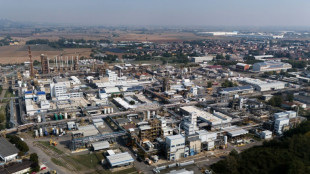 Activists hope trial will stop 'forever chemicals' at Italy plant
-
New York mayor says asking Trump to withdraw ICE after shooting

-
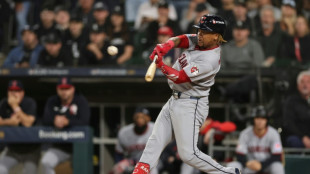 Guardians rally for 9-5 victory over White Sox to stay alive in MLB playoffs
-
Walking through flames: orangutan rescued in Indonesia fires

-
 Asian stocks mixed amid AI concerns, oil dips after surge
-
James shines in pre-season debut for re-tooled 76ers

-
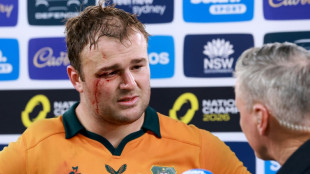 Wallabies expect fast-paced All Blacks in Bledisloe opener
-
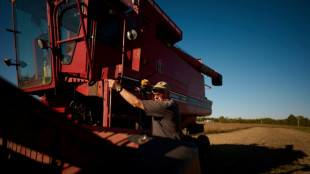
Fuel, fertilizer costs strain US farmers' support for Republicans in midterms
-
 Tech scammer Elizabeth Holmes focus of documentary by absurdist Nathan Fielder
-
Trump's 'super intelligence' rebrand to sell AI faces uphill battle
-
 Climate hopes shift from politics to the courts
-
Fiji demands US provide evidence Chinese official paid bribes for Beijing
Iran lifts Dollar, sinks Euro
To say the dollar is crushing the euro sounds like tabloid economics. Yet the first full geopolitical stress test of 2026 has produced exactly the directional result implied by that phrase. Money is again flooding toward the U.S. currency while the euro is being repriced against a harsher reality: Europe remains more vulnerable to imported energy shocks, trade disruption and slower growth than the United States.
By the end of the first week of March, EUR/USD was trading around 1.16, the dollar index was back near 99, and oil had surged above $90 a barrel as traders priced a wider Middle East disruption. That is not a historic collapse of the single currency. It is, however, a decisive reminder of how quickly markets still fall back into the old hierarchy when fear becomes the dominant force.
Iran is central to that hierarchy test, not because its economy sets the global reserve system, but because it sits at the junction where sanctions, energy flows, shipping lanes and regional war all collide. Internally, the country has been living through a severe monetary breakdown. The rial plunged to roughly 1.5 million to the dollar earlier this year, protests erupted, and the state’s response deepened the atmosphere of repression and uncertainty. Externally, every escalation connected to Iran forces markets to reprice the cost of moving oil, gas, cargo and capital.
The Strait of Hormuz is the critical mechanism. Roughly 20 million barrels a day of oil and about a fifth of global LNG trade move through that narrow channel. Any threat there instantly travels through crude contracts, gas benchmarks, marine insurance, tanker availability and inflation expectations. Europe does not have to be the largest direct buyer of Hormuz crude to be hit hard. It is enough that Europe is the more energy-sensitive, more import-dependent, and more politically fragmented economic bloc.
That vulnerability is now colliding with a euro area that was improving, but still far from robust. Inflation in February edged back up to 1.9 percent. Output in the fourth quarter of 2025 rose just 0.2 percent. The ECB’s own baseline for 2026 is growth of 1.2 percent. Those are not the numbers of an economy built to absorb a prolonged external energy shock without political or financial strain. If fuel, gas and freight costs remain elevated, the euro area is pushed back toward the policy trap that haunted it after 2022: softer activity, stickier prices, and a currency market that demands a discount for both.
The logistics channel makes the shock even broader than the oil story suggests. Trade between Asia, the Gulf and Europe is already being rerouted or repriced. Airfreight costs on Asia-Europe lanes have jumped sharply. Shipping delays, war-risk premiums and booking suspensions are beginning to feed through supply chains. That matters for Europe because the euro is not merely a currency. It is the price label attached to an industrial and consumer economy that still depends on long, vulnerable trade arteries.
The United States is not immune. Higher oil prices, tighter freight and nervous markets will still hit American households and businesses. But the U.S. enters this episode with a different energy position, deeper domestic capital markets and a far greater capacity to attract crisis money. In other words, the same shock that raises inflation risk can also increase demand for the currency in which that shock is being hedged. That is a privilege the euro still does not fully share.
This is why the phrase “monetary order” is not exaggerated. The international order is not defined only by speeches about multipolarity or by occasional non-dollar trade settlements. It is defined by what investors, banks, commodity traders, insurers and central banks actually do when a geopolitical shock threatens liquidity. They reach for the currency that dominates settlement, collateral, sovereign debt markets and emergency funding. They reach for the dollar.
Even the reserve data tells a more sober story than the rhetoric around de-dollarization. Diversification is real, but it remains gradual rather than revolutionary. In the latest IMF reserve snapshot for 2025’s second quarter, the dollar still accounted for 56.32 percent of allocated foreign-exchange reserves. The euro stood at 21.13 percent. That is a meaningful role for the single currency, but it is not monetary parity. And when a live geopolitical shock erupts on the edge of the world’s most important energy corridor, that gap becomes political as well as financial.
Iran’s turmoil sharpens the lesson. A collapsing currency is not just an economic symptom. It is a measure of shrinking state credibility. The more households and firms in Iran think in dollars, gold or foreign stores of value, the less authority the rial has as a unit of account, a store of value and a symbol of sovereignty. Sanctions then do more than cut revenue; they tighten the external constraints around a country whose domestic money is already losing legitimacy. That is why chaos in Iran can radiate into the wider monetary system without Iran ever becoming a reserve-currency power itself.
There is also a strategic irony here. For years, the most confident forecasts of a post-dollar world assumed that repeated sanctions, geopolitical fragmentation and alternative payment channels would steadily weaken America’s monetary primacy. Yet in the current crisis, the opposite short-term effect has emerged. The harsher the fear, the more the market reverts to dollar behavior. That does not invalidate the long debate over a more multipolar currency future. It simply proves that the future has not arrived yet.
For Europe, the conclusion is uncomfortable but unavoidable. The euro cannot become a true equal to the dollar on institutional elegance alone. It needs faster and more durable growth, deeper capital markets, more unified fiscal capacity, and an energy system that is far less exposed to external shocks. Until those foundations are stronger, every major geopolitical disruption will tell the same story: the dollar gathers panic, the euro absorbs vulnerability.
For markets, the next chapter depends on duration. If the conflict is contained, shipping stabilizes and energy infrastructure avoids further damage, part of the dollar’s new crisis premium can evaporate. But if Hormuz remains constrained, if Gulf export capacity is knocked back further, or if sanctions and retaliation intensify, the euro will face a far tougher test. In that world, a move toward much lower euro levels would stop being a speculative talking point and start becoming the working assumption of 2026.
So the slogan is dramatic, but the underlying verdict is real. The dollar is not obliterating the euro. It is, however, beating it decisively in the one contest that still defines the system when panic strikes: the market’s instantaneous vote on which currency can carry fear. Chaos in Iran has not created a new monetary order. It has exposed, with uncomfortable clarity, how much of the old one still survives.
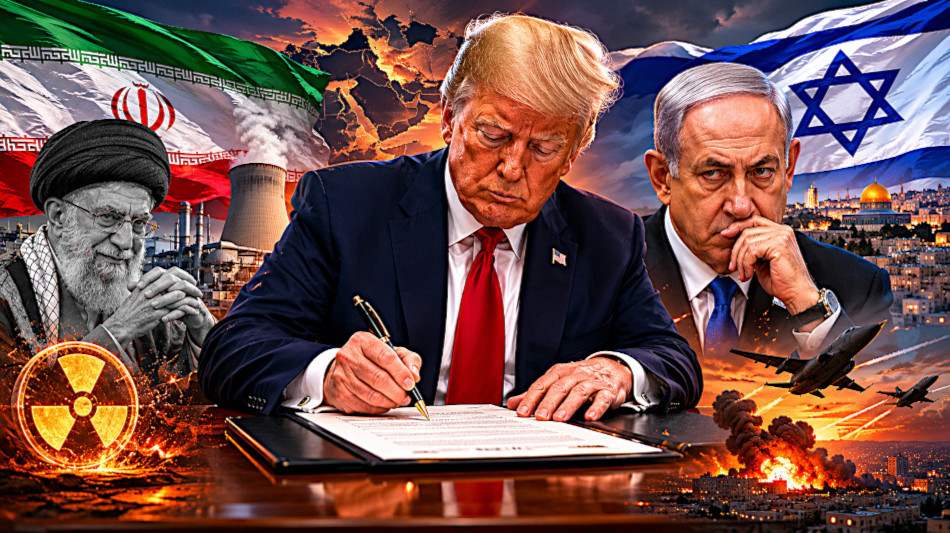
Israel riled by US-Iran pact
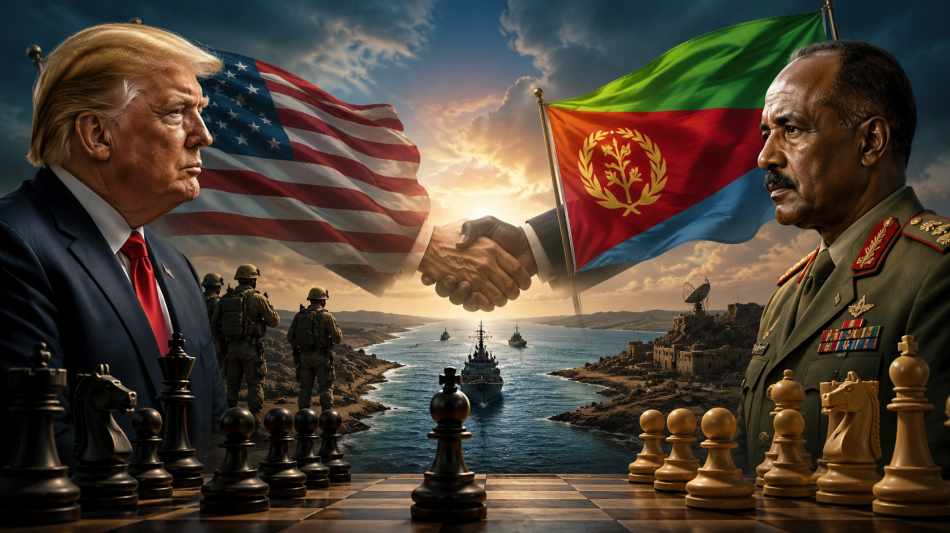
Red sea gambit with Eritrea
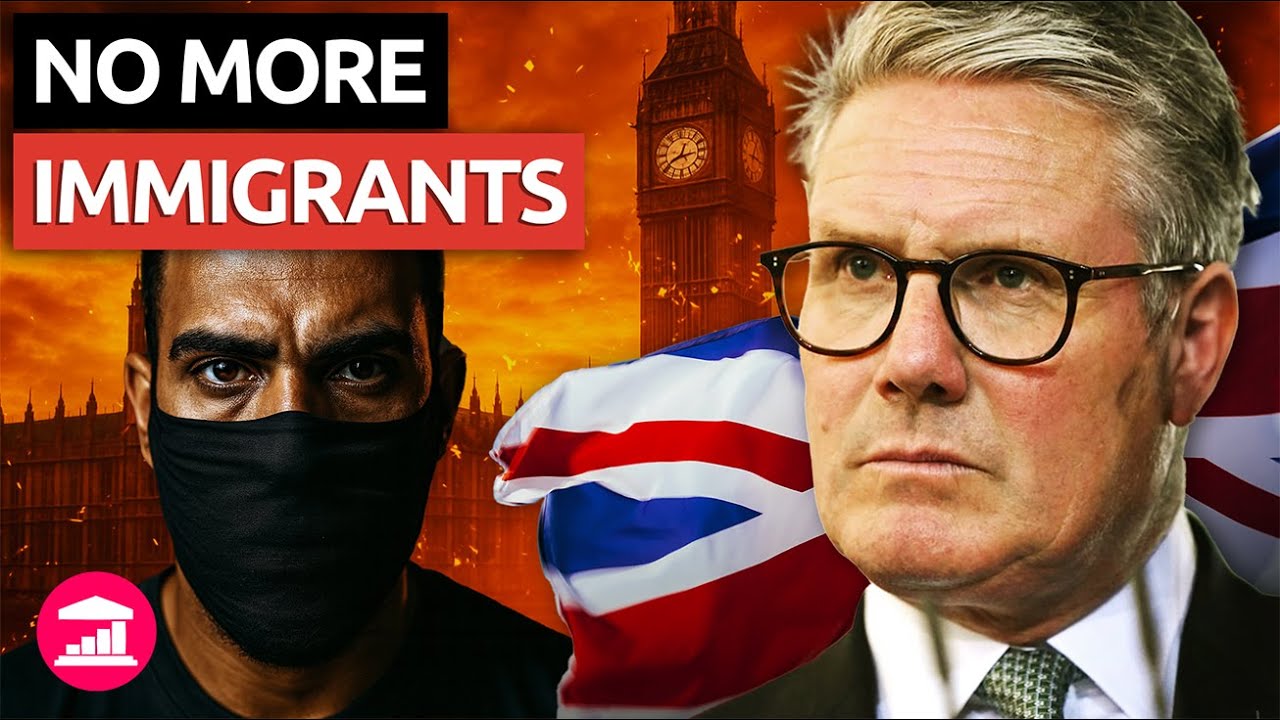
United Kingdom vs Immigration
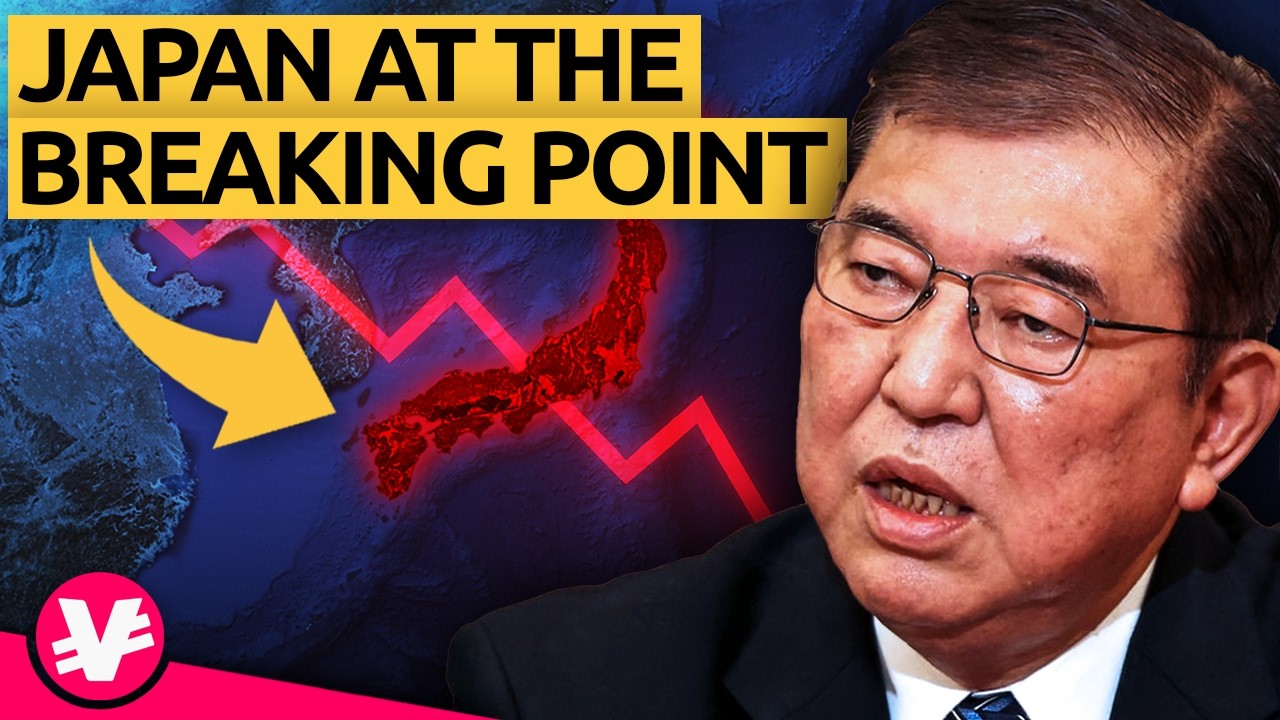
Japan's financial precipice

COSTCO profits from Fees
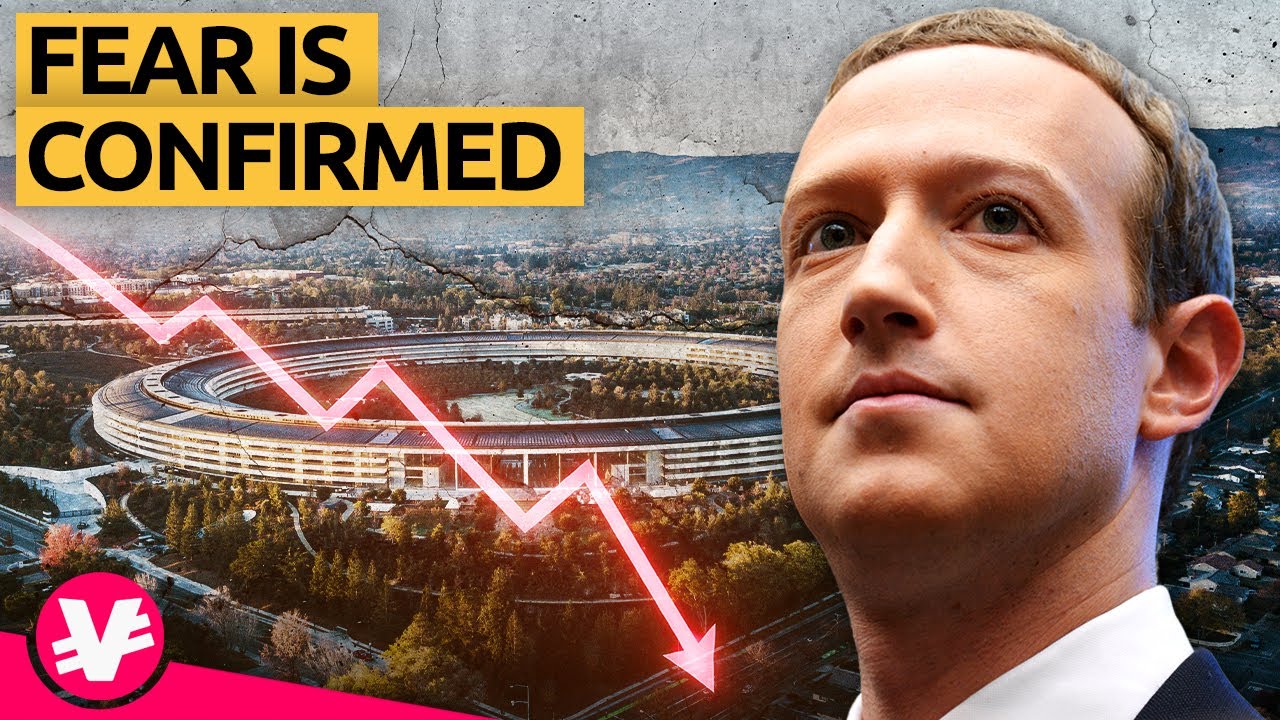
AI bust: Layoffs & Rent surge
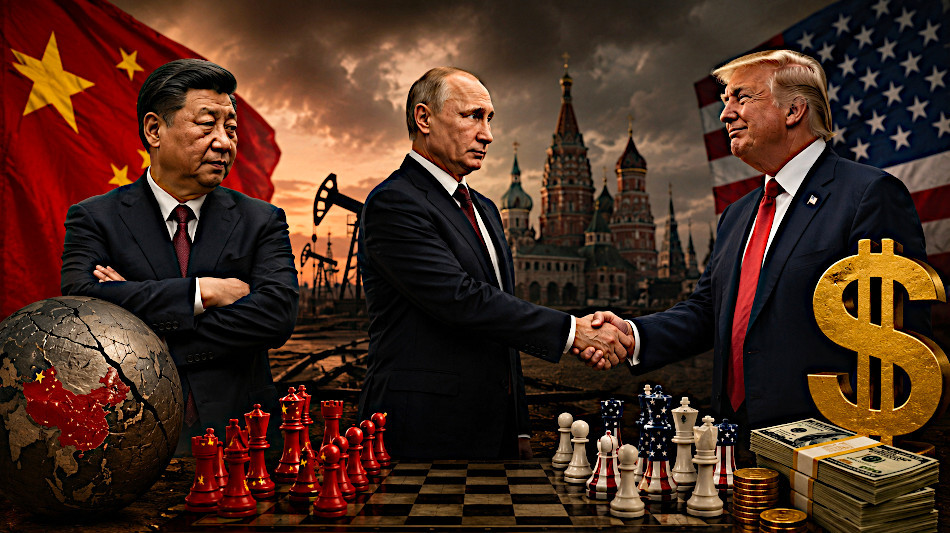
Russia’s dollar pivot
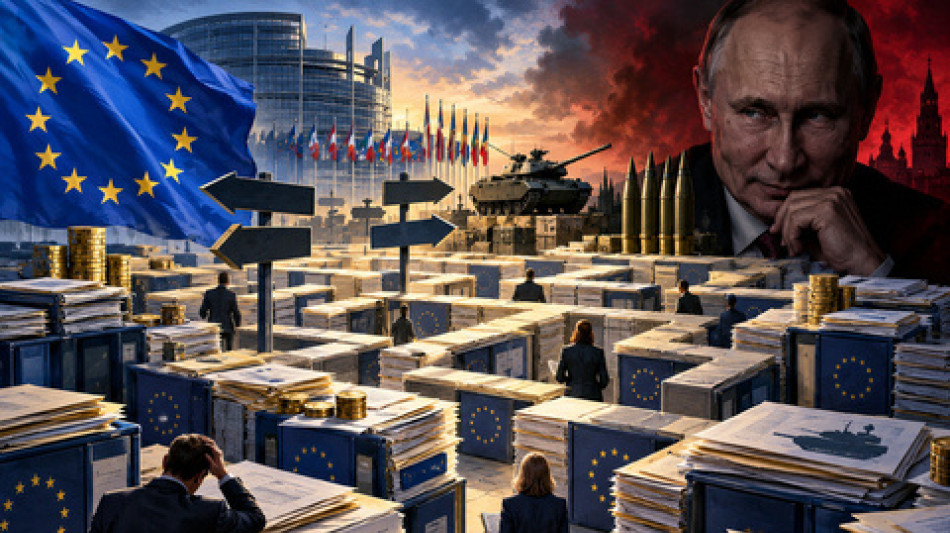
Europe’s arms money maze
Studio Kremlin: creative co-working in Paris
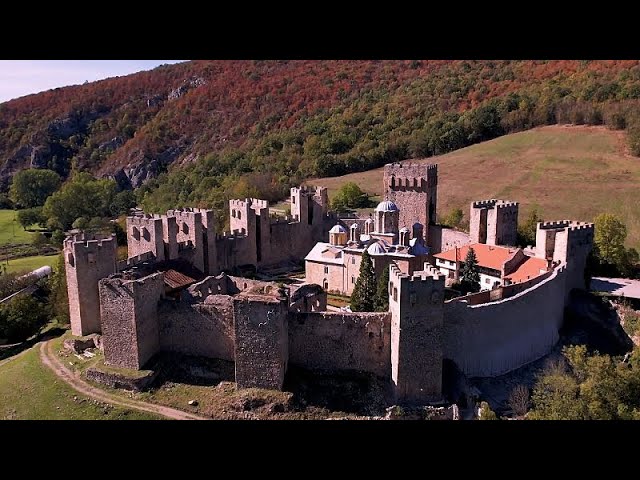
Culture: Serbia’s architectural marvels

EU Residence permits: Record level to third nationals