-
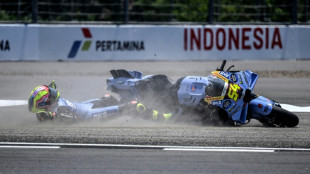 Fernandez logs record lap at Indonesia MotoGP practice
-
'I completely trust the club,' says Man City boss Maresca

-
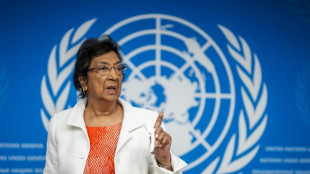
 Navi Pillay: S.Africa's global rights activist and Nobel winner
-
'10 out of 10' Quintana reminisces over dream Vuelta win

-
 Ufunded Launches “Spotlight” Series, Documenting the Minds Shaping Modern Trading
-
Maddinson given shock recall but fails to score
-
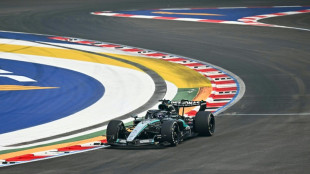 Russell goes fastest in practice for smoggy Singapore GP
-
Navi Pillay, South African rights champion, wins Nobel Peace Prize
-
 For exiled Russian director Zvyagintsev, triumph without belonging
-
Saudi Arabia says three killed at airport as Yemen war expands

-
 Home hope Zheng storms into China Open semi-finals
-
Everton's US owners mull sale of club two years after takeover
-
 Zverev churns out win in Shanghai Masters opener
-
Ukraine takes Russia fight to 'scorching sands' of Sahel

-
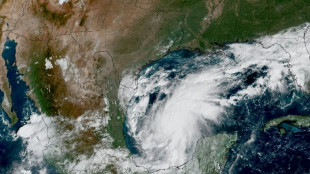 Hurricane Isaias strengthens en route to US Gulf Coast
-
Chinese AI tool pulled to prevent 'misuse' after South Korea hacks

-
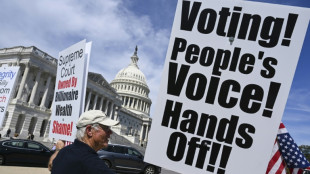 US activists deploy poll volunteers over Trump intimidation fears
-
Asian stocks mostly up as traders weigh AI, oil dips after surge
-
 Saint Laurent designer Vaccarello leaves after glittering decade
-
Walking through flames: orangutans rescued in Indonesia fires

-
 'Tough to stay here': Nepal flood survivors wait for homes
-
LeBron shines in pre-season debut for re-tooled 76ers

-
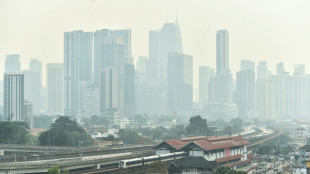 Malaysia closes schools in capital, parts of country due to haze
-
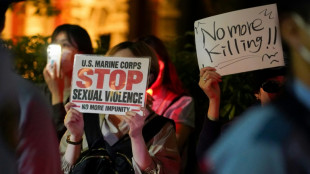
Okinawa resolution calls for revision of US forces pact after murder
-
 Buccaneers stun Cowboys for first win of NFL season
-
Verdict expected Friday in Mexico trial over murders of Australia, US surfers
-
 Activists hope trial will stop 'forever chemicals' at Italy plant
-
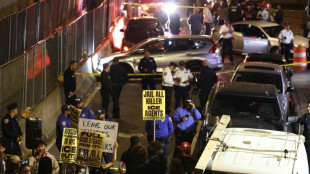
New York mayor says asking Trump to withdraw ICE after shooting
-
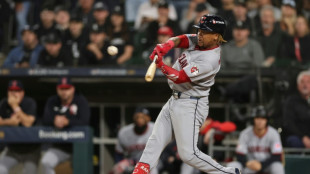 Guardians rally for 9-5 victory over White Sox to stay alive in MLB playoffs
-
Walking through flames: orangutan rescued in Indonesia fires

-
 Asian stocks mixed amid AI concerns, oil dips after surge
-
James shines in pre-season debut for re-tooled 76ers

-
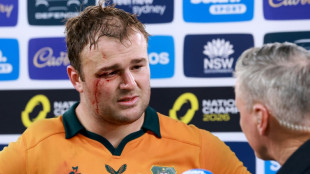 Wallabies expect fast-paced All Blacks in Bledisloe opener
-
Fuel, fertilizer costs strain US farmers' support for Republicans in midterms

-
 Tech scammer Elizabeth Holmes focus of documentary by absurdist Nathan Fielder
-
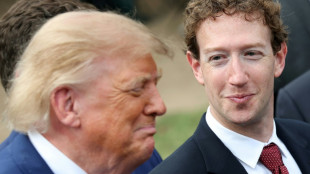
Trump's 'super intelligence' rebrand to sell AI faces uphill battle
-
 Climate hopes shift from politics to the courts
-
Fiji demands US provide evidence Chinese official paid bribes for Beijing
-
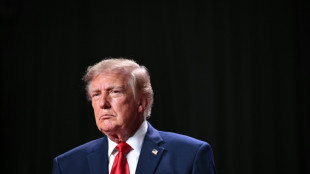 Will Nobel Peace Prize pick make waves at the White House?
-
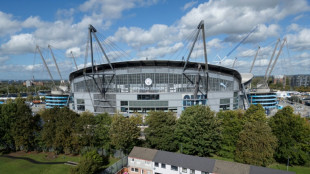
More than just football: How scandal-tainted City led Manchester's rebirth
-
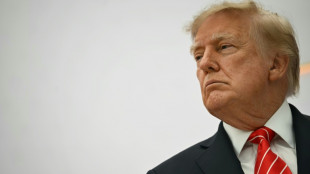 Trump rules out new Iran attack before US midterm elections
-
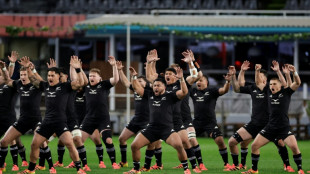
Record Eden Park streak creates tension for All Blacks
-
 Far-right influencer shows Israel's coarse political turn
-
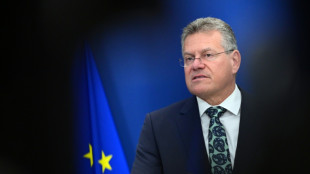
EU trade chief seeks 'tangible outcomes' in China talks
-
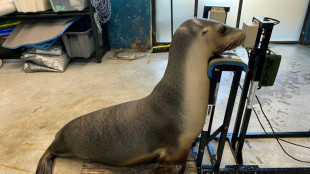 Seals and sea lions get hearing tested at Australia zoo
-
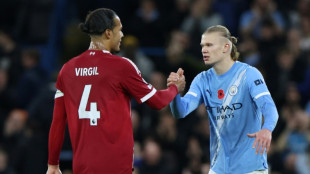
Man City face Anfield cauldron after guilty Premier League verdicts
-
 Mourinho's Real Madrid playing catch-up in Clasico countdown
-
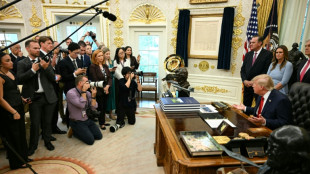
CNN, MS Now, Politico urge judge to extend White House access
-
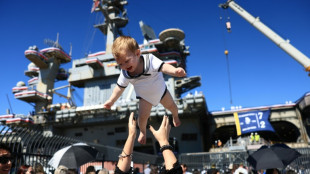 Joy as USS Lincoln back home after troubled Gulf deployment
-
Trump administration to launch new vaccine research center
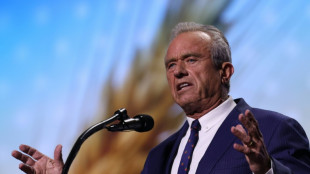
Trump's attack on the Dollar
An unprecedented conflict between the US President and the Federal Reserve is causing unrest on the financial markets. In mid-January 2026, it was announced that the US Department of Justice had issued grand jury subpoenas to the Federal Reserve System. Officially, the investigation concerns allegedly overpriced renovation work on historic administrative buildings, but the chairman of the Federal Reserve, Jerome Powell, stated in a video message that these investigations were being used as a pretext. The threat of punishment was aimed solely at subjugating the Federal Reserve's independent interest rate policy. Powell emphasised that the Federal Reserve fully complies with Congress's statutory oversight rights and called the investigation an unprecedented political interference. He fears that the issue at stake is whether monetary policy is based on data or controlled by political pressure.
Since his return to the White House in January 2025, the US President has repeatedly insulted Powell in a completely questionable manner and urged him to resign. Because the Federal Reserve only lowered interest rates gradually in 2025 and attributed the high inflation largely to the US government's protectionist course, the President increased the pressure. He called the central bank chief a ‘moron’ and a “bonehead” and threatened to sue him for ‘incompetence’. Behind the investigation is the prosecutor he appointed in Washington, who used the renovation costs as a reason to initiate criminal proceedings. According to reports, neither the Attorney General nor her deputy were informed in advance.
Reactions from politicians and experts
The legal offensive sparked sharp criticism across party lines. Several Republican senators made it clear that they would not confirm any nominations to the Federal Reserve Board while the investigation was ongoing. Democratic lawmakers described the move as an attack on the rule of law and a step towards autocracy. They warned that the President wanted to ‘lock up’ the Fed chairman simply because he did not align his interest rate policy with the White House's ideas. Former Fed chairmen and leading economists also warn that this is reminiscent of countries with weak institutions where the government controls the central bank – often with fatal consequences for price stability and the economy. Even market liberals warned that the misuse of criminal prosecution could drive away investors and undermine confidence in the United States.
Internationally, numerous central bankers expressed solidarity with Powell. They pointed out that an independent monetary policy is essential to ensure long-term price stability and a functioning economy. Some observers compared the current developments with authoritarian practices in Turkey or Venezuela, where populist governments attempted to control monetary policy, triggering hyperinflation.
Impact on the financial market
The markets reacted sensitively to the escalation. After the threat of sanctions became known, the US dollar fell significantly against major currencies. The dollar index, which measures the strength of the US currency against a basket of other major currencies, slipped by almost half a percent. The euro rose above 1.16 US dollars, the Swiss franc reached a ten-year high against the US currency, and investors fled to safe havens such as gold and silver. Analysts explained that the threat of losing central bank independence and the prospect of even higher US debt in the future are deterring investors. Gold rose to over $4,600 per troy ounce, and silver prices also reached record highs.
Uncertainty about future interest rate policy caused yields on long-term US government bonds to rise as investors demanded higher risk premiums. At the same time, the stock market initially recorded losses, but technology stocks later supported prices. Some analysts warn that sustained political pressure on the Federal Reserve could lead to higher inflation, capital flight and a depreciation of the dollar. Nomura currency strategists also pointed out that, in addition to geopolitical risks, it is above all the loss of confidence in US monetary policy that is weighing on the dollar.
Possible consequences for the dollar
The president's attacks on the Federal Reserve are not a new phenomenon. Back in 2025, the US currency had already lost significant value following repeated public insults directed at the head of the central bank. Analysts noted that the dollar index posted double-digit losses over the course of the year and that the extreme volatility on the currency markets was linked in particular to attempts to exert political influence on monetary policy. Then, as now, protectionist tariff policies and efforts to force interest rate cuts are driving up inflation. Investors fear that a politically compliant central bank will cut interest rates too sharply, triggering a spiral of inflation.
In addition to domestic political tensions, international factors are also weighing on the US dollar's status as the world's reserve currency. The global community is watching closely to see whether the US will continue to pursue a predictable monetary policy or whether political interests will weaken the reserve currency. If investors withdraw from the dollar on a large scale, alternative reserve currencies such as the euro or the Chinese yuan could gain in importance. Digital central bank currencies could also benefit from this.
Looking ahead ‘for the time being’
Jerome Powell is expected to remain Chairman of the Federal Reserve until the end of his term in May 2026, even though the White House is already sounding out potential successors. If the President appoints a loyal candidate, the Senate could delay the appointment due to ongoing investigations. Some observers believe that Powell – whose term as governor does not end until 2028 – could remain on the board despite the threat of sanctions in order to defend the independence of the central bank.
The coming months will show whether the United States can maintain its traditionally strong central bank independence. The conflict between the president and the Federal Reserve chief is already having a noticeable economic impact and is calling into question confidence in the US dollar as a global reserve currency. Economists warn that an independent monetary policy is a cornerstone of economic stability and must not be sacrificed to day-to-day politics.
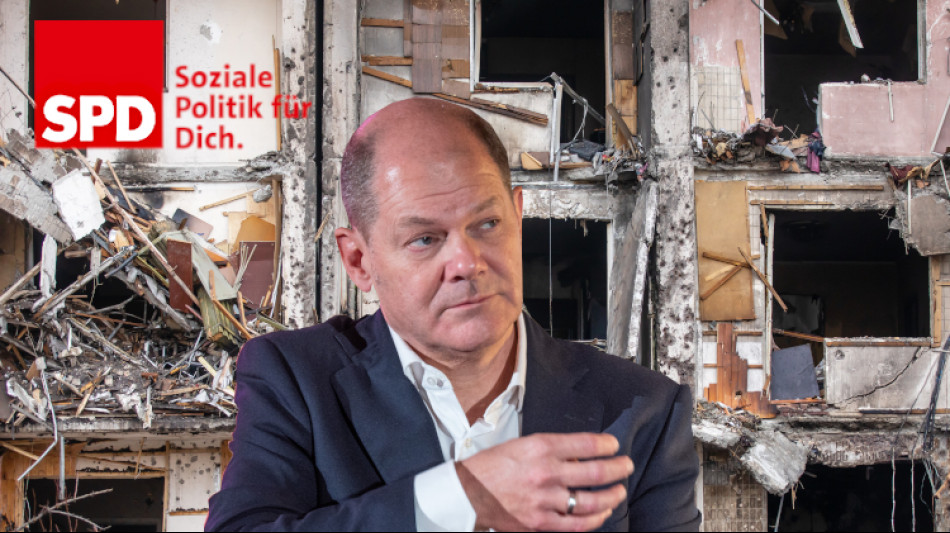
Russian fascists expand terror war in Ukraine - German Chancellor Olaf Scholz does not want to supply heavy weapons, SPD and Russia as an axis of evil?
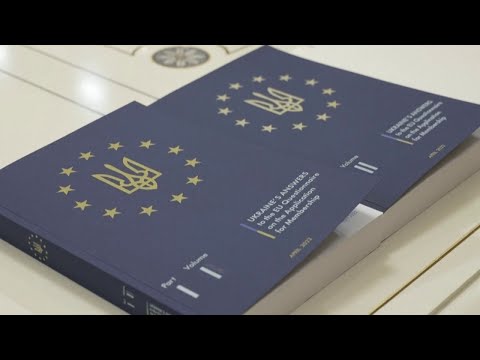
Ukraine soon to be an EU member: Zelenskyy hands over EU questionnaire to kick start membership bid
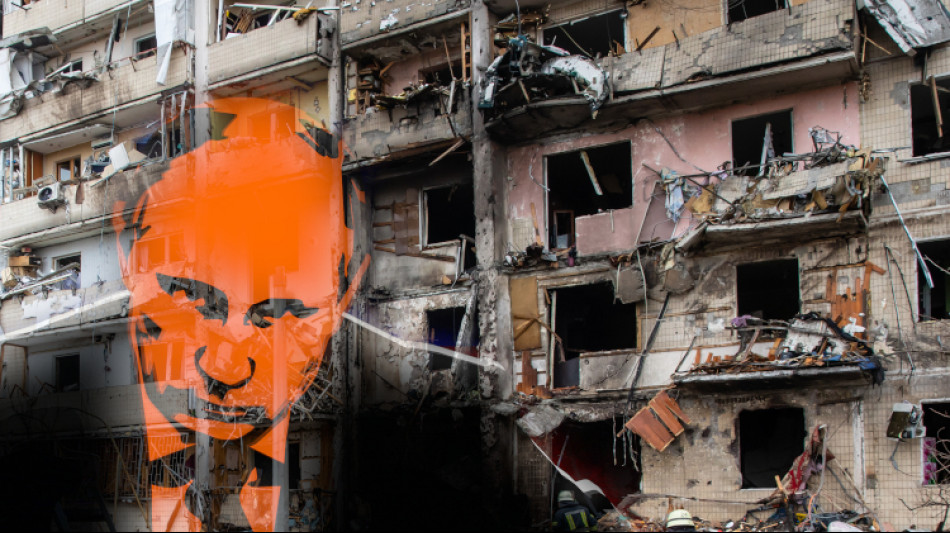
Ukraine: Russia's terror offensive in the Donbas - war criminal Putin honours Butcha Terror Brigade
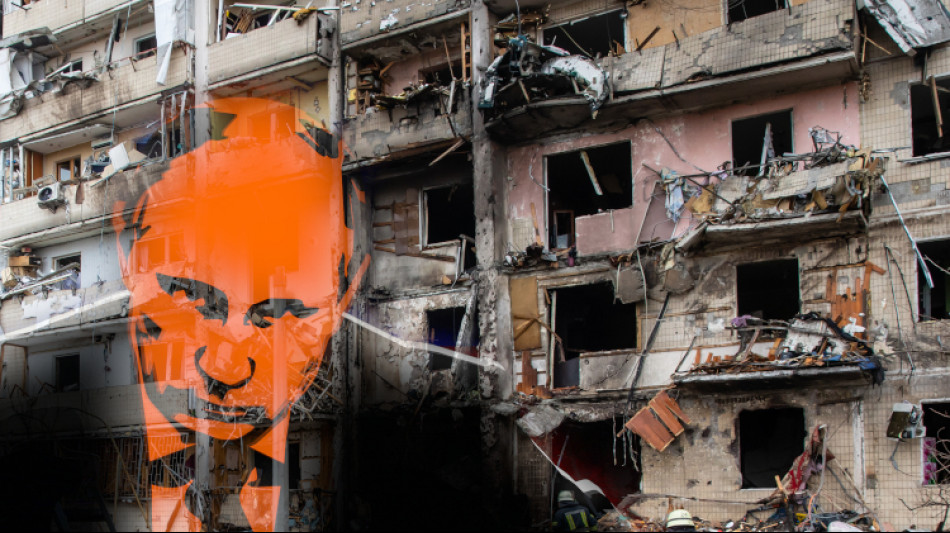
Criminal Russian terror war in Ukraine makes the price of sunflower oil skyrocket

Concern about British fighter allegedly captured by Russian terror-army in Mariupol, Ukraine
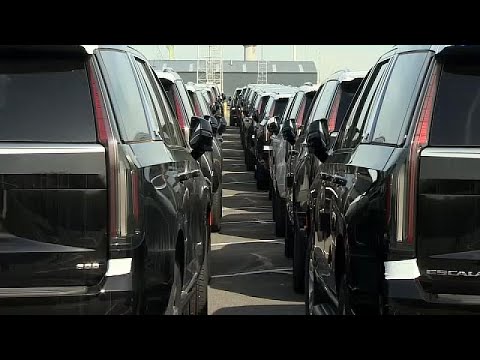
Luxury cars destined for Russia stuck in Belgium due to EU sanctions - No more Western cars for the Russian terror regime
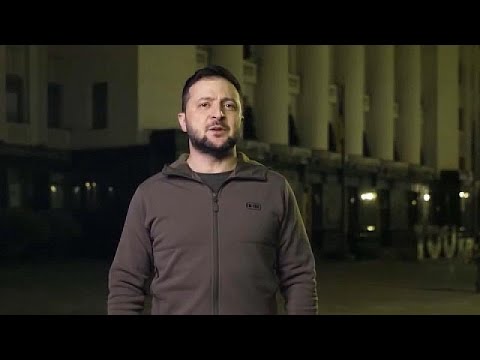
Chancellor Scholz (SPD), wait with oil and gas sanctions until Russia has found new markets, is that the plan of your friend Gerhard Schröder (SPD)

Will Russia's terror flagship "Moskva" sink after being fired upon by Ukraine?

War crime is War crime: Fact-check - Viral mannequin video does not prove Bucha killings were staged
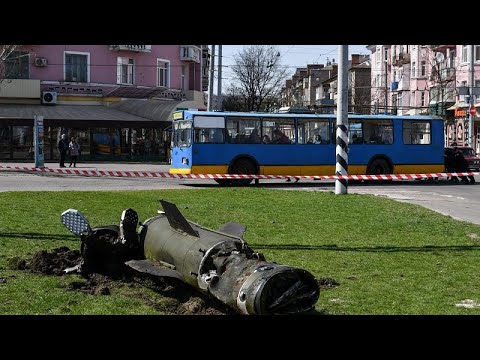
War crime: Cowardly Russian missile attack on Kramatorsk railway station - Selenskyj calls for global response
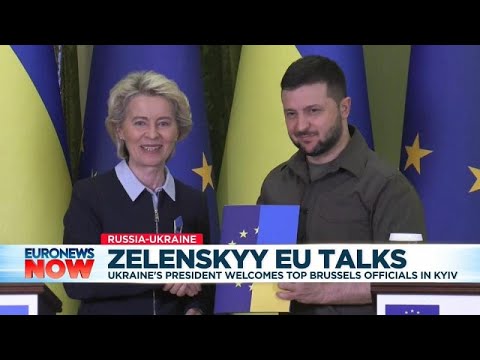
EU Commission President von der Leyen promises Ukraine rapid EU accession in Kiev