-
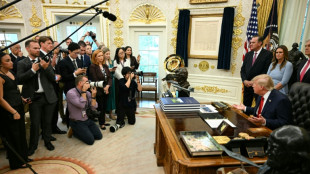 CNN, MS Now, Politico urge judge to extend White House access
-
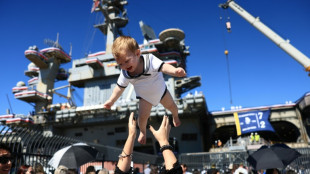
Joy as USS Lincoln back home after troubled Gulf deployment
-
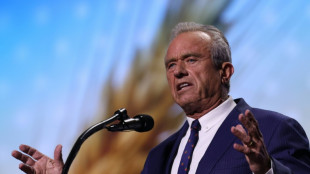 Trump administration to launch new vaccine research center
-
OpenAI says Iran, Russia influence ops busted

-
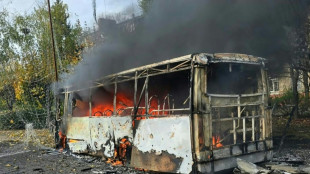 Russian strikes kill 30 in Ukraine frontline city, talks set in US
-
Anthropic bans 'cruel' behavior against its Claude AI
-
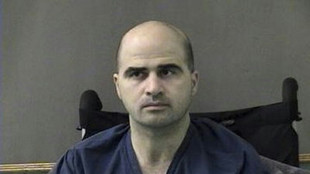 US military to livestream firing squad execution of Fort Hood shooter
-
Anne Carson's Nobel literature prize 'a proud moment for Canada': PM

-
 Aces star Wilson wins record-extending fifth WNBA MVP
-
Montagliani to seek CONCACAF re-election in boost for Infantino: reports
-
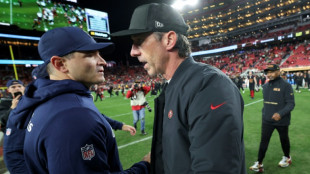 Undefeated 49ers seek Seahawks revenge
-
Oil surges, stocks sink on jitters over US plans in Iran war
-
 Madrid mourns evicted retiree, 'icon' of Spain housing protests
-
John Cena and Jessica Biel hit the gas in 'Matchbox: The Movie'

-
 OpenAI revenue gap report rattles AI stocks
-
US, Ukrainians, Europeans to discuss 'new ideas' to end war
-
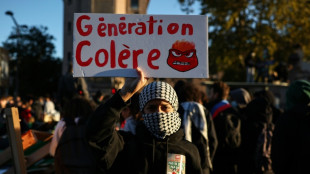 France pledges more teachers after school students vow no let-up
-
Unproven 'cures' pushed online amid plague concerns
-
 Bordeaux confirmed in sixth tier of French football
-
Nigeria looks to ease fuel prices as election looms
-
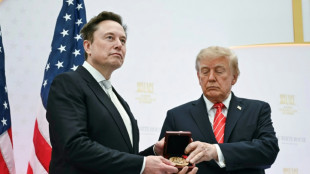 Trump gives 'national treasure' Musk top US medal after rift
-
Prosecutors in Maradona death trial seek sentences up to 12 years

-
 MLB proposes shortening season, reforming playoffs
-
Swiss captain Xhaka gets suspended fine for fake Covid cert
-
 Crew splashes down after 8-month mission on International Space Station
-
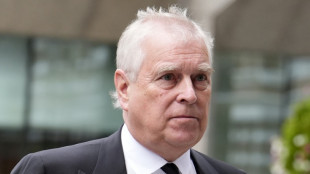
Ex-prince Andrew raid warrants ruled 'unlawful' but UK police maintain probe
-
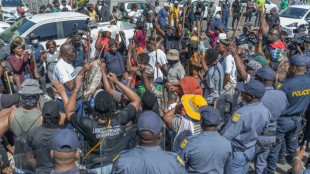 Protests, clashes as S. African anti-migrant tensions reignite
-
Two Latvians arrested inside UK military base: police
-
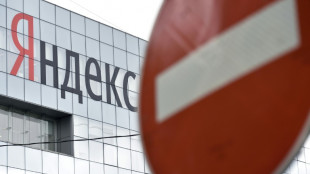 Russian data centre hit by drone in first for Ukraine war
-
Eckert 'forever grateful' for Southampton support over spy scandal
-
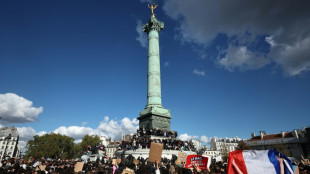 'Fighting for our future': France high school students vow no let-up
-
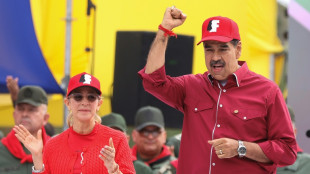
Venezuela's Maduro, wife hit with new US torture charges
-
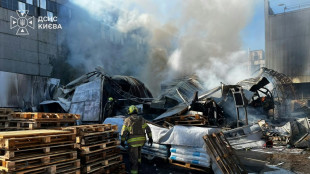 Kyiv entering 'survival' mode amid Russian strikes surge: mayor tells AFP
-
Argentina friendlies no fairy tale for African footballers

-
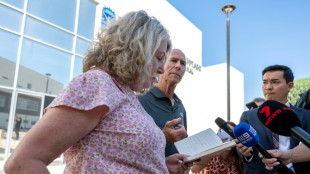 Verdict due in Mexico trial over murders of Australia, US surfers
-
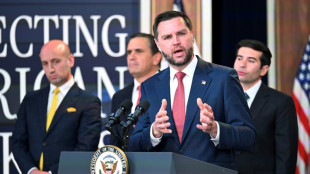
US suspending Microsoft from visa program: Vance
-
 B2PRIME Welcomes Christina Barbash as Commercial Manager
-
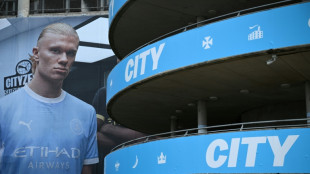
Man City must 'stick together' during crisis, says Haaland
-
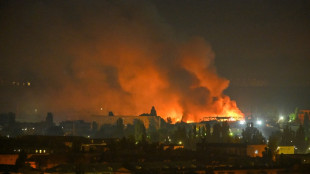 Russia forcing Kyiv into 'survival' mode before winter, mayor tells AFP
-
CAS opens hearing into Senegal AFCON title appeal
-
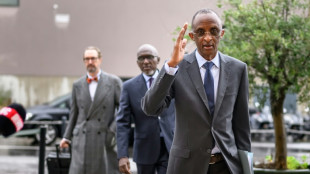
 Closing arguments begin in Maradona death trial
-
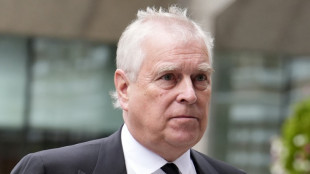
UK police agree searches for ex-prince Andrew's homes 'unlawful': judge
-
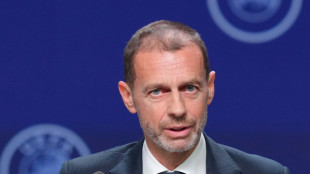 UEFA president Ceferin to stand for re-election in 2027
-
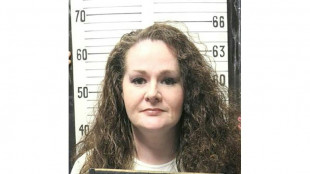
After botched US execution, Christa Pike walking, mentally 'foggy': lawyer
-
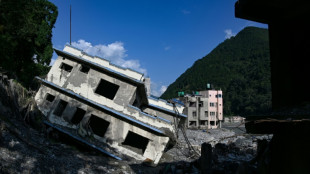 Nearly 300,000 Nepalis at flood risk: study
-
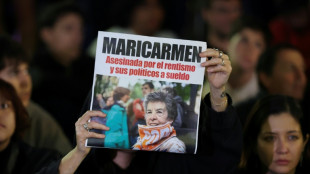
'Stunned' Madrid mourns pensioner who sparked housing protests
-
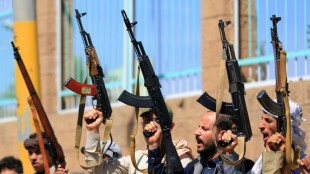 Riyadh kindergarten hit by interception debris as Houthis say targeted airport
-
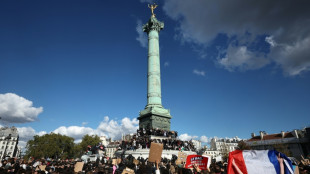
High school students turn out for new protests across France
-
 Alex Bodi mizează, alături de CRIF, pe investiții transparente și pe prevenirea riguroasă a spălării banilor
-
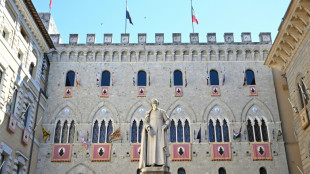
Bid by Italy's Intesa bank to take over MPS gets boost
Venezuela’s economic roadmap
Following the dramatic removal of Nicolás Maduro from power in early January 2026, U.S. President Donald Trump set out a bold vision for Venezuela’s economic transformation. At a press conference after the operation that brought Maduro to U.S. custody, the White House announced that Washington would oversee Venezuela’s recovery, manage its oil sector and steer it toward democracy. The administration’s three‑phase strategy – stabilisation, recovery and transition – is described as an “economic revolution” that will lift the country out of a humanitarian and financial abyss. Critics, however, warn that the plan effectively turns the South American nation into a protectorate and underestimates the scale of the challenge.
Phase 1 – Stabilisation and control
The first phase began immediately after Venezuelan forces loyal to Maduro were neutralised and U.S. special forces escorted the former president to a waiting aircraft. Stabilising the country and preventing chaos has been the stated priority. To achieve this, the United States has assumed temporary control of Venezuela’s oil exports, pledging that revenue from sales will be channelled into essential services rather than siphoned off by corrupt networks. A significant naval and air presence remains near Venezuela’s coast to deter smuggling and protect critical infrastructure.
U.S. officials argue that proceeds from oil sales will fund the ongoing presence in Venezuela, meaning the operation will not “cost” the United States. Energy analysts caution that this is unrealistic. Production collapsed from about 3.2 million barrels per day in 2000 to roughly one million barrels per day by 2024, and the national oil company PDVSA lacks investment and expertise. Venezuela’s reserves consist mainly of heavy, sour crude, which is expensive to extract and sells at a discount. Restoring output to previous levels will require billions of dollars and years of work, and refineries already operating at high capacity would struggle to process the crude. Without major reforms and greater political stability, oil revenues alone cannot finance the stabilisation effort.
Phase 2 – Economic recovery and reconciliation
Once order is secured, the administration plans to revive Venezuela’s shattered economy. U.S. Treasury officials have begun easing some sanctions to allow limited oil sales and encourage foreign investment. At a televised meeting in Washington on 9 January 2026, Trump sat down with chief executives from Chevron, Exxon Mobil, ConocoPhillips and European oil majors. He urged them to commit at least $100 billion to modernise Venezuela’s oil infrastructure and pledged to open new fields.
Industry leaders responded cautiously. Exxon Mobil’s chief executive warned that the country was “un‑investible” under current legal and commercial conditions. Others pointed out that security, property rights and repayment of old debts must be guaranteed before they could justify multibillion‑dollar investments. Analysts noted that lifting sanctions, reforming the tax and royalty structure and breaking PDVSA’s monopoly will be essential to attract capital. Without these changes, even optimistic scenarios suggest production could rise by only a few hundred thousand barrels per day.
Phase 2 also includes a national reconciliation programme. Secretary of State Marco Rubio outlined plans to release political prisoners, grant amnesty to opponents, invite exiled leaders to return and rebuild civil society. He said U.S. oversight of oil revenues would ensure that funds benefit Venezuelan citizens rather than entrenched elites. The success of this phase depends on whether interim authorities—currently headed by Delcy Rodríguez, a Maduro loyalist—can deliver services and curb corruption while working under Washington’s guidance.
Phase 3 – Political transition
The final stage envisions a transition to a new political order. Rubio has described this phase as the moment when Venezuelans will choose their own future, suggesting elections and constitutional reforms. Yet the timeline and mechanisms remain vague. Critics inside and outside Congress note that the plan risks entrenching U.S. influence and undermining sovereignty. Some lawmakers said they left classified briefings with more questions than answers, including concerns about the role of opposition leader María Corina Machado and the interim government’s legitimacy.
Challenges and prospects
Experts warn that the three‑phase strategy overlooks the scale of Venezuela’s institutional decay. Rebuilding the oil sector will require not only capital but also profound legal reform and technological upgrades. Foreign companies burned by past nationalisations remain wary of returning. Moreover, the plan’s heavy reliance on oil risks repeating the very dependency that fuelled past crises. Political stability is far from guaranteed; factions within the ruling party and opposition are vying for power, and U.S. control may trigger nationalist backlash.
Nevertheless, many Venezuelans welcome Maduro’s removal and hope that renewed international engagement can halt the humanitarian collapse. The three phases offer a roadmap for recovery if accompanied by transparent governance, institutional reform and broad participation from Venezuelan society. Whether Trump’s economic revolution succeeds will depend not on rhetoric but on delivering tangible improvements—from reliable electricity and healthcare to restored oil output and fair elections.
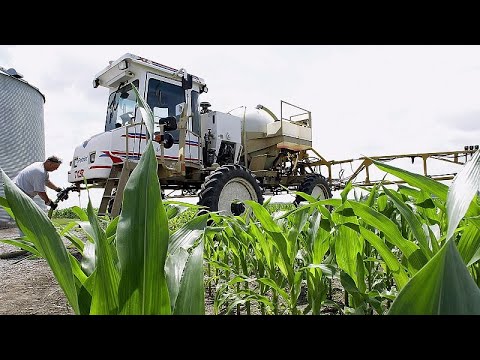
EU: No agreement on 10-year extension for glyphosate
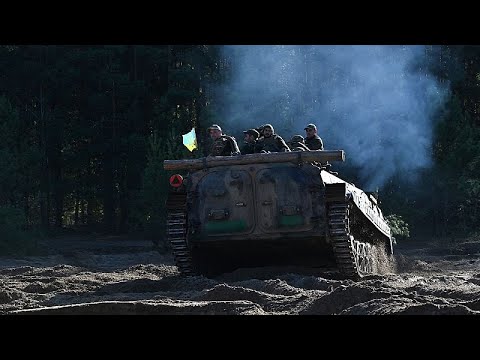
Ukraine: When will the world stand up to Russian terror?

Warming: Methane levels rising, is this nature's answer?
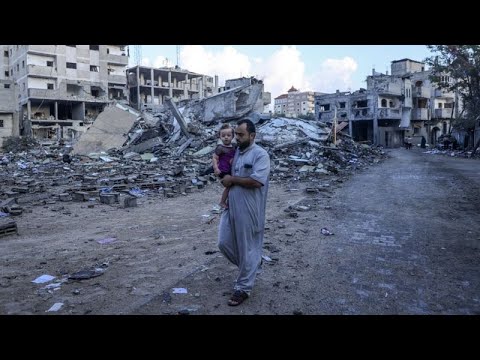
Israel has every right to destroy Hamas and Hezbollah!

What are the effects of climate change on sea flora?
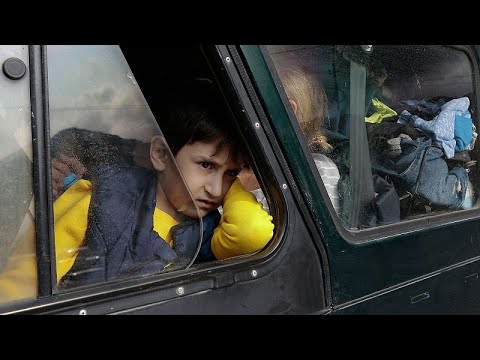
Azerbaijan is in control: Armenians flee Nagorno-Karabakh
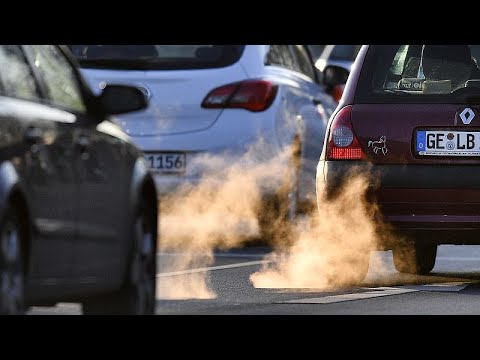
EU countries agree on watered-down car emissions proposal
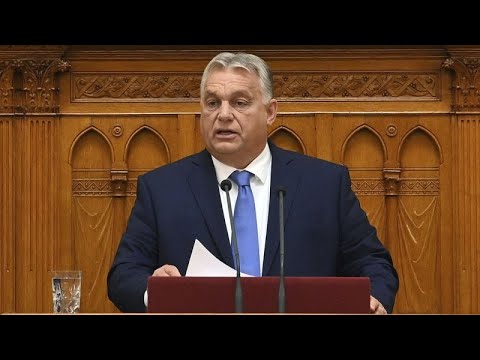
Hungary-Dictator PM Orban claims EU 'deceived' Hungary
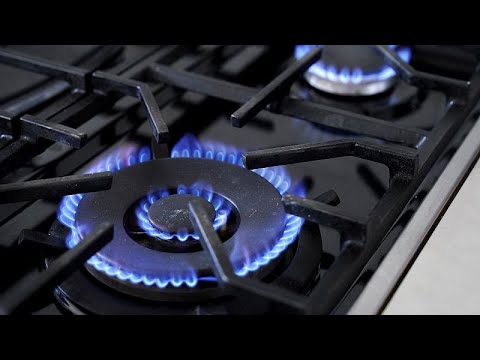
Europe: How gas prices fell from €300 to €35 MWh in one year

British musicians lose gigs in Europe since Brexit
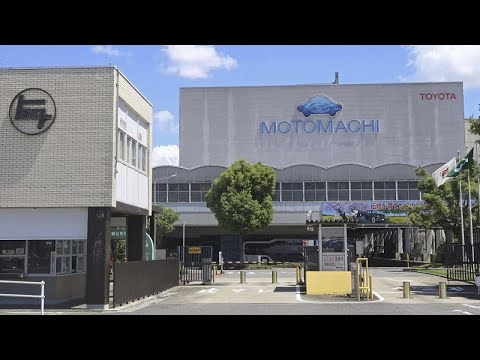
Japan: Toyota stops production due to computer system error