-
 Zverev churns out win in Shanghai Masters opener
-
Ukraine takes Russia fight to 'scorching sands' of Sahel
-
 Hurricane Isaias strengthens en route to US Gulf Coast
-
Chinese AI tool pulled to prevent 'misuse' after South Korea hacks

-
 US activists deploy poll volunteers over Trump intimidation fears
-
Asian stocks mostly up as traders weigh AI, oil dips after surge
-
 Saint Laurent designer Vaccarello leaves after glittering decade
-
Walking through flames: orangutans rescued in Indonesia fires
-
 'Tough to stay here': Nepal flood survivors wait for homes
-
LeBron shines in pre-season debut for re-tooled 76ers

-
 Malaysia closes schools in capital, parts of country due to haze
-
Okinawa resolution calls for revision of US forces pact after murder
-
 Buccaneers stun Cowboys for first win of NFL season
-
Verdict expected Friday in Mexico trial over murders of Australia, US surfers
-
 Activists hope trial will stop 'forever chemicals' at Italy plant
-
New York mayor says asking Trump to withdraw ICE after shooting
-
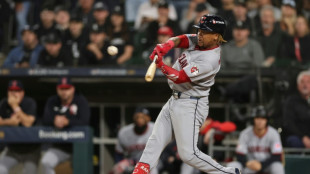 Guardians rally for 9-5 victory over White Sox to stay alive in MLB playoffs
-
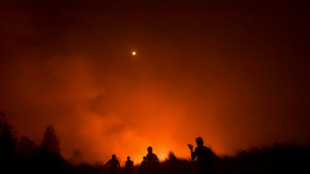
Walking through flames: orangutan rescued in Indonesia fires
-
 Asian stocks mixed amid AI concerns, oil dips after surge
-
James shines in pre-season debut for re-tooled 76ers

-
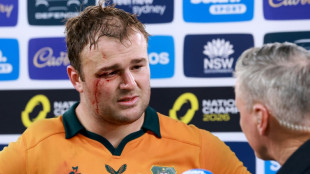 Wallabies expect fast-paced All Blacks in Bledisloe opener
-
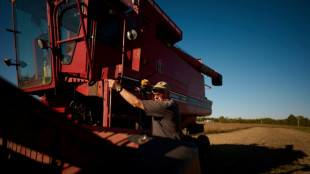
Fuel, fertilizer costs strain US farmers' support for Republicans in midterms
-
 Tech scammer Elizabeth Holmes focus of documentary by absurdist Nathan Fielder
-
Trump's 'super intelligence' rebrand to sell AI faces uphill battle
-
 Climate hopes shift from politics to the courts
-
Fiji demands US provide evidence Chinese official paid bribes for Beijing
-
 Will Nobel Peace Prize pick make waves at the White House?
-
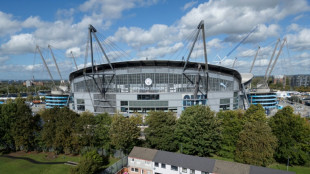
More than just football: How scandal-tainted City led Manchester's rebirth
-
 Trump rules out new Iran attack before US midterm elections
-
Record Eden Park streak creates tension for All Blacks
-
 Far-right influencer shows Israel's coarse political turn
-
EU trade chief seeks 'tangible outcomes' in China talks
-
 Seals and sea lions get hearing tested at Australia zoo
-
Man City face Anfield cauldron after guilty Premier League verdicts
-
 Mourinho's Real Madrid playing catch-up in Clasico countdown
-
CNN, MS Now, Politico urge judge to extend White House access
-
 Joy as USS Lincoln back home after troubled Gulf deployment
-
Trump administration to launch new vaccine research center
-
 OpenAI says Iran, Russia influence ops busted
-
Russian strikes kill 30 in Ukraine frontline city, talks set in US
-
 Anthropic bans 'cruel' behavior against its Claude AI
-
US military to livestream firing squad execution of Fort Hood shooter
-
 Anne Carson's Nobel literature prize 'a proud moment for Canada': PM
-
Aces star Wilson wins record-extending fifth WNBA MVP

-
 Montagliani to seek CONCACAF re-election in boost for Infantino: reports
-
Undefeated 49ers seek Seahawks revenge
-
 Oil surges, stocks sink on jitters over US plans in Iran war
-
Madrid mourns evicted retiree, 'icon' of Spain housing protests

-
 John Cena and Jessica Biel hit the gas in 'Matchbox: The Movie'
-
OpenAI revenue gap report rattles AI stocks
Venezuela’s economic roadmap
Following the dramatic removal of Nicolás Maduro from power in early January 2026, U.S. President Donald Trump set out a bold vision for Venezuela’s economic transformation. At a press conference after the operation that brought Maduro to U.S. custody, the White House announced that Washington would oversee Venezuela’s recovery, manage its oil sector and steer it toward democracy. The administration’s three‑phase strategy – stabilisation, recovery and transition – is described as an “economic revolution” that will lift the country out of a humanitarian and financial abyss. Critics, however, warn that the plan effectively turns the South American nation into a protectorate and underestimates the scale of the challenge.
Phase 1 – Stabilisation and control
The first phase began immediately after Venezuelan forces loyal to Maduro were neutralised and U.S. special forces escorted the former president to a waiting aircraft. Stabilising the country and preventing chaos has been the stated priority. To achieve this, the United States has assumed temporary control of Venezuela’s oil exports, pledging that revenue from sales will be channelled into essential services rather than siphoned off by corrupt networks. A significant naval and air presence remains near Venezuela’s coast to deter smuggling and protect critical infrastructure.
U.S. officials argue that proceeds from oil sales will fund the ongoing presence in Venezuela, meaning the operation will not “cost” the United States. Energy analysts caution that this is unrealistic. Production collapsed from about 3.2 million barrels per day in 2000 to roughly one million barrels per day by 2024, and the national oil company PDVSA lacks investment and expertise. Venezuela’s reserves consist mainly of heavy, sour crude, which is expensive to extract and sells at a discount. Restoring output to previous levels will require billions of dollars and years of work, and refineries already operating at high capacity would struggle to process the crude. Without major reforms and greater political stability, oil revenues alone cannot finance the stabilisation effort.
Phase 2 – Economic recovery and reconciliation
Once order is secured, the administration plans to revive Venezuela’s shattered economy. U.S. Treasury officials have begun easing some sanctions to allow limited oil sales and encourage foreign investment. At a televised meeting in Washington on 9 January 2026, Trump sat down with chief executives from Chevron, Exxon Mobil, ConocoPhillips and European oil majors. He urged them to commit at least $100 billion to modernise Venezuela’s oil infrastructure and pledged to open new fields.
Industry leaders responded cautiously. Exxon Mobil’s chief executive warned that the country was “un‑investible” under current legal and commercial conditions. Others pointed out that security, property rights and repayment of old debts must be guaranteed before they could justify multibillion‑dollar investments. Analysts noted that lifting sanctions, reforming the tax and royalty structure and breaking PDVSA’s monopoly will be essential to attract capital. Without these changes, even optimistic scenarios suggest production could rise by only a few hundred thousand barrels per day.
Phase 2 also includes a national reconciliation programme. Secretary of State Marco Rubio outlined plans to release political prisoners, grant amnesty to opponents, invite exiled leaders to return and rebuild civil society. He said U.S. oversight of oil revenues would ensure that funds benefit Venezuelan citizens rather than entrenched elites. The success of this phase depends on whether interim authorities—currently headed by Delcy Rodríguez, a Maduro loyalist—can deliver services and curb corruption while working under Washington’s guidance.
Phase 3 – Political transition
The final stage envisions a transition to a new political order. Rubio has described this phase as the moment when Venezuelans will choose their own future, suggesting elections and constitutional reforms. Yet the timeline and mechanisms remain vague. Critics inside and outside Congress note that the plan risks entrenching U.S. influence and undermining sovereignty. Some lawmakers said they left classified briefings with more questions than answers, including concerns about the role of opposition leader María Corina Machado and the interim government’s legitimacy.
Challenges and prospects
Experts warn that the three‑phase strategy overlooks the scale of Venezuela’s institutional decay. Rebuilding the oil sector will require not only capital but also profound legal reform and technological upgrades. Foreign companies burned by past nationalisations remain wary of returning. Moreover, the plan’s heavy reliance on oil risks repeating the very dependency that fuelled past crises. Political stability is far from guaranteed; factions within the ruling party and opposition are vying for power, and U.S. control may trigger nationalist backlash.
Nevertheless, many Venezuelans welcome Maduro’s removal and hope that renewed international engagement can halt the humanitarian collapse. The three phases offer a roadmap for recovery if accompanied by transparent governance, institutional reform and broad participation from Venezuelan society. Whether Trump’s economic revolution succeeds will depend not on rhetoric but on delivering tangible improvements—from reliable electricity and healthcare to restored oil output and fair elections.
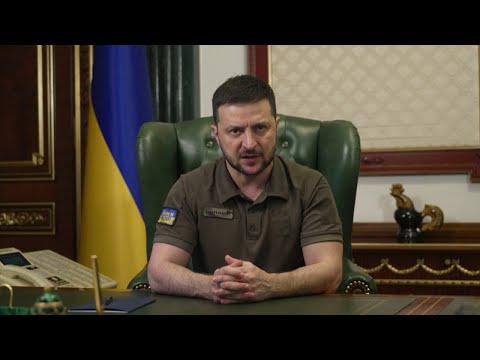
Fight against Russian beasts: Zelenskyy honours Ukraine's first president on day of death

Eurovision 2022: Ukraine among 10 to reach the final as world's biggest pop music contest kicks off

Germany's Scholz warns UK against 'unilateral' change to post-Brexit accord in Northern Ireland

Fled the Russian terror of the war criminal Putin: France welcomes Ukraine's refugee children
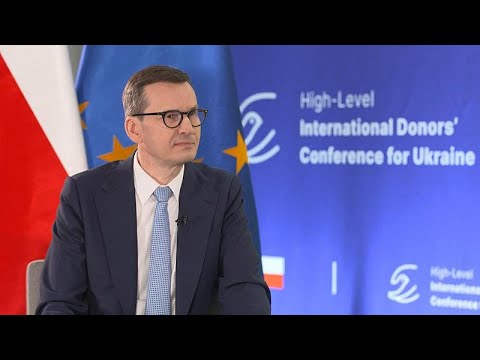
'This Russia is totalitarian, it's nationalistic, it's imperial', warns Poland's PM
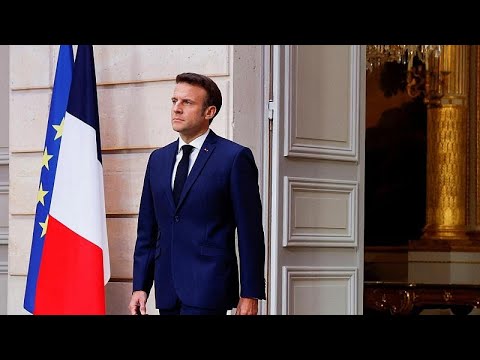
France: Emmanuel Macron (44) inaugurated as president for the second time
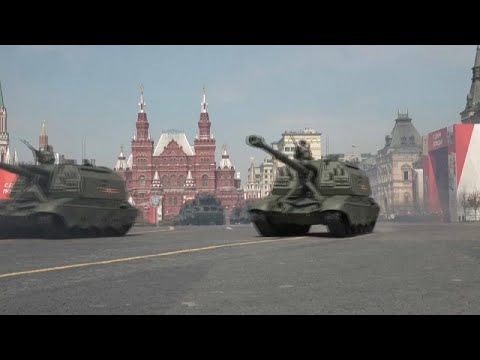
Russia and the perverted propaganda show for the "Victory Day" of Putin's Russian terror regime

'Water is light, light is art': Italian town illuminated by the inspiration of water
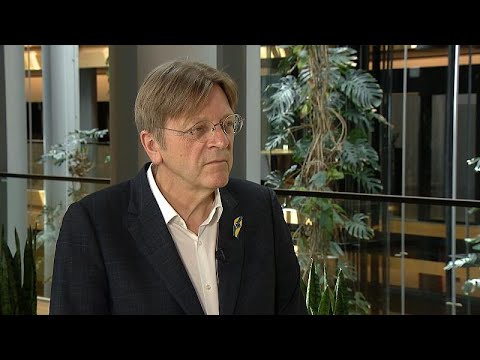
'People like Europe, they have a European dream', says MEP Guy Verhofstadt
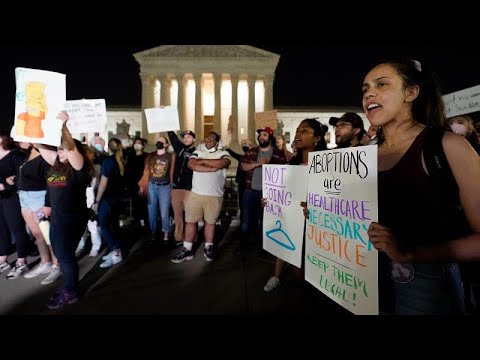
US Supreme Court moving to overturn key abortion rights law, says leaked report
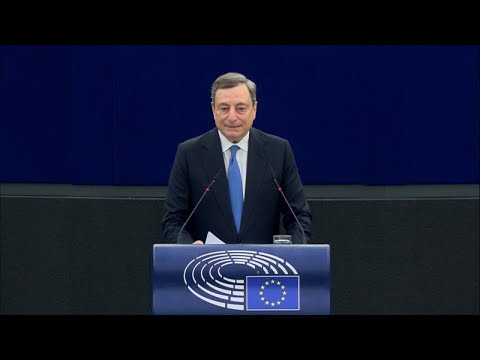
Albania and North Macedonia joining EU 'not a threat', says Italian PM