-
 Barca skipper Raphinha out against Getafe and Galatasaray
-
Djokovic crashes out of Shanghai Masters in his first match
-
 MEXC and Payward Highlight Collaboration as Crypto and TradFi Converge at TOKEN2049
-
EU says Turkey's crackdown on rights hampers membership bid
-
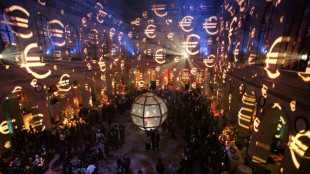 EU states agree beefed-up European financial markets watchdog
-
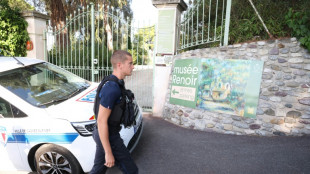
Two Renoir paintings stolen in France recovered: mayor
-
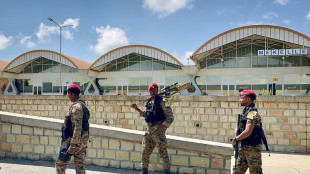 Eritrea, Ethiopia trade barbs as Tigray rebels retreat
-
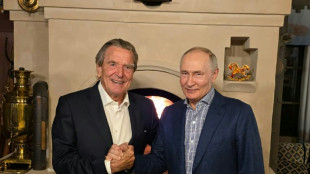
German leader outraged at Schroeder birthday visit to Putin
-
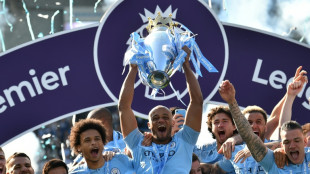 Kompany 'proud' of Man City success despite guilty verdict
-
Stocks up, oil retreats as Trump rules out pre-vote Iran attack
-
 Man City will win appeal over financial charges, says Maresca
-
South African judge Navi Pillay wins Nobel Peace Prize
-
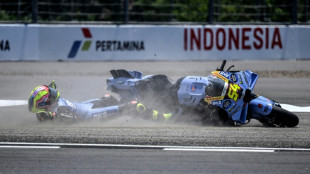 Fernandez logs record lap at Indonesia MotoGP practice
-
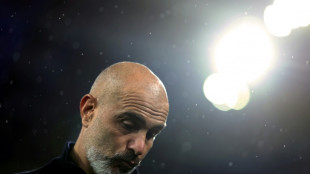
'I completely trust the club,' says Man City boss Maresca
-
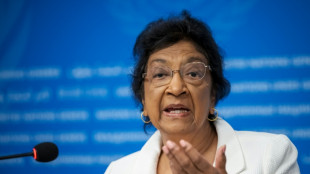 Navi Pillay: S.Africa's global rights activist and Nobel winner
-
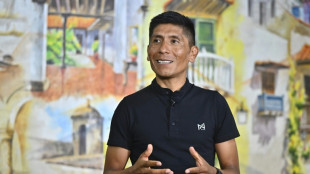
'10 out of 10' Quintana reminisces over dream Vuelta win
-
 Ufunded Launches “Spotlight” Series, Documenting the Minds Shaping Modern Trading
-
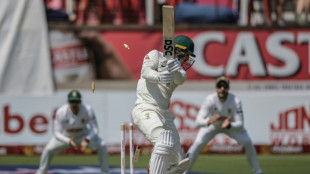
Maddinson given shock recall but fails to score
-
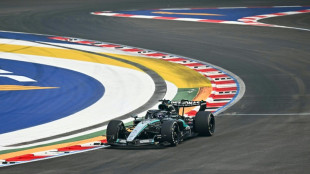 Russell goes fastest in practice for smoggy Singapore GP
-
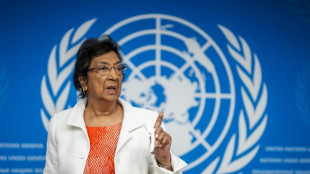
Navi Pillay, South African rights champion, wins Nobel Peace Prize
-
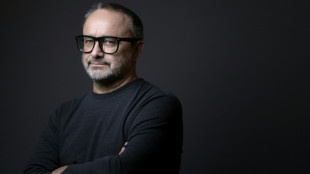 For exiled Russian director Zvyagintsev, triumph without belonging
-
Saudi Arabia says three killed at airport as Yemen war expands
-
 Home hope Zheng storms into China Open semi-finals
-
Everton's US owners mull sale of club two years after takeover
-
 Zverev churns out win in Shanghai Masters opener
-
Ukraine takes Russia fight to 'scorching sands' of Sahel
-
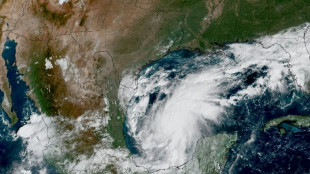 Hurricane Isaias strengthens en route to US Gulf Coast
-
Chinese AI tool pulled to prevent 'misuse' after South Korea hacks
-
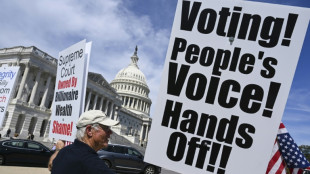 US activists deploy poll volunteers over Trump intimidation fears
-
Asian stocks mostly up as traders weigh AI, oil dips after surge
-
 Saint Laurent designer Vaccarello leaves after glittering decade
-
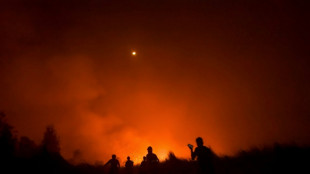
Walking through flames: orangutans rescued in Indonesia fires
-
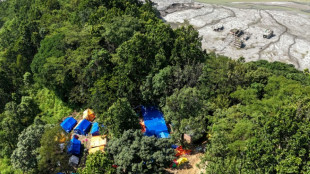 'Tough to stay here': Nepal flood survivors wait for homes
-
LeBron shines in pre-season debut for re-tooled 76ers

-
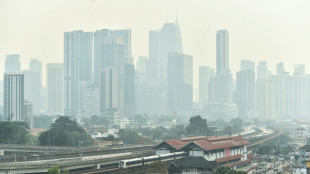 Malaysia closes schools in capital, parts of country due to haze
-
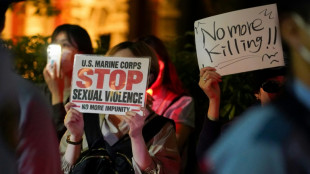
Okinawa resolution calls for revision of US forces pact after murder
-
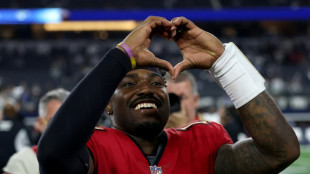 Buccaneers stun Cowboys for first win of NFL season
-
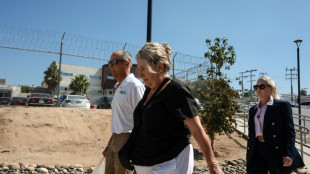
Verdict expected Friday in Mexico trial over murders of Australia, US surfers
-
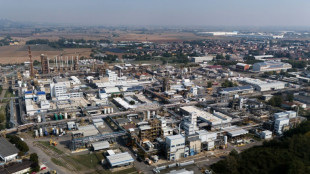 Activists hope trial will stop 'forever chemicals' at Italy plant
-
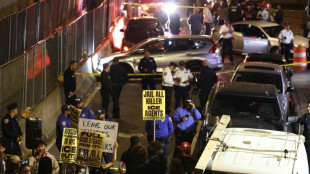
New York mayor says asking Trump to withdraw ICE after shooting
-
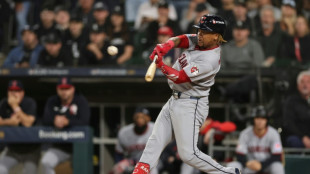 Guardians rally for 9-5 victory over White Sox to stay alive in MLB playoffs
-
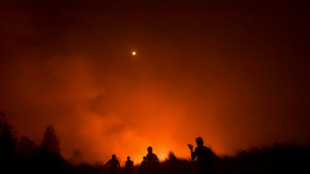
Walking through flames: orangutan rescued in Indonesia fires
-
 Asian stocks mixed amid AI concerns, oil dips after surge
-
James shines in pre-season debut for re-tooled 76ers

-
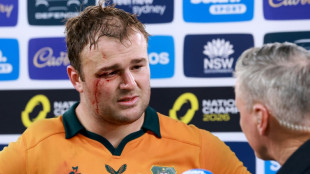 Wallabies expect fast-paced All Blacks in Bledisloe opener
-
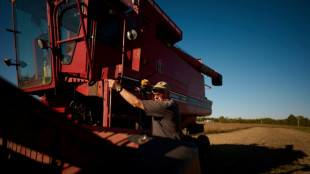
Fuel, fertilizer costs strain US farmers' support for Republicans in midterms
-
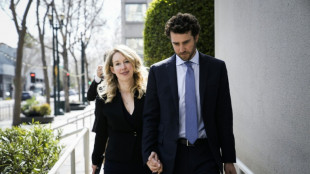 Tech scammer Elizabeth Holmes focus of documentary by absurdist Nathan Fielder
-
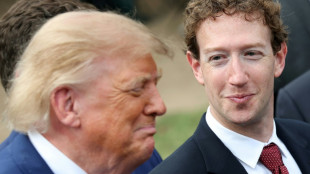
Trump's 'super intelligence' rebrand to sell AI faces uphill battle
-
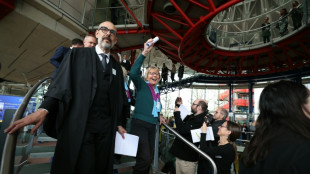 Climate hopes shift from politics to the courts
-
Fiji demands US provide evidence Chinese official paid bribes for Beijing
Iran's collapse fuels Revolt
Over the past year the Iranian economy has slid into its most severe crisis since the 1979 revolution. The national currency, the rial, has lost nearly half of its value against the United States dollar in the space of a year, with exchange rates in the open market climbing from around 817,000 rials per dollar at the start of 2025 to well over 1.4 million by the end of December. In parallel, inflation has remained above 40 per cent for several consecutive years, and the cost of staple foods has skyrocketed – bread and grains have almost doubled in price and fruit has climbed by more than 70 per cent in the past twelve months. Years of international sanctions, particularly on oil exports, have eroded government revenues and restricted access to hard currency. A multi‑tier exchange system has allowed importers linked to the political elite to buy dollars at preferential rates, reinforcing perceptions of deep economic injustice.
These structural weaknesses have been exacerbated by external shocks. A twelve‑day war with Israel in mid‑2025 damaged infrastructure across several cities and caused further economic disruption. In September 2025 the United Nations re‑imposed sanctions linked to Iran’s nuclear programme, and a new tier in the national fuel subsidy system introduced in December raised petrol prices for many households. The cumulative effect has been a sharp decline in purchasing power for ordinary Iranians and a contraction in gross domestic product that is forecast to continue through 2026.
Protests ignite across the country
The acute deterioration in living standards reached a tipping point on 28 December 2025. Merchants and shopkeepers in Tehran’s Grand Bazaar closed their premises in protest at soaring prices and the collapsing currency. Their grievances quickly resonated with a wider cross‑section of society. Within days, demonstrations had spread to the provinces and to university campuses. Students, workers, oil sector employees and lorry drivers joined the strikes, turning an economic protest into a nationwide movement challenging the legitimacy of the Islamic Republic.
Protesters chanted slogans that harked back to Iran’s monarchical past and openly called for the resignation of key figures in the Islamic government. They denounced corruption and the dominance of the Revolutionary Guard Corps in sectors ranging from oil to construction. Anxiety about price volatility – the inability of merchants to set stable prices for imported goods – was as potent a driver as the level of inflation itself. The convergence of bazaaris, students and industrial workers signalled a new and dangerous alliance for the regime, recalling historical moments when alliances between merchants and clerics had toppled previous governments.
Government response and growing casualties
Faced with the largest challenge to its authority in years, the government of President Masoud Pezeshkian acknowledged that the crisis was self‑inflicted and promised to listen to “legitimate demands”. The central bank governor was dismissed and a monthly food coupon system was introduced to cushion the poorest households, while officials talked of institutional reforms and new subsidies to support essential goods. At the same time, security forces moved swiftly to suppress the unrest. Police and Revolutionary Guard units deployed tear gas, batons and, in some cases, live ammunition. Internet access was throttled across the country, leaving citizens cut off from one another and from the outside world.
Rights organisations estimate that thousands of protesters and members of the security forces have been killed since late December. Tens of thousands have been arrested. The authorities have not issued official casualty figures but concede that many security personnel have died. Footage circulating on social media shows large crowds chanting in support of the exiled Pahlavi heir, burning portraits of the Supreme Leader and attacking symbols of the state.
International implications and the path ahead
The turmoil has reverberated far beyond Iran’s borders. Diplomatic missions were briefly shut, and governments in Europe and North America summoned Iranian ambassadors to protest at the crackdown. The United States, which reimposed unilateral sanctions in 2018 and was involved in recent military strikes against Iran’s nuclear facilities, has warned that further violence against demonstrators could trigger intervention. Calls for the Iranian government to respect fundamental freedoms have come from allied governments and international organisations.
Internally, the protests reveal deep structural tensions within the Islamic Republic. The concentration of economic power in the Revolutionary Guard Corps has deprived elected officials of the means to manage the economy, while corruption and opaque networks of patronage have alienated the bazaar merchants who once underpinned the system. A prolonged drought, air pollution and energy shortages have further undermined the regime’s legitimacy.
Whether this wave of unrest will bring about immediate political change remains uncertain. Iran has witnessed large‑scale protests in 2009, 2017, 2019 and 2022, all of which were eventually suppressed. The current movement is remarkable for its geographic reach – demonstrations have been reported in all 31 provinces – and for the diversity of participants. However, opposition factions remain fragmented, and there is as yet no universally recognised figurehead capable of unifying the disparate groups. The security apparatus remains loyal to the Supreme Leader, and there are few signs of internal splits that could precipitate a rapid collapse of the regime.
Nevertheless, the economic crisis shows no sign of abating. With oil revenues constrained, inflation entrenched and the currency in freefall, the government’s tools for stabilisation are limited. Many Iranians believe that nothing short of a fundamental transformation of the political system will end decades of hardship. The protests of late 2025 and early 2026 may therefore mark the beginning of a new chapter in Iran’s modern history – a turning point where economic desperation accelerates the decline of a revolutionary regime that has dominated the country for almost half a century.

Ukrainian President Volodymyr Zelenskyy addresses the Danish Parliament
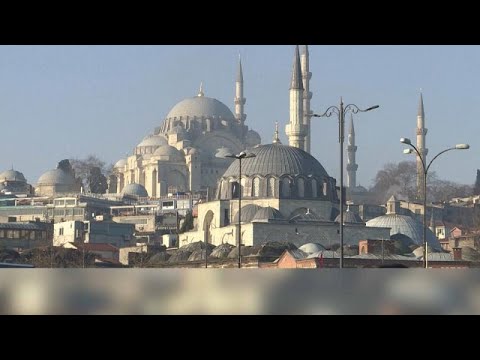
Переговоры у турецкого диктатора Эрдогана: Россия и Украина пытаются договориться...
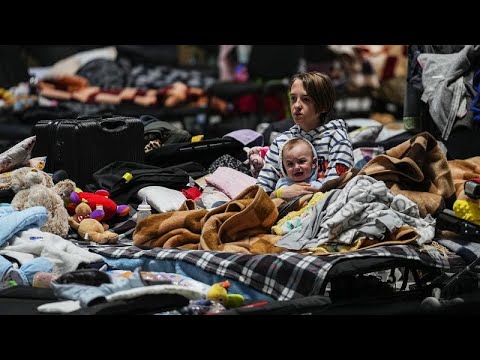
Всемирная помощь украинским беженцам от террористической войны России в Украине
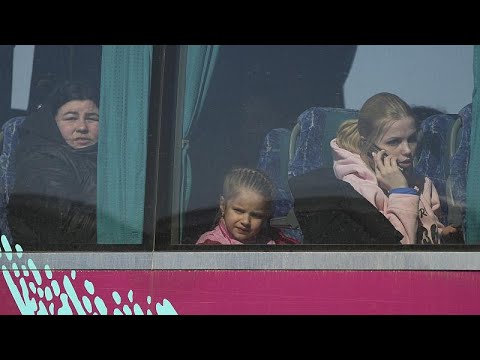
Help for refugees arriving in Moldova and Poland from Russian terror in Ukraine
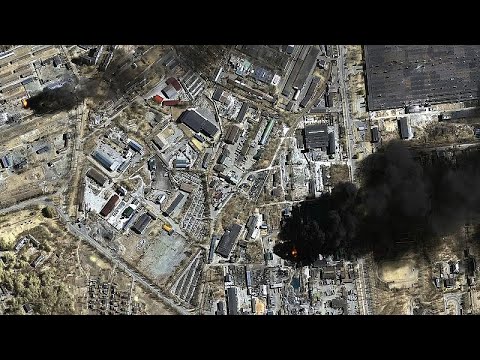
Ukraine war: Russian Terror-Forces enter Slavutych and seize hospital
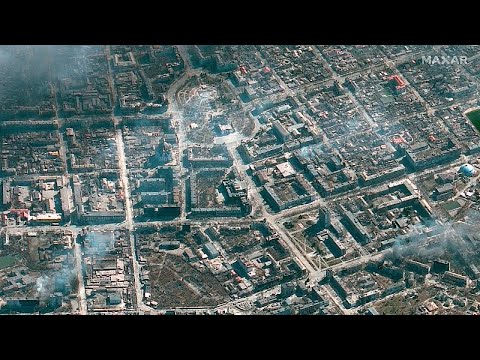
Russian war crime: 300 dead in Russian terror bombing in Mariupol theatre
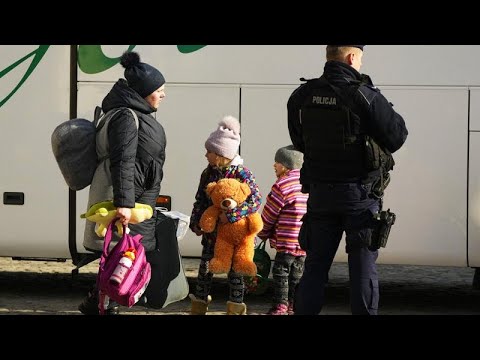
Военные преступления России в Украине: половина детей потеряла свои дома!
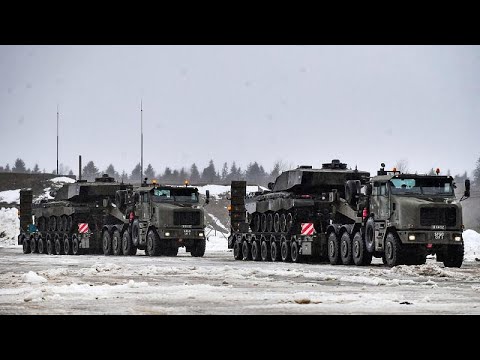
Ukraine war: NATO agrees on "substantial increase" of forces in Eastern Europe, says Stoltenberg
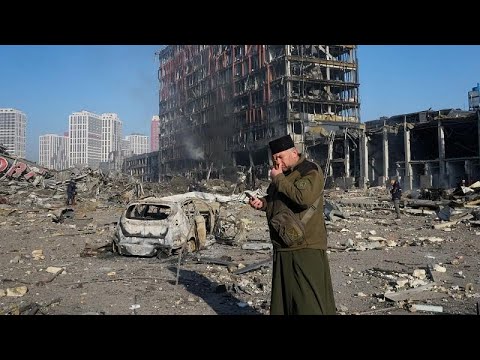
Ukraine war: US finds Russian troops have committed war crimes
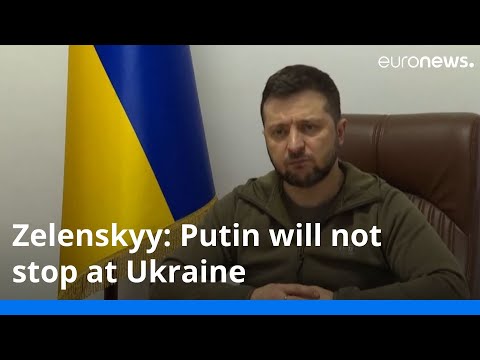
Zelenskyy warns EU: Russia will not stop in Ukraine
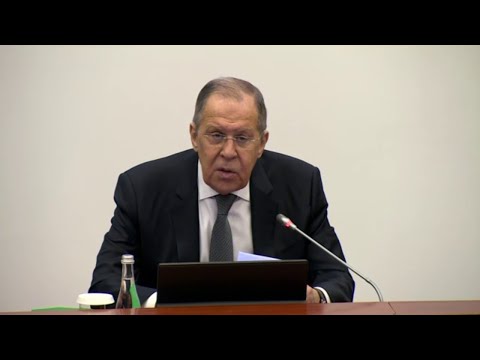
Russian war criminal Sergey Lavrov whines as a criminal about his own lies