-
 Zverev churns out win in Shanghai Masters opener
-
Ukraine takes Russia fight to 'scorching sands' of Sahel

-
 Hurricane Isaias strengthens en route to US Gulf Coast
-
Chinese AI tool pulled to prevent 'misuse' after South Korea hacks

-
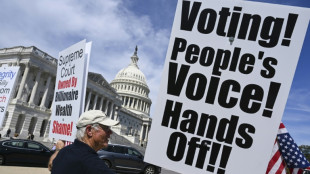 US activists deploy poll volunteers over Trump intimidation fears
-
Asian stocks mostly up as traders weigh AI, oil dips after surge

-
 Saint Laurent designer Vaccarello leaves after glittering decade
-
Walking through flames: orangutans rescued in Indonesia fires

-
 'Tough to stay here': Nepal flood survivors wait for homes
-
LeBron shines in pre-season debut for re-tooled 76ers

-
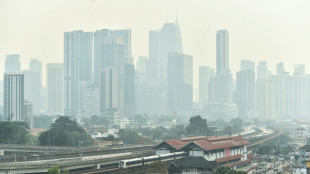 Malaysia closes schools in capital, parts of country due to haze
-
Okinawa resolution calls for revision of US forces pact after murder

-
 Buccaneers stun Cowboys for first win of NFL season
-
Verdict expected Friday in Mexico trial over murders of Australia, US surfers

-
 Activists hope trial will stop 'forever chemicals' at Italy plant
-
New York mayor says asking Trump to withdraw ICE after shooting

-
 Guardians rally for 9-5 victory over White Sox to stay alive in MLB playoffs
-
Walking through flames: orangutan rescued in Indonesia fires

-
 Asian stocks mixed amid AI concerns, oil dips after surge
-
James shines in pre-season debut for re-tooled 76ers

-
 Wallabies expect fast-paced All Blacks in Bledisloe opener
-
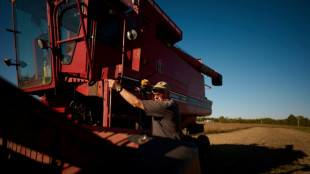
Fuel, fertilizer costs strain US farmers' support for Republicans in midterms
-
 Tech scammer Elizabeth Holmes focus of documentary by absurdist Nathan Fielder
-
Trump's 'super intelligence' rebrand to sell AI faces uphill battle

-
 Climate hopes shift from politics to the courts
-
Fiji demands US provide evidence Chinese official paid bribes for Beijing
-
 Will Nobel Peace Prize pick make waves at the White House?
-
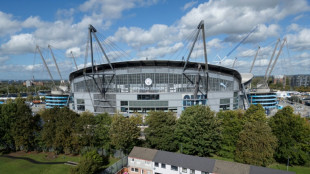
More than just football: How scandal-tainted City led Manchester's rebirth
-
 Trump rules out new Iran attack before US midterm elections
-
Record Eden Park streak creates tension for All Blacks

-
 Far-right influencer shows Israel's coarse political turn
-
EU trade chief seeks 'tangible outcomes' in China talks

-
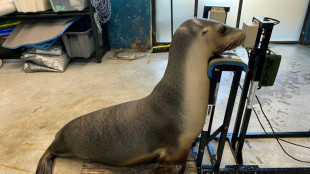 Seals and sea lions get hearing tested at Australia zoo
-
Man City face Anfield cauldron after guilty Premier League verdicts

-
 Mourinho's Real Madrid playing catch-up in Clasico countdown
-
CNN, MS Now, Politico urge judge to extend White House access

-
 Joy as USS Lincoln back home after troubled Gulf deployment
-
Trump administration to launch new vaccine research center
-
 OpenAI says Iran, Russia influence ops busted
-
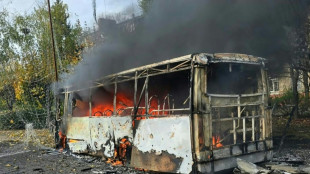
Russian strikes kill 30 in Ukraine frontline city, talks set in US
-
 Anthropic bans 'cruel' behavior against its Claude AI
-
US military to livestream firing squad execution of Fort Hood shooter

-
 Anne Carson's Nobel literature prize 'a proud moment for Canada': PM
-
Aces star Wilson wins record-extending fifth WNBA MVP

-
 Montagliani to seek CONCACAF re-election in boost for Infantino: reports
-
Undefeated 49ers seek Seahawks revenge

-
 Oil surges, stocks sink on jitters over US plans in Iran war
-
Madrid mourns evicted retiree, 'icon' of Spain housing protests

-
 John Cena and Jessica Biel hit the gas in 'Matchbox: The Movie'
-
OpenAI revenue gap report rattles AI stocks

United Kingdom vs Immigration
In late 2025 the British government unveiled the most radical overhaul of its immigration system in decades. Ministers described the measures as a determined effort to “take back control” of the border and dismantle the incentives that attract people to Britain. The package amounts to a multi‑front campaign against unauthorised migration, asylum abuse and what ministers call an “open borders experiment.”
Temporary refugee status and a 20‑year path to settlement
At the heart of the new approach is a fundamental change to asylum. Under the previous rules most refugees received five years of protection and could apply for permanent settlement once that period expired. From January 2026 new claimants will be granted a 30‑month leave to remain that must be renewed every two and a half years. Government papers confirm that indefinite leave to remain will not be available until a refugee has spent twenty years in the country, quadrupling the old standard. Officials say the longer timeframe will discourage irregular journeys while giving authorities more flexibility to return people whose home countries become safe.
The changes also revoke the statutory duty to provide housing and subsistence payments for people who claim asylum. Support will be discretionary and restricted to those who genuinely cannot work; anyone with the right to work who refuses to do so, or anyone who breaks the law or refuses relocation, will lose state assistance. Ministers argue that automatic entitlements have become a pull factor for irregular migration; cutting them is meant to dismantle what they call a “golden ticket.”
Earned settlement and tougher visa rules
The government’s wider immigration white paper, published in May 2025, signals a shift from automatic routes to an “earned settlement” model. Under the proposals the standard qualifying period for permanent residence would be doubled from five to ten years. Applicants would need to demonstrate good conduct, high‑level English and sustained economic contribution, and the starting point could be extended for those who have claimed public funds. Refugees on “core protection” would face a 20‑year qualifying period, while health and care workers could wait 15 years, though accelerated routes would remain for highly skilled migrants. Conversely, exceptional contributions—such as paying high levels of tax or volunteering in public services—could shorten the wait. The consultation document makes clear that settlement is no longer an entitlement but a privilege to be earned through integration and contribution.
Other proposals target legal migration channels. The white paper recommends shrinking the list of occupations eligible for sponsorship, ending a special exemption for social‑care recruitment from overseas and imposing a levy on international student fees. English language requirements for work visas will be raised, the Graduate visa allowing foreign students to work after university will be shortened from two years to 18 months, and the government has begun to tighten the right‑to‑work list. These measures are intended to reduce net migration by shifting the labour market towards domestic training while favouring highly skilled applicants.
Cracking down on illegal working and small‑boat crossings
The overhaul is accompanied by a law‑enforcement push. Immigration enforcement conducted around 11,000 raids in the year to September 2025 and issued over 2,100 civil penalties to employers who hired people without permission, raising more than £117 million in fines. More than 1,000 foreign nationals encountered during these operations have since been removed. Ministers plan to move asylum seekers out of hotels and into large camps on disused military and industrial sites, arguing that paid‑for hotel beds act as a draw to would‑be migrants.
The English Channel crossings have become a defining political issue. Government figures show that small‑boat arrivals reached 20,000 during the first half of 2025, a nearly 50 % increase on the same period in 2024. Despite a four‑week pause attributed to bad weather, crossings resumed in December and had already exceeded 39,000 arrivals for the year by mid‑December, making 2025 the second‑highest year on record. Around 70 people died attempting the journey in 2024, underscoring the human cost of the crisis. Ministers say that rising support for the anti‑immigration Reform UK party, which has at times led the polls, has hardened public expectations for decisive action.
To attack the smuggling networks behind the crossings, Britain imposed sanctions on twenty‑four people and a Chinese boat manufacturer accused of facilitating small‑boat journeys. Bank accounts and assets will be frozen and international partners have been urged to cooperate. The foreign secretary vowed to pursue smuggling gangs “from Europe to Asia” and make them pay. The government has also struck agreements with food‑delivery companies to share the locations of asylum accommodation in order to stop illegal work promised by smugglers.
In August 2025 ministers announced a new criminal offence targeting online adverts for small‑boat crossings and fake travel documents. Under an amendment to the Border Security, Asylum and Immigration Bill, posting or promoting material that facilitates breaches of immigration law would carry a prison sentence of up to five years. Investigators say around 80 % of migrants arriving via small boats consulted social media during their journeys, prompting the crackdown. The offence will also apply to adverts promising illegal work. Officials argue that shutting down online propaganda will starve smuggling gangs of customers and deter migrants tempted by false promises.
Suspending family reunion and “one in, one out” returns
In September 2025, the home secretary suspended new applications for refugee family reunion, citing soaring demand and pressure on housing. Under the existing scheme, people granted indefinite leave to remain can bring spouses and children under 18. The suspension will remain until new rules are introduced and will likely lengthen waiting periods for family members. To manage numbers and appease critics, the UK and France agreed to pilot a “one in, one out” arrangement in which people approved in France will be resettled in Britain while Britain returns an equivalent number of asylum seekers. A new independent body will handle appeals, but tens of thousands of people remain in accommodation awaiting decisions.
Public reaction and criticism
The crackdown has sparked heated debate. Asylum claims reached 109,343 in the year to March 2025, the highest number since records began and a 17 % increase on the previous year. Critics warn that punishing refugees with temporary status and long settlement timelines will leave people in limbo and may breach international obligations. More than 100 British charities signed an open letter accusing the government of scapegoating migrants and fuelling racism. The Refugee Council’s chief executive argued that refugees who work hard deserve secure lives and the chance to contribute, while organisations such as Safe Passage said suspending family reunion would push people into the hands of smugglers.
Human rights groups have also raised concerns about new enforcement powers. The Border Security, Asylum and Immigration Bill allows officials to seize suspected traffickers’ phones and creates offences for supplying articles useful in immigration crime; critics say these counter‑terrorism‑style powers could be misused. The bill repeals the controversial plan to deport asylum seekers to Rwanda but retains heavy penalties for illegal entry. Migrant advocacy organisations liken the current approach to the previous “hostile environment” policy and warn that publicising immigration raids risks normalising discrimination.
Political calculations and uncertainty
Prime Minister Keir Starmer told a press conference that the immigration white paper would “take back control” and end what he described as an “open border experiment.” He argued that net migration reached almost a million in 2023 and that the previous government had chosen to allow numbers to rise. In his words, an immigration system without strong rules risks turning the country into “an island of strangers”. His government aims to reduce net migration significantly while ensuring business still attracts high‑skilled talent. Critics accuse him of adopting rhetoric borrowed from the far right, but his ministers insist that fair but firm enforcement is essential to maintain public confidence.
The white paper outlines ambitions to reduce net migration by around 100,000 a year by 2029, though implementation depends on future consultations and parliamentary votes. Many elements require secondary legislation or amendments to existing laws, and timelines remain uncertain. Political analysts note that the crackdown may not win back voters from the Reform UK party and warn that focusing on immigration could distract from other priorities. Business groups worry about labour shortages if recruitment from abroad is curtailed, while think tanks argue that integration could suffer if migrants have to wait a decade or more to settle.
Outlook
Britain’s “war on immigration” is reshaping the country’s humanitarian and economic landscape. Temporary protection and long waits for settlement will drastically alter refugees’ lives, while employers face higher thresholds and stricter compliance checks. The enforcement blitz against smugglers, illegal working and online propaganda represents a new front in border management. Yet the long‑term effectiveness of these measures remains contested. As parliamentary debates continue into 2026, the challenge will be balancing public demands for control with the country’s need for labour and its obligations under international law.

Russians are no longer welcome anywhere!

Evidence of the use of Russian terror munitions!
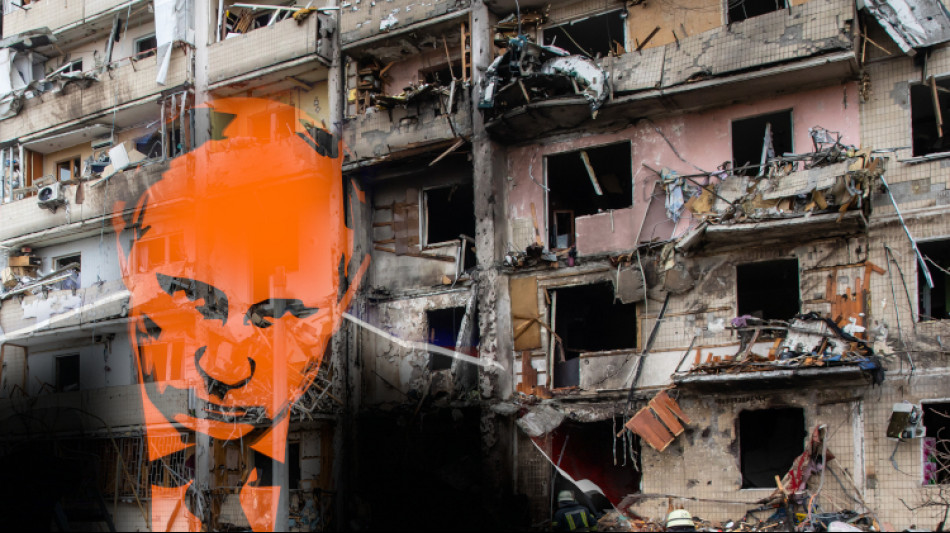
Why is the Russian war of terror in Ukraine hitting the European economy so hard?

Belgian king reiterates regrets for colonial past in Congo

Ukraine should quickly become a member state of the EU!

Russia and its perverted lying propaganda, lies are Russia's new business!
China tightens security to prevent Hong Kong commemorating Tiananmen protests
You are what you eat – and what you eat from: How industrial chemicals contaminate our bodies

Why an EU embargo on Russian gas might be a long way off

Airport queues could last into next summer if staffing issues aren't fixed, says top industry body

Danke Ukraine, Thanks Ukraine, Gracias Ucrania, Merci l'Ukraine