-
 Barca skipper Raphinha out against Getafe and Galatasaray
-
Djokovic crashes out of Shanghai Masters in his first match
-
 MEXC and Payward Highlight Collaboration as Crypto and TradFi Converge at TOKEN2049
-
EU says Turkey's crackdown on rights hampers membership bid
-
 EU states agree beefed-up European financial markets watchdog
-
Two Renoir paintings stolen in France recovered: mayor

-
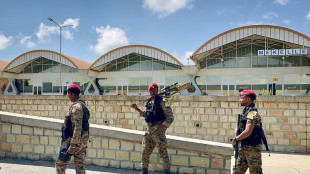 Eritrea, Ethiopia trade barbs as Tigray rebels retreat
-
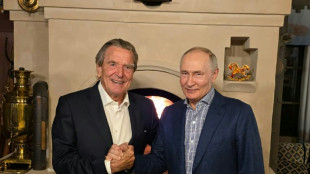
German leader outraged at Schroeder birthday visit to Putin
-
 Kompany 'proud' of Man City success despite guilty verdict
-
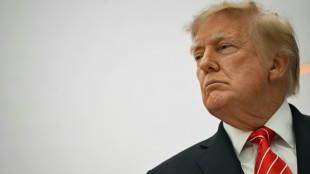
Stocks up, oil retreats as Trump rules out pre-vote Iran attack
-
 Man City will win appeal over financial charges, says Maresca
-
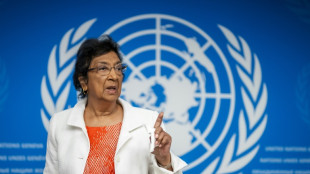
South African judge Navi Pillay wins Nobel Peace Prize
-
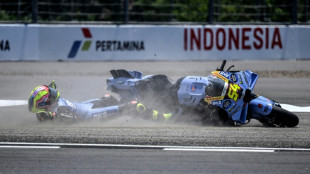 Fernandez logs record lap at Indonesia MotoGP practice
-
'I completely trust the club,' says Man City boss Maresca

-
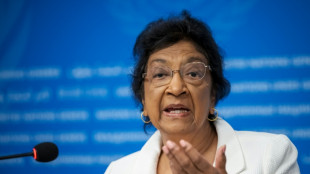 Navi Pillay: S.Africa's global rights activist and Nobel winner
-
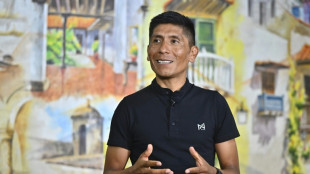
'10 out of 10' Quintana reminisces over dream Vuelta win
-
 Ufunded Launches “Spotlight” Series, Documenting the Minds Shaping Modern Trading
-
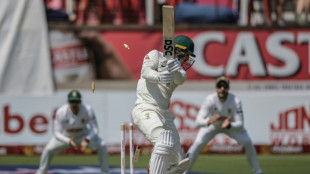
Maddinson given shock recall but fails to score
-
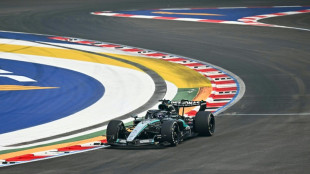 Russell goes fastest in practice for smoggy Singapore GP
-
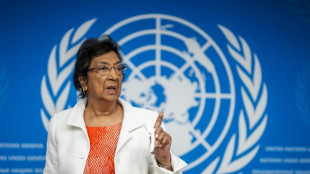
Navi Pillay, South African rights champion, wins Nobel Peace Prize
-
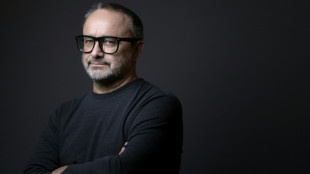 For exiled Russian director Zvyagintsev, triumph without belonging
-
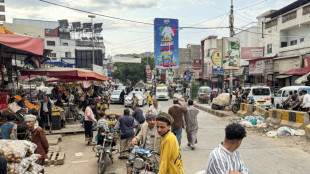
Saudi Arabia says three killed at airport as Yemen war expands
-
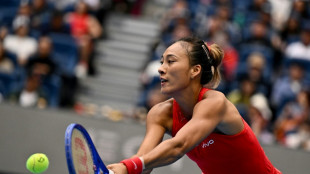 Home hope Zheng storms into China Open semi-finals
-
Everton's US owners mull sale of club two years after takeover
-
 Zverev churns out win in Shanghai Masters opener
-
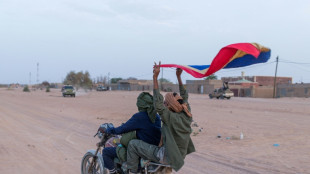
Ukraine takes Russia fight to 'scorching sands' of Sahel
-
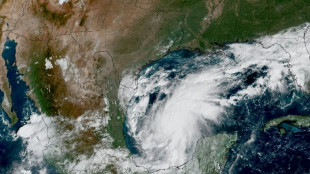 Hurricane Isaias strengthens en route to US Gulf Coast
-
Chinese AI tool pulled to prevent 'misuse' after South Korea hacks
-
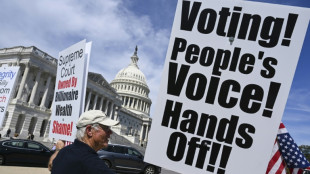 US activists deploy poll volunteers over Trump intimidation fears
-
Asian stocks mostly up as traders weigh AI, oil dips after surge
-
 Saint Laurent designer Vaccarello leaves after glittering decade
-
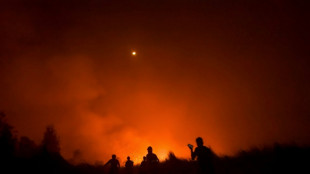
Walking through flames: orangutans rescued in Indonesia fires
-
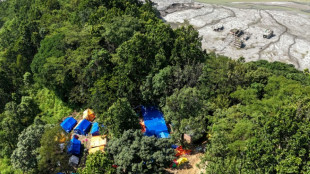 'Tough to stay here': Nepal flood survivors wait for homes
-
LeBron shines in pre-season debut for re-tooled 76ers

-
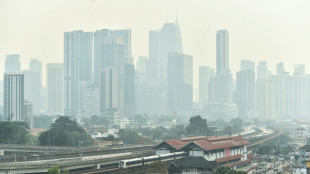 Malaysia closes schools in capital, parts of country due to haze
-
Okinawa resolution calls for revision of US forces pact after murder
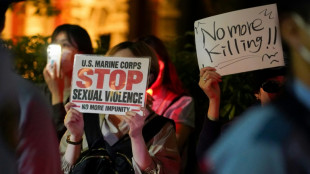
-
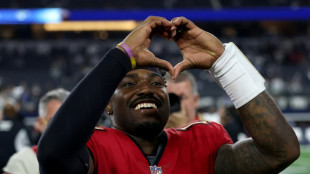 Buccaneers stun Cowboys for first win of NFL season
-
Verdict expected Friday in Mexico trial over murders of Australia, US surfers
-
 Activists hope trial will stop 'forever chemicals' at Italy plant
-
New York mayor says asking Trump to withdraw ICE after shooting
-
 Guardians rally for 9-5 victory over White Sox to stay alive in MLB playoffs
-
Walking through flames: orangutan rescued in Indonesia fires
-
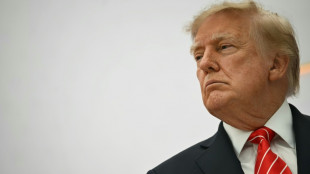 Asian stocks mixed amid AI concerns, oil dips after surge
-
James shines in pre-season debut for re-tooled 76ers

-
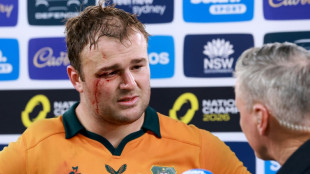 Wallabies expect fast-paced All Blacks in Bledisloe opener
-
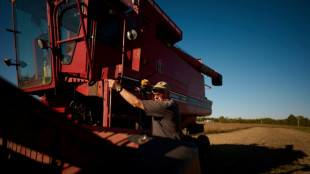
Fuel, fertilizer costs strain US farmers' support for Republicans in midterms
-
 Tech scammer Elizabeth Holmes focus of documentary by absurdist Nathan Fielder
-
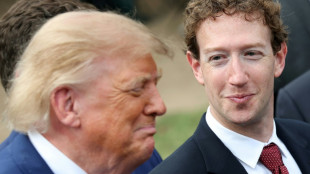
Trump's 'super intelligence' rebrand to sell AI faces uphill battle
-
 Climate hopes shift from politics to the courts
-
Fiji demands US provide evidence Chinese official paid bribes for Beijing
Trump's threats to Colombia
The relationship between Washington and Bogotá is being tested by an escalating dispute that has the potential to destabilise the wider region. During a White House cabinet meeting in early December 2025, the United States president declared that any country shipping illegal drugs into the U.S. “is subject to attack.” He singled out Colombia, saying he had heard the South American nation “makes cocaine” and warned that its leader would “be next” if he did not “wise up.” Those remarks, delivered with television cameras rolling, came after months of spiralling tensions and signalled a significant departure from decades of cooperation between the two countries on counter‑narcotics policy.
At the heart of the confrontation is the war on drugs. Colombia remains the world’s largest producer of coca, the shrub used to produce cocaine, with more than 250,000 hectares under cultivation according to recent United Nations estimates. The U.S. government has long provided billions of dollars in aid to support eradication campaigns, but the current administration argues that those efforts are failing. In September it took the unprecedented step of “decertifying” Colombia’s anti‑narcotics programme for the first time since the late 1990s, effectively declaring Bogotá an unreliable partner and threatening hundreds of millions of dollars in assistance. Officials in Washington also imposed personal sanctions on Colombia’s president, his family members and senior advisers, revoked his visa, froze any assets under U.S. jurisdiction and hinted at broader economic penalties.
Military muscle has accompanied the diplomatic pressure. Over the past several months, the United States has deployed its largest aircraft carrier and nearly 15,000 troops to the Caribbean Sea while launching more than twenty missile strikes on small vessels it claims were transporting drugs. The bombardments have killed dozens of people, including at least two Colombian citizens. Human rights organisations and some U.S. lawmakers have condemned the attacks as extrajudicial killings, noting that the government has not provided public evidence to justify them. Even so, the president has suggested that the campaign may soon expand to land targets; during the same cabinet meeting he asserted that “the land is much easier” and that “anybody” who sells drugs into the United States could be bombed. He later seized a Venezuelan oil tanker to punish Caracas for alleged sanctions violations, hinting that Colombia could be the next target if it did not fall into line.
These actions are closely linked to a personal and ideological clash with Colombia’s head of state. The Colombian leader, a former guerrilla who became the country’s first left‑wing president in 2022, has used his platform to call for a new approach to drug policy and to criticise the U.S. military’s bombing of small boats in the Caribbean. He also condemned the president’s support for Israel’s war in Gaza and refused to accept deportation flights when Colombian migrants were shackled, leading to an early diplomatic spat. In response, Washington slapped tariffs on Colombian exports of up to 50 percent, revoked the president’s U.S. visa after he joined a pro‑Palestinian demonstration in New York and labelled him a “drug lord”. The animosity escalated when the Colombian president suggested U.S. soldiers should disobey any order they consider unlawful; soon after, the U.S. placed financial sanctions on him and his family and removed Colombia from its list of trusted counter‑narcotics partners.
Colombia has not taken these provocations lying down. In a series of social‑media messages and public statements, its president warned that threatening the country’s sovereignty “is to declare war” and cautioned the U.S. leader not to “awake the jaguar”. He invited his counterpart to visit Colombia to witness the destruction of drug‑processing laboratories, noting that his government dismantles a laboratory every forty minutes and has destroyed more than eighteen thousand facilities. He also emphasised that Colombian security forces have carried out more than a thousand ground operations against criminal networks, seized more than 2,700 tonnes of cocaine and conducted thirteen aerial bombings during his administration. “If any country has helped stop thousands of tons of cocaine from being consumed by Americans, it is Colombia,” he said, adding that missile strikes on fishermen “are not fighting narco‑terrorists” and serve only to punish the poor. His administration argues that crop substitution, peace talks with armed groups and attacking criminal financial networks offer a more humane and effective path than mass eradication.
The confrontation has reverberated across Colombia and the wider region. The National Liberation Army (ELN), the country’s largest remaining rebel group, announced in mid‑December that it would conduct military drills and ordered civilians to stay off roads and rivers for several days in preparation for a possible U.S. intervention. The Colombian defence minister dismissed the directive as “criminal coercion” but pledged to keep troops in place. Human rights experts at the United Nations and regional organisations have warned that any U.S. attack on Colombian soil would violate international law and risk reigniting an internal conflict that the country has spent years trying to end. Analysts also caution that decertification and aid cuts could weaken Colombia’s security forces, undermining efforts to combat armed groups and increasing violence. Critics see the U.S. president’s tough talk as part of a strategy to project strength, rally domestic supporters and reassert U.S. dominance in Latin America under a rebranded “Monroe Doctrine,” while potentially paving the way for regime change in neighbouring Venezuela.
There is also a broader strategic dimension. Some observers believe Washington’s focus on drugs masks a desire to control Venezuela’s vast oil reserves and punish left‑leaning governments across the region. Others point to the timing of the threats, noting that Colombia will hold elections in 2026 and that the U.S. president has a history of intervening in other countries’ political processes. By revoking visas, imposing sanctions and threatening tariffs, Washington could influence voter sentiment and weaken the incumbent’s reform agenda. Meanwhile, Colombia has sought closer ties with China and the European Union to offset the potential loss of U.S. aid, signalling a shift in geopolitical alliances.
The stakes are high. Colombia has been a crucial partner in U.S. intelligence operations, and cooperation has disrupted many criminal networks. If relations continue to deteriorate, both countries risk losing valuable intelligence, weakening counter‑drug efforts and allowing armed groups to expand. In the short term, the rhetoric has already caused anger and fear among ordinary Colombians and has emboldened rebel groups. In the long term, a U.S. strike on Colombian territory could plunge the region into a wider conflict and unravel years of progress toward peace.
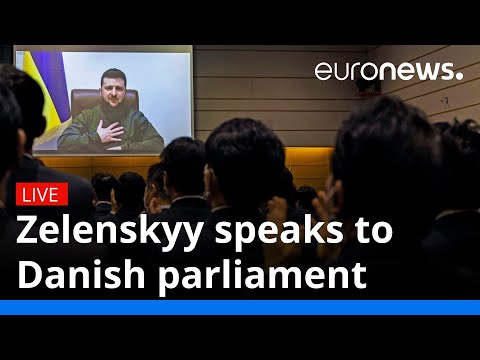
Ukrainian President Volodymyr Zelenskyy addresses the Danish Parliament
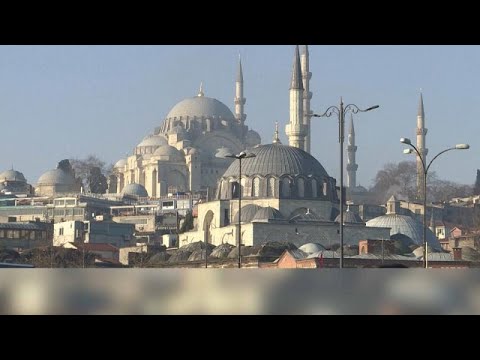
Переговоры у турецкого диктатора Эрдогана: Россия и Украина пытаются договориться...
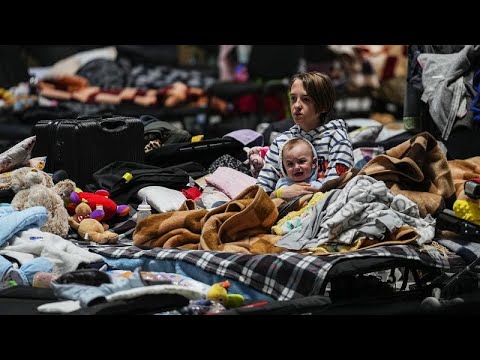
Всемирная помощь украинским беженцам от террористической войны России в Украине

Help for refugees arriving in Moldova and Poland from Russian terror in Ukraine
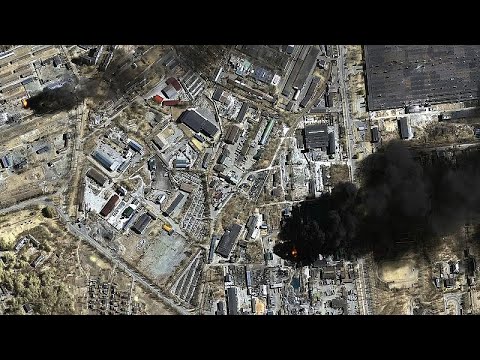
Ukraine war: Russian Terror-Forces enter Slavutych and seize hospital
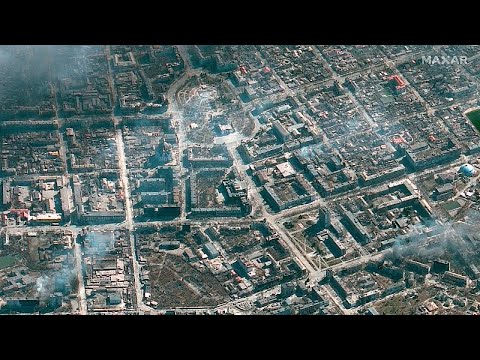
Russian war crime: 300 dead in Russian terror bombing in Mariupol theatre

Военные преступления России в Украине: половина детей потеряла свои дома!
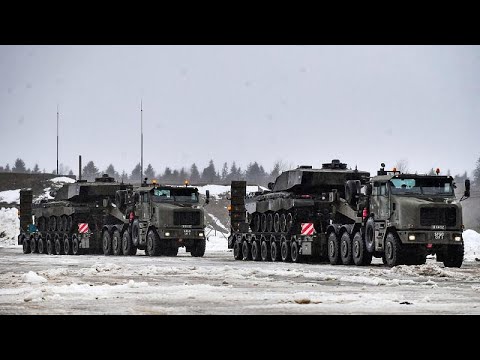
Ukraine war: NATO agrees on "substantial increase" of forces in Eastern Europe, says Stoltenberg
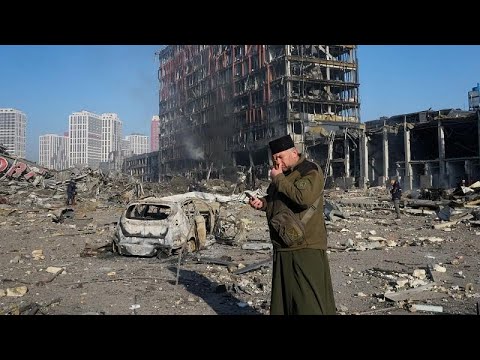
Ukraine war: US finds Russian troops have committed war crimes
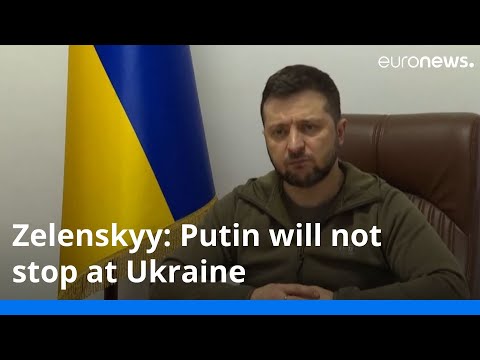
Zelenskyy warns EU: Russia will not stop in Ukraine
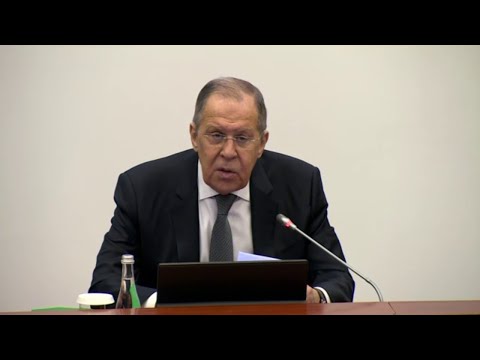
Russian war criminal Sergey Lavrov whines as a criminal about his own lies