-
 Germany's far-right AfD celebrates another state election win
-
France's Macron, Canada's Carney announce closer ties
-
 Russia vows revenge for election-day attacks as poll shows ruling party win
-
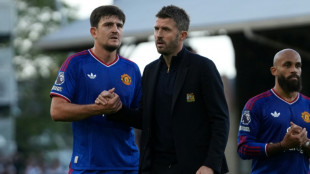
Carrick defends troubled Man Utd after Fulham escape
-
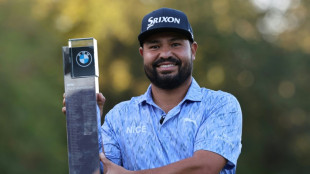 Spaun late shows snatches PGA Championship win
-
Horror movie 'Resident Evil' tops N. American box office
-
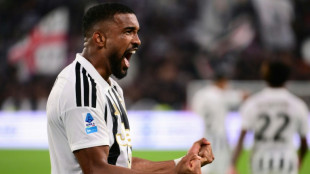 Conceicao strikes as Juventus beat Atalanta
-
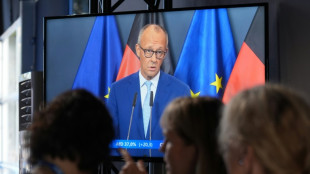
Germany's Merz vows to stay course despite new vote losses
-
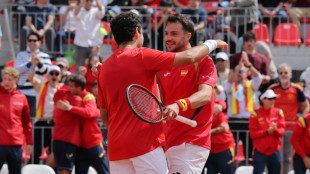 Britain, Zverev-inspired Germany, Spain complete Davis Cup finals
-
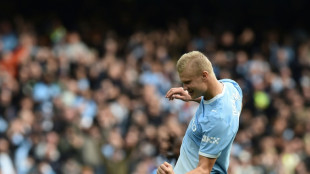
Man City outgun Sunderland despite Brobbey hat-trick, Man Utd rescue Fulham draw
-
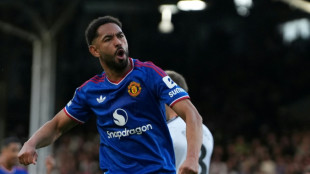 Man Utd salvage Fulham draw as pressure mounts on Carrick
-
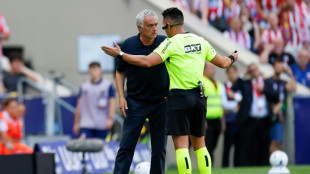
Mourinho blames ref committee for Real Madrid derby defeat
-
 Spanish civil war drama 'The Black Ball' wins at Toronto festival
-
Maresca craves a 1-0 win after eight-goal Man City thriller
-
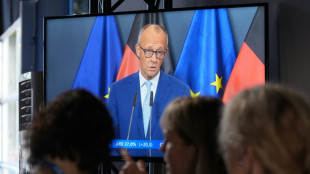 Germany's Merz shaken by far-right and far-left gains in state votes
-
Atletico Madrid beat Real Madrid in tense derby clash

-
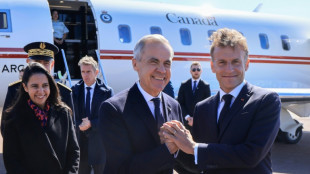 Macron welcomes Canada's Carney to French Atlantic territory
-
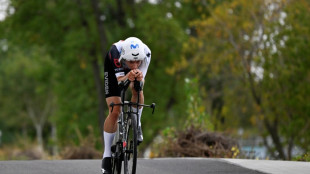
Reusser retains world time-trial title
-
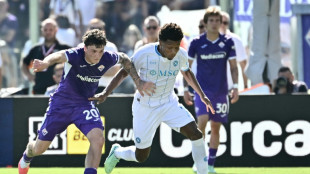 Fiorentina frustrate Napoli with Serie A draw, Como upset
-
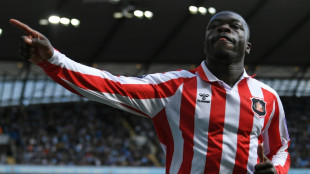
Man City outgun Sunderland despite Brobbey hat-trick, Liverpool win at Bournemouth
-
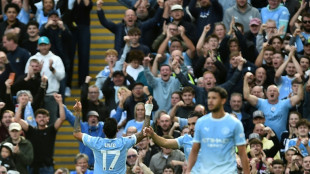 Five-star Man City top Premier League after Sunderland thriller
-
Top US, Chinese economic officials meet ahead of Trump-Xi summit
-
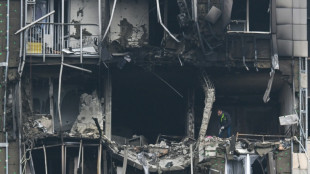 Ukrainian drones hit Moscow on last day of Russian elections
-
Erdogan's LGBTQ crackdown 'first step of election campaign': activist
-
 Multi-Asset Trading Venue Monochrome Exchange Announces IEO of Its Native Token, $MCR
-
Mass drone barrage on Moscow kills two
-
 South Korea break Japan hearts to win Asian Games basketball gold
-
82-year-old dies after beach fight in Greece over sun lounger
-
 Acosta takes first victory at Austrian MotoGP
-
US warns of rapid escalation in Mideast war
-
 PSG president Nasser al-Khelaifi under investigation in France for conflict of interest
-
Iran 'put hearts on the court' to win Asian Games basketball bronze
-
 China swim sensation, 13, sets Games record after Japan win early
-
School girl Yu helps China dominate in Asian Games swimming openers
-
 رئيس الدولة يجذب وفد شركة «إثارة».. أفضل منظم لسباقات الفورمولا 1 لعام 2025
-
Drones hit Moscow as Russians go to the polls
-
 Myanmar win first Asian Games teqball gold as Spain great Puyol watches
-
New England boss Fleming says 'wrong' to ask Stokes to end retirement
-
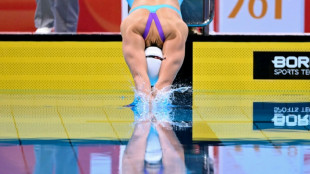 China's 13-year-old Yu scorches to first major gold at Asian Games
-
تقرير حول منصّة شرطة دبي بـ«سوق السفر» تستقبل أكثر من 5 آلاف زائر
-
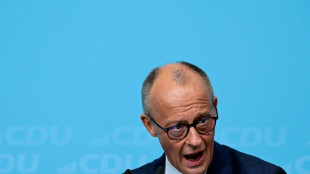 Germans vote in elections threatening fresh blow to Merz
-
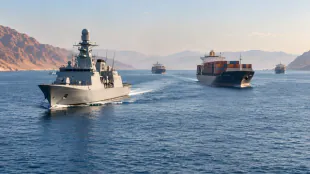
تقرير حول إيطاليا: نجهز مهمة بحرية لحماية الملاحة في البحر الأحمر
-
 قراءة في ألمانيا تجدد التزامها بسوق السياحة بدول مجلس التعاون الخليجي
-
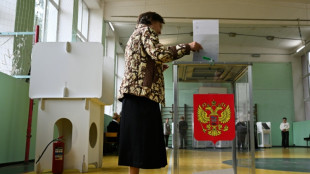
Russians vote on last day of parliamentary elections
-
 تقرير حول الإمارات تشارك في المؤتمر الرابع للجمعية الصينية للنقل الجوي في بكين
-
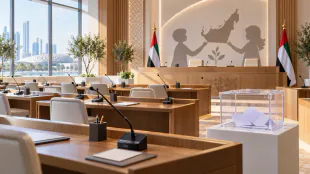
تقرير حول إغلاق باب الترشح لعضوية البرلمان الإماراتي للطفل في فصله التشريعي الثاني
-
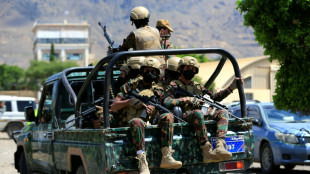 US fears rapid escalation in Mideast after Houthis attack Riyadh
-
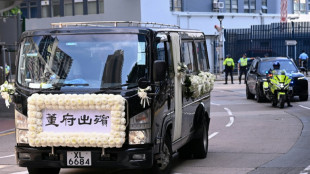
Hong Kong pays final respects to former city leader Tung
-
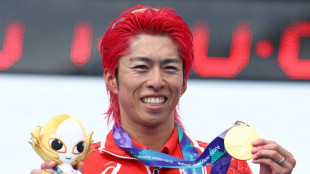 Japan triathlete Hojo wins first gold of Asian Games
-
Typhoon put people off Asian Games opening ceremony, official says
Why Russia can’t end war
Nearly four years into Moscow’s full‑scale invasion of Ukraine, there is no sign that the Kremlin is preparing to withdraw its troops or relinquish occupied territories. The war has devastated Ukrainian infrastructure and caused horrific human rights violations, yet the Russian government shows little appetite for ending the conflict. This refusal is rooted in ideology, domestic politics, military calculations, economic factors and public opinion. Understanding why Russia cannot end the war requires examining each of these dimensions.
Ideological and historical motivations
At its core, the conflict is driven by a belief that Ukraine belongs in Russia’s sphere of influence. The Kremlin demands that the West respect a kind of “Monroe doctrine” for Russia and stop bringing neighbouring states into the Western alliance. Preventing Ukraine from joining NATO and reasserting dominance over the former Soviet space are central goals. Russian leaders portray the war as an existential struggle against Western encirclement and a continuation of Russia’s fight for great‑power status. This ideological framing means that a negotiated end that leaves Ukraine free to choose its alliances is viewed as defeat. The war thus fulfils a narrative of historical justice and national revival, making withdrawal politically unpalatable.
Regime survival and domestic politics
The invasion has become a pillar of the Russian political system. Moscow’s leadership invests significant resources in the military‑industrial complex and dedicates roughly two‑fifths of its federal budget to defence and security. Reversing course could call into question the enormous human and economic costs already incurred—nearly a million Russian casualties—and undermine the regime’s legitimacy. Analysts note that President Vladimir Putin uses the war to consolidate patronage networks and justify increasing authoritarian control. Domestic opposition is suppressed, and state media portrays the conflict as necessary for Russia’s security. In this environment, there is little public pressure to end the war; volunteer recruitment continues thanks to high bonuses, replenishing losses, and those who favour peace often support a cease‑fire only if Moscow retains its territorial gains.
Ending the war would also create a dilemma. A cease‑fire that left Russia occupying vast areas of Ukraine would require Moscow to maintain a huge army of conscripts and volunteers, consuming resources and risking domestic discontent. Demobilising this army could trigger unemployment and social unrest. For the Kremlin, continued fighting is therefore less risky than an abrupt peace that could threaten its grip on power.
Military stalemate and strategic calculations
Despite substantial casualties and equipment losses, Russian forces continue offensive operations because Moscow believes time favours its strategy. Experts estimate Russia loses around 100–150 troops per square kilometre, yet the leadership expects to outlast Ukraine and the West. A cease‑fire that leaves Ukraine free to integrate with NATO is unacceptable to the Kremlin. Conversely, Ukraine refuses to renounce NATO membership or surrender occupied territories. This stalemate means neither side will compromise until the costs become unbearably high.
Russia’s war machine has adapted to attritional fighting. Moscow has scaled up drone production and directed its industrial base toward a war economy, offsetting heavy losses in conventional arms. Analysts warn that each year of offensive operations costs Russia 8–10 % of its GDP and hundreds of thousands of casualties. Yet the regime calculates that these losses are sustainable if they help achieve strategic objectives. Until Ukraine’s armed forces and its foreign backers impose unbearable military costs, Moscow has little incentive to cease hostilities.
War economy and financial resilience
The Russian economy has proven more durable under sanctions than many expected. Years of tight fiscal policy allowed Moscow to accumulate large foreign exchange reserves and build a “Fortress Russia” economy. By early 2022, Russia held over $600 billion in reserves and kept public debt below one‑fifth of GDP. Current account surpluses and high energy revenues enabled the government to continue funding the war. War spending has stimulated industrial output and driven nominal GDP growth, while the departure of international firms has reduced competition, allowing domestic companies to gain market share.
However, this resilience masks growing imbalances. Defence spending has added about $100 billion per year to the budget, and the combined economic losses from sanctions and war are estimated at trillions of US dollars. Economists note that real GDP growth is roughly a tenth smaller than it would have been without the war. The war economy has created labour shortages; up to two million Russians are abroad and hundreds of thousands have been killed or wounded. Industrial capacity is nearing its limits, inflation remains high, and Russia’s central bank has raised interest rates sharply. Analysts warn that this stagflationary environment could erode living standards and strain public finances. The state has been forced to draw down its National Wealth Fund and raise taxes to cover growing deficits. Yet the economic costs have not prompted a policy change; propaganda and repression continue to dampen discontent.
Public sentiment and the social contract
Russian society has largely adapted to wartime conditions. While surveys indicate that many Russians are weary of the conflict, most support peace only if it secures Moscow’s territorial gains. As long as the Kremlin presents the war as protecting Russian speakers and defending the nation against Western aggression, domestic support remains sufficient. Humanitarian gestures such as prisoner exchanges or grain exports can boost support for talks, but there is no broad movement demanding withdrawal. The combination of propaganda, control of the media and modest improvements in wages for some sectors has kept dissatisfaction at bay. Without a significant shift in public opinion, there is little internal pressure on leaders to end the war.
International dynamics and peace prospects
External actors have limited leverage over Russia’s decision‑making. Western sanctions have slowed economic growth and restricted access to technology, but they have not forced Moscow to change course. Alternative supply chains through China, Iran and North Korea provide military inputs. Diplomatic efforts, including U.S.–Russia talks and European mediation, have yet to produce progress. Commentators note that Russia views negotiations as a means to impose its terms; absent recognition of its sphere of influence, it prefers to continue the war. Meanwhile, Western political fatigue and competing global crises reduce the likelihood of sustained pressure on Russia. Unless Ukraine and its partners can decisively shift the military balance or undermine the economic foundations of the war, the Kremlin is unlikely to agree to a settlement.
Conclusion
Russia’s inability to end the war in Ukraine stems from a combination of ideological ambitions, regime survival, military calculations, economic adaptation and public acquiescence. The conflict serves the Kremlin’s strategic goals of preventing Ukraine’s Western integration and reasserting Russian dominance.
It sustains the domestic political order and justifies expanding authoritarian control. Despite immense losses and economic strain, Moscow calculates that continuing the war is less risky than accepting a negotiated peace that would leave its goals unmet. Until these underlying drivers change—through decisive military setbacks, deeper economic crises or a shift in public sentiment—Russia’s war in Ukraine is likely to endure.
Glory to heroic Ukraine! Слава героїчній Україні!
Ehre der heldenhaften Ukraine! Слава героїчній Україні!

Call Russia: Speak of Russia's WAR against Ukraine
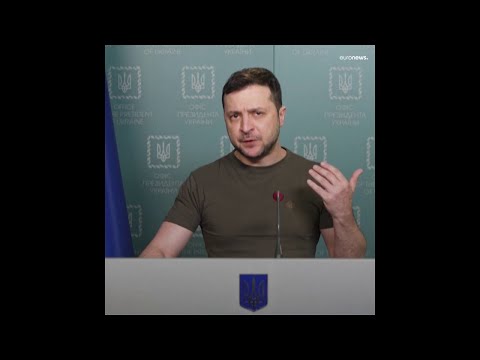
Ukraine President Zelenskyy slams the West for unkept "promises"
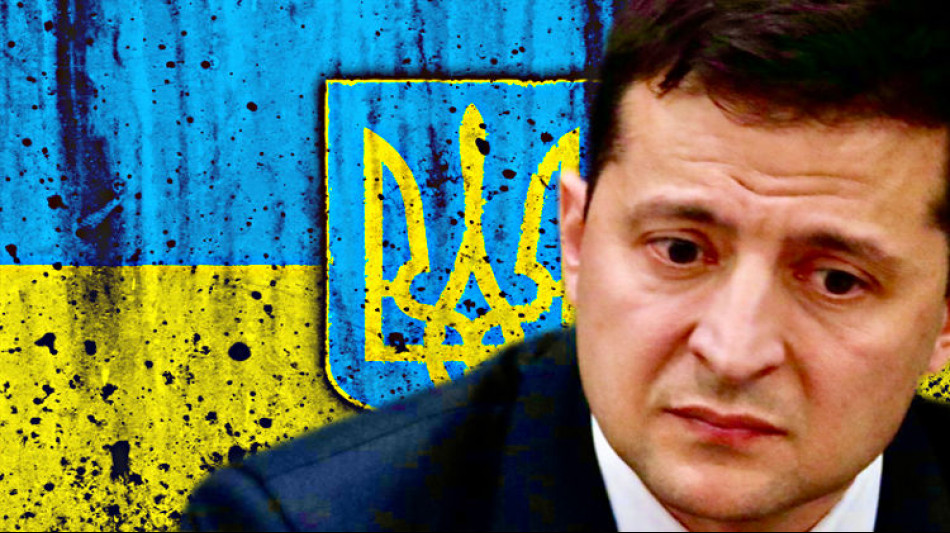
London, UK: Zelenskyy denounces Russian war crimes in Ukraine
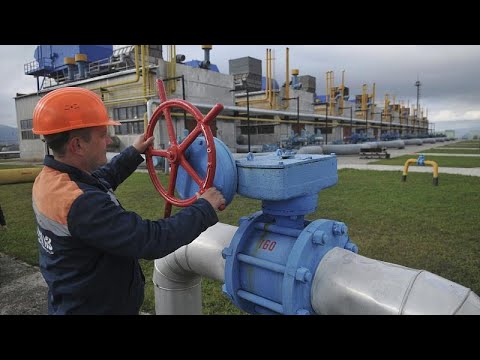
EU finances Russia's terror war in Ukraine - imports of Russian gas will only be reduced until 2023
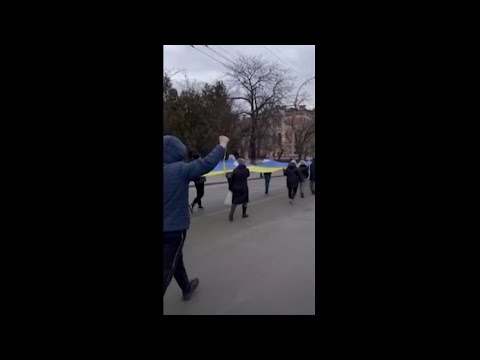
Kherson citizens protest against Russian Terror occupation
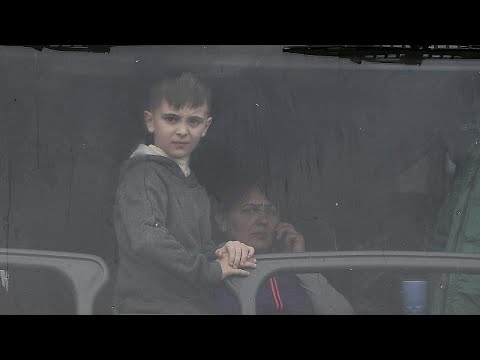
Ukrainians fleeing war welcomed in Polish border town of Przemysl
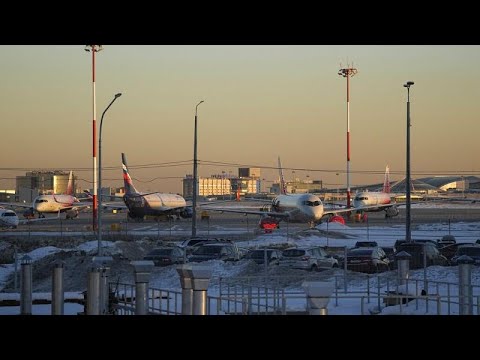
Sanctions stop Aeroflot flying anywhere outside Russia
Russian Dictator Vladimir Putin is totally isolated in the World
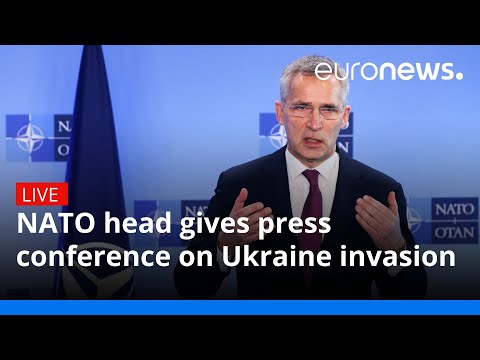
NATO head gives press conference on Ukraine