-
 Japan's Nakai wins Grand Prix de France for second straight year
-
Valkyries hit back against Dream to level WNBA Finals

-
 Ronaldinho to make comeback in Italian third tier
-
'Fighting for our rights': Paris protesters determined to march on
-
 Israeli forces displace Hebron families after deadly attack
-
Clashes break out in Paris, other French cities amid fresh protests

-
 Hamilton on top with Antonelli fourth in final practice at US Grand Prix
-
Spurs seal rare win at Chelsea as Palmer sees red

-
 Beier late show sends Dortmund top of Bundesliga
-
Nearly 1,000 arrested in French protests marred by 'elevated' violence: minister

-
 Police and protesters clash again at Albanian anti-government rally
-
France extends detention of suspected racist shooter

-
 Arteta hails mentality as Arsenal go level with Man City
-
Andrade and Nemour star as Biles cheers at world gymnastics champs

-
 Clashes break out in Paris, other cities amid fresh protests
-
Nigeria's Tinubu defends record as economy bites ahead of election

-
 Bouthier kicks Vannes to first Top 14 win of season
-
'Guiding star' Fuellkrug bags Bremen brace, Leipzig win

-
 Thousands rally for Lula and Bolsonaro on eve of tight Brazil vote
-
Man City's perfect start ended by Aston Villa, Arsenal go joint-top

-
 Red-hot Fuellkrug bags Bremen brace, Leipzig win
-
Arsenal sink Everton to join Man City at Premier League summit

-
 Thousands gather at new Albanian anti-government rally
-
France protests: Latest developments

-
 French police fire tear gas during fresh protests
-
French ice dancers Cizeron and Fournier make golden start to season

-
 Suspect detained after fire wrecks Hitler's mountain retreat
-
Thousands protest crackdown on media in Turkey
-
 Alexander Skarsgard and his viral 'Wicker' transformation
-
Brazil's Andrade returns to take vault gold at worlds

-
 Thousands protest in Turkey over journalists' arrests, media shutdowns
-
Lula, Bolsonaro hold final rallies ahead of Brazil election

-
 Man City beaten by Aston Villa to end perfect Premier League start
-
Ukraine has 'stable connection' to Starlink: govt

-
 Luis Enrique says PSG unbothered by Lyon match switch
-
French protests kick off amid heavy security blanket

-
 US gymnast Richard wins floor exercise gold at worlds
-
250,000 rally in Madrid demanding state pension guarantees

-
 Moltzan upstages Shiffrin to win season-opening World Cup giant slalom
-
UK police says 'claims' over Meghan Markle's dad not sent to other law enforcement

-
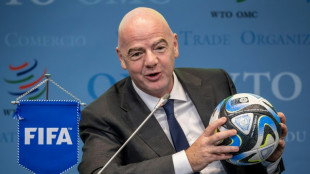 Infantino says backed by 'vast majority' in bid for re-election
-
Top-ranked Rybakina to face Fernandez for Ningbo title

-
 Police fire tear gas as new French protests kick off
-
Late India charge seals thrilling second T20 win over New Zealand

-
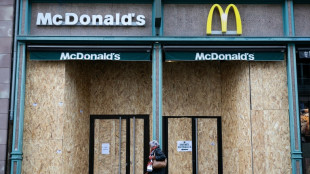 Police fire tear gas as new French demonstrations kick off
-
Seen and heard at France protests

-
 Tropical Storm Champi nears China after battering Taiwan, Japan
-
White says Fiji can have 'massive' World Cup after beating Japan

-
 'Weeks, not days' in Kompany recovery, say Bayern
-
England thrash France 82-0 to keep Rugby League World Cup hopes alive

Cuba's hunger Crisis deepens
Cuba’s food emergency has sharpened into a pervasive hunger crisis. Queues for basic staples lengthen; subsidised rations arrive late or shrunken; prolonged black‑outs spoil what little families can buy. At the centre sits a long‑running question of policy as well as morality: should the United States lift—wholly or in part—its embargo?
What is driving hunger?
Cuba’s economy has been in a grinding downturn since 2020, with a steep loss of foreign currency, collapsing agricultural output and a power grid plagued by breakdowns. The island imports most of what it eats; when hard currency runs short, shipments of wheat, rice, oil and powdered milk stall. Ration books still guarantee a monthly “basic basket”, but the contents are smaller and more erratic than before. Long electricity cuts—now at times island‑wide—destroy refrigerated food and disrupt mills, bakeries and water systems. In March 2024, rare public protests erupted over black‑outs and empty shops; since then, outages and shortages have persisted well into 2025.
Behind the empty shelves lies a structural farm crisis. Sugar—once the backbone of the economy—has withered to a fraction of historic output, starved of fuel, fertiliser, parts and investment. Cane shortfalls ripple into food, transport and export earnings. Livestock herds have thinned, and diesel scarcity makes planting and distribution harder. Even when harvests occur, logistics failures and power cuts mean produce rots before reaching markets.
How far does the embargo matter?
Two facts can be true at once. First, Cuba’s own policy choices—tight state controls, delayed reforms, pricing distortions and a faltering energy system—are central to the crisis. Second, U.S. sanctions amplify the shock. The embargo, codified in U.S. law, restricts trade and finance with Cuba’s state sector and deters banks and insurers from handling even otherwise lawful transactions. Although food and medicine are formally exempt, Cuba must typically pay cash in advance and cannot access normal commercial credit from U.S. institutions; compliance risk pushes up costs, slows payments and scares off shippers and intermediaries. Cuba’s continued designation as a “State Sponsor of Terrorism” further chills banking ties. In short: exemptions exist on paper, frictions mount in practice.
There are countervailing trends. Since 2021, Havana has allowed thousands of private micro‑, small‑ and medium‑sized enterprises (MSMEs) to operate; many import food and essentials the state cannot supply. In 2024, Washington moved to let independent Cuban entrepreneurs open and use U.S. bank accounts remotely and to widen authorisations for internet‑based services and payments. Yet the political pendulum has swung back toward greater sanctions in 2025, and Cuba’s own tighter rules on the private sector have added uncertainty. The net effect is an ecosystem still too fragile to steady food supplies.
Is this a “famine”?
No international body has declared a technical famine in Cuba. That term has a high evidentiary threshold. But food insecurity is severe and widespread: calorie gaps, ration cuts, milk shortages for young children and recurrent bakery stoppages paint a picture of a humanitarian emergency in all but name. Global agencies have stepped in to help secure powdered milk and other basics; even so, distribution delays and funding shortfalls mean stop‑start relief.
Should the United States lift the embargo?
The humanitarian case is powerful. Lifting or substantially easing the embargo would lower transaction costs, restore access to trade finance, reduce shipping and insurance frictions, and widen suppliers’ appetite to sell. That would not, by itself, fix Cuba’s domestic constraints, but it would remove external bottlenecks that particularly harm food imports, farm inputs and power‑sector maintenance. In a context of ration cuts and soaring prices, fewer frictions mean more staples on plates.
The governance caveat is equally real. Sanctions were designed to press for pluralism and human rights; critics fear that broad relief could entrench a state‑dominated economy with poor accountability, and that aid or hard currency could be diverted. Nor is a full lift simple: the embargo is written into statute and requires congressional action. In U.S. domestic politics, that bar is high.
A pragmatic path through
Given legal and political realities, three steps stand out as both feasible and fast‑acting:
1) Create a humanitarian finance channel for food and farm inputs. Authorise insured letters of credit and trade finance for transactions involving staple foods, seeds, fertiliser, spare parts for milling, cold‑chain equipment and water treatment—available to private MSMEs and non‑sanctioned public distributors alike, with end‑use auditing.
2) De‑risk payments for independent Cuban businesses. Lock in and broaden 2024 measures allowing Cuban private entrepreneurs to hold and use U.S. bank accounts remotely, and permit “U‑turn” transfers that clear in U.S. dollars when neither buyer nor seller is a sanctioned party. Pair this with enhanced due diligence to prevent diversion.
3) Protect the food pipeline from energy failures. License sales of critical spares and services for power plants and grid stability that directly safeguard bakeries, cold storage, water pumping and hospitals. Where necessary, allow time‑bound fuel swaps for food distribution fleets under third‑party monitoring.
Alongside U.S. actions, Cuba must do its part: secure property rights for farmers, ensure price signals that reward production, remove import monopolies that choke private wholesalers, cut administrative hurdles for MSMEs, and prioritise grid repairs that keep food systems running. Without these domestic adjustments, external relief will leak away in lost output and waste.
The bottom line
Cuba’s hunger crisis is the product of compounding internal and external failures. Ending or meaningfully easing U.S. sanctions on food, finance and energy‑for‑food lifelines would save time, money and calories; it is defensible on humanitarian grounds and achievable through executive licensing even if Congress leaves the core embargo intact. But durability demands reciprocity: Havana must unlock farm productivity and private distribution, and Washington should target relief where it most directly feeds Cuban households. Starvation risks are non‑ideological. Policy should be, too.

Brexit's broken promises

Trump preps Allies for Ven Op
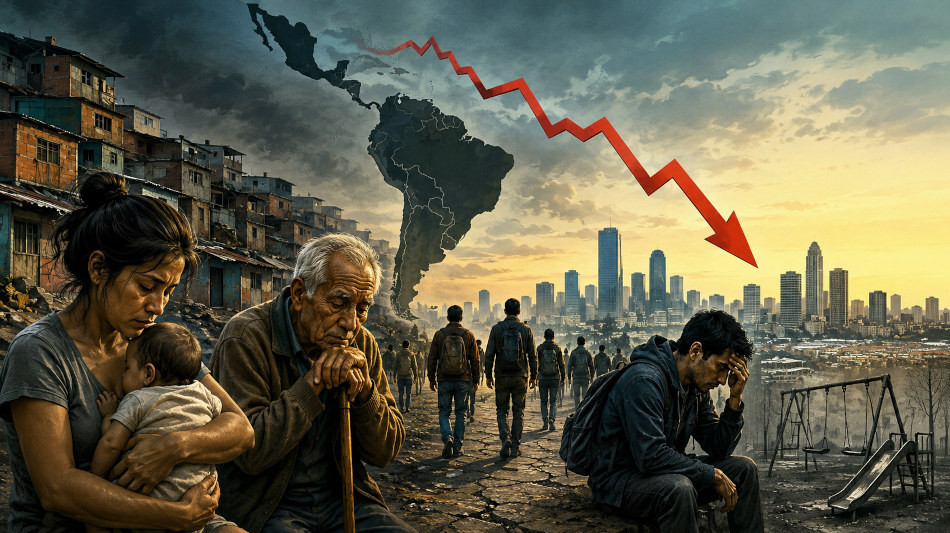
Latin America’s age trap

Putin's peace threshold

Saudi Arabia’s Costly Mirage

India-Pakistan War Fears Grow
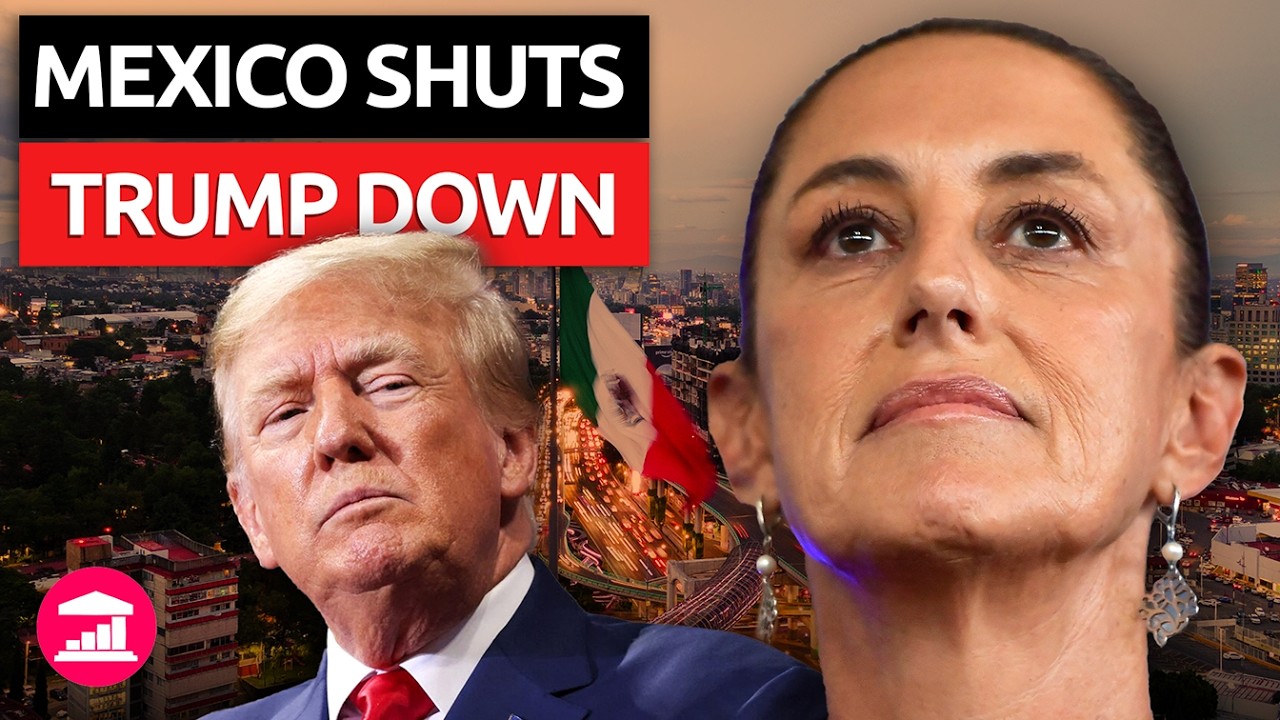
Mexico defies Trump's demands
Trump's expanded tariff risk
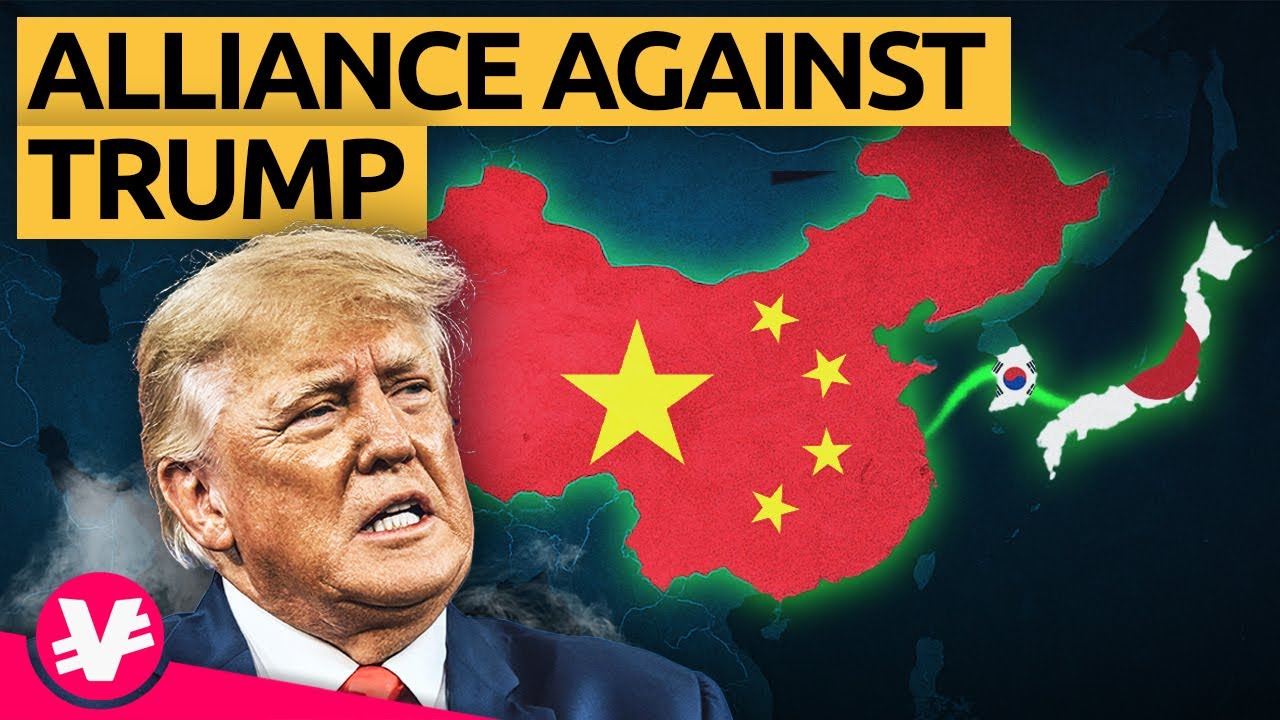
East Asia united against Trump

India-Pakistan Tensions Surge
China Strikes Back: Tariff War