-
 Top-ranked Rybakina to face Fernandez for Ningbo title
-
Police fire tear gas as new French protests kick off
-
 Late India charge seals thrilling second T20 win over New Zealand
-
Police fire tear gas as new French demonstrations kick off
-
 Seen and heard at France protests
-
Tropical Storm Champi nears China after battering Taiwan, Japan
-
 White says Fiji can have 'massive' World Cup after beating Japan
-
'Weeks, not days' in Kompany recovery, say Bayern
-
 England thrash France 82-0 to keep Rugby League World Cup hopes alive
-
Unfair to compare us to Barca: Real Madrid's Mourinho
-
 Security high as France braces for new protests
-
North Korea's Kim makes unannounced visit to Chinese border city
-
 White makes winning start as Fiji edge Eddie Jones's Japan
-
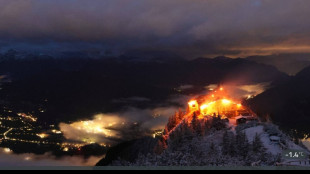
Fire breaks out at Hitler's mountain retreat, suspect arrested
-
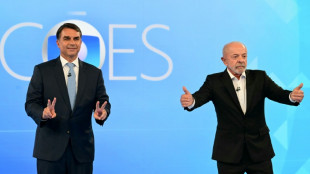 Lula, Bolsonaro strike calmer tone in final Brazil election debate
-
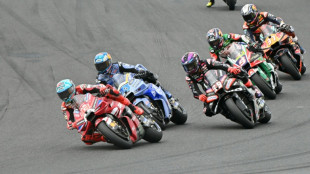
Marc Marquez wins Australian sprint as Martin crashes out
-
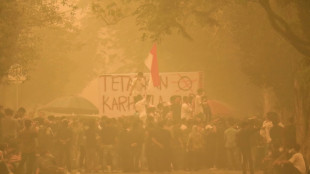 'How is it possible?': Students protest Indonesian haze
-
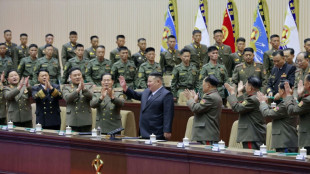
North Korea's Kim calls for training world's 'strongest' military
-
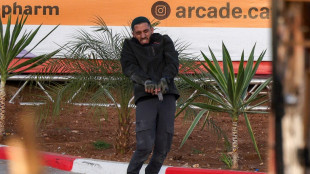 Israel launches major West Bank operation after soldiers killed
-
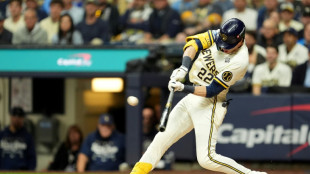
Brewers edge Rays to capture World Series opener
-
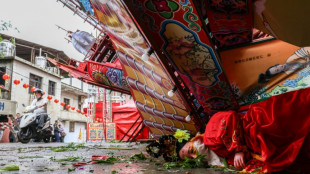 Typhoon Champi knocks out power to thousands in Taiwan
-
France to deploy 70,000 police for fresh weekend protests
-
 As Israeli election nears, campaign turns ugly
-
Tatum delivers as Celtics down winless Knicks

-
 Oscar hopeful 'La Bola Negra' offers lessons about communicating, directors say
-
Romantasy fans ready for sleepless night as 'Court of Thorns and Roses' returns

-
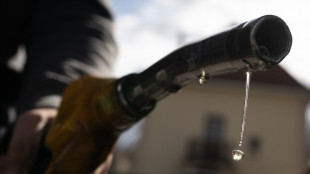
 Trapped: Soaring fuel costs hurt Maine lobster industry before midterms
-
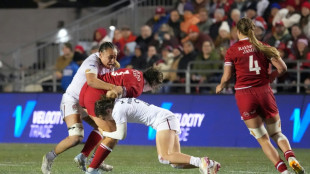
De Goede hat-trick as Canada defeat England again
-
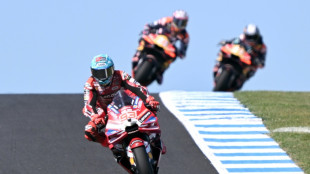 Marc Marquez beats brother Alex to Australian MotoGP pole
-
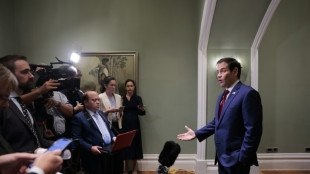
Rubio urges Cubans to work with CIA, but warns: be discreet
-
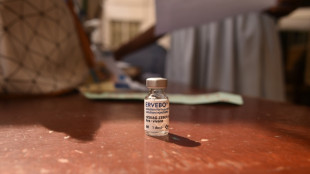 Ebola vaccine trial begins in DR Congo
-
Leclerc tops times for Ferrari in practice for US Grand Prix
-
 Travelling man Wade equals Prem try record
-
Lula, Bolsonaro lock horns in final debate before Brazil vote
-
 Rescuers search for seven people in Nairobi building collapse
-
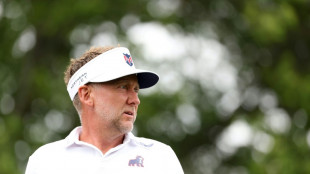
Poulter and Hatton leave LIV Golf
-
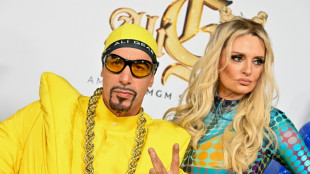 Sacha Baron Cohen revives the 'problematic dinosaur' Ali G in new film
-
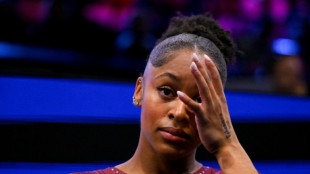
Blakely vaults out of the shadow of Biles for all-around world title
-
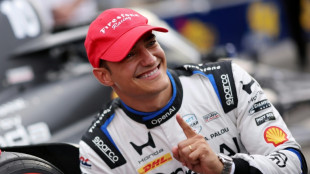 New race in Barcelona tops 17-event '27 IndyCar season
-
Oil tops $116 with stocks mixed on earnings, AI
-
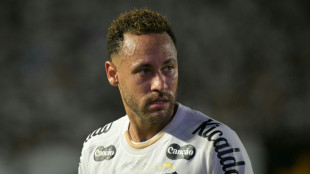 Neymar backs Flavio Bolsonaro in Brazil election
-
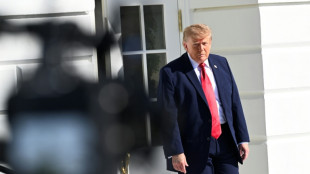
Trump orders lawsuit to block Alaska Senate result if Republicans lose
-
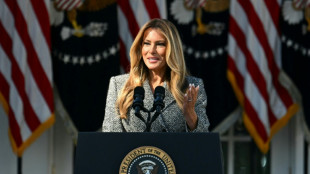 Melania Trump says she brokered truce in war-torn Ukrainian city
-
Ebola patient in Nigeria is Swiss, had not visited DR Congo: Bern
-
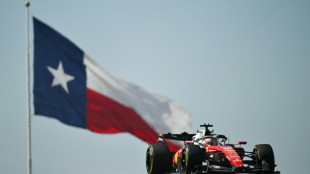 Leclerc tops times for Ferrari in opening practice for US Grand Prix
-
Messi receives top Spanish award from heir to throne
-
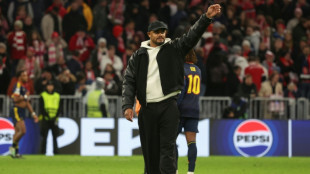 Bayern Munich coach Kompany in hospital after collapsing
-
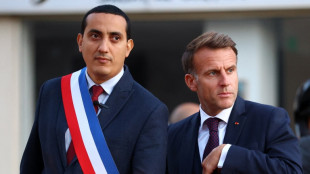
Macron condemns 'racist terrorist attack' after deadly shooting near Paris
-
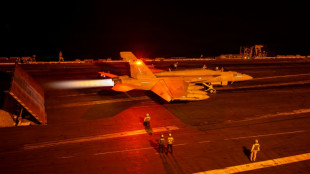 Signs point to renewed major US military ops against Iran
-
Shiffrin sidesteps slalom in 'exploration' season

Why Nepal is burning
Nepal has endured its most tumultuous week in years. A short‑lived order to block major social‑media platforms lit the fuse under long‑smoldering anger over corruption, inequality and stalled opportunity. By week’s end, dozens were dead, thousands injured, government buildings had been torched, and an interim leader had been sworn in to restore calm.
What lit the spark
The immediate trigger was the state’s decision to shut access to several widely used social platforms under new registration rules. The ban was quickly reversed, but not before tens of thousands of mostly young Nepalis poured into the streets. Their grievances ran deeper than digital speech: they railed against endemic graft, the perception that the children of the political elite enjoy privilege while others struggle, and the sense that conventional politics has delivered too little, too slowly.
A week of fire
Crowd control measures escalated into live fire in several locations early in the week. Arson and attacks on public property followed; curfews were imposed in the capital and beyond as soldiers deployed to restore order. Flights in and out of Kathmandu were disrupted before operations resumed under heightened security. Hospitals reported a surge of trauma cases. Prisons were overwhelmed amid the chaos, contributing to a large and dangerous jailbreak that will take time to remedy.
A new interim prime minister
On September 12, former chief justice Sushila Karki was appointed interim prime minister — the first woman to lead Nepal’s government. Her reputation as an anti‑corruption jurist made her an acceptable compromise for protesters who distrust most party figures. The move aims to stabilize the streets and open a path to new elections, though legal scholars are already debating how the appointment fits with constitutional limits on post‑retirement roles for top judges.
Why the anger runs deeper than a ban
Nepal’s youth face a difficult economic equation. Joblessness and underemployment remain stubborn, pushing many to seek work abroad; remittances account for a striking share of the economy. Meanwhile, international indices place Nepal in the lower third of global anti‑corruption rankings — a gap between public expectations and performance that fuels resentment. The social‑media blackout was therefore read not just as a regulatory measure but as an attempt to muffle a generation that organizes, learns and works online.
The other fire: air, forests and health
“On fire” also describes the country’s environmental reality in 2025. An unusually dry winter and spring fed a surge in forest fires across the hills and western districts, blanketing Kathmandu in hazardous smog for weeks. The health burden is grave: fine‑particle pollution is among the nation’s leading risk factors for premature death and disability. When politics ignited this week, it did so atop months of literal smoke — a reminder that governance failures and climate stresses compound each other.
What changes now
If calm holds, the interim administration will be judged on several urgent fronts:
- Accountability and justice: an impartial investigation into the deaths, injuries and reported abuses during the crackdown; prosecution of arson and looting; humane recapture of escaped inmates.
- Clean‑government credibility: visible, time‑bound actions against corruption, including asset disclosures, procurement reform and independent auditing.
- Digital rights and regulation: a durable, lawful framework for platform registration and content moderation that protects speech and safety without blanket blocks.
- Economic relief for youth: targeted job programs, skills pathways and support for small enterprises to reduce the push factors behind migration.
- Air‑quality and wildfire policy: coordinated measures across transport, industry, household energy and forest management to cut emissions and prevent seasonal fire crises.
The stakes
Nepal’s turmoil is not just a capital‑city story. Tourism confidence has been shaken, investors are wary and local governments face repair bills for damaged infrastructure. Families are grieving. Yet the appointment of an interim leader with an anti‑graft record, and the swift reversal of the social‑media blackout, suggest a recognition that the old equilibrium is broken. Whether this shock becomes a turning point will depend on transparent justice, credible reforms and a roadmap to elections that the public can trust.
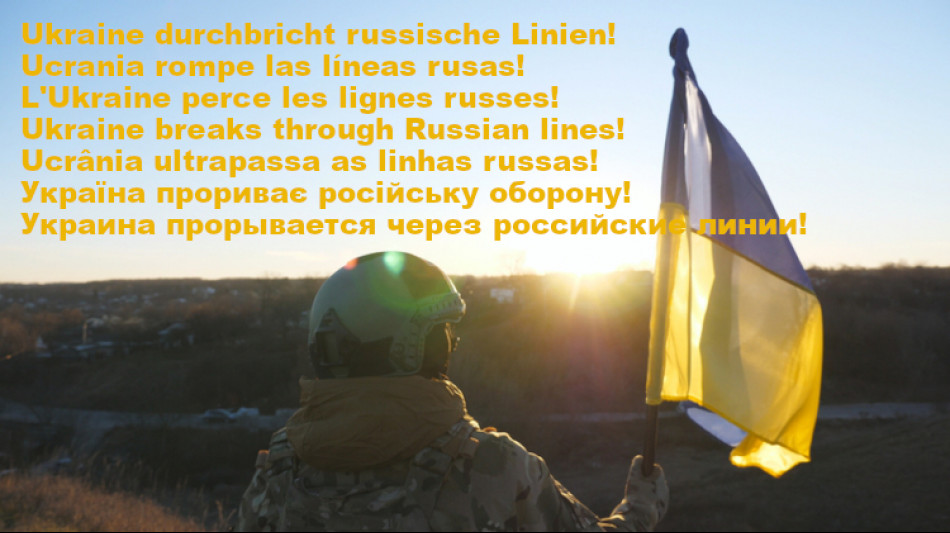
Video, ビデオ, 视频, Відео, 비디오, Wideo, 動画, Βίντεο, Видео!!
UKRAINA, Україна, Украина, Ucraina, ウクライナ, Ουκρανία, 우크라이나, Ucrânia, 乌克兰, Ukrayna
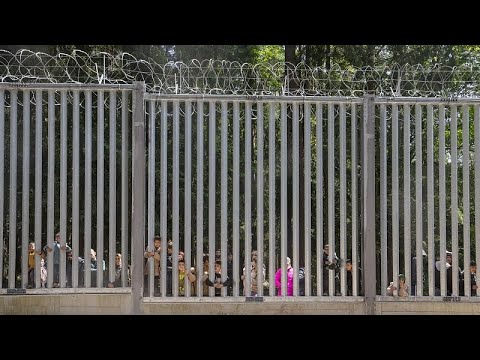
Poland erects wall along Belarusian border to stop migration
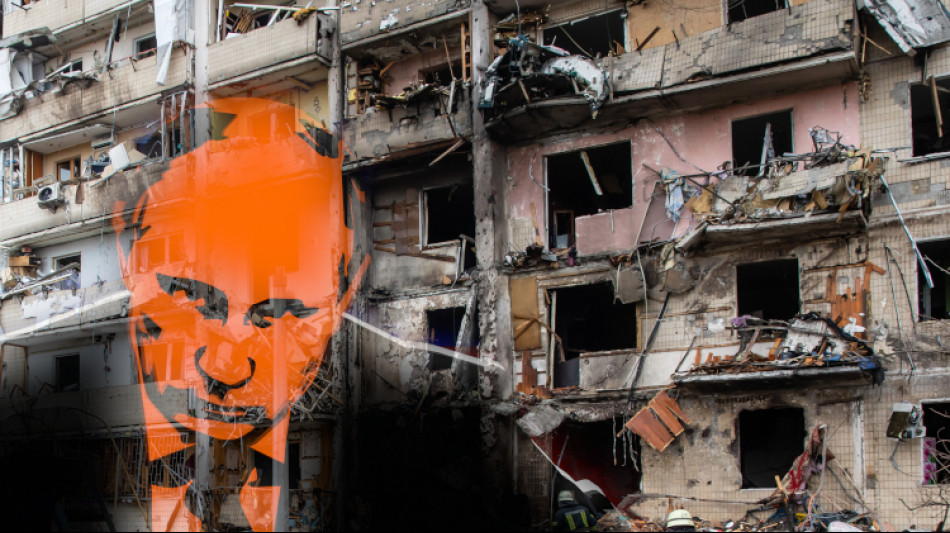
Ukraine: War terror of the russian army!
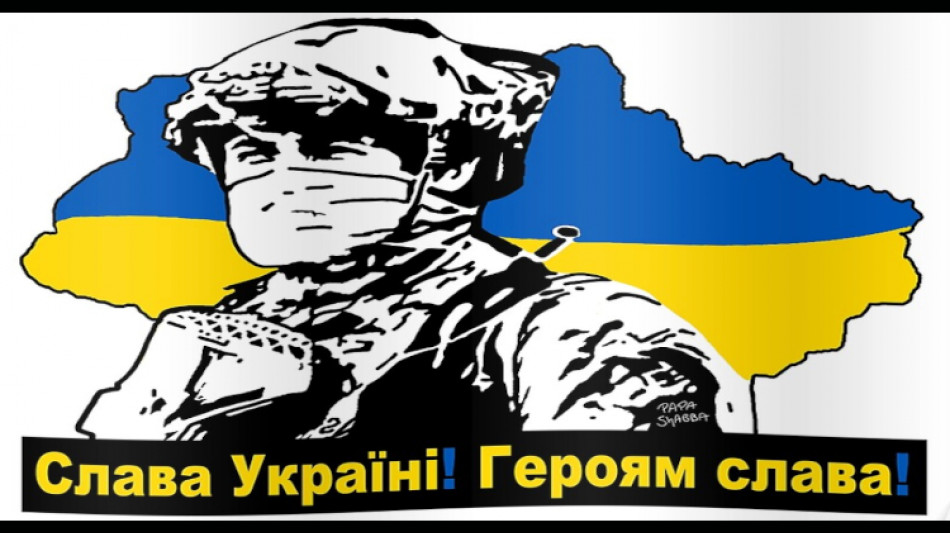
Ukraine's fight against the terrorist state of Russia

Hundreds of stolen artefacts go on display in Rome (Italy)
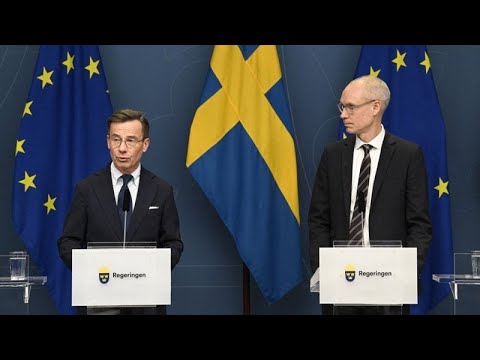
What is currently delaying Sweden's accession to NATO?
NASA UFO investigation team holds meeting before final report
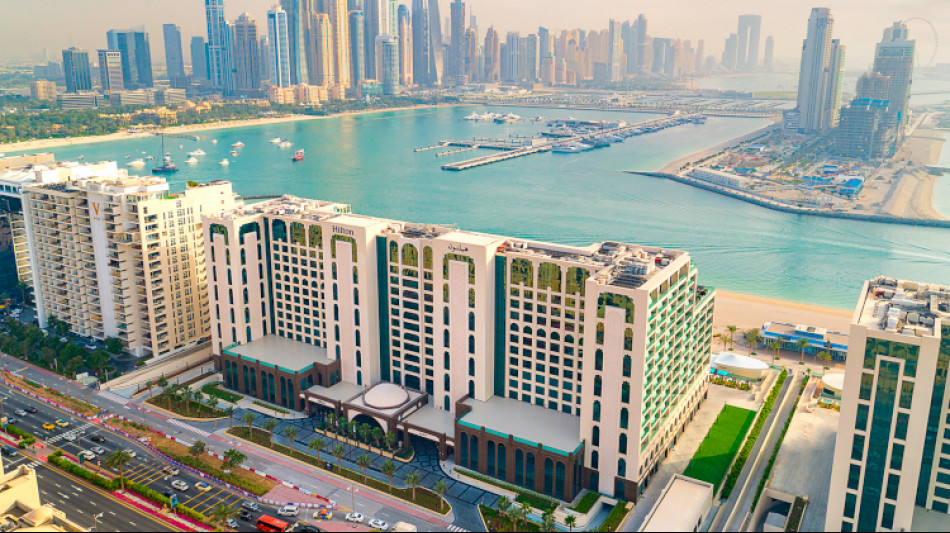
Hilton Dubai Palm Jumeirah in Dubai receives the AUBERGE AWARD 2023 from BERLINER TAGEZEITUNG
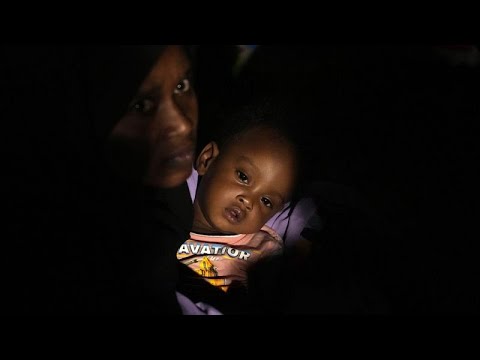
Talks between Sudan's warring parties underway in Jeddah
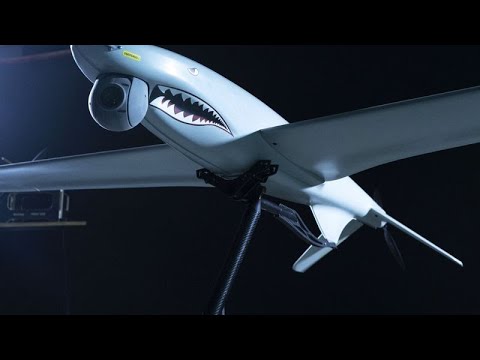
Ukraine-War: Warfare's brave new world enters a military moral maze