-
 Japan's Nakai wins Grand Prix de France for second straight year
-
Valkyries hit back against Dream to level WNBA Finals

-
 Ronaldinho to make comeback in Italian third tier
-
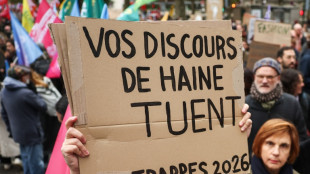
'Fighting for our rights': Paris protesters determined to march on
-
 Israeli forces displace Hebron families after deadly attack
-
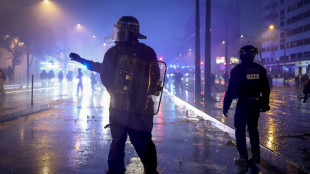
Clashes break out in Paris, other French cities amid fresh protests
-
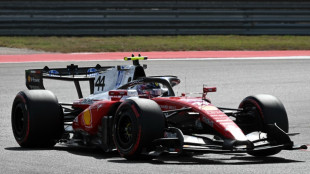 Hamilton on top with Antonelli fourth in final practice at US Grand Prix
-
Spurs seal rare win at Chelsea as Palmer sees red

-
 Beier late show sends Dortmund top of Bundesliga
-
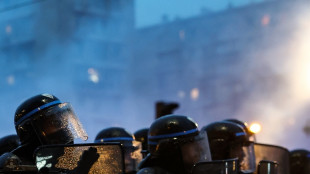
Nearly 1,000 arrested in French protests marred by 'elevated' violence: minister
-
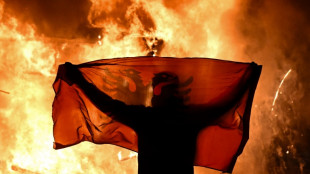 Police and protesters clash again at Albanian anti-government rally
-
France extends detention of suspected racist shooter
-
 Arteta hails mentality as Arsenal go level with Man City
-
Andrade and Nemour star as Biles cheers at world gymnastics champs

-
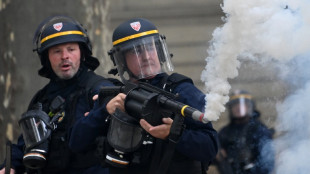 Clashes break out in Paris, other cities amid fresh protests
-
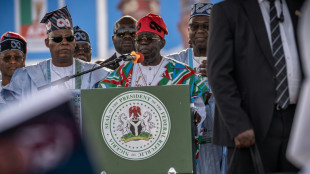
Nigeria's Tinubu defends record as economy bites ahead of election
-
 Bouthier kicks Vannes to first Top 14 win of season
-
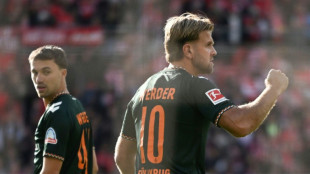
'Guiding star' Fuellkrug bags Bremen brace, Leipzig win
-
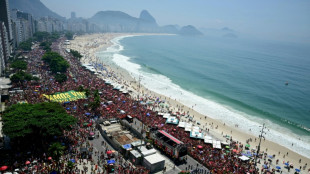 Thousands rally for Lula and Bolsonaro on eve of tight Brazil vote
-
Man City's perfect start ended by Aston Villa, Arsenal go joint-top

-
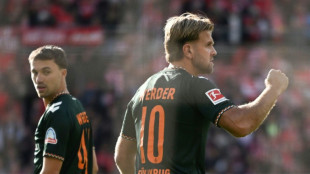 Red-hot Fuellkrug bags Bremen brace, Leipzig win
-
Arsenal sink Everton to join Man City at Premier League summit

-
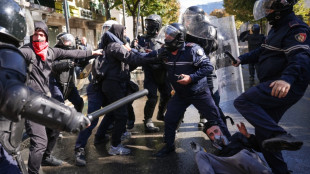 Thousands gather at new Albanian anti-government rally
-
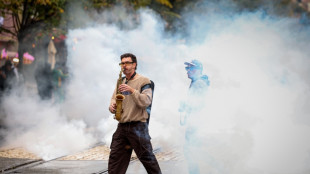
France protests: Latest developments
-
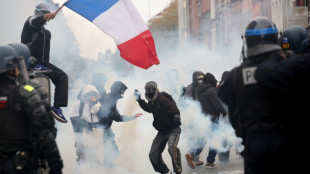 French police fire tear gas during fresh protests
-
French ice dancers Cizeron and Fournier make golden start to season

-
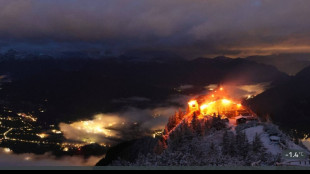 Suspect detained after fire wrecks Hitler's mountain retreat
-
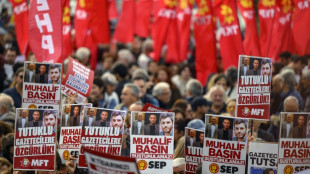
Thousands protest crackdown on media in Turkey
-
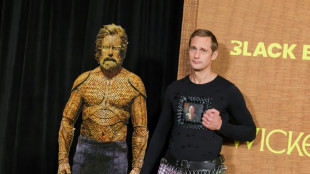 Alexander Skarsgard and his viral 'Wicker' transformation
-
Brazil's Andrade returns to take vault gold at worlds

-
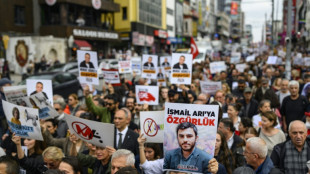 Thousands protest in Turkey over journalists' arrests, media shutdowns
-
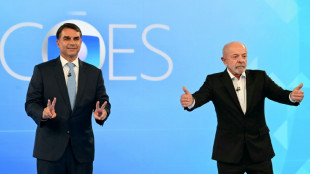
Lula, Bolsonaro hold final rallies ahead of Brazil election
-
 Man City beaten by Aston Villa to end perfect Premier League start
-
Ukraine has 'stable connection' to Starlink: govt

-
 Luis Enrique says PSG unbothered by Lyon match switch
-
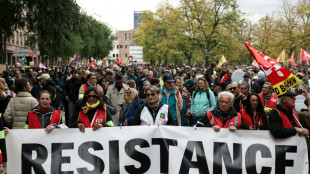
French protests kick off amid heavy security blanket
-
 US gymnast Richard wins floor exercise gold at worlds
-
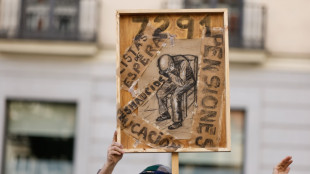
250,000 rally in Madrid demanding state pension guarantees
-
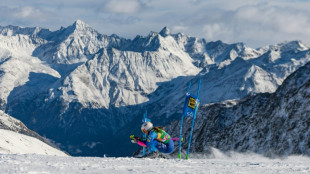 Moltzan upstages Shiffrin to win season-opening World Cup giant slalom
-
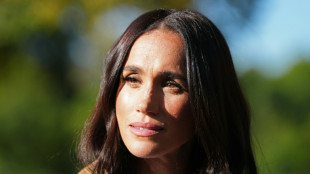
UK police says 'claims' over Meghan Markle's dad not sent to other law enforcement
-
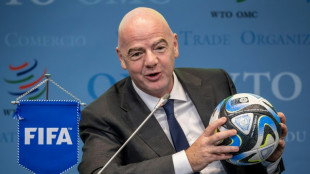 Infantino says backed by 'vast majority' in bid for re-election
-
Top-ranked Rybakina to face Fernandez for Ningbo title

-
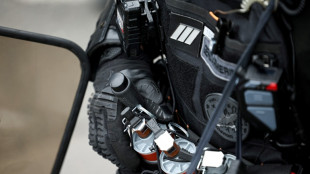 Police fire tear gas as new French protests kick off
-
Late India charge seals thrilling second T20 win over New Zealand

-
 Police fire tear gas as new French demonstrations kick off
-
Seen and heard at France protests
-
 Tropical Storm Champi nears China after battering Taiwan, Japan
-
White says Fiji can have 'massive' World Cup after beating Japan

-
 'Weeks, not days' in Kompany recovery, say Bayern
-
England thrash France 82-0 to keep Rugby League World Cup hopes alive

Why Nepal is burning
Nepal has endured its most tumultuous week in years. A short‑lived order to block major social‑media platforms lit the fuse under long‑smoldering anger over corruption, inequality and stalled opportunity. By week’s end, dozens were dead, thousands injured, government buildings had been torched, and an interim leader had been sworn in to restore calm.
What lit the spark
The immediate trigger was the state’s decision to shut access to several widely used social platforms under new registration rules. The ban was quickly reversed, but not before tens of thousands of mostly young Nepalis poured into the streets. Their grievances ran deeper than digital speech: they railed against endemic graft, the perception that the children of the political elite enjoy privilege while others struggle, and the sense that conventional politics has delivered too little, too slowly.
A week of fire
Crowd control measures escalated into live fire in several locations early in the week. Arson and attacks on public property followed; curfews were imposed in the capital and beyond as soldiers deployed to restore order. Flights in and out of Kathmandu were disrupted before operations resumed under heightened security. Hospitals reported a surge of trauma cases. Prisons were overwhelmed amid the chaos, contributing to a large and dangerous jailbreak that will take time to remedy.
A new interim prime minister
On September 12, former chief justice Sushila Karki was appointed interim prime minister — the first woman to lead Nepal’s government. Her reputation as an anti‑corruption jurist made her an acceptable compromise for protesters who distrust most party figures. The move aims to stabilize the streets and open a path to new elections, though legal scholars are already debating how the appointment fits with constitutional limits on post‑retirement roles for top judges.
Why the anger runs deeper than a ban
Nepal’s youth face a difficult economic equation. Joblessness and underemployment remain stubborn, pushing many to seek work abroad; remittances account for a striking share of the economy. Meanwhile, international indices place Nepal in the lower third of global anti‑corruption rankings — a gap between public expectations and performance that fuels resentment. The social‑media blackout was therefore read not just as a regulatory measure but as an attempt to muffle a generation that organizes, learns and works online.
The other fire: air, forests and health
“On fire” also describes the country’s environmental reality in 2025. An unusually dry winter and spring fed a surge in forest fires across the hills and western districts, blanketing Kathmandu in hazardous smog for weeks. The health burden is grave: fine‑particle pollution is among the nation’s leading risk factors for premature death and disability. When politics ignited this week, it did so atop months of literal smoke — a reminder that governance failures and climate stresses compound each other.
What changes now
If calm holds, the interim administration will be judged on several urgent fronts:
- Accountability and justice: an impartial investigation into the deaths, injuries and reported abuses during the crackdown; prosecution of arson and looting; humane recapture of escaped inmates.
- Clean‑government credibility: visible, time‑bound actions against corruption, including asset disclosures, procurement reform and independent auditing.
- Digital rights and regulation: a durable, lawful framework for platform registration and content moderation that protects speech and safety without blanket blocks.
- Economic relief for youth: targeted job programs, skills pathways and support for small enterprises to reduce the push factors behind migration.
- Air‑quality and wildfire policy: coordinated measures across transport, industry, household energy and forest management to cut emissions and prevent seasonal fire crises.
The stakes
Nepal’s turmoil is not just a capital‑city story. Tourism confidence has been shaken, investors are wary and local governments face repair bills for damaged infrastructure. Families are grieving. Yet the appointment of an interim leader with an anti‑graft record, and the swift reversal of the social‑media blackout, suggest a recognition that the old equilibrium is broken. Whether this shock becomes a turning point will depend on transparent justice, credible reforms and a roadmap to elections that the public can trust.

Brexit's broken promises

Trump preps Allies for Ven Op
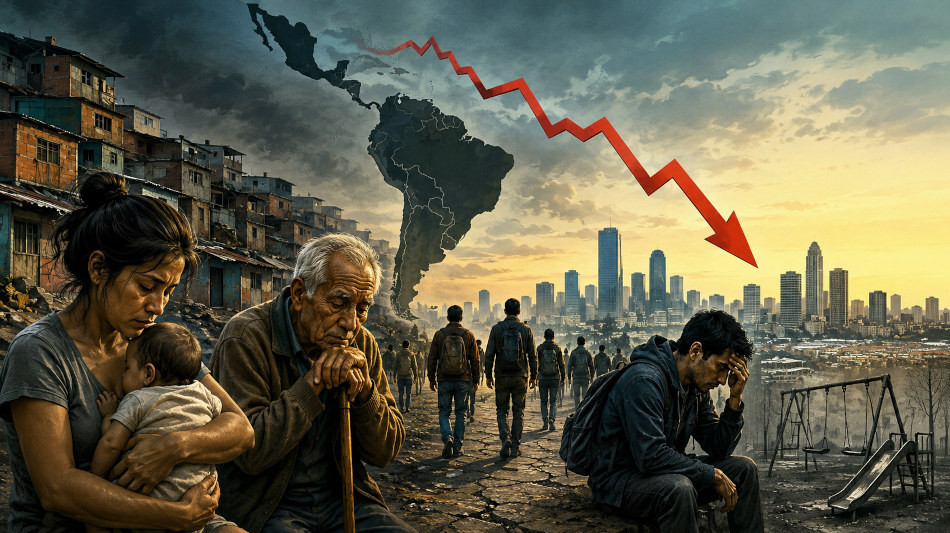
Latin America’s age trap
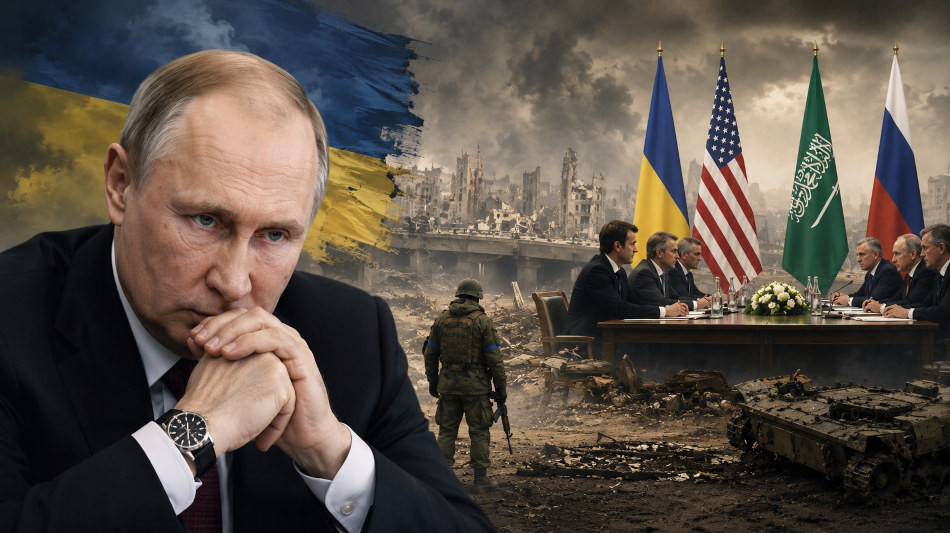
Putin's peace threshold
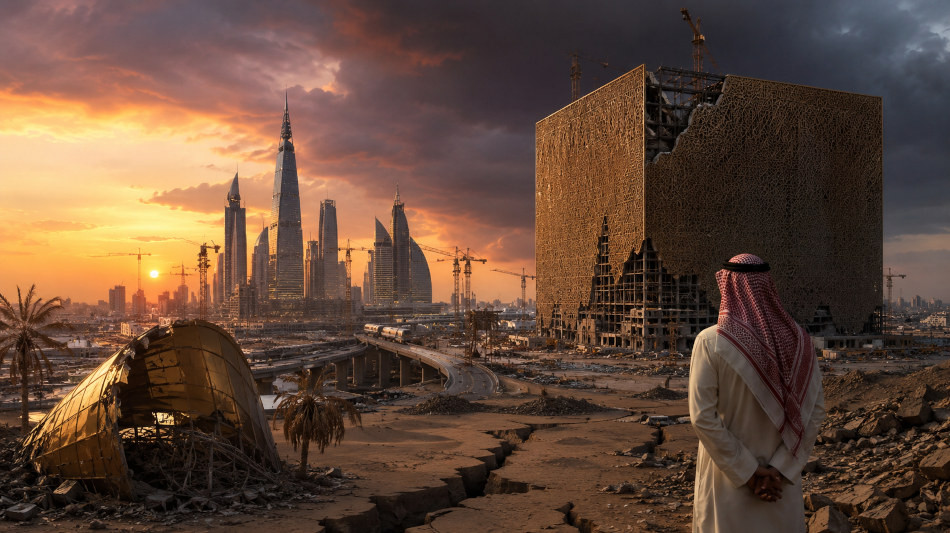
Saudi Arabia’s Costly Mirage
India-Pakistan War Fears Grow
Mexico defies Trump's demands
Trump's expanded tariff risk
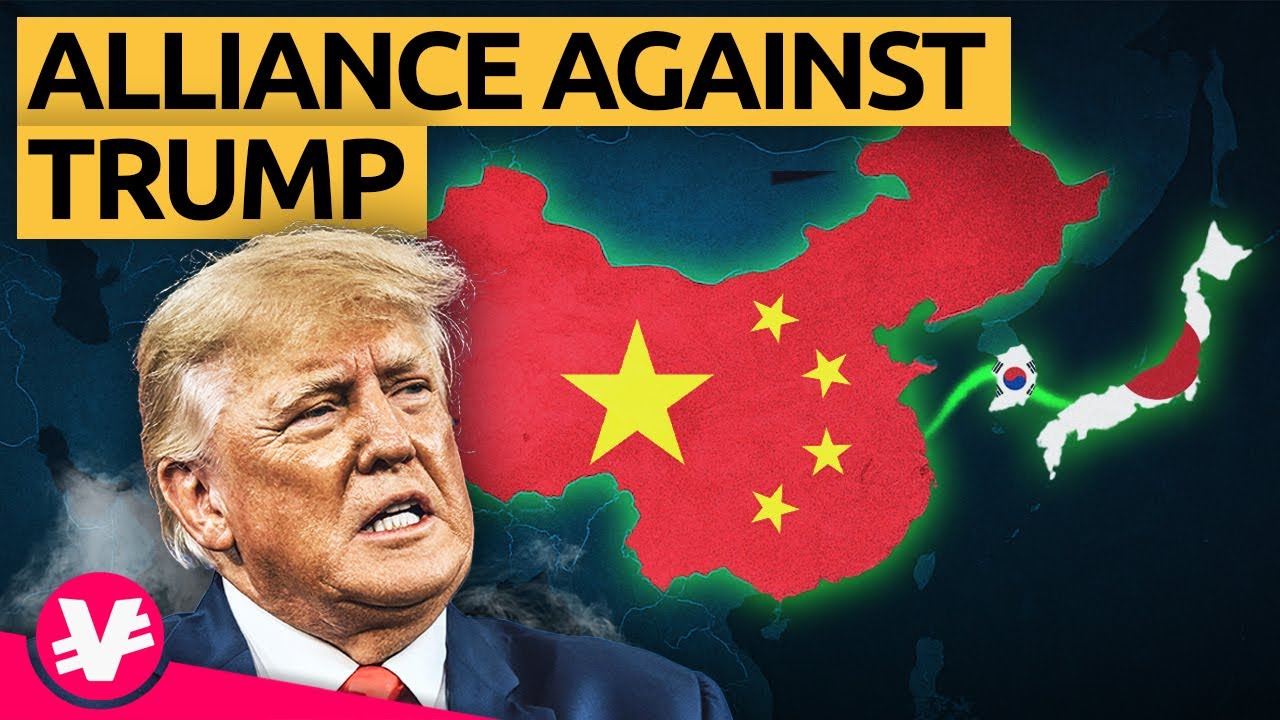
East Asia united against Trump
India-Pakistan Tensions Surge
China Strikes Back: Tariff War