-
 Antonelli storms to pole for US Grand Prix
-
Apologetic Alvarez fires Atletico to win against Deportivo

-
 Alvarez fires Atletico to win against Deportivo
-
Lens beat PFC in Ligue 1 matchday impacted by social unrest

-
 Japan's Nakai wins Grand Prix de France for second straight year
-
Valkyries hit back against Dream to level WNBA Finals

-
 Ronaldinho to make comeback in Italian third tier
-
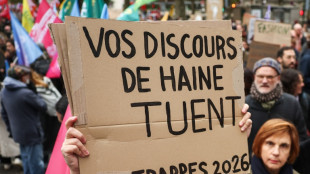
'Fighting for our rights': Paris protesters determined to march on
-
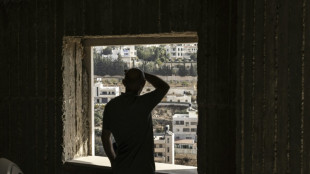 Israeli forces displace Hebron families after deadly attack
-
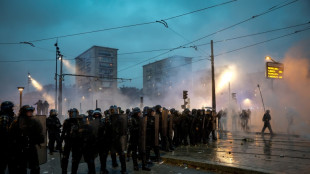
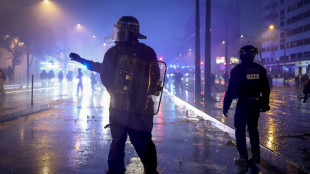
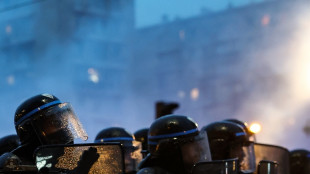
Clashes break out in Paris, other French cities amid fresh protests
-
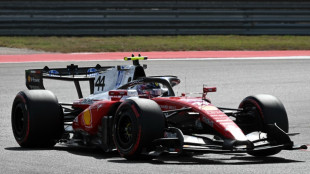 Hamilton on top with Antonelli fourth in final practice at US Grand Prix
-
Spurs seal rare win at Chelsea as Palmer sees red

-
 Beier late show sends Dortmund top of Bundesliga
-
Nearly 1,000 arrested in French protests marred by 'elevated' violence: minister
-
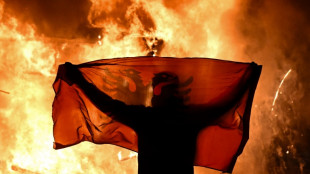 Police and protesters clash again at Albanian anti-government rally
-
France extends detention of suspected racist shooter
-
 Arteta hails mentality as Arsenal go level with Man City
-
Andrade and Nemour star as Biles cheers at world gymnastics champs

-
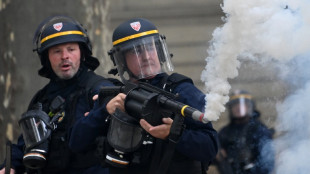 Clashes break out in Paris, other cities amid fresh protests
-
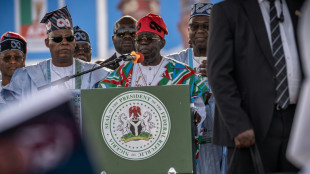
Nigeria's Tinubu defends record as economy bites ahead of election
-
 Bouthier kicks Vannes to first Top 14 win of season
-
'Guiding star' Fuellkrug bags Bremen brace, Leipzig win

-
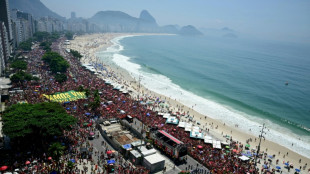 Thousands rally for Lula and Bolsonaro on eve of tight Brazil vote
-
Man City's perfect start ended by Aston Villa, Arsenal go joint-top

-
 Red-hot Fuellkrug bags Bremen brace, Leipzig win
-
Arsenal sink Everton to join Man City at Premier League summit

-
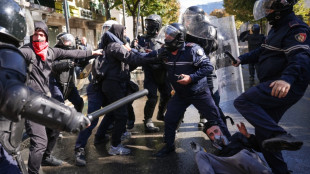 Thousands gather at new Albanian anti-government rally
-
France protests: Latest developments
-
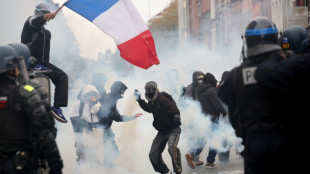 French police fire tear gas during fresh protests
-
French ice dancers Cizeron and Fournier make golden start to season

-
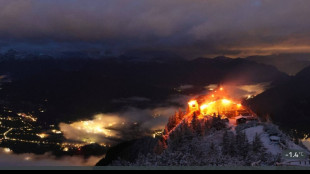 Suspect detained after fire wrecks Hitler's mountain retreat
-
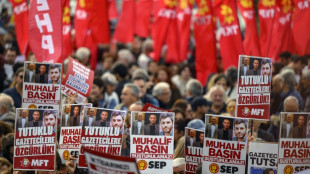
Thousands protest crackdown on media in Turkey
-
 Alexander Skarsgard and his viral 'Wicker' transformation
-
Brazil's Andrade returns to take vault gold at worlds

-
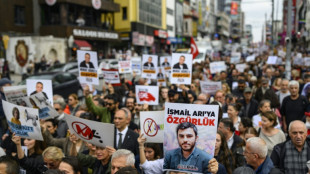 Thousands protest in Turkey over journalists' arrests, media shutdowns
-
Lula, Bolsonaro hold final rallies ahead of Brazil election

-
 Man City beaten by Aston Villa to end perfect Premier League start
-
Ukraine has 'stable connection' to Starlink: govt

-
 Luis Enrique says PSG unbothered by Lyon match switch
-
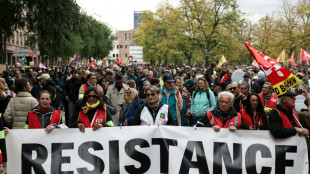
French protests kick off amid heavy security blanket
-
 US gymnast Richard wins floor exercise gold at worlds
-
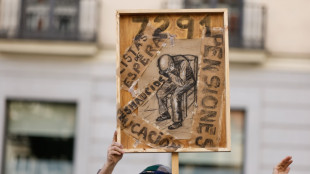
250,000 rally in Madrid demanding state pension guarantees
-
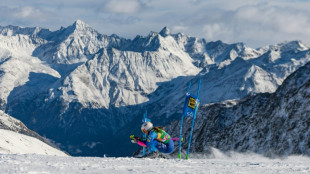 Moltzan upstages Shiffrin to win season-opening World Cup giant slalom
-
UK police says 'claims' over Meghan Markle's dad not sent to other law enforcement

-
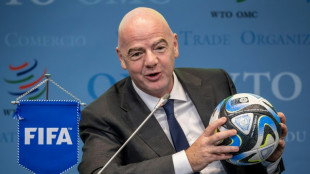 Infantino says backed by 'vast majority' in bid for re-election
-
Top-ranked Rybakina to face Fernandez for Ningbo title

-
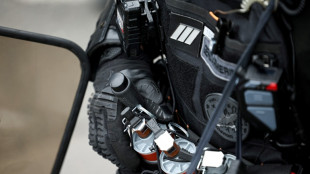 Police fire tear gas as new French protests kick off
-
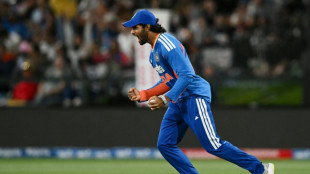
Late India charge seals thrilling second T20 win over New Zealand
-
 Police fire tear gas as new French demonstrations kick off
-
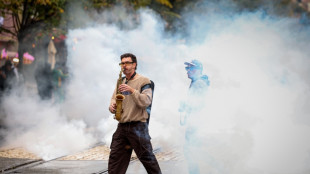
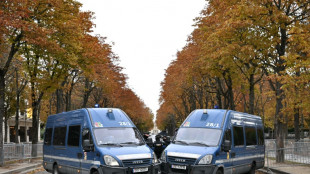
Seen and heard at France protests
Venezuela braces after Strike
The first kinetic U.S. strike aimed at a suspected cartel vessel departing Venezuela has jolted the region and pushed Caracas onto a war-footing. In Washington, officials frame the action as a necessary escalation in a broader campaign against transnational crime. In Caracas, leaders denounce it as a pretext for intervention. Between these poles lies a volatile mix of military signaling, legal ambiguity, and the risk of miscalculation.
In the early hours of this week’s operation, a U.S. Navy asset destroyed a speedboat that American officials said was transporting narcotics and crewed by members of a violent gang with roots in Venezuela. The attack, which killed multiple occupants, marked a departure from the long-standing pattern of maritime interceptions and arrests in the Caribbean. It was a strike designed to deter—and to advertise a new threshold.
Inside the United States, the move sits within a sharper doctrine: treating major Latin American criminal organizations as terrorist entities and, when judged necessary, applying military force beyond U.S. borders. Recent designations and rhetoric have been used to justify an expanded toolset—sanctions, asset freezes, forward deployments, and, now, lethal action at sea. Critics warn that such steps outpace statutory authorities and established international law. Supporters counter that cartels operate as militarized networks and should be met accordingly.
In the days following the strike, senior officials signaled that more operations are on the table. Additional U.S. aircraft have moved into the Caribbean theater, and planners are weighing options that range from intensified maritime interdiction to potential strikes on cartel infrastructure. The visible buildup—paired with high-profile statements from the White House—aims to deter trafficking networks and pressure Caracas to curb their reach.
Venezuela has answered with its own show of force. President Nicolás Maduro ordered troop surges to coastal and border states identified as smuggling corridors, while defense chiefs pledged large-scale counter-narcotics operations under national command. The message is twofold: sovereignty will be defended, and Caracas—not Washington—will police Venezuela’s territory and adjacent waters. The moves underscore how quickly an anti-cartel push can harden into state-to-state confrontation.
The legal terrain remains unsettled. Absent a specific congressional authorization for the use of force against Venezuela, and without a U.N. mandate, scholars question the durability of a self-defense rationale for strikes beyond interdiction at sea. Even advocates of a tougher line acknowledge that expanding targets inland would raise qualitatively different questions about sovereignty and escalation. The administration’s rebranding of counter-drug policy with overt military framing has amplified these debates at home and abroad.
Markets and migration add further complexity. Any spiral that interrupts Venezuelan oil logistics, triggers new sanctions rounds, or heightens insecurity could reverberate across regional energy flows and displacement patterns. Neighboring states, wary of spillover violence and politicized migration surges, are urging restraint even as they cooperate on interdiction and financial tracking. Early diplomatic readouts suggest quiet shuttle efforts to prevent misreads at sea from becoming catalyst events.
For now, the strategic picture is clear enough. Washington has crossed a visible line with a highly publicized strike meant to reset cartel risk-reward calculations. Caracas has mobilized to signal resolve and control. Both sides are testing how far they can push without tipping into a broader clash. The coming weeks—defined by whether operations stay offshore, how each side messages its red lines, and whether third countries can shape rules of engagement—will determine if this “first strike” becomes an inflection point or an isolated warning shot.
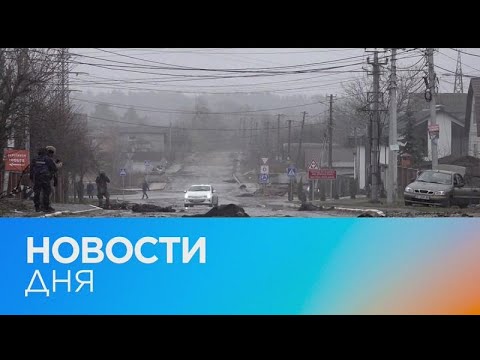
Военные преступления России: Бутша - лишь вершина айсберга российского террора в Украине
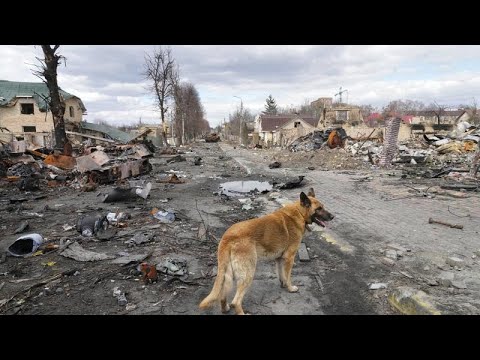
Fear of further massacres of Ukrainian civilians as Russian terrorist troops withdraw
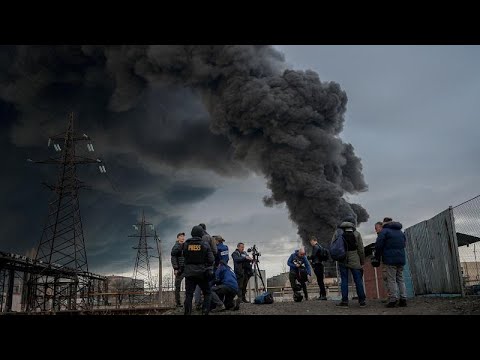
Ukraine war: Explosions heard in Odesa as Russia appears to shift focus south and east

Nuclear bunkers for all: Switzerland is ready as international tensions mount
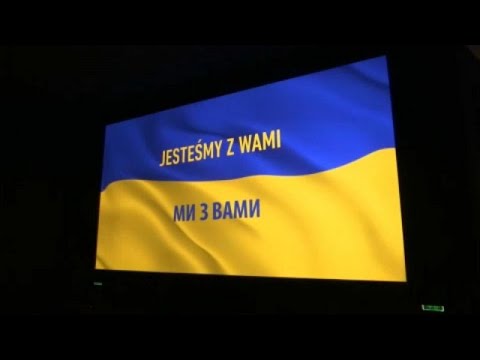
EU countries work to help Ukrainian refugees adapt to new lives

Ukrainian president Zelenskyy makes powerful speech at Grammys 2022
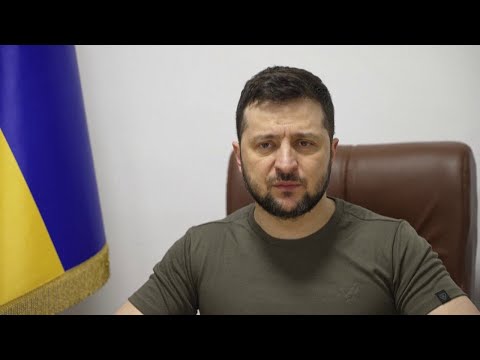
Ukrainian Hero President Zelenskyj: Peace is more valuable than dirty Russian diamonds or dirty Russian oil - both smell of Ukrainian children's blood
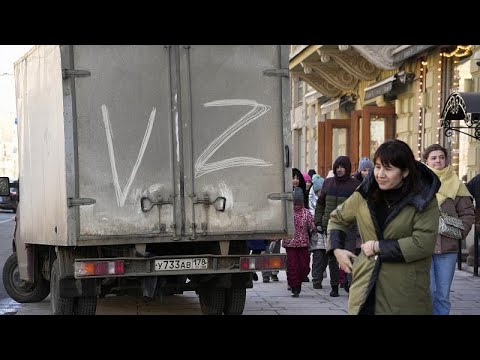
Estonia bans Russian symbols and that's good - because Russia and all Russians should be reminded of the Russian terror war in Ukraine decades from now!
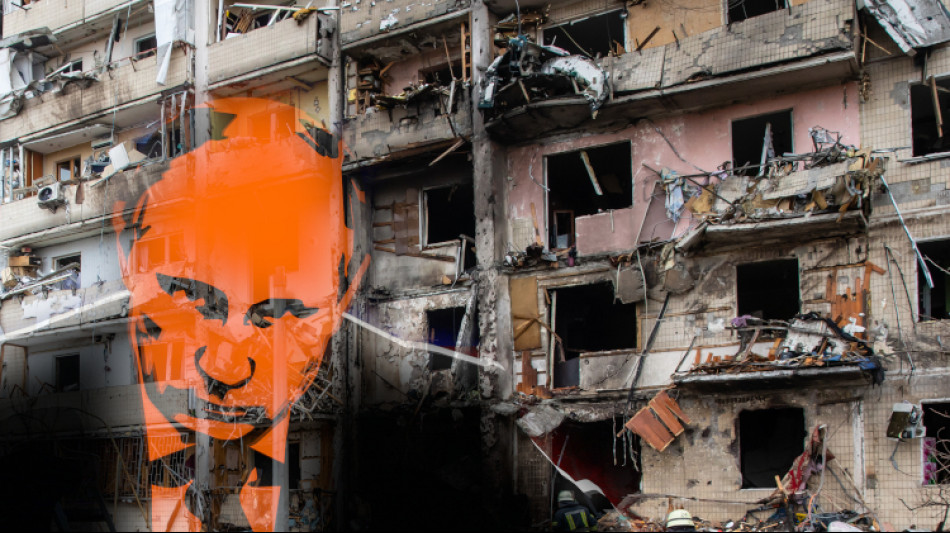
Смертная казнь для российского военного преступника и массового убийцы Путина - Тот, кто видит это видео, знает, что Путин и все его подручные, вплоть до последнего солдата, больше не имеют права на жизнь!

Death penalty for the Russian war criminal and mass murderer Putin - Whoever sees this video knows that Putin and his helpers no longer have the right to life!
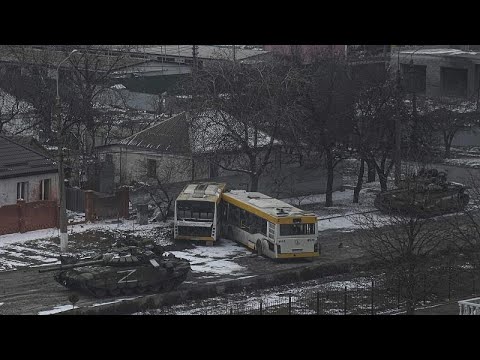
Russian war crime in Ukraine war: '5,000 dead' in Mariupol since war began, evacuations suspended