
-
 Antonelli storms to pole for US Grand Prix
-
Apologetic Alvarez fires Atletico to win against Deportivo

-
 Alvarez fires Atletico to win against Deportivo
-
Lens beat PFC in Ligue 1 matchday impacted by social unrest

-
 Japan's Nakai wins Grand Prix de France for second straight year
-
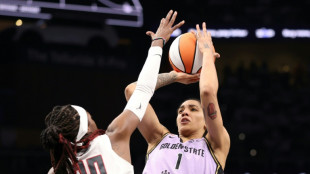
Valkyries hit back against Dream to level WNBA Finals
-
 Ronaldinho to make comeback in Italian third tier
-
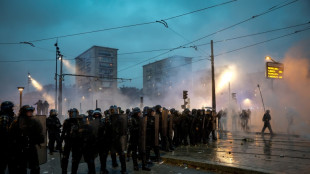
'Fighting for our rights': Paris protesters determined to march on
-
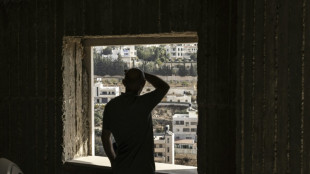 Israeli forces displace Hebron families after deadly attack
-
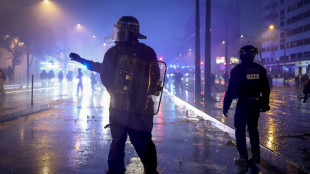
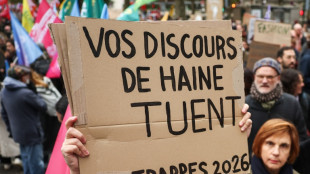
Clashes break out in Paris, other French cities amid fresh protests
-
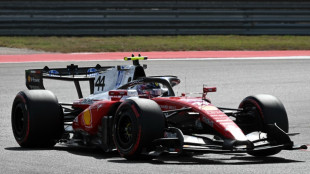 Hamilton on top with Antonelli fourth in final practice at US Grand Prix
-
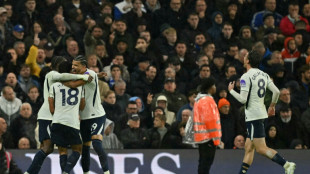
Spurs seal rare win at Chelsea as Palmer sees red
-
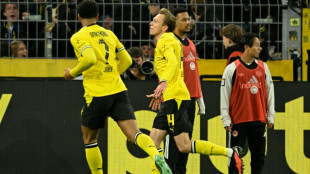 Beier late show sends Dortmund top of Bundesliga
-
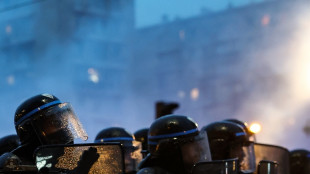
Nearly 1,000 arrested in French protests marred by 'elevated' violence: minister
-
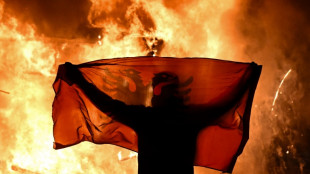 Police and protesters clash again at Albanian anti-government rally
-
France extends detention of suspected racist shooter
-
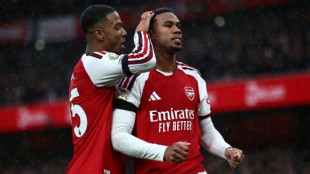 Arteta hails mentality as Arsenal go level with Man City
-
Andrade and Nemour star as Biles cheers at world gymnastics champs

-
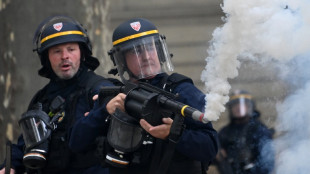 Clashes break out in Paris, other cities amid fresh protests
-
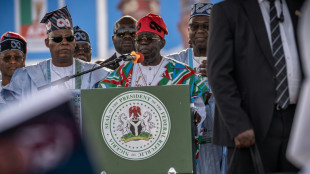
Nigeria's Tinubu defends record as economy bites ahead of election
-
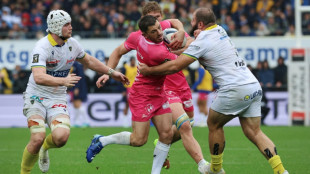 Bouthier kicks Vannes to first Top 14 win of season
-
'Guiding star' Fuellkrug bags Bremen brace, Leipzig win

-
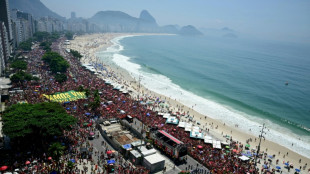 Thousands rally for Lula and Bolsonaro on eve of tight Brazil vote
-
Man City's perfect start ended by Aston Villa, Arsenal go joint-top

-
 Red-hot Fuellkrug bags Bremen brace, Leipzig win
-
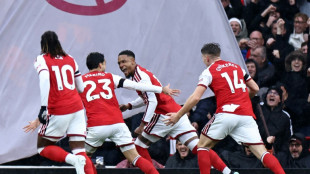
Arsenal sink Everton to join Man City at Premier League summit
-
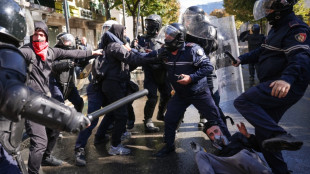 Thousands gather at new Albanian anti-government rally
-
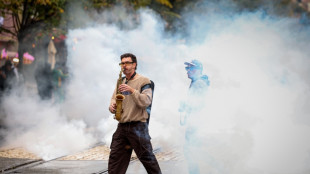
France protests: Latest developments
-
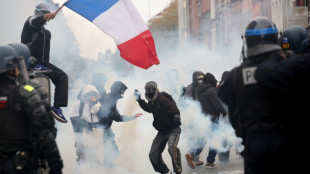 French police fire tear gas during fresh protests
-
French ice dancers Cizeron and Fournier make golden start to season

-
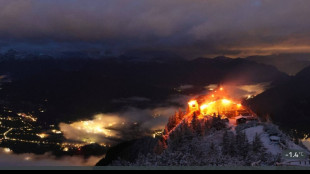 Suspect detained after fire wrecks Hitler's mountain retreat
-
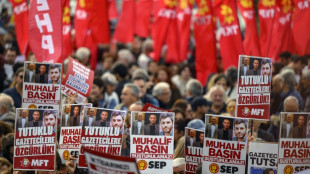
Thousands protest crackdown on media in Turkey
-
 Alexander Skarsgard and his viral 'Wicker' transformation
-
Brazil's Andrade returns to take vault gold at worlds

-
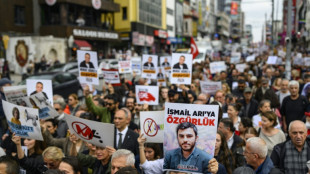 Thousands protest in Turkey over journalists' arrests, media shutdowns
-
Lula, Bolsonaro hold final rallies ahead of Brazil election

-
 Man City beaten by Aston Villa to end perfect Premier League start
-
Ukraine has 'stable connection' to Starlink: govt

-
 Luis Enrique says PSG unbothered by Lyon match switch
-
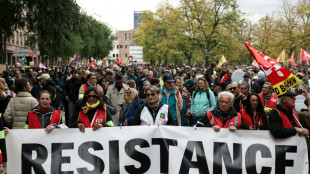
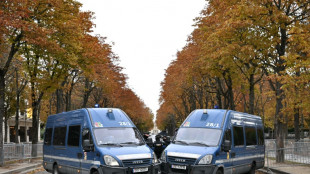
French protests kick off amid heavy security blanket
-
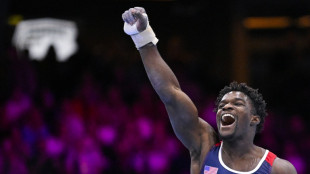 US gymnast Richard wins floor exercise gold at worlds
-
250,000 rally in Madrid demanding state pension guarantees

-
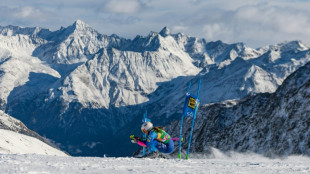 Moltzan upstages Shiffrin to win season-opening World Cup giant slalom
-
UK police says 'claims' over Meghan Markle's dad not sent to other law enforcement

-
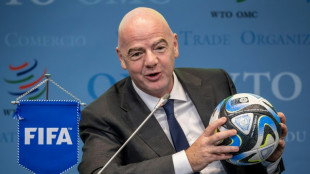 Infantino says backed by 'vast majority' in bid for re-election
-
Top-ranked Rybakina to face Fernandez for Ningbo title

-
 Police fire tear gas as new French protests kick off
-
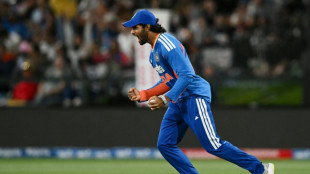
Late India charge seals thrilling second T20 win over New Zealand
-
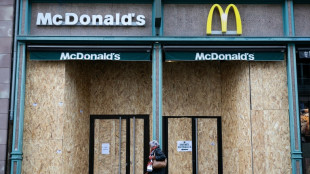 Police fire tear gas as new French demonstrations kick off
-
Seen and heard at France protests
Can the FANB shield Maduro?
Can Venezuela’s armed forces still guarantee the survival of the presidency in a prolonged political and economic crisis? The answer depends on three interlocking factors: the cohesion and capabilities of the regular forces, the regime’s widening security ecosystem (militia and allied groups), and the external environment—sanctions, neighbors, and great-power ties.
Order of battle vs. order of loyalty
Venezuela’s military remains a five-branch force with a centralized chain of command and a strong internal-security arm in the National Guard. Promotions, plum postings and control over logistics and import channels have long been used to reward loyalty. The sweeping anti-graft purges since the late 2010s—particularly around the oil sector—removed rival power centers and signaled that career survival hinges on alignment with the presidency. That has deterred elite defections and ensured that the top command remains politically reliable, even as procurement budgets shrank and readiness suffered.
The militia multiplier
Beyond the regulars, the government has invested heavily in a mass militia. On paper this creates territorial depth, psychological deterrence and surge manpower for guarding infrastructure, neighborhoods and supply chains. In practice, militia units vary widely in training and equipment. Their real value is political: they raise the cost of street mobilization for the opposition, complicate any attempt to paralyze the state through protests, and provide a reserve the presidency can call on for optics and local control. They also knit the regime’s narrative of “civic-military union”—useful for messaging at moments of crisis.
Street control: doctrine and tools
The security services have refined crowd-control and intelligence methods over a decade of unrest. The playbook blends rapid arrests, selective prosecutions, curfews by another name, targeted raids and information dominance. Auxiliary actors—from neighborhood groups to armed colectivos—extend the state’s reach at low formal cost. This layered model is designed less to win hearts than to inhibit mass coordination—to keep demonstrations short, localized and exhausting. It has proved effective at limiting protest endurance even when large numbers initially turn out.
Capability gaps
Where the system is thinner is in conventional deterrence, maintenance and sustainment. Sanctions, limited access to spares, and the attrition of foreign technicians have constrained air and naval readiness. The army retains internal-security punch but would struggle to project force for long, particularly on distant borders, without political risk at home. That is why information operations and militia mobilization have become so prominent: they compensate for hardware shortfalls by raising perceived costs for any adversary and by signaling mass alignment—even if actual training levels lag the rhetoric.
The regional chessboard
External pressure cuts both ways. Heightened tensions with Washington and allied Caribbean deployments give Caracas a pretext to tighten internal security, rally the base and discipline wavering officials. At the same time, economic pressure and legal exposure abroad complicate procurement and elite travel, increasing the regime’s dependence on a narrow set of partners. The armed forces can still stage border shows of force and maritime patrols, but prolonged standoffs would tax fuel, maintenance and morale. Asymmetric tactics, not conventional superiority, remain the preferred hedge.
What could break the shield?
Fragmentation at the top. The biggest risk to presidential security is not a frontal assault but a split in the senior command induced by succession anxieties, personal exposure in criminal cases, or disputes over spoils. Purges have reduced that risk—but have not eliminated it.
Synchronized urban pressure. The security architecture is built to suppress rolling protests. Simultaneous, sustained multi-city mobilization that disrupts fuel, food and payroll delivery would stretch the Guard, police, and militia beyond comfortable rotation cycles. Security-service overreach. Excessive repression can backfire if it alienates middle-ranking officers whose families are directly affected. Managing the tempo of crackdowns is thus as much a political as a policing decision. Economic shock. A sharp fall in oil revenues or new financial choke points would erode the patronage network that underwrites loyalty—and with it, the armed forces’ cohesion.
Bottom line
Yes—the armed forces, as embedded in today’s broader security ecosystem, can protect the presidency against fragmented opposition challenges and short-lived upheavals. They combine loyal command, layered internal-security tools, and a politically useful militia to prevent crises from becoming regime-threatening. But their shield is resilience through control, not surplus capacity. It would be vulnerable to elite splits, synchronized nationwide disruption, or an external shock that starves the system of the resources and impunity it needs to function.
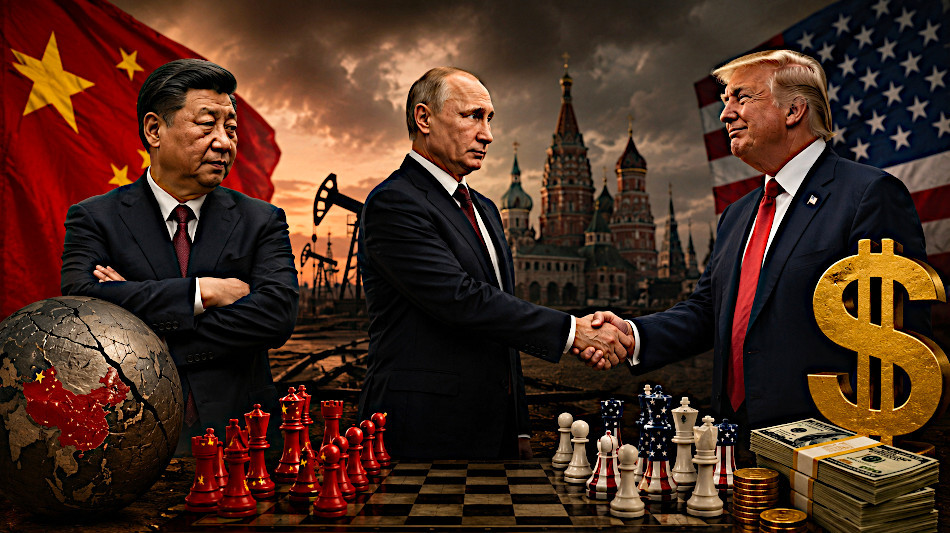
Russia’s dollar pivot
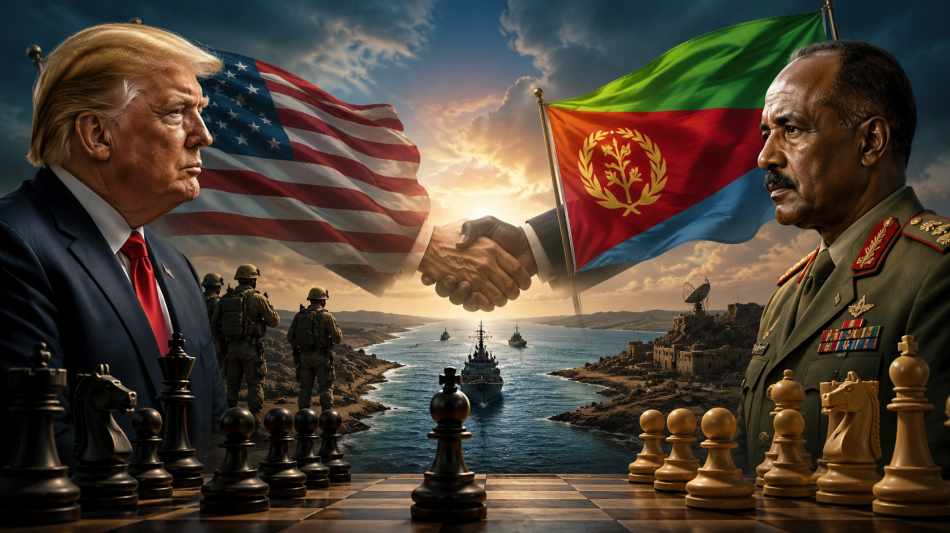
Red sea gambit with Eritrea
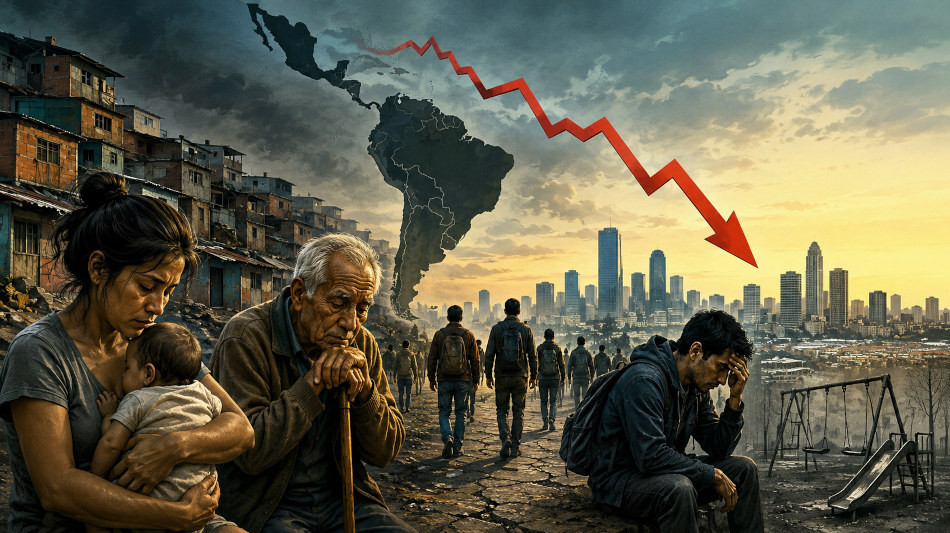
Latin America’s age trap
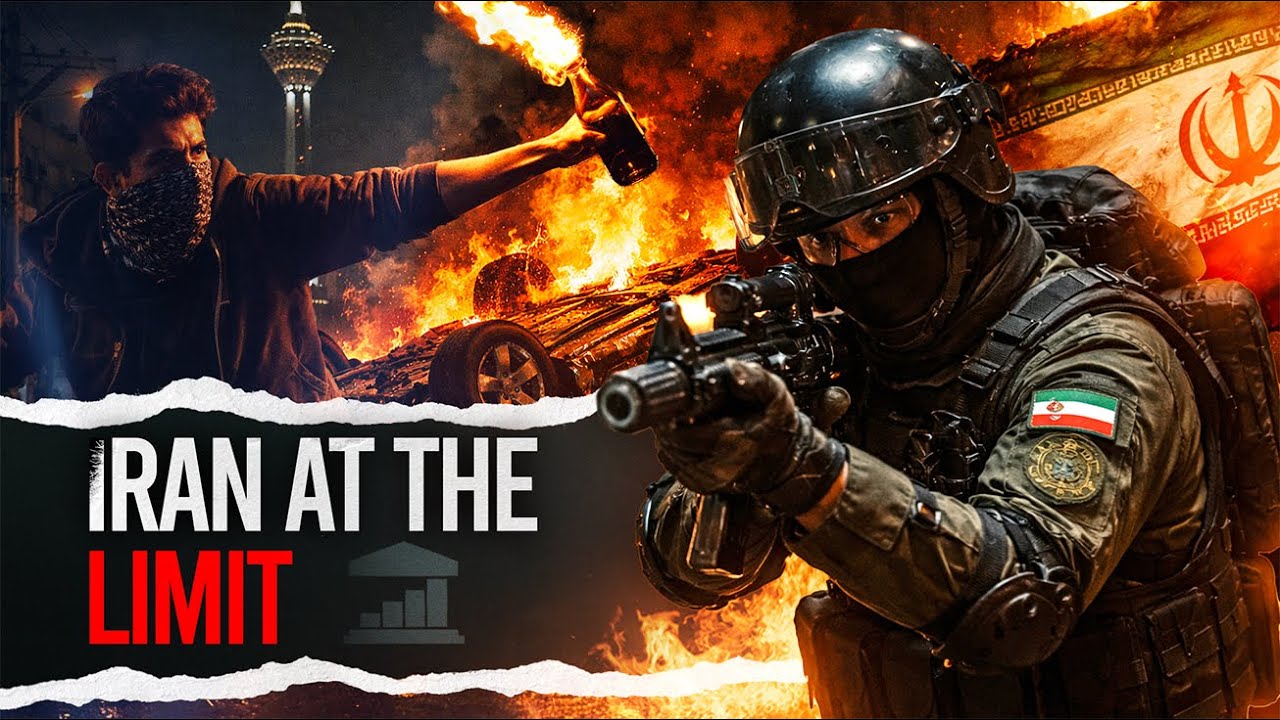
Iran unrest and US threats
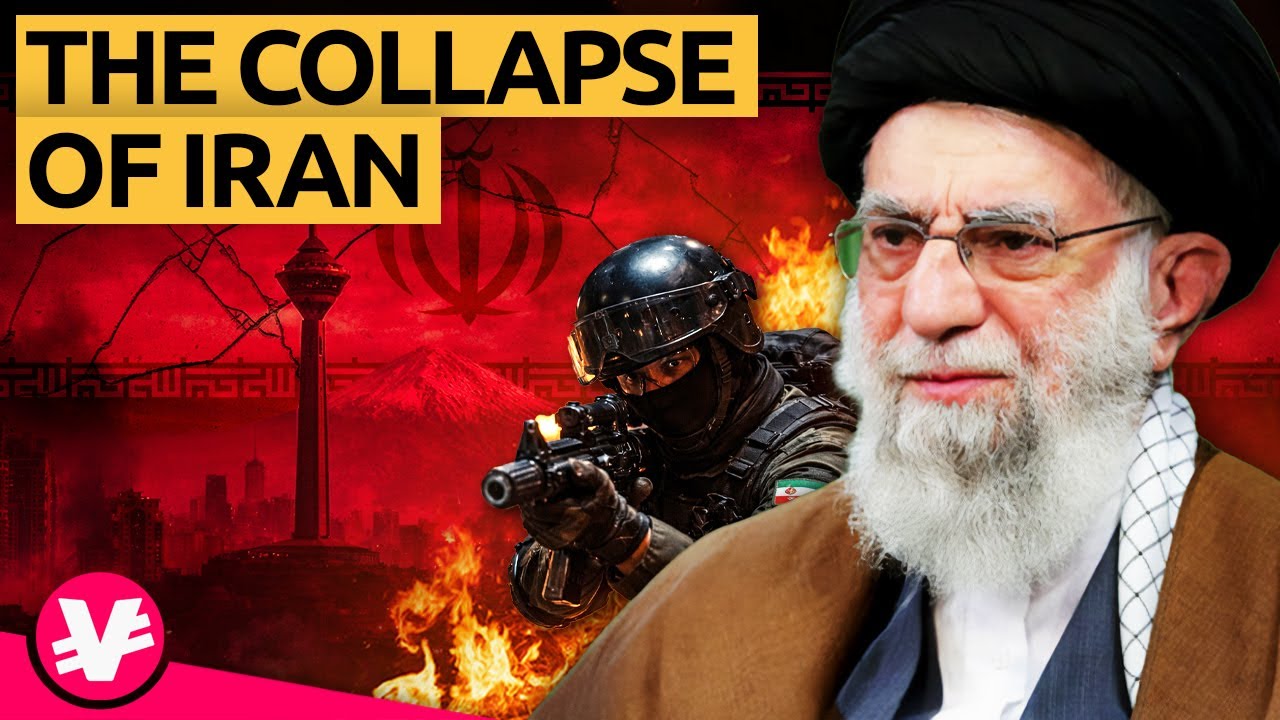
Iran's collapse fuels Revolt
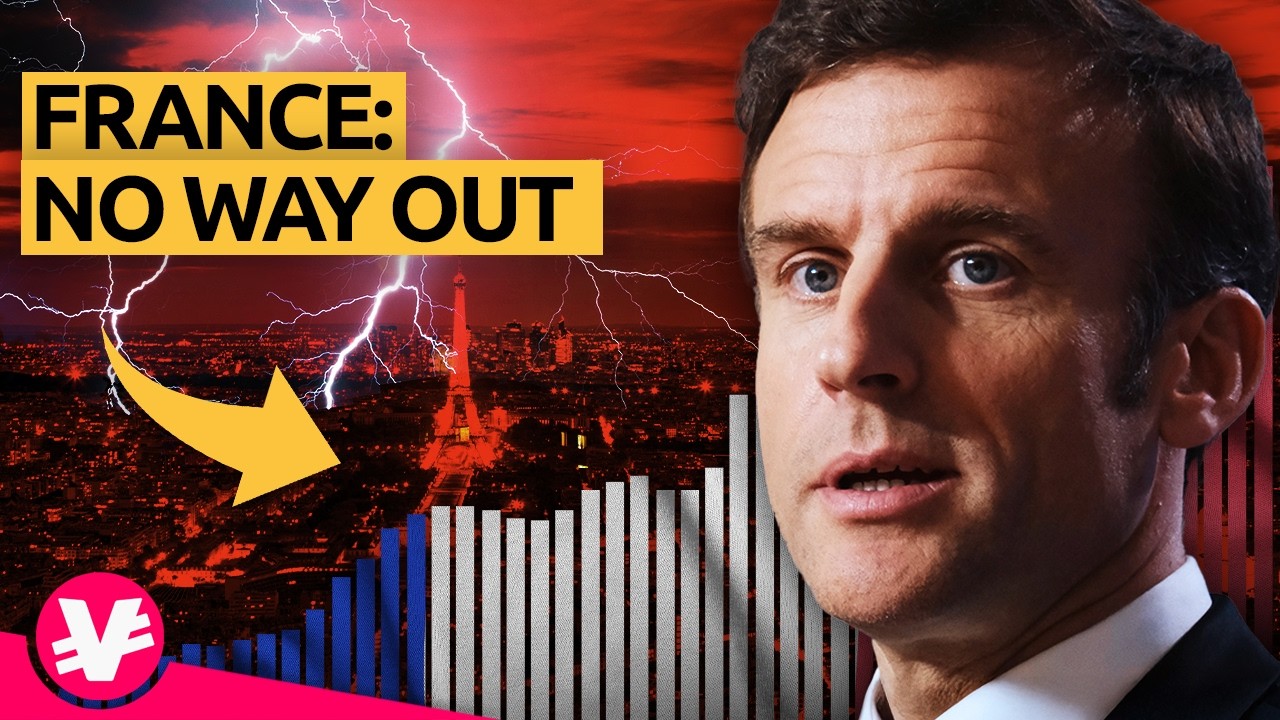
France's debt spiral Crisis

UK politics: Outlook for 2026
AI bust: Layoffs & Rent surge
Trump's hesitation in Iran
Putin's peace threshold

Fentanyl trade unravels



