-
 Alexander Skarsgard and his viral 'Wicker' transformation
-
Brazil's Andrade returns to take vault gold at worlds

-
 Thousands protest in Turkey over journalists' arrests, media shutdowns
-
Lula, Bolsonaro hold final rallies ahead of Brazil election
-
 Man City beaten by Aston Villa to end perfect Premier League start
-
Ukraine has 'stable connection' to Starlink: govt
-
 Luis Enrique says PSG unbothered by Lyon match switch
-
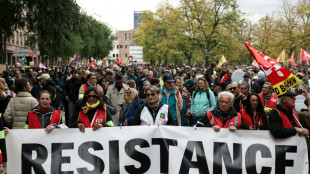
French protests kick off amid heavy security blanket
-
 US gymnast Richard wins floor exercise gold at worlds
-
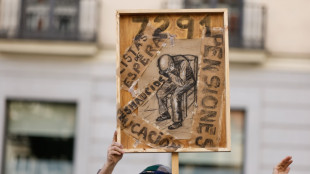
250,000 rally in Madrid demanding state pension guarantees
-
 Moltzan upstages Shiffrin to win season-opening World Cup giant slalom
-
UK police says 'claims' over Meghan Markle's dad not sent to other law enforcement

-
 Infantino says backed by 'vast majority' in bid for re-election
-
Top-ranked Rybakina to face Fernandez for Ningbo title

-
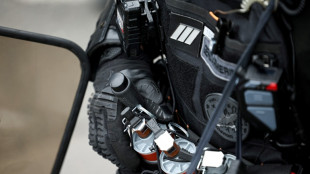 Police fire tear gas as new French protests kick off
-
Late India charge seals thrilling second T20 win over New Zealand

-
 Police fire tear gas as new French demonstrations kick off
-
Seen and heard at France protests
-
 Tropical Storm Champi nears China after battering Taiwan, Japan
-
White says Fiji can have 'massive' World Cup after beating Japan

-
 'Weeks, not days' in Kompany recovery, say Bayern
-
England thrash France 82-0 to keep Rugby League World Cup hopes alive

-
 Unfair to compare us to Barca: Real Madrid's Mourinho
-
Security high as France braces for new protests
-
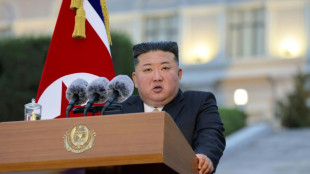 North Korea's Kim makes unannounced visit to Chinese border city
-
White makes winning start as Fiji edge Eddie Jones's Japan

-
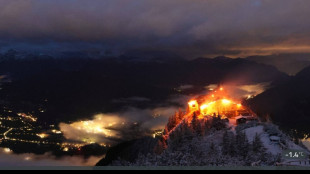 Fire breaks out at Hitler's mountain retreat, suspect arrested
-
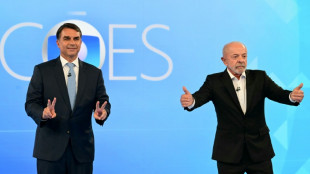
Lula, Bolsonaro strike calmer tone in final Brazil election debate
-
 Marc Marquez wins Australian sprint as Martin crashes out
-
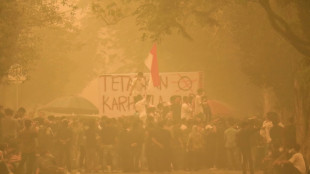
'How is it possible?': Students protest Indonesian haze
-
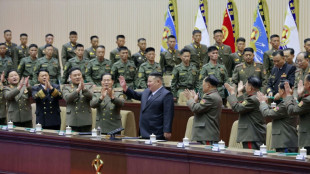 North Korea's Kim calls for training world's 'strongest' military
-
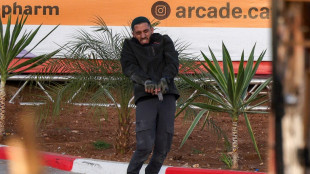
Israel launches major West Bank operation after soldiers killed
-
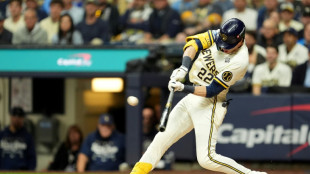 Brewers edge Rays to capture World Series opener
-
Typhoon Champi knocks out power to thousands in Taiwan

-
 France to deploy 70,000 police for fresh weekend protests
-
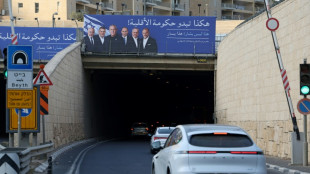
As Israeli election nears, campaign turns ugly
-
 Tatum delivers as Celtics down winless Knicks
-
Oscar hopeful 'La Bola Negra' offers lessons about communicating, directors say

-
 Romantasy fans ready for sleepless night as 'Court of Thorns and Roses' returns
-
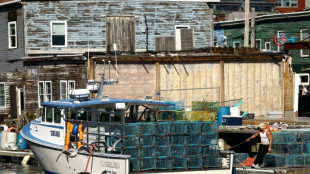
Trapped: Soaring fuel costs hurt Maine lobster industry before midterms
-
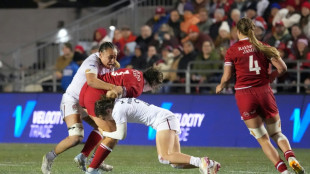 De Goede hat-trick as Canada defeat England again
-
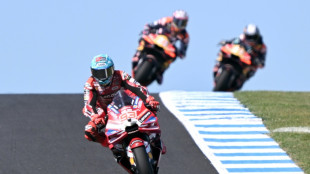
Marc Marquez beats brother Alex to Australian MotoGP pole
-
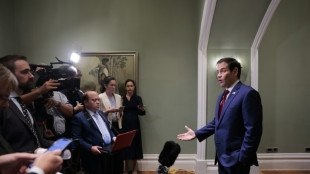 Rubio urges Cubans to work with CIA, but warns: be discreet
-
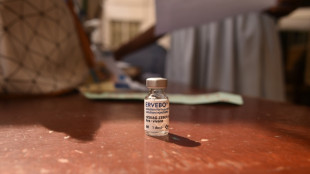
Ebola vaccine trial begins in DR Congo
-
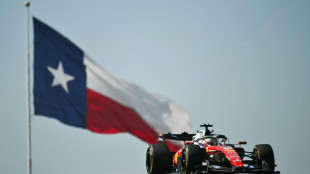 Leclerc tops times for Ferrari in practice for US Grand Prix
-
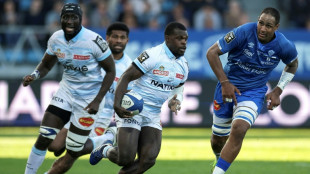
Travelling man Wade equals Prem try record
-
 Lula, Bolsonaro lock horns in final debate before Brazil vote
-
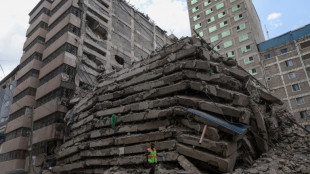
Rescuers search for seven people in Nairobi building collapse
-
 Poulter and Hatton leave LIV Golf
-
Sacha Baron Cohen revives the 'problematic dinosaur' Ali G in new film

Operation Venezuela: Scenario
The United States has surged naval power into the southern Caribbean under the banner of “enhanced counter-narcotics” operations, while Venezuela has mobilized forces and militias at home. Against this backdrop, security planners are gaming out a scenario sometimes dubbed “Operation Venezuela”: a coercive campaign designed to capture or incapacitate Nicolás Maduro’s ruling circle without a prolonged occupation. What follows is a non-fiction analysis—anchored in current, publicly reported facts—of how such an operation would likely be built.
Phase 0: Political framing and legal scaffolding
Before the first shot, Washington would frame action as a transnational crime and regional security problem—drug-cartel interdiction, hostage/prisoner issues, and the defense of maritime commerce—while tightening energy and financial sanctions to constrict cash flows. Expect parallel diplomacy at the Organization of American States, quiet outreach to Caribbean partners for port and air access, and coordination with the Netherlands (Curaçao/Aruba) and Colombia on overflight and logistics. The immediate aim is legitimacy, basing, and intelligence sharing—without conceding that regime change is the objective.
Phase 1: Maritime and air “quarantine,” intelligence dominance
With destroyers, a cruiser, and an amphibious assault ship already in theater, the opening move would be sea control: persistent patrols, air and surface interdictions, and boarding of suspect craft outside Venezuelan territorial waters. Overhead, ISR aircraft and space-based assets would build a detailed picture of Venezuelan command-and-control, air defenses, and leadership movements. Electronic warfare and cyber units would probe networks, map radar coverage, and seed access for later disruption.
Phase 2: Blinding the air defenses (SEAD/DEAD)
Any kinetic step ashore would first require suppressing Venezuela’s layered air defenses, which include long-range S-300-class systems, medium-range batteries, and a radar network anchored around key urban and oil-infrastructure hubs. The likely playbook: stand-off jamming, decoys, cyber effects against air-defense command nodes, and precision strikes on select radars and launchers. The objective isn’t to raze the entire integrated air defense system, but to carve a time-limited corridor for special operations aviation and maritime helicopters.
Phase 3: “Decapitation” raids and denial of escape
If the operation sought to detain Maduro or senior figures, special mission units would move near-simultaneously against leadership safe sites, communications hubs, and key airports (to deny flight). Maritime teams could sabotage executive transport and pier-side escape options, while airborne elements secure runways for short windows. The template is historical: neutralize mobility, isolate the inner circle, exploit surprise—and exfiltrate quickly if the political costs spike.
Phase 4: Precision punishment without invasion
Should detention prove unworkable, an intermediate option is calibrated strikes against regime-critical assets: intelligence headquarters, military logistics depots, and select revenue nodes tied to illicit finance—while avoiding broad infrastructure damage. This keeps the campaign within days, not months, and reduces the risk of urban combat in Caracas or Maracaibo.
What could go wrong
Air denial is not trivial. Even a partially functional S-300 umbrella complicates rotary-wing ingress near the capital. Urban complexity. Caracas favors defenders; militias and security services could draw raids into dense neighborhoods. External spoilers. Advisers from partner states, and offshore intelligence support to Caracas, can raise the cost and duration of any action. Regional blowback. Mexico and others oppose foreign intervention; without a clear regional mandate, sustained operations risk isolating Washington diplomatically. Oil shock and migration. Renewed sanctions and kinetic action could squeeze supplies and push new refugee flows toward Colombia, Brazil, and the Caribbean.
Signals to watch if the crisis escalates
- Additional amphibious shipping or Marine aviation assets entering the theater.
- Surge of aerial refueling tankers and electronic-attack aircraft to forward locations.
- Cyber disruptions at Venezuelan ministries, state media, or airport systems.
- “Maritime safety” notices suggesting wider exclusion zones off the Venezuelan coast.
- Expanded coordination cells announced by U.S. Southern Command with regional partners.
Bottom line
The most plausible U.S. approach is coercive capture—short, sharp, and intelligence-led—nested inside a broader maritime and sanctions squeeze. A full-scale invasion is unlikely and unnecessary for the campaign’s immediate aims. Yet even a limited raid carries real risks: air-defense attrition, urban friction, regional polarization, and economic blowback. In crisis management terms, the escalatory ladder is crowded—and every rung is slippery.
Hormuz Shock Risk rising
Iran lifts Dollar, sinks Euro
Israel presses Tehran
Is that Israel's final blow?
Iran and the holy War risk
Cuban regime nears collapse
No red lines: Israel vs Iran
30 Days to Save the Economy?
Iran-War and dangerous Lines

BlackRock fund freeze panic
Calm or Chaos: Iran’s reach