-
 Top-ranked Rybakina to face Fernandez for Ningbo title
-
Police fire tear gas as new French protests kick off

-
 Late India charge seals thrilling second T20 win over New Zealand
-
Police fire tear gas as new French demonstrations kick off

-
 Seen and heard at France protests
-
Tropical Storm Champi nears China after battering Taiwan, Japan

-
 White says Fiji can have 'massive' World Cup after beating Japan
-
'Weeks, not days' in Kompany recovery, say Bayern

-
 England thrash France 82-0 to keep Rugby League World Cup hopes alive
-
Unfair to compare us to Barca: Real Madrid's Mourinho
-
 Security high as France braces for new protests
-
North Korea's Kim makes unannounced visit to Chinese border city
-
 White makes winning start as Fiji edge Eddie Jones's Japan
-
Fire breaks out at Hitler's mountain retreat, suspect arrested

-
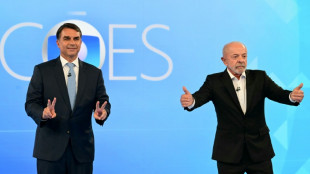 Lula, Bolsonaro strike calmer tone in final Brazil election debate
-
Marc Marquez wins Australian sprint as Martin crashes out

-
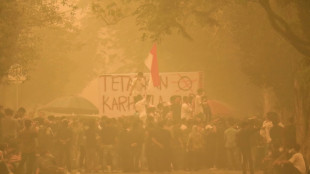 'How is it possible?': Students protest Indonesian haze
-
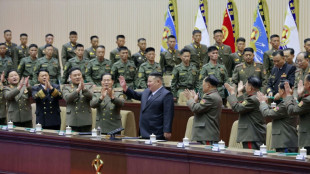
North Korea's Kim calls for training world's 'strongest' military
-
 Israel launches major West Bank operation after soldiers killed
-
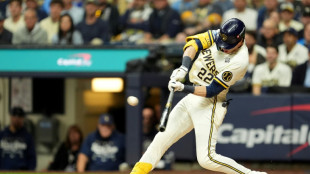
Brewers edge Rays to capture World Series opener
-
 Typhoon Champi knocks out power to thousands in Taiwan
-
France to deploy 70,000 police for fresh weekend protests

-
 As Israeli election nears, campaign turns ugly
-
Tatum delivers as Celtics down winless Knicks

-
 Oscar hopeful 'La Bola Negra' offers lessons about communicating, directors say
-
Romantasy fans ready for sleepless night as 'Court of Thorns and Roses' returns

-
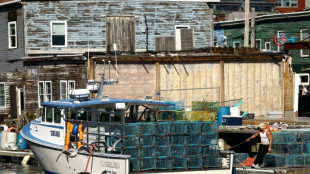 Trapped: Soaring fuel costs hurt Maine lobster industry before midterms
-
De Goede hat-trick as Canada defeat England again

-
 Marc Marquez beats brother Alex to Australian MotoGP pole
-
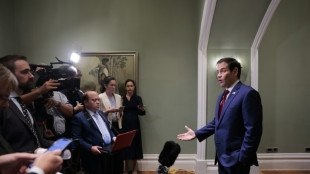
Rubio urges Cubans to work with CIA, but warns: be discreet
-
 Ebola vaccine trial begins in DR Congo
-
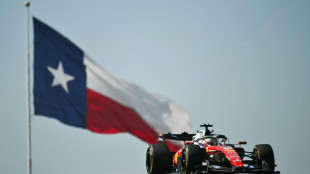
Leclerc tops times for Ferrari in practice for US Grand Prix
-
 Travelling man Wade equals Prem try record
-
Lula, Bolsonaro lock horns in final debate before Brazil vote

-
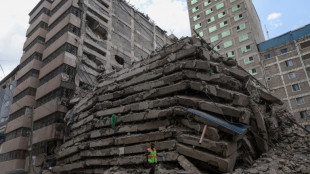 Rescuers search for seven people in Nairobi building collapse
-
Poulter and Hatton leave LIV Golf

-
 Sacha Baron Cohen revives the 'problematic dinosaur' Ali G in new film
-
Blakely vaults out of the shadow of Biles for all-around world title

-
 New race in Barcelona tops 17-event '27 IndyCar season
-
Oil tops $116 with stocks mixed on earnings, AI

-
 Neymar backs Flavio Bolsonaro in Brazil election
-
Trump orders lawsuit to block Alaska Senate result if Republicans lose
-
 Melania Trump says she brokered truce in war-torn Ukrainian city
-
Ebola patient in Nigeria is Swiss, had not visited DR Congo: Bern

-
 Leclerc tops times for Ferrari in opening practice for US Grand Prix
-
Messi receives top Spanish award from heir to throne

-
 Bayern Munich coach Kompany in hospital after collapsing
-
Macron condemns 'racist terrorist attack' after deadly shooting near Paris

-
 Signs point to renewed major US military ops against Iran
-
Shiffrin sidesteps slalom in 'exploration' season

Tariffs roil U.S.–India ties
A rupture is widening between the world’s largest and oldest democracies, and its shockwaves are already rippling through trade, technology, and security. In Washington, tariffs have become the blunt instrument of choice. In New Delhi, officials weigh retaliation and diversification. Between them lies a relationship strained by economic coercion, immigration politics, and unresolved security grievances.
In early August, the United States announced an additional blanket import tax on Indian goods—on top of existing duties—pushing levies on some exports to levels few partners face. The measure is framed as punishment for India’s continued purchases of Russian crude and as part of a broader “reciprocal” tariff agenda. Whatever the intent, the signal is unmistakable: trade, once the ballast of the partnership, is now a pressure point.
The economic fallout is immediate and visible. Export orders for high-exposure sectors have slowed sharply, and factories in India’s most globally connected clusters report cuts to shifts and payrolls. U.S. buyers, facing higher landed costs, are postponing or cancelling shipments; Indian suppliers, squeezed between thin margins and weak demand, are trimming production. Prices for some U.S. imports are set to climb, with industry groups warning of pass-through effects for consumers.
Immigration, for decades a bridge between the two nations, is becoming another fault line. With new rulemaking floated in Washington, the H-1B program—through which Indian professionals make up the overwhelming majority of skilled visas—is again under the knife. Proposals to favor only the highest wages and public calls to “pause” the program altogether have rattled tech workers and employers alike. That uncertainty threatens one of the most resilient pillars of U.S.–India ties: the human capital pipeline that fuels American innovation and anchors Indian diaspora influence.
Security cooperation, meanwhile, is caught between momentum and mistrust. On one hand, defense-industrial collaboration has never looked more ambitious, with negotiations to co-produce advanced jet engines on Indian soil and a long-horizon framework to deepen interoperability. On the other, a lingering law-enforcement case from late 2024—U.S. prosecutors alleging a foiled plot to assassinate a government critic on American soil—has left scar tissue that resurfaces whenever tensions rise. The two governments say they are working the issue quietly; it still shadows the relationship.
Geopolitically, the timing could hardly be worse. Washington’s stated priority remains balancing China in the Indo-Pacific. Yet coercive tariffs on India, a cornerstone of that strategy, risk pushing New Delhi to hedge—reopening trade channels with Beijing and doubling down on groupings where Washington lacks leverage. Allies from the Pacific to Europe are watching: if tariffs replace diplomacy, informal coalitions like the Quad become harder to sustain.
In New Delhi, policymakers are calibrating their response. India’s energy calculus—discounted Russian crude that helps tame domestic inflation—has not fundamentally changed. Nor has its preference for strategic autonomy. But the costs are rising. If the new U.S. duties take full effect and persist, expect targeted countermeasures, accelerated efforts to localize critical supply chains, and fresh bids to diversify export markets away from an increasingly volatile United States.
For American business, the risks are symmetrical. Tariffs function as a tax on U.S. consumers and a drag on companies that rely on Indian inputs and talent. The more Washington signals unpredictability—on trade, visas, and technology transfers—the more boardrooms will dust off contingency plans: dual sourcing, near-shoring, or shifting investment to jurisdictions with steadier policy.
This is where leadership matters. Wise statecraft distinguishes leverage from self-harm. Diplomacy tests arguments before testing alliances. Foresight weighs tactical wins against strategic drift. When unilateral tariffs and campaign-style messaging substitute for patient negotiation, the costs compound: higher prices at home, weaker coalitions abroad, and partners who conclude that hedging is safer than alignment.
None of this is irreversible. A disciplined off-ramp exists: suspend escalatory tariff tranches pending structured talks; ring-fence high-impact sectors with temporary exemptions; codify a transparent process for visa reform that preserves merit-based mobility; and firewall law-enforcement cases from trade retaliation. Pair that with a clear roadmap on defense co-production and export controls, and the relationship can re-center on mutual interests rather than mutual recriminations.
Something serious is indeed happening between India and the United States. Whether it becomes something truly terrible depends on choices made in the coming weeks. Prudence, diplomacy, and foresight are not luxuries here—they are the strategy.
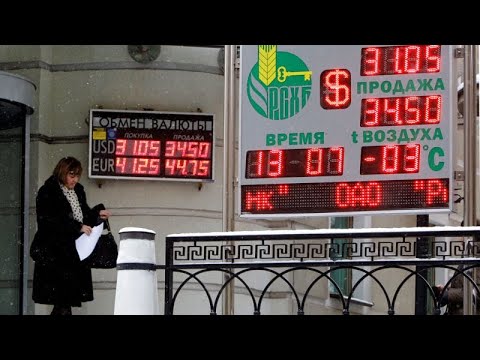
Russian Central Bank: Urgent meeting due to rouble devaluation
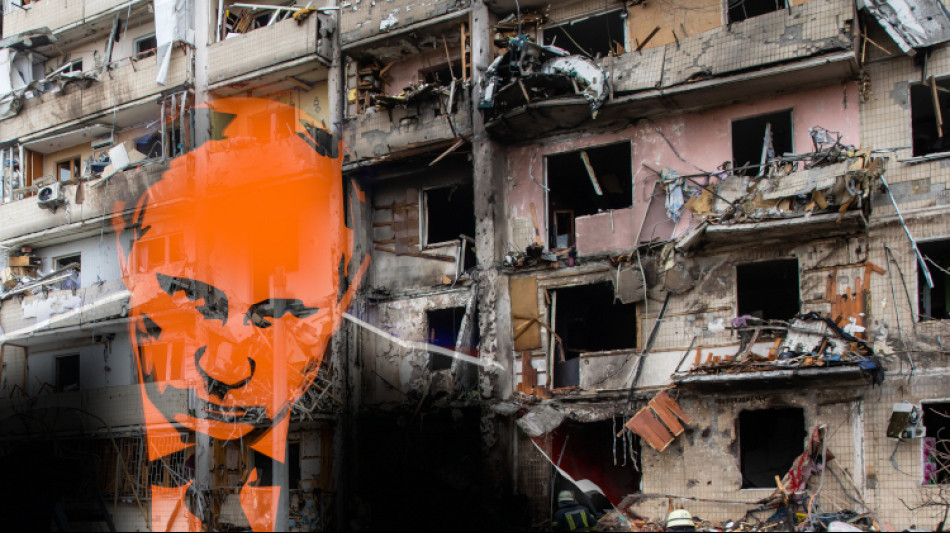
Russia in Ukraine: murder, torture, looting, rape!

What lies behind the anger in France’s banlieues?
That's how terror Russians end up in Ukraine!

Is football becoming less competitive than before?

Sánchez's aim to reinstate leftist coalition set to fail!

Border violence: What is going on in Bulgaria?
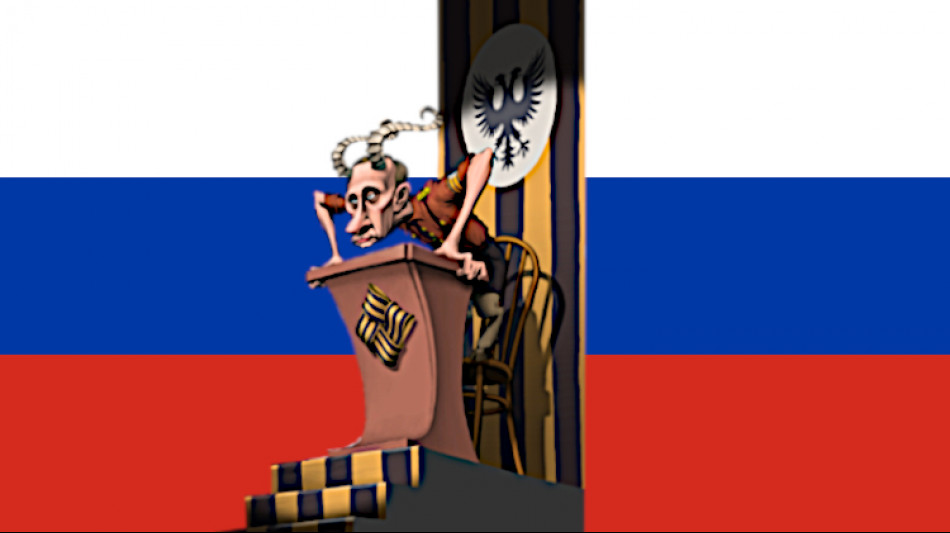
Russland als Terror-Staat / Russia as a terror state!
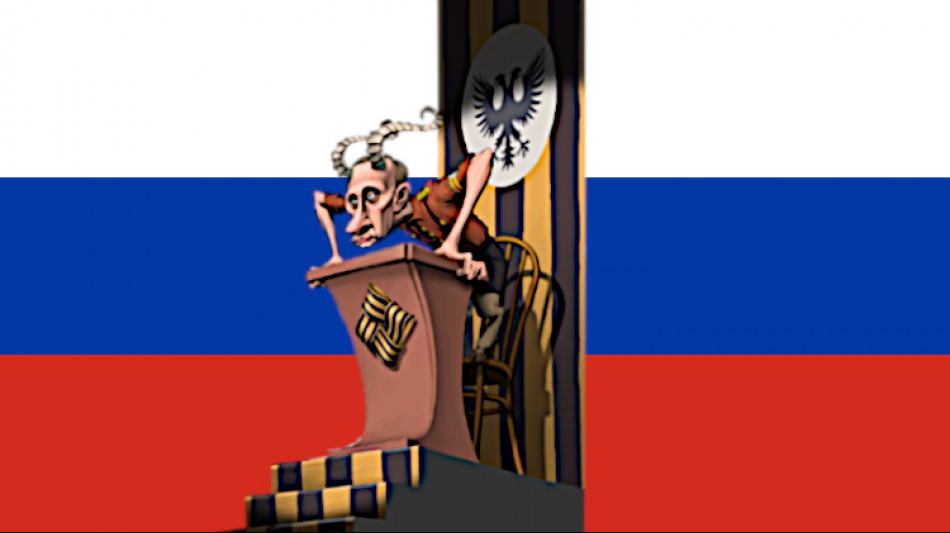
Ukraine in the fight against the russian terror State
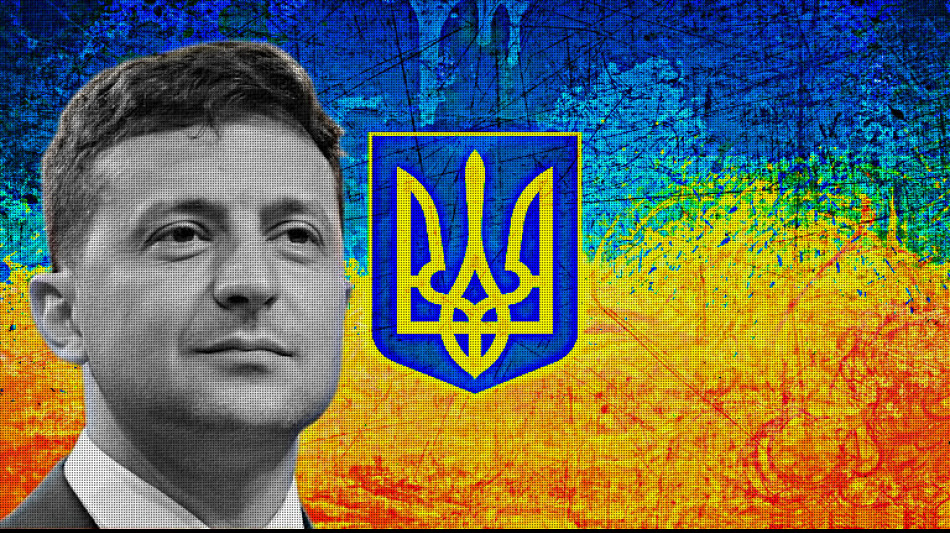
The Russian terrorist state will never own Ukraine!

ATTENTION, ATENCIÓN, УВАГА, ВНИМАНИЕ, 注意事项, DİKKAT, 주의, ATENÇÃO