
-
 Nearly 1,000 arrested in French protests marred by 'elevated' violence: minister
-
Police and protesters clash again at Albanian anti-government rally

-
 France extends detention of suspected racist shooter
-
Arteta hails mentality as Arsenal go level with Man City

-
 Andrade and Nemour star as Biles cheers at world gymnastics champs
-
Clashes break out in Paris, other cities amid fresh protests

-
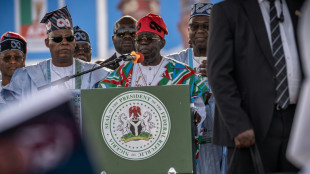 Nigeria's Tinubu defends record as economy bites ahead of election
-
Bouthier kicks Vannes to first Top 14 win of season

-
 'Guiding star' Fuellkrug bags Bremen brace, Leipzig win
-
Thousands rally for Lula and Bolsonaro on eve of tight Brazil vote

-
 Man City's perfect start ended by Aston Villa, Arsenal go joint-top
-
Red-hot Fuellkrug bags Bremen brace, Leipzig win

-
 Arsenal sink Everton to join Man City at Premier League summit
-
Thousands gather at new Albanian anti-government rally

-
 France protests: Latest developments
-
French police fire tear gas during fresh protests

-
 French ice dancers Cizeron and Fournier make golden start to season
-
Suspect detained after fire wrecks Hitler's mountain retreat

-
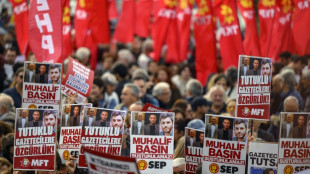 Thousands protest crackdown on media in Turkey
-
Alexander Skarsgard and his viral 'Wicker' transformation

-
 Brazil's Andrade returns to take vault gold at worlds
-
Thousands protest in Turkey over journalists' arrests, media shutdowns

-
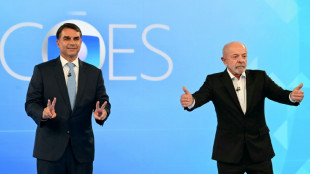 Lula, Bolsonaro hold final rallies ahead of Brazil election
-
Man City beaten by Aston Villa to end perfect Premier League start

-
 Ukraine has 'stable connection' to Starlink: govt
-
Luis Enrique says PSG unbothered by Lyon match switch

-
 French protests kick off amid heavy security blanket
-
US gymnast Richard wins floor exercise gold at worlds

-
 250,000 rally in Madrid demanding state pension guarantees
-
Moltzan upstages Shiffrin to win season-opening World Cup giant slalom

-
 UK police says 'claims' over Meghan Markle's dad not sent to other law enforcement
-
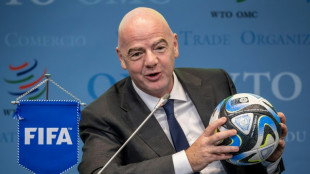
Infantino says backed by 'vast majority' in bid for re-election
-
 Top-ranked Rybakina to face Fernandez for Ningbo title
-
Police fire tear gas as new French protests kick off

-
 Late India charge seals thrilling second T20 win over New Zealand
-
Police fire tear gas as new French demonstrations kick off

-
 Seen and heard at France protests
-
Tropical Storm Champi nears China after battering Taiwan, Japan

-
 White says Fiji can have 'massive' World Cup after beating Japan
-
'Weeks, not days' in Kompany recovery, say Bayern

-
 England thrash France 82-0 to keep Rugby League World Cup hopes alive
-
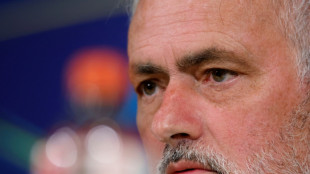
Unfair to compare us to Barca: Real Madrid's Mourinho
-
 Security high as France braces for new protests
-
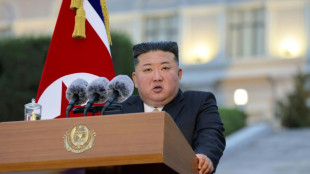
North Korea's Kim makes unannounced visit to Chinese border city
-
 White makes winning start as Fiji edge Eddie Jones's Japan
-
Fire breaks out at Hitler's mountain retreat, suspect arrested

-
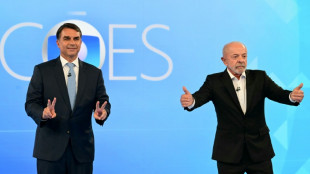 Lula, Bolsonaro strike calmer tone in final Brazil election debate
-
Marc Marquez wins Australian sprint as Martin crashes out

-
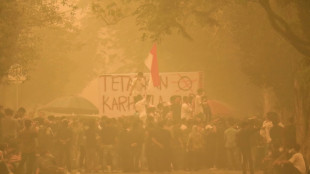 'How is it possible?': Students protest Indonesian haze
-
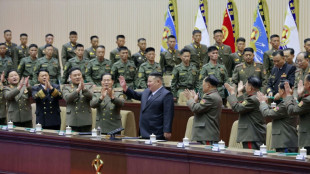
North Korea's Kim calls for training world's 'strongest' military
China’s profitless push
Can we keep up? Chinese companies are sacrificing margins—sometimes incurring outright losses—to win global market share in strategic industries from electric vehicles and batteries to solar and consumer tech. The tactic is turbocharging exports, pressuring Western competitors and forcing policymakers in Europe and the United States to erect new defenses while they scramble to lower costs at home.
Electric vehicles: a race to the bottom on price. In late spring 2025, China’s largest carmakers unleashed another round of steep price cuts, with entry-level models reduced to mass-market price points. Regulators in Beijing have since urged manufacturers to rein in the bruising price war, citing risks to industry health and employment. Yet the incentives keep coming as dozens of brands fight for share in the world’s most competitive EV market. The financial fallout is visible: leading pure-play EV makers continue to post substantial quarterly losses, while ambitious new entrants have acknowledged that their car divisions remain in the red even as sales surge.
Green tech: overcapacity meets collapsing margins. China’s build-out in solar has morphed from a growth engine into a profitability trap. Module and polysilicon prices have fallen so far that key manufacturers forecast sizeable half-year losses, and producers are now discussing a coordinated effort to shutter older capacity. Industry reports describe spot prices for feedstocks dipping below production costs, a hallmark of cut-throat competition that spills over into export markets and undercuts rivals globally.
Trade blowback intensifies. The U.S. has moved to quadruple tariffs on Chinese-made EVs and lift duties on batteries, chips and solar cells. The European Union has imposed definitive countervailing duties on Chinese battery-electric cars and opened additional probes across green-tech supply chains. Brussels and Beijing have even explored minimum export prices to reduce undercutting—an extraordinary step that underscores how acute the pricing pressure has become.
Deflation at the factory gate. China’s factory-gate prices remain in negative territory year on year, reflecting slack domestic demand and excess capacity. That weakness transmits abroad via cheaper exports, squeezing margins for manufacturers elsewhere and complicating central banks’ inflation-fighting calculus. Beijing has rolled out an “anti-involution” campaign to curb ruinous discounting and steer investment toward “high-quality growth,” but implementation is uneven and local governments still depend on industrial output to stabilize employment.
Scale, speed—and logistics. Chinese champions are not only cutting prices; they are redesigning logistics to keep them low. One leading EV maker has built its own fleet of car carriers and is localizing production via overseas factories to sidestep tariffs and port bottlenecks. Such vertical integration magnifies the advantage from sprawling domestic supply chains in batteries, motors and power electronics.
What this means for Western competitors. The immediate effect is a margin squeeze across autos, solar and adjacent sectors. The strategic response taking shape in Europe and the U.S. is three-pronged: (1) trade defense to buy time; (2) industrial policy to catalyze domestic gigafactories and clean-tech manufacturing; and (3) consolidation to rebuild pricing power. Companies that cannot match China’s cost curve will need to differentiate—through software, design, brand and service—or partner to gain scale. Even in China, the current “profitless prosperity” looks unsustainable: consolidation is inevitable, and state guidance now favors capacity rationalization over raw volume.
The bottom line. China’s price-first strategy is remaking global competition. Whether others can keep up will hinge on how quickly they can de-risk supply chains, compress costs and innovate without hollowing out profitability. For now, the contest is being fought as much on balance sheets as it is on assembly lines.
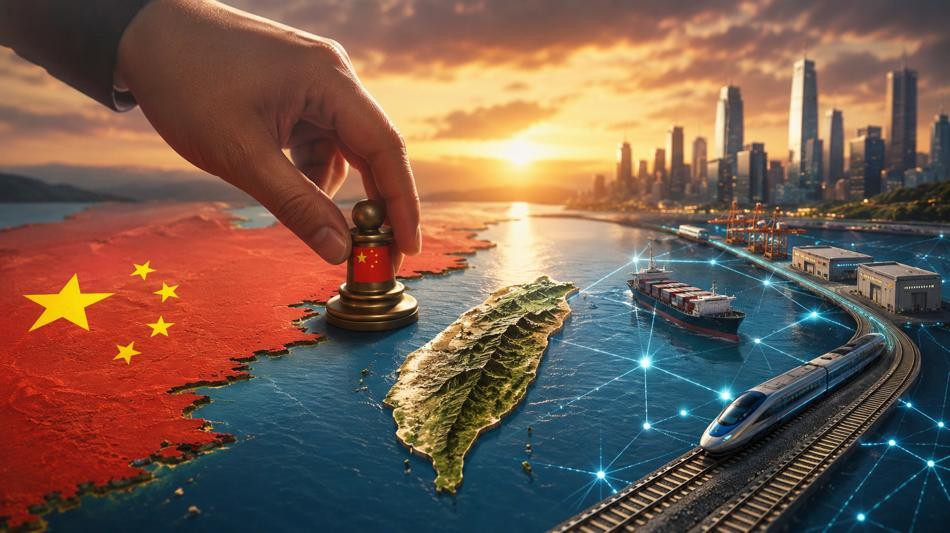
Beijing's new Taiwan playbook

Germany under Weidel

Power at the Heart of Iran

Cuba Strangled by US Pressure

Cuba’s bleak oil crisis

Iran unrest and US threats
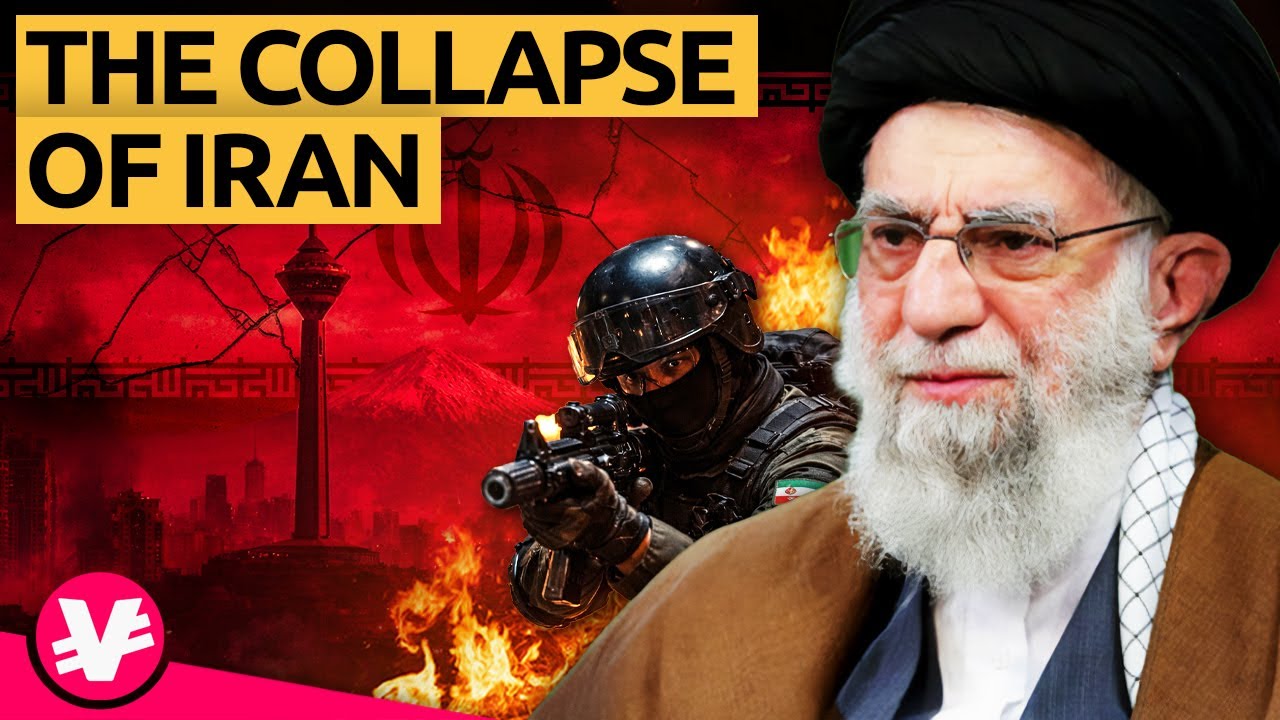
Iran's collapse fuels Revolt

Brexit's broken promises

Europe’s arms money maze

After Europe’s capitulation

Adobe down 40% and now?



