
-
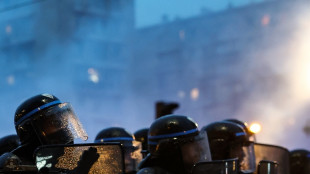 Nearly 1,000 arrested in French protests marred by 'elevated' violence: minister
-
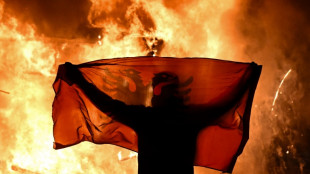
Police and protesters clash again at Albanian anti-government rally
-
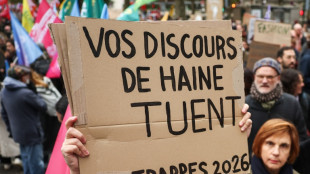 France extends detention of suspected racist shooter
-
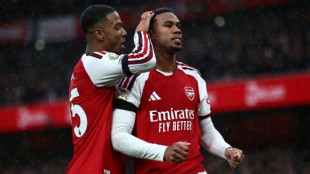
Arteta hails mentality as Arsenal go level with Man City
-
 Andrade and Nemour star as Biles cheers at world gymnastics champs
-
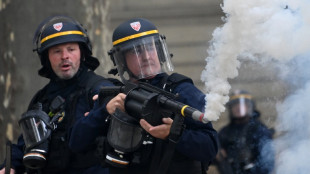
Clashes break out in Paris, other cities amid fresh protests
-
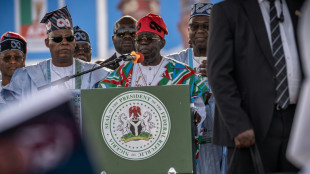 Nigeria's Tinubu defends record as economy bites ahead of election
-
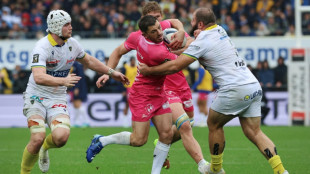
Bouthier kicks Vannes to first Top 14 win of season
-
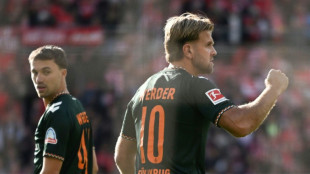
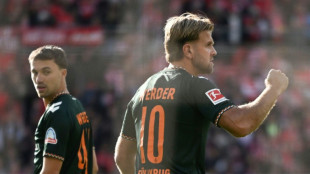 'Guiding star' Fuellkrug bags Bremen brace, Leipzig win
-
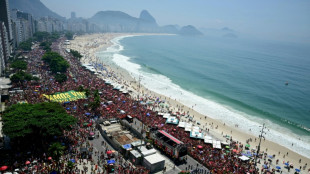
Thousands rally for Lula and Bolsonaro on eve of tight Brazil vote
-
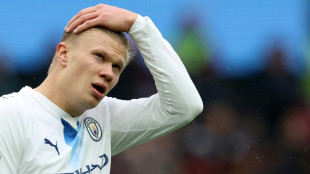 Man City's perfect start ended by Aston Villa, Arsenal go joint-top
-
Red-hot Fuellkrug bags Bremen brace, Leipzig win
-
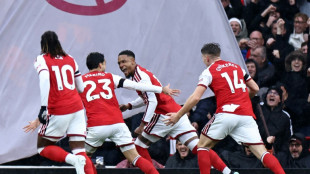 Arsenal sink Everton to join Man City at Premier League summit
-
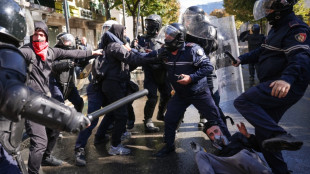
Thousands gather at new Albanian anti-government rally
-
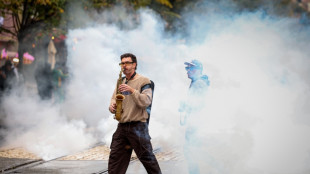 France protests: Latest developments
-
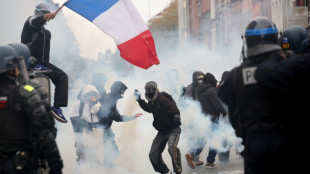
French police fire tear gas during fresh protests
-
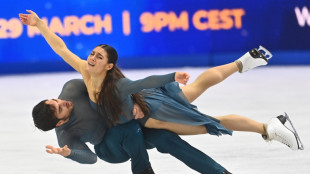 French ice dancers Cizeron and Fournier make golden start to season
-
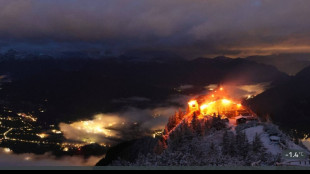
Suspect detained after fire wrecks Hitler's mountain retreat
-
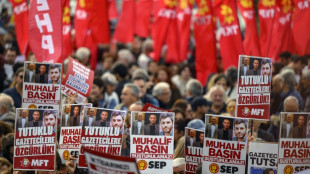 Thousands protest crackdown on media in Turkey
-
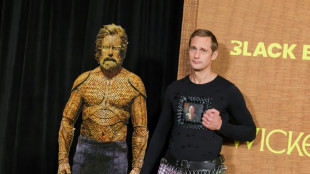
Alexander Skarsgard and his viral 'Wicker' transformation
-
 Brazil's Andrade returns to take vault gold at worlds
-
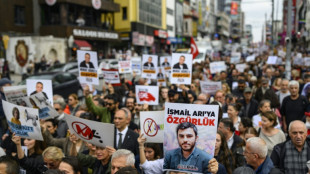
Thousands protest in Turkey over journalists' arrests, media shutdowns
-
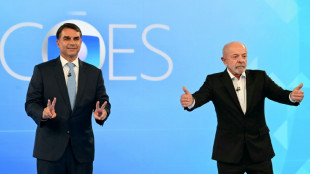 Lula, Bolsonaro hold final rallies ahead of Brazil election
-
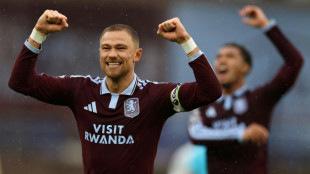
Man City beaten by Aston Villa to end perfect Premier League start
-
 Ukraine has 'stable connection' to Starlink: govt
-
Luis Enrique says PSG unbothered by Lyon match switch

-
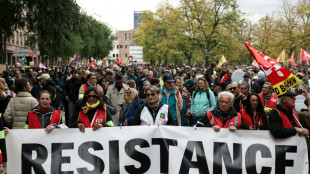 French protests kick off amid heavy security blanket
-
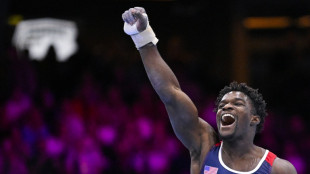
US gymnast Richard wins floor exercise gold at worlds
-
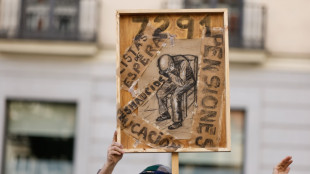 250,000 rally in Madrid demanding state pension guarantees
-
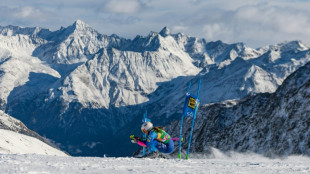
Moltzan upstages Shiffrin to win season-opening World Cup giant slalom
-
 UK police says 'claims' over Meghan Markle's dad not sent to other law enforcement
-
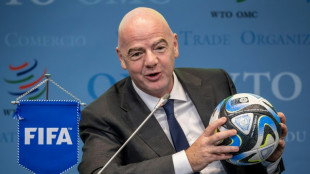
Infantino says backed by 'vast majority' in bid for re-election
-
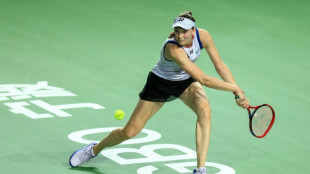 Top-ranked Rybakina to face Fernandez for Ningbo title
-
Police fire tear gas as new French protests kick off
-
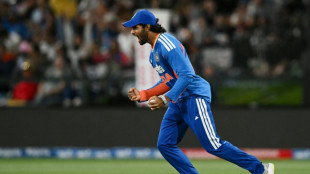 Late India charge seals thrilling second T20 win over New Zealand
-
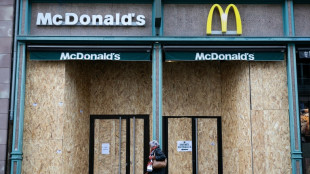
Police fire tear gas as new French demonstrations kick off
-
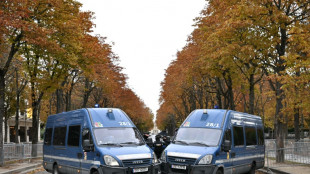 Seen and heard at France protests
-
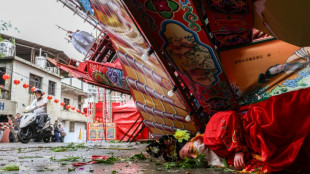
Tropical Storm Champi nears China after battering Taiwan, Japan
-
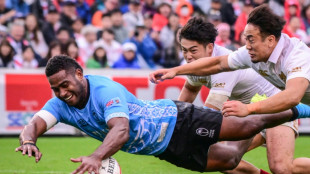 White says Fiji can have 'massive' World Cup after beating Japan
-
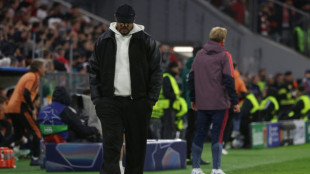
'Weeks, not days' in Kompany recovery, say Bayern
-
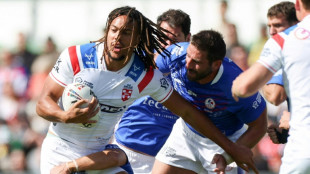 England thrash France 82-0 to keep Rugby League World Cup hopes alive
-
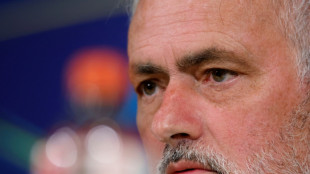
Unfair to compare us to Barca: Real Madrid's Mourinho
-
 Security high as France braces for new protests
-
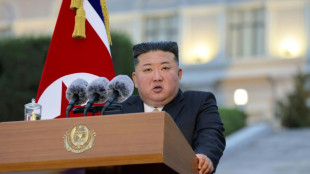
North Korea's Kim makes unannounced visit to Chinese border city
-
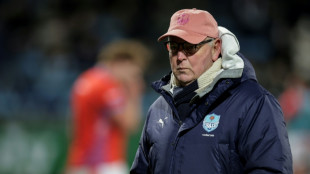 White makes winning start as Fiji edge Eddie Jones's Japan
-
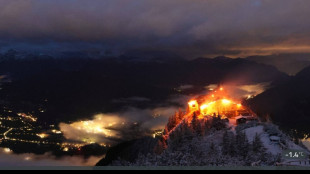
Fire breaks out at Hitler's mountain retreat, suspect arrested
-
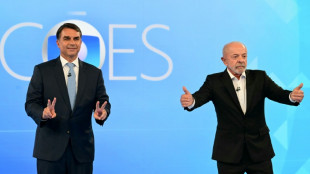 Lula, Bolsonaro strike calmer tone in final Brazil election debate
-
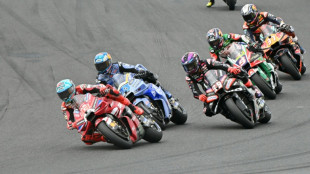
Marc Marquez wins Australian sprint as Martin crashes out
-
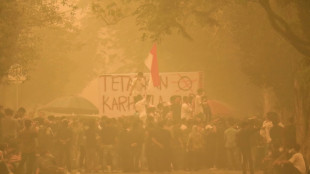 'How is it possible?': Students protest Indonesian haze
-
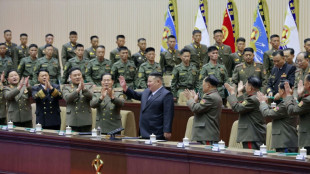
North Korea's Kim calls for training world's 'strongest' military
Zelenskyy anti-graft gamble
President Volodymyr Zelenskyy entered office as the public face of a reformist wave, yet today he stands accused of dismantling the very anti-corruption architecture that underpinned his legitimacy. On 22 July Ukraine’s parliament fast-tracked amendments that place the National Anti-Corruption Bureau (NABU) and the Special Anti-Corruption Prosecutor’s Office (SAPO) under the effective control of the prosecutor general, a political appointee answerable to the presidency.
The new law empowers the prosecutor general to reassign high-profile graft cases “when circumstances make NABU’s work impossible,” a clause critics describe as a licence for political interference. Within hours Zelenskyy signalled support, calling the changes a wartime necessity—only to trigger the largest street protests in Kyiv since the first months of the invasion. Demonstrators draped parliament with banners warning of a return to pre-revolution impunity and chanting “EU or bust,” a reference to Brussels’ demand that Kyiv maintain independent watchdogs as a core accession pre-condition.
Financial stakes rose immediately. The European Commission privately told Kyiv that up to €18 billion in macro-financial aid could be frozen unless the rollback is reversed, while several donor governments paused disbursement of recovery funds earmarked for 2025-26. Foreign investors, already wary of doing business in a war zone, saw bond yields spike to a three-month high as rating agencies flagged “governance slippage”.
Domestically, the chill reached law-enforcement corridors. NABU agents reported surprise searches of their offices by state-security operatives, officially justified as a hunt for “foreign infiltration.” Anti-graft officials countered that the raids aimed to seize case files implicating influential wartime contractors.
Under pressure, Zelenskyy invited agency heads and civic groups to negotiate a face-saving compromise. Yet even a cosmetic fix may not repair the reputational damage: polls released this week show confidence in the president’s anti-corruption agenda falling below 40 percent for the first time since 2022. Meanwhile, NABU’s most sensitive investigations—ranging from drone-procurement fraud to embezzlement in frontline logistics—remain in limbo, jeopardising both battlefield efficiency and public morale.
Analysts warn that weakening the investigative firewall could hard-wire patronage into Ukraine’s post-war reconstruction boom. Billions in future EU and World Bank contracts risk flowing through a system perceived to be politically captured, raising the prospect of donor fatigue at a moment when Kyiv’s fiscal gap already exceeds 20 percent of GDP. What began as a procedural tweak is thus morphing into a strategic gamble: Zelenskyy can retreat and reassure partners—or press ahead and test whether Ukraine’s allies will prioritise unity against Moscow over governance standards at home. Either path will define his presidency long after the guns fall silent.
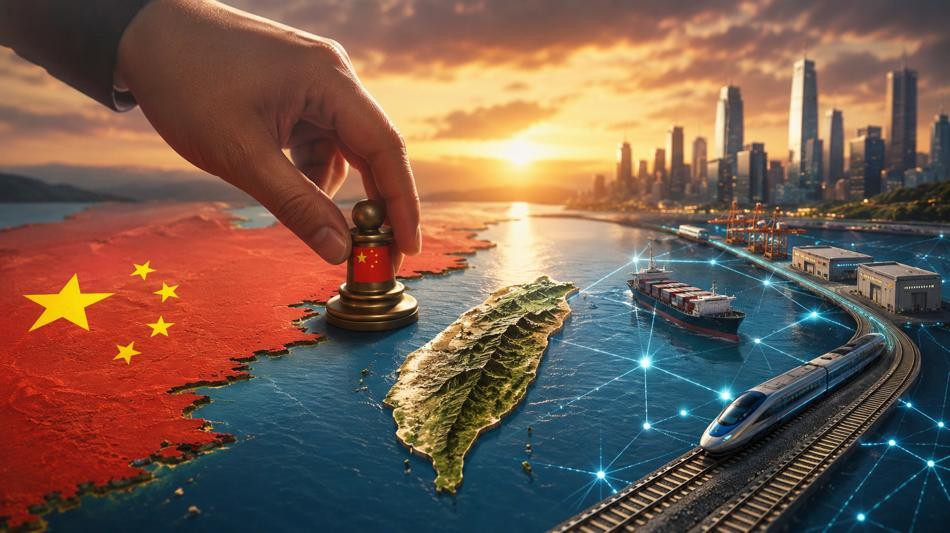
Beijing's new Taiwan playbook
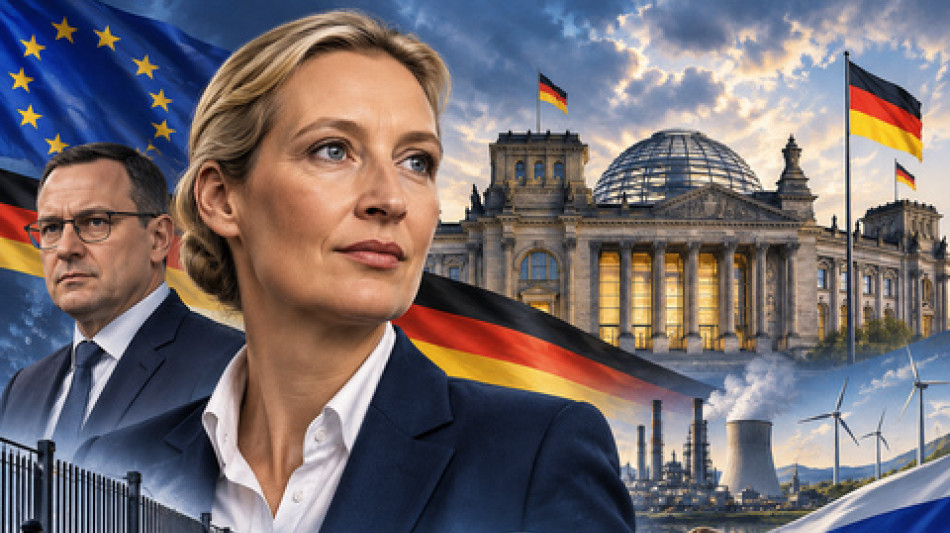
Germany under Weidel
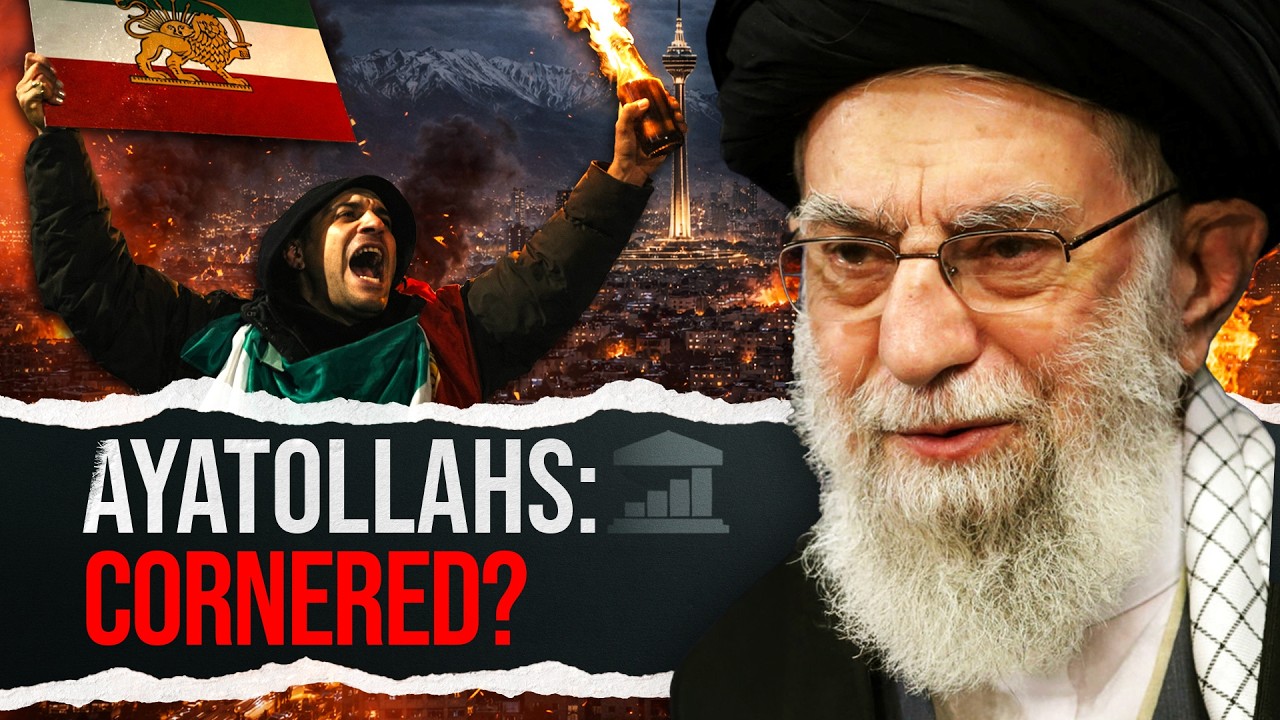
Power at the Heart of Iran

Cuba Strangled by US Pressure
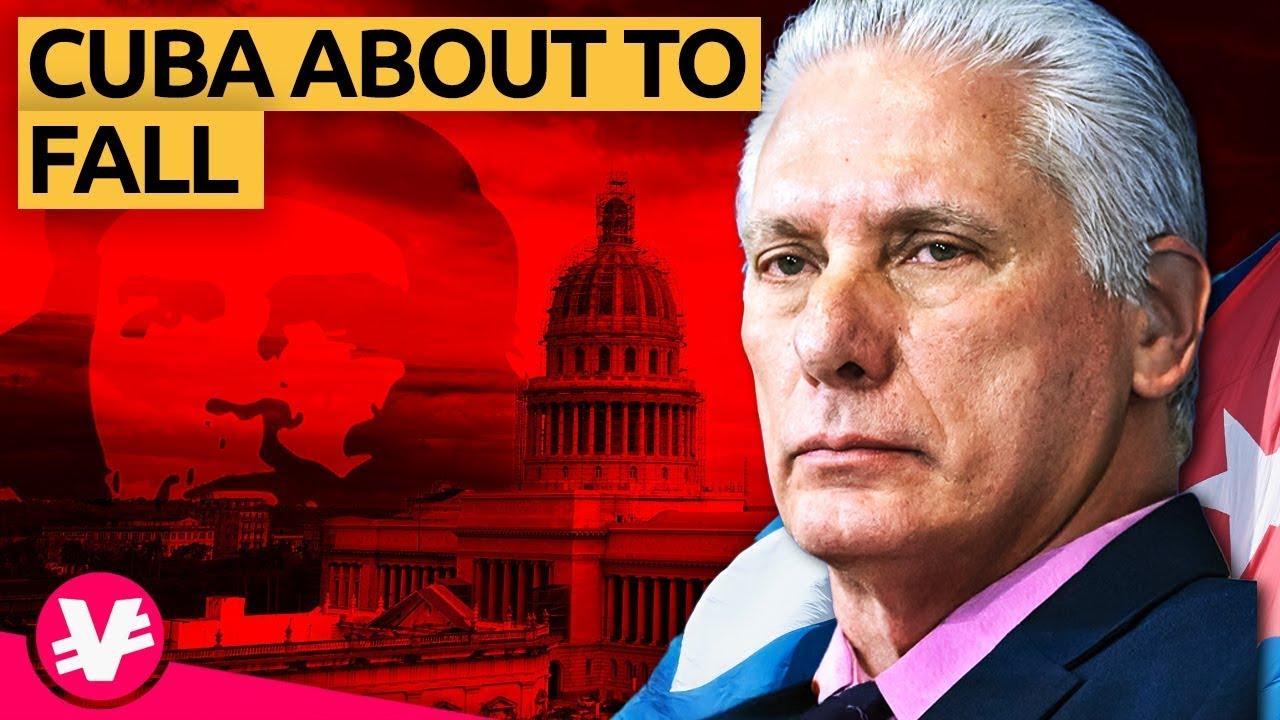
Cuba’s bleak oil crisis
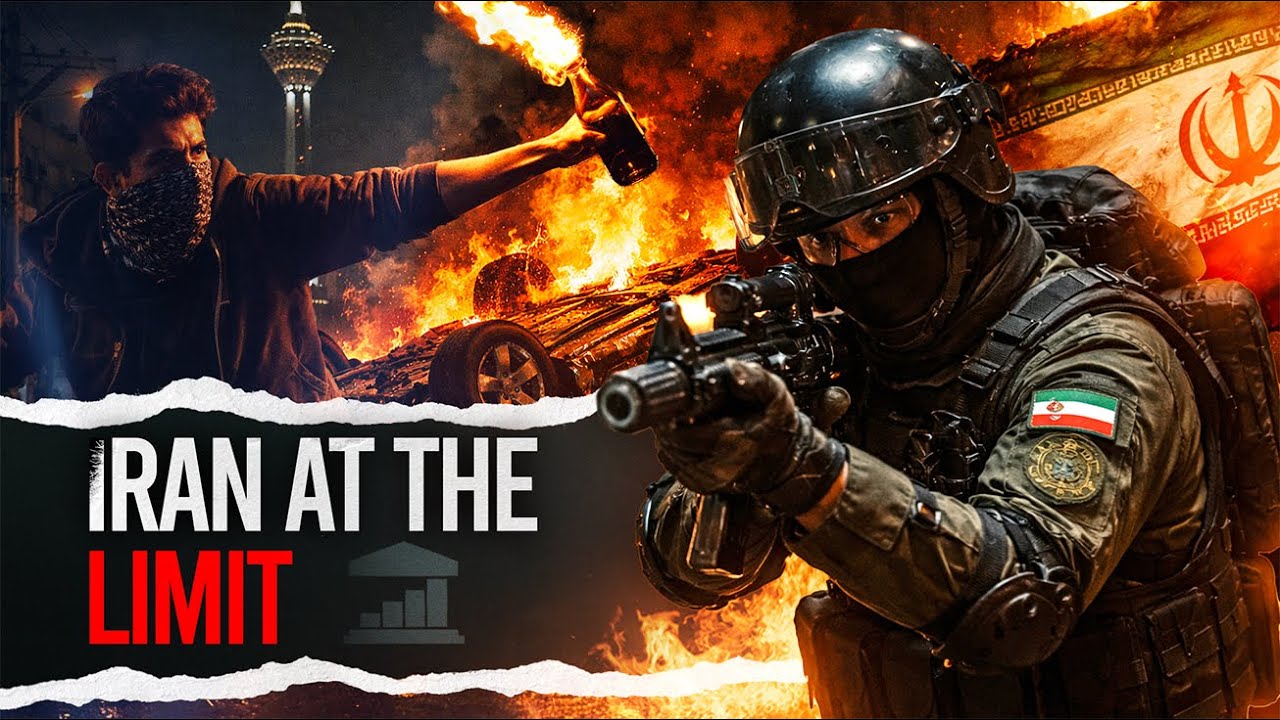
Iran unrest and US threats
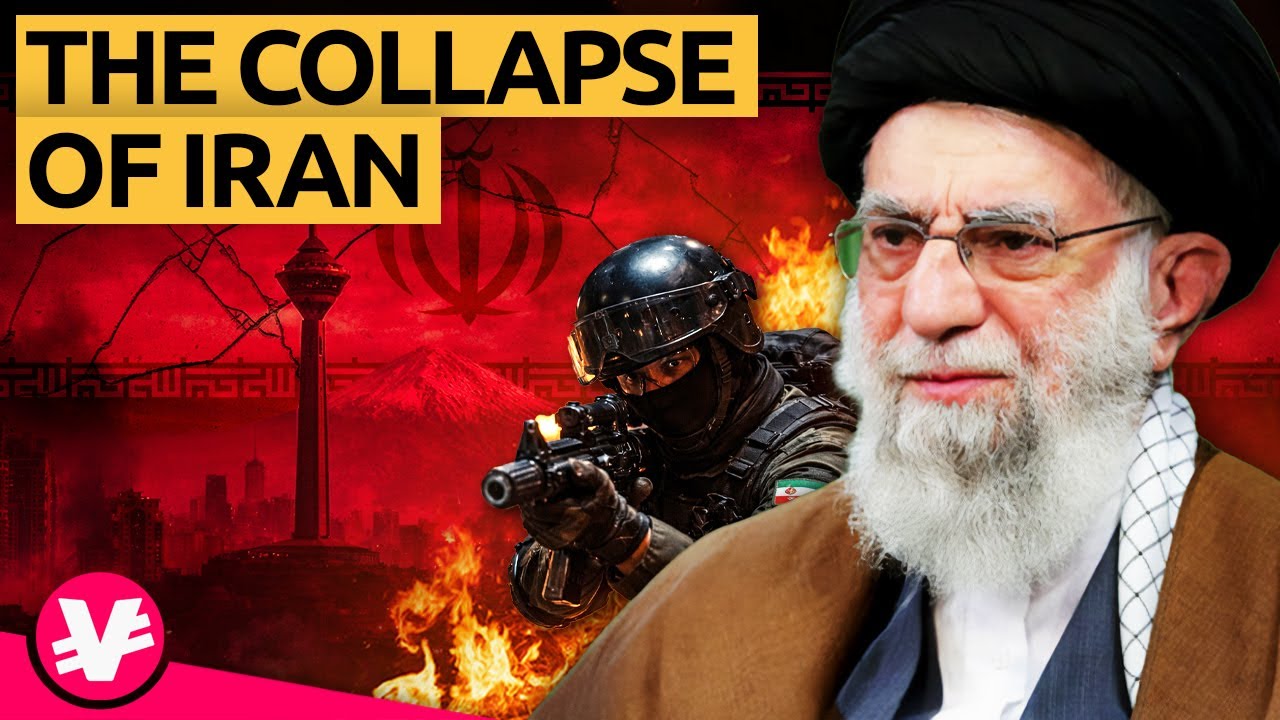
Iran's collapse fuels Revolt

Brexit's broken promises
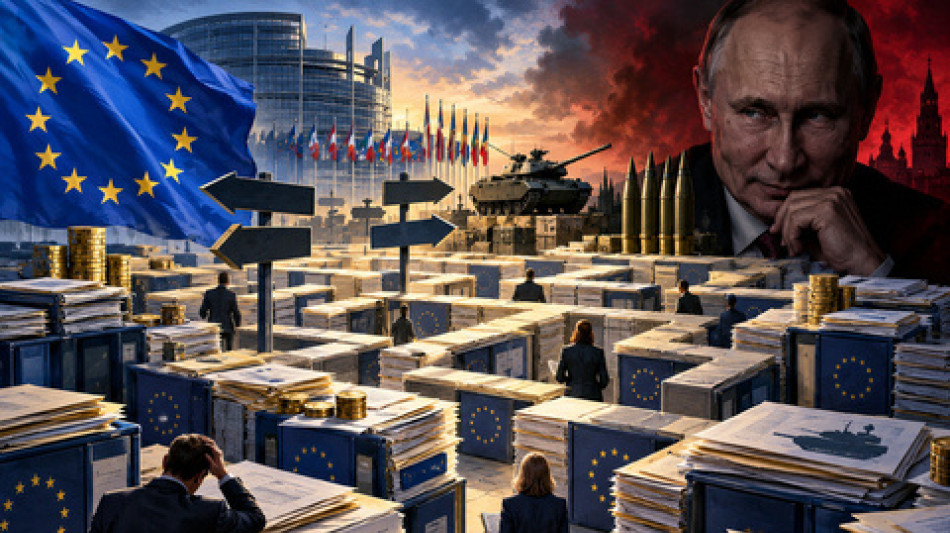
Europe’s arms money maze
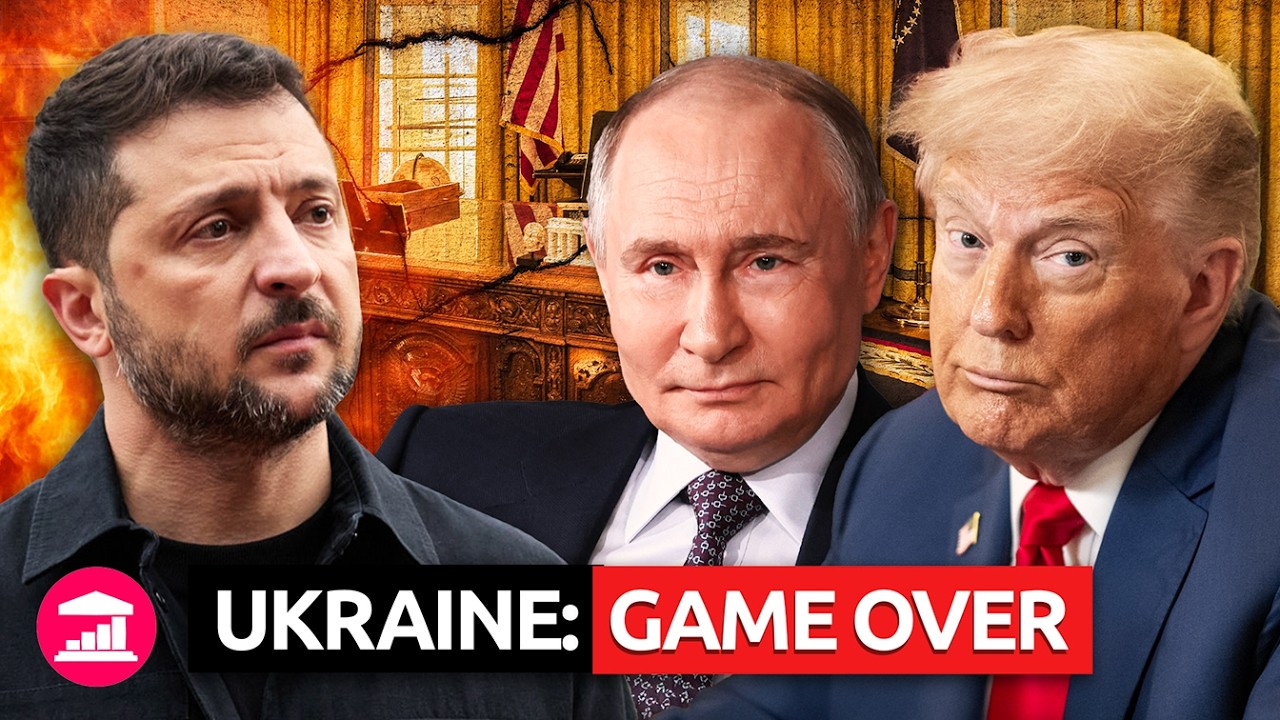
After Europe’s capitulation

Adobe down 40% and now?



