-
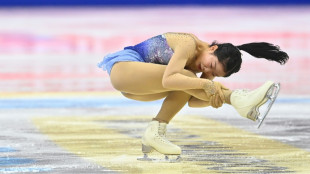 Japan's Nakai wins Grand Prix de France for second straight year
-
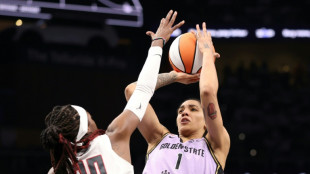
Valkyries hit back against Dream to level WNBA Finals
-
 Ronaldinho to make comeback in Italian third tier
-
'Fighting for our rights': Paris protesters determined to march on
-
 Israeli forces displace Hebron families after deadly attack
-
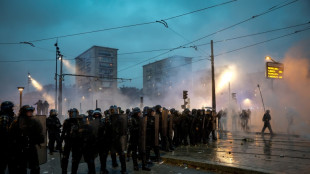
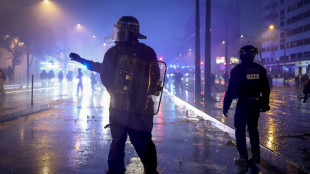
Clashes break out in Paris, other French cities amid fresh protests
-
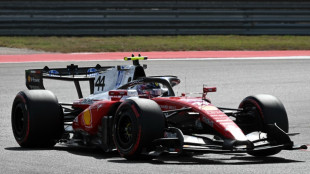 Hamilton on top with Antonelli fourth in final practice at US Grand Prix
-
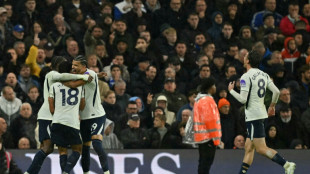
Spurs seal rare win at Chelsea as Palmer sees red
-
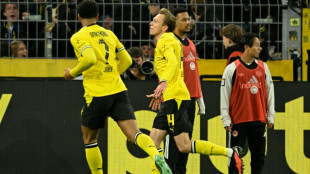 Beier late show sends Dortmund top of Bundesliga
-
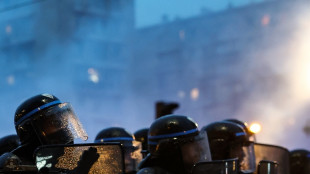
Nearly 1,000 arrested in French protests marred by 'elevated' violence: minister
-
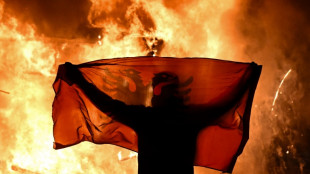 Police and protesters clash again at Albanian anti-government rally
-
France extends detention of suspected racist shooter
-
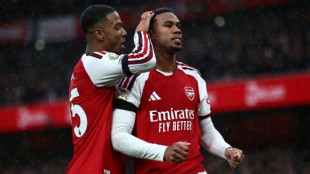 Arteta hails mentality as Arsenal go level with Man City
-
Andrade and Nemour star as Biles cheers at world gymnastics champs

-
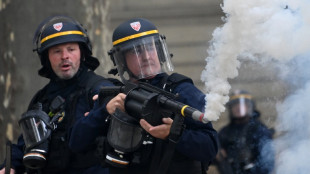 Clashes break out in Paris, other cities amid fresh protests
-
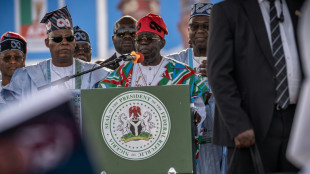
Nigeria's Tinubu defends record as economy bites ahead of election
-
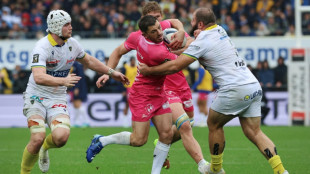 Bouthier kicks Vannes to first Top 14 win of season
-
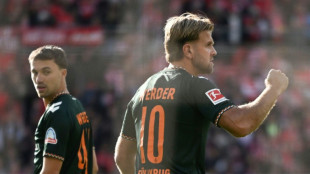
'Guiding star' Fuellkrug bags Bremen brace, Leipzig win
-
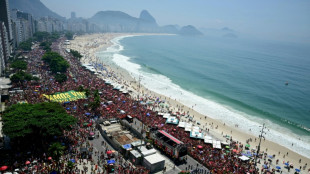 Thousands rally for Lula and Bolsonaro on eve of tight Brazil vote
-
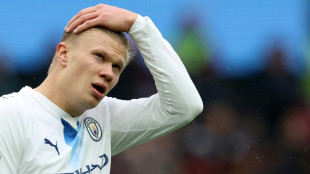
Man City's perfect start ended by Aston Villa, Arsenal go joint-top
-
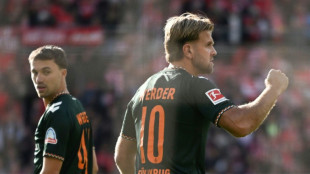 Red-hot Fuellkrug bags Bremen brace, Leipzig win
-
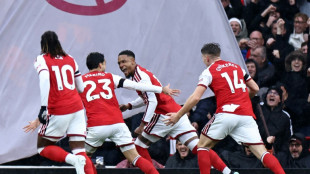
Arsenal sink Everton to join Man City at Premier League summit
-
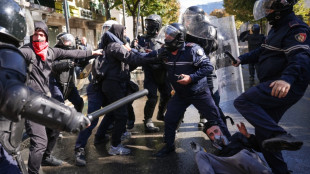 Thousands gather at new Albanian anti-government rally
-
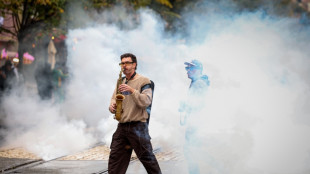
France protests: Latest developments
-
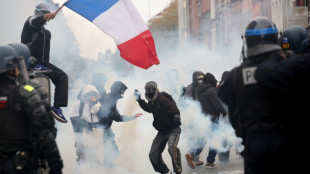 French police fire tear gas during fresh protests
-
French ice dancers Cizeron and Fournier make golden start to season

-
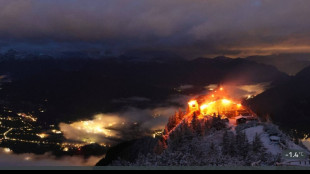 Suspect detained after fire wrecks Hitler's mountain retreat
-
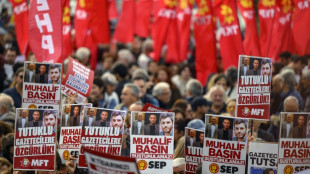
Thousands protest crackdown on media in Turkey
-
 Alexander Skarsgard and his viral 'Wicker' transformation
-
Brazil's Andrade returns to take vault gold at worlds

-
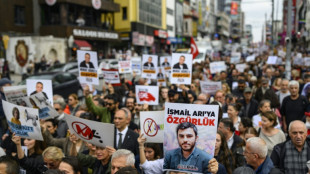 Thousands protest in Turkey over journalists' arrests, media shutdowns
-
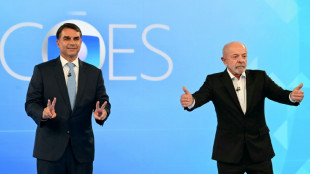
Lula, Bolsonaro hold final rallies ahead of Brazil election
-
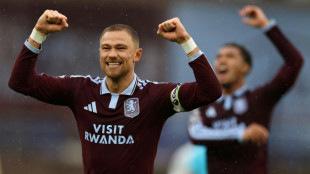 Man City beaten by Aston Villa to end perfect Premier League start
-
Ukraine has 'stable connection' to Starlink: govt
-
 Luis Enrique says PSG unbothered by Lyon match switch
-
French protests kick off amid heavy security blanket
-
 US gymnast Richard wins floor exercise gold at worlds
-
250,000 rally in Madrid demanding state pension guarantees
-
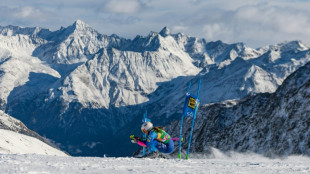 Moltzan upstages Shiffrin to win season-opening World Cup giant slalom
-
UK police says 'claims' over Meghan Markle's dad not sent to other law enforcement
-
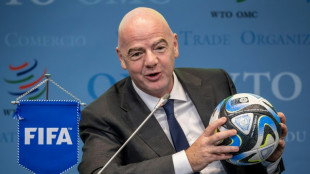 Infantino says backed by 'vast majority' in bid for re-election
-
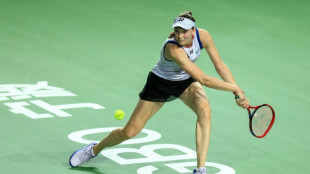
Top-ranked Rybakina to face Fernandez for Ningbo title
-
 Police fire tear gas as new French protests kick off
-
Late India charge seals thrilling second T20 win over New Zealand
-
 Police fire tear gas as new French demonstrations kick off
-
Seen and heard at France protests
-
 Tropical Storm Champi nears China after battering Taiwan, Japan
-
White says Fiji can have 'massive' World Cup after beating Japan

-
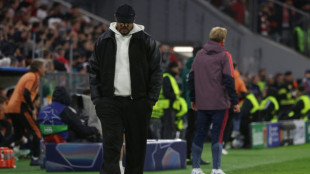 'Weeks, not days' in Kompany recovery, say Bayern
-
England thrash France 82-0 to keep Rugby League World Cup hopes alive

Trump vs. EU: A good deal?
At the end of July 2025, US President Donald Trump and EU Commission President Ursula von der Leyen presented a transatlantic trade agreement at the Turnberry golf resort in Scotland, signalling a surprise agreement after months of escalating threats of punitive tariffs. At its heart is a 15% cap on almost all EU goods exported to the United States, while Brussels will in return scrap all tariffs on US industrial goods – a paradigm shift from the previous ‘zero tariff symmetry’.
In addition, the European Union has committed to purchasing US energy worth 750 billion dollars by 2028 and investing 600 billion dollars in American sites. These commitments are intended not only to improve the US trade balance, but also to reduce European dependence on third countries. Steel, aluminium and copper are exempt from the 15 per cent cap – here, surcharges of 50 per cent remain in place, which will hit traditional EU export industries particularly hard.
The legal framework for implementation is a presidential order signed on 31 July, which comes into force seven days later and adjusts the US Harmonised Tariff Schedule accordingly. Washington is selling the result as a ‘historic recalibration’ of trade relations; Brussels emphasises that it has averted an escalation of the announced 30% punitive tariffs and gained planning security.
But criticism in Europe is loud: German Chancellor Friedrich Merz warns of ‘considerable damage’ to competitiveness, while French Prime Minister François Bayrou speaks of a ‘dark day’ for industry. Economists expect many EU companies to have to choose between sacrificing margins and adjusting prices in the US – with potential inflationary and demand effects on both sides of the Atlantic.
In the medium term, the agreement is likely to cause massive shifts in supply chains: the US energy and defence sectors will benefit immediately, while European car and machine manufacturers will increasingly build up production capacities in North America – a trend that is already evident in current investment plans and reveals the complete incompetence of European politicians! However, before the package becomes legally binding, the 27 EU member states and the European Parliament must ‘still’ give their approval; several MEPs have announced a detailed review of the ‘asymmetrical agreement’.
Whether the agreement represents a stable new trade order or merely a respite depends on whether Brussels forces renegotiations – and whether Washington honours its commitments on market opening, investment and tariff reductions in the long term.

Ukraine war: Russia 'must not be responsible for starvation of millions', says EU's von der Leyen

Ukraine: Russia throwing everything it has at four cities in eastern Donbas, says Zelenskyy
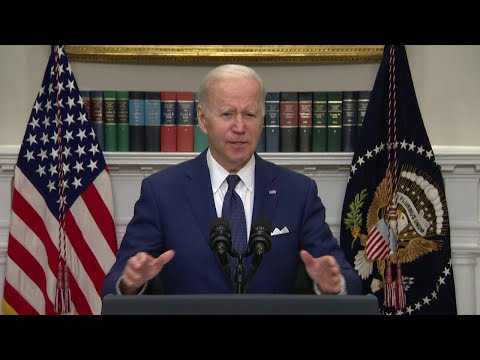
'It's just sick': Biden deplores school shooting, demands tighter gun laws

Frenchman breaks world record for longest tightrope walk ever

Russian Warcrime: Ukraine prosecutor asks for life sentence for Russian soldier in war crimes trial
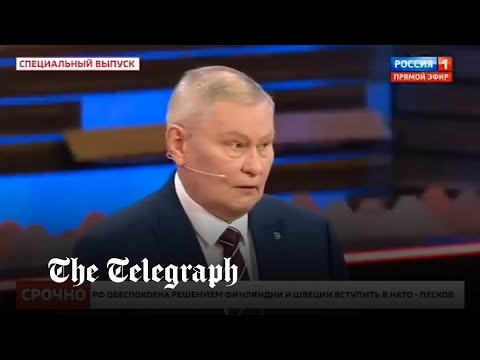
Россияне, граждане всего мира ненавидят вас - ваш диктатор Вальдимир Путин является военным преступником!
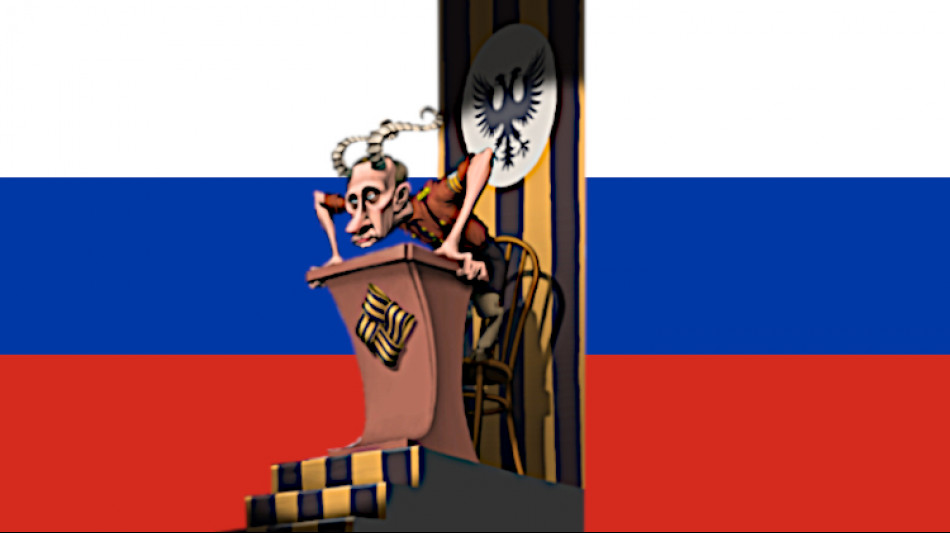
Russian terror: War in Ukraine deals final blow to dwindling Black Sea tourism destination
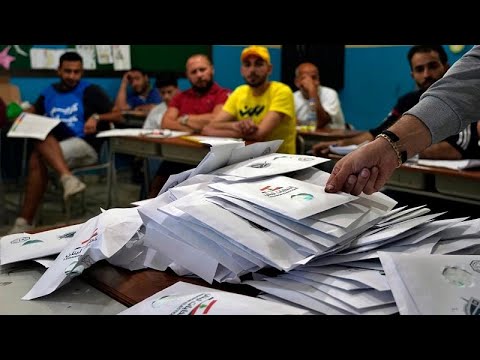
Lebanon elections: Hezbollah and allies lose majority in parliamentary vote

Exhibition: Arabian Travel Market 2022 opened its doors in Dubai
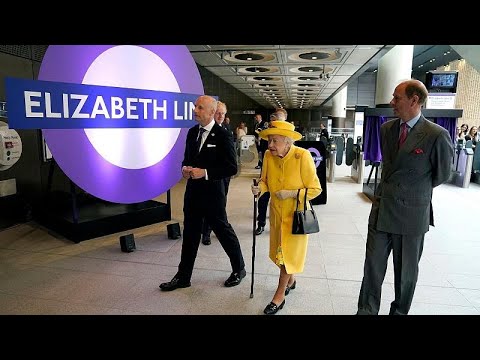
Queen Elizabeth II makes surprise visit to open London's new rail line
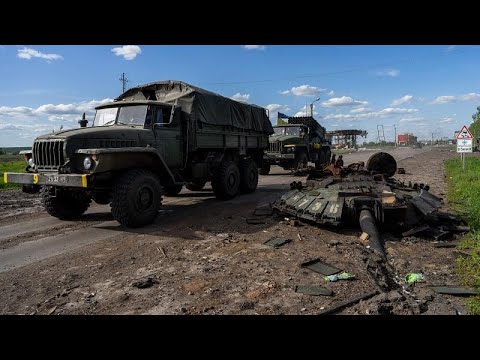
Ukraine wins Battle of Kharkiv', say US analysts as Russian troops withdraw