-
 Alexander Skarsgard and his viral 'Wicker' transformation
-
Brazil's Andrade returns to take vault gold at worlds

-
 Thousands protest in Turkey over journalists' arrests, media shutdowns
-
Lula, Bolsonaro hold final rallies ahead of Brazil election
-
 Man City beaten by Aston Villa to end perfect Premier League start
-
Ukraine has 'stable connection' to Starlink: govt

-
 Luis Enrique says PSG unbothered by Lyon match switch
-
French protests kick off amid heavy security blanket

-
 US gymnast Richard wins floor exercise gold at worlds
-
250,000 rally in Madrid demanding state pension guarantees

-
 Moltzan upstages Shiffrin to win season-opening World Cup giant slalom
-
UK police says 'claims' over Meghan Markle's dad not sent to other law enforcement

-
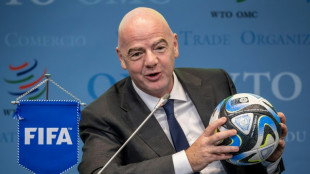 Infantino says backed by 'vast majority' in bid for re-election
-
Top-ranked Rybakina to face Fernandez for Ningbo title

-
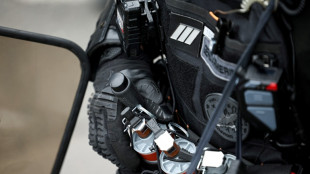 Police fire tear gas as new French protests kick off
-
Late India charge seals thrilling second T20 win over New Zealand

-
 Police fire tear gas as new French demonstrations kick off
-
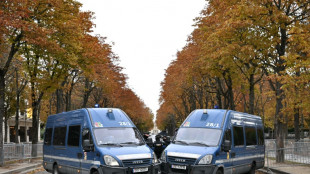
Seen and heard at France protests
-
 Tropical Storm Champi nears China after battering Taiwan, Japan
-
White says Fiji can have 'massive' World Cup after beating Japan

-
 'Weeks, not days' in Kompany recovery, say Bayern
-
England thrash France 82-0 to keep Rugby League World Cup hopes alive

-
 Unfair to compare us to Barca: Real Madrid's Mourinho
-
Security high as France braces for new protests

-
 North Korea's Kim makes unannounced visit to Chinese border city
-
White makes winning start as Fiji edge Eddie Jones's Japan

-
 Fire breaks out at Hitler's mountain retreat, suspect arrested
-
Lula, Bolsonaro strike calmer tone in final Brazil election debate
-
 Marc Marquez wins Australian sprint as Martin crashes out
-
'How is it possible?': Students protest Indonesian haze

-
 North Korea's Kim calls for training world's 'strongest' military
-
Israel launches major West Bank operation after soldiers killed

-
 Brewers edge Rays to capture World Series opener
-
Typhoon Champi knocks out power to thousands in Taiwan

-
 France to deploy 70,000 police for fresh weekend protests
-
As Israeli election nears, campaign turns ugly

-
 Tatum delivers as Celtics down winless Knicks
-
Oscar hopeful 'La Bola Negra' offers lessons about communicating, directors say

-
 Romantasy fans ready for sleepless night as 'Court of Thorns and Roses' returns
-
Trapped: Soaring fuel costs hurt Maine lobster industry before midterms
-
 De Goede hat-trick as Canada defeat England again
-
Marc Marquez beats brother Alex to Australian MotoGP pole

-
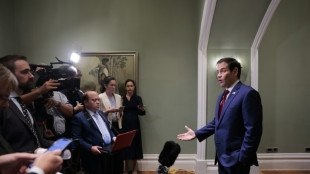 Rubio urges Cubans to work with CIA, but warns: be discreet
-
Ebola vaccine trial begins in DR Congo

-
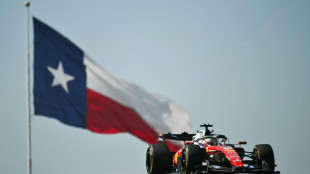 Leclerc tops times for Ferrari in practice for US Grand Prix
-
Travelling man Wade equals Prem try record

-
 Lula, Bolsonaro lock horns in final debate before Brazil vote
-
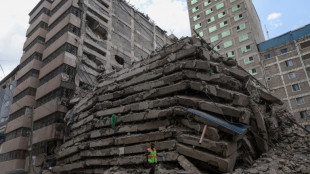
Rescuers search for seven people in Nairobi building collapse
-
 Poulter and Hatton leave LIV Golf
-
Sacha Baron Cohen revives the 'problematic dinosaur' Ali G in new film

Japan's financial precipice
Japan is grappling with a dire financial crisis as interest rates have surged, doubling to a staggering 0.50%—the highest level since the 2008 global financial crisis. This dramatic shift, orchestrated by the Bank of Japan, marks the end of a prolonged era of ultra-low borrowing costs, leaving the nation teetering on the edge of economic ruin. The people, long accustomed to near-zero rates, now face unprecedented financial pressure as the cost of living soars and debt burdens mount.
For decades, Japan wrestled with stagnation and deflation, a period often dubbed the "Lost Decades." Ultra-low interest rates were a lifeline, keeping borrowing affordable and sustaining a fragile economy. But that lifeline has been severed. Inflation has climbed past the central bank's 2% target, fueled by a tight labor market and rising wages. Emboldened by these signs of economic vigor, the Bank of Japan has pushed forward with its rate hikes, aiming to normalize monetary policy after years of caution.
Yet, this bold move comes at a steep cost. Japan's public debt, one of the largest in the world, now looms larger as servicing costs rise with the higher rates. Households, once shielded by cheap loans, are buckling under increased mortgage and credit payments. Businesses, too, face a reckoning—many small firms, the backbone of the economy, fear they won't survive the tightened conditions. "The shift is too sudden," one economic observer noted, echoing widespread unease. "Families and companies need time to adjust, but time is a luxury we don’t have."
The timing couldn’t be worse. Global uncertainties, from trade disruptions to geopolitical tensions, cast a shadow over Japan’s recovery. Some experts caution that the rate hike could choke off growth just as the economy begins to stir, plunging the nation back into the stagnation it fought so hard to escape. "We’re walking a tightrope," another voice warned, highlighting the delicate balance between curbing inflation and preserving stability.
As Japan stands at this financial precipice, the Bank of Japan faces mounting pressure to monitor the fallout closely. The path ahead is fraught with risk—too aggressive, and the economy could collapse under the weight of debt; too lenient, and inflation could spiral out of control. For now, the people of Japan brace for hardship, their resilience tested once more as the nation navigates this perilous turning point.

EU misstep on mercosur Deal
Greenland Deal – and now?

Trump's hesitation in Iran

Cuba’s bleak oil crisis

Venezuela’s economic roadmap
AI bust: Layoffs & Rent surge

COSTCO profits from Fees

Trump's threats to Colombia

United Kingdom vs Immigration

UK politics: Outlook for 2026

Trump preps Allies for Ven Op