-
 Alexander Skarsgard and his viral 'Wicker' transformation
-
Brazil's Andrade returns to take vault gold at worlds

-
 Thousands protest in Turkey over journalists' arrests, media shutdowns
-
Lula, Bolsonaro hold final rallies ahead of Brazil election
-
 Man City beaten by Aston Villa to end perfect Premier League start
-
Ukraine has 'stable connection' to Starlink: govt

-
 Luis Enrique says PSG unbothered by Lyon match switch
-
French protests kick off amid heavy security blanket
-
 US gymnast Richard wins floor exercise gold at worlds
-
250,000 rally in Madrid demanding state pension guarantees

-
 Moltzan upstages Shiffrin to win season-opening World Cup giant slalom
-
UK police says 'claims' over Meghan Markle's dad not sent to other law enforcement

-
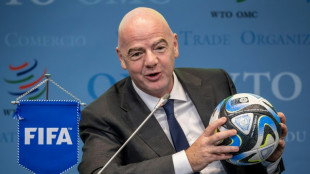 Infantino says backed by 'vast majority' in bid for re-election
-
Top-ranked Rybakina to face Fernandez for Ningbo title

-
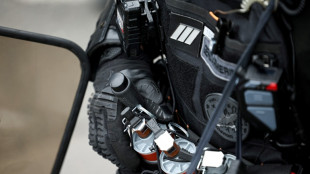 Police fire tear gas as new French protests kick off
-
Late India charge seals thrilling second T20 win over New Zealand

-
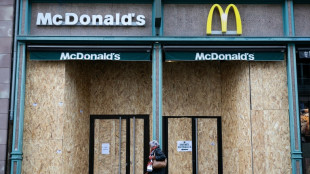 Police fire tear gas as new French demonstrations kick off
-
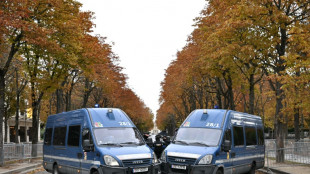
Seen and heard at France protests
-
 Tropical Storm Champi nears China after battering Taiwan, Japan
-
White says Fiji can have 'massive' World Cup after beating Japan

-
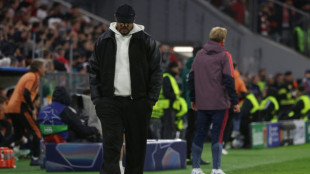 'Weeks, not days' in Kompany recovery, say Bayern
-
England thrash France 82-0 to keep Rugby League World Cup hopes alive

-
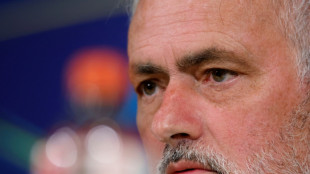 Unfair to compare us to Barca: Real Madrid's Mourinho
-
Security high as France braces for new protests

-
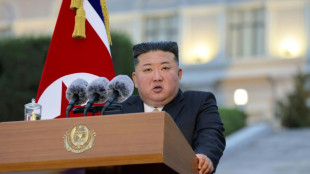 North Korea's Kim makes unannounced visit to Chinese border city
-
White makes winning start as Fiji edge Eddie Jones's Japan

-
 Fire breaks out at Hitler's mountain retreat, suspect arrested
-
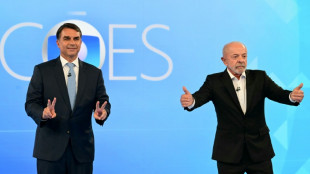
Lula, Bolsonaro strike calmer tone in final Brazil election debate
-
 Marc Marquez wins Australian sprint as Martin crashes out
-
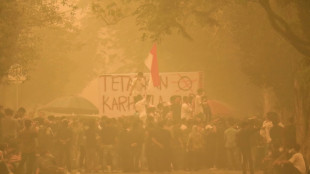
'How is it possible?': Students protest Indonesian haze
-
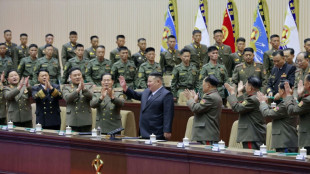 North Korea's Kim calls for training world's 'strongest' military
-
Israel launches major West Bank operation after soldiers killed

-
 Brewers edge Rays to capture World Series opener
-
Typhoon Champi knocks out power to thousands in Taiwan

-
 France to deploy 70,000 police for fresh weekend protests
-
As Israeli election nears, campaign turns ugly

-
 Tatum delivers as Celtics down winless Knicks
-
Oscar hopeful 'La Bola Negra' offers lessons about communicating, directors say

-
 Romantasy fans ready for sleepless night as 'Court of Thorns and Roses' returns
-
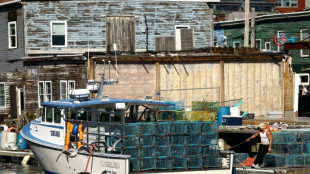
Trapped: Soaring fuel costs hurt Maine lobster industry before midterms
-
 De Goede hat-trick as Canada defeat England again
-
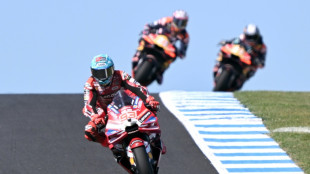
Marc Marquez beats brother Alex to Australian MotoGP pole
-
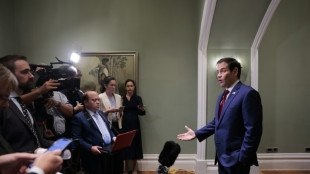 Rubio urges Cubans to work with CIA, but warns: be discreet
-
Ebola vaccine trial begins in DR Congo

-
 Leclerc tops times for Ferrari in practice for US Grand Prix
-
Travelling man Wade equals Prem try record

-
 Lula, Bolsonaro lock horns in final debate before Brazil vote
-
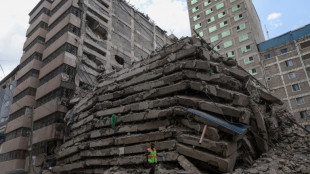
Rescuers search for seven people in Nairobi building collapse
-
 Poulter and Hatton leave LIV Golf
-
Sacha Baron Cohen revives the 'problematic dinosaur' Ali G in new film

France's debt is growing
France is facing an unprecedented financial challenge. With public debt exceeding €3.2 trillion, representing more than 110% of gross domestic product (GDP), the eurozone's second-largest economy is on a dangerous path. The budget deficit is around 5.5% of GDP and is expected to rise to over 6% this year. These figures significantly exceed EU targets, which allow a maximum deficit of 3% and a debt ratio of 60% of GDP. The financial markets are becoming increasingly nervous, and interest rates on French government bonds are climbing to record levels. What has led to this debt chaos, and how can France avoid the looming abyss?
The roots of the crisis run deep. For decades, France has had a relaxed attitude towards debt, which differs from the strict budgetary discipline of other countries such as Germany. During the coronavirus pandemic and the energy crisis resulting from the war in Ukraine, the government pumped billions into the economy to support households and businesses. Subsidies for electricity prices and generous social benefits kept the economy stable but led to a sharp rise in debt. Since 2017, when President Emmanuel Macron took office, public debt has grown by almost one trillion euros. Critics accuse the government of delaying necessary structural reforms, while the government's spending ratio is just under 60% of GDP – one of the highest in the world.
The political situation is exacerbating the crisis. Following early parliamentary elections in the summer of 2024, parliament is fragmented and majorities are difficult to form. Prime Minister François Bayrou, who has been in office since autumn 2024, has presented an ambitious austerity programme to reduce the deficit to below 3% by 2029. The measures include the abolition of two public holidays, a freeze on pensions and social benefits, the elimination of 3,000 civil service jobs and higher taxes on high incomes. However, these plans are meeting with fierce resistance. The right-wing nationalist party Rassemblement National and left-wing parties are threatening votes of no confidence, which could bring down Bayrou's government. His predecessor, Michel Barnier, was forced to resign after only three months in office when his draft budget failed.
The financial markets are watching the situation with suspicion. Interest rates on French government bonds are now exceeding those of Greece in some cases, which is an alarming sign. France spends around 50 billion euros a year on debt servicing alone, and the trend is rising. Experts warn that this figure could climb to between 80 and 90 billion euros by 2027, making investment in education, infrastructure and climate protection virtually impossible. Rating agencies such as S&P and Moody's still rate France's creditworthiness as solid, but have threatened downgrades if the deficits are not reduced.
The crisis also has European dimensions. France is systemically important for the eurozone, and an uncontrolled rise in debt could jeopardise the stability of the single currency. Unlike the Greek debt crisis in 2008, when rescue funds were used, a bailout package for France would be almost impossible to finance. The EU has launched disciplinary proceedings against France to exert pressure for budget consolidation, but political instability is hampering reforms.
What can France do? Bayrou's austerity plans are a first step, but their implementation is uncertain. Tax increases are politically sensitive, as France already has one of the highest tax rates in Europe. Spending cuts could slow economic growth, which is just over 1% this year. At the same time, experts are calling for structural reforms to increase productivity and reduce dependence on the public sector. Without clear political majorities, there is a risk that France will slide further into debt.
Citizens are already feeling the effects of the crisis. Strikes and protests against austerity measures are on the rise, and social tensions are running high. Many French people feel caught between high living costs and impending cuts. The government faces the challenge of regaining credibility without losing the trust of the markets or the population.
A way out of the debt chaos requires courage and a willingness to compromise. Bayrou has described the situation as ‘the last stop before the abyss.’ Whether France can overcome this crisis depends on whether politicians and society are prepared to make tough decisions. Time is pressing, because the financial markets will not tolerate any further delays. France is at a crossroads – between reform and risk.
EU misstep on mercosur Deal
Greenland Deal – and now?
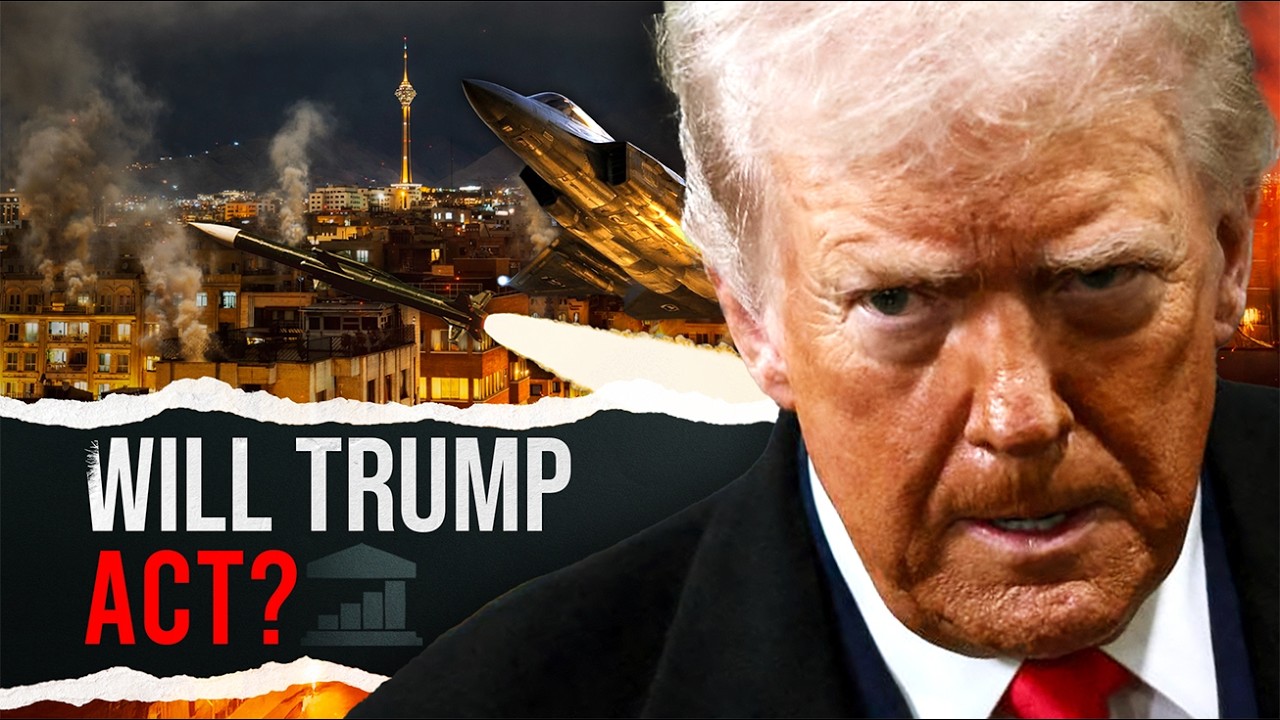
Trump's hesitation in Iran
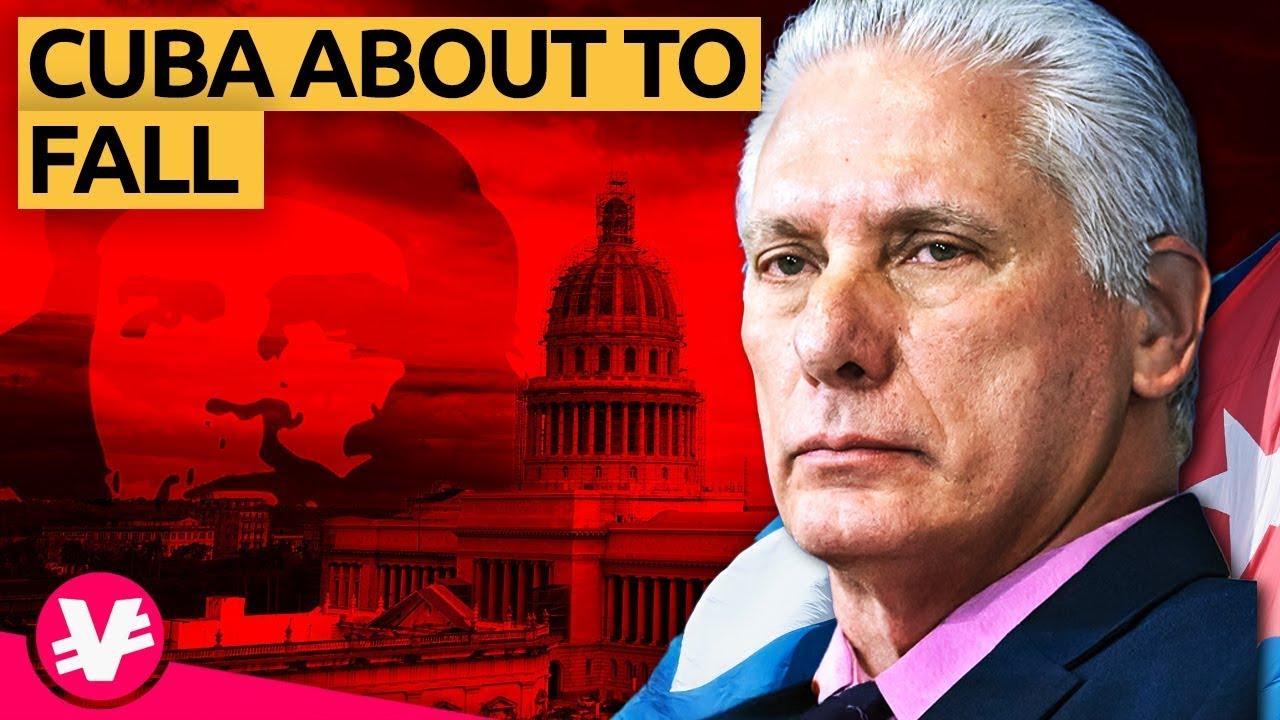
Cuba’s bleak oil crisis
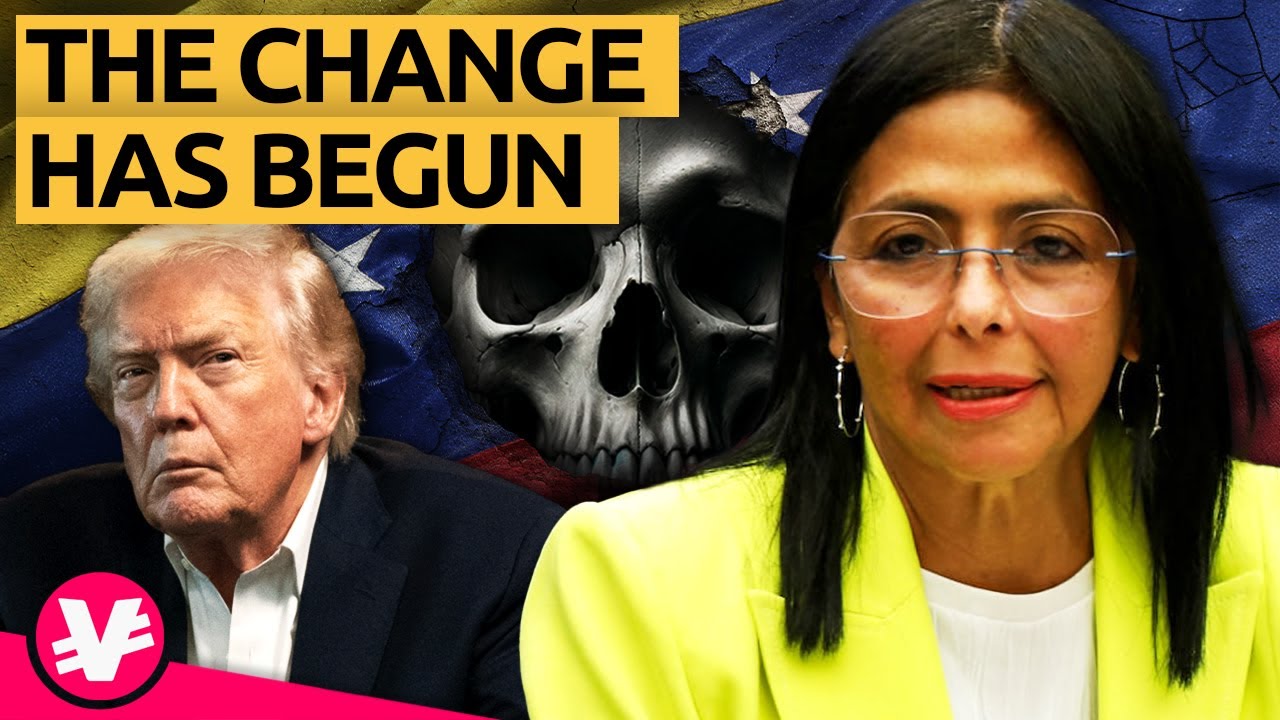
Venezuela’s economic roadmap
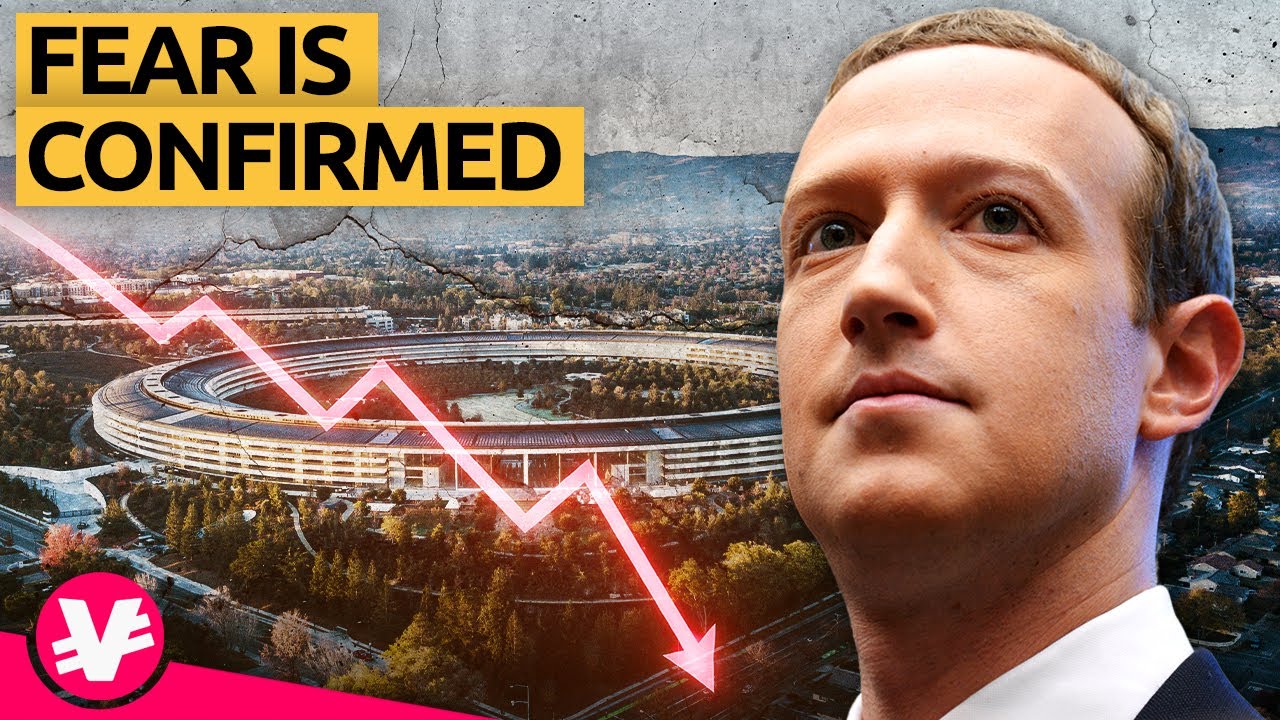
AI bust: Layoffs & Rent surge

COSTCO profits from Fees

Trump's threats to Colombia
United Kingdom vs Immigration

UK politics: Outlook for 2026

Trump preps Allies for Ven Op