-
 Musk accuses Ukraine of violating Starlink's terms of service
-
'Tech debt coming due': AI-found flaw signals chaos ahead

-
 Fed expected to hold rates steady days ahead of US midterms
-
Stop-motion 'Wildwood' showcases 'human creativity' in AI age

-
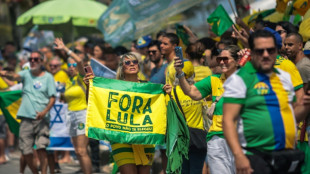 More Lula, or back to the Bolsonaros? Brazil votes in cliffhanger
-
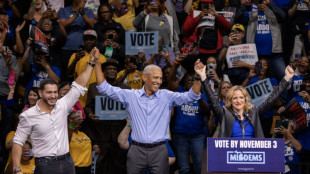
Obama blasts Trump's 'chaos and cruelty' while campaigning for Democrats
-
 Jorge Martin out of Australian MotoGP with fracture: team
-
Bolsonaro leads Lula in final Brazil election polls

-
 Antonelli storms to US Grand Prix pole on weekend he can take title
-
Antonelli storms to pole for US Grand Prix

-
 Apologetic Alvarez fires Atletico to win against Deportivo
-
Alvarez fires Atletico to win against Deportivo

-
 Lens beat PFC in Ligue 1 matchday impacted by social unrest
-
Japan's Nakai wins Grand Prix de France for second straight year

-
 Valkyries hit back against Dream to level WNBA Finals
-
Ronaldinho to make comeback in Italian third tier

-
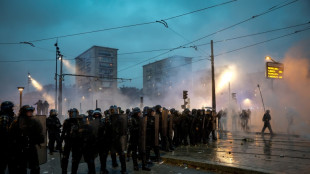 'Fighting for our rights': Paris protesters determined to march on
-
Israeli forces displace Hebron families after deadly attack
-
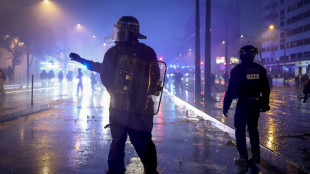 Clashes break out in Paris, other French cities amid fresh protests
-
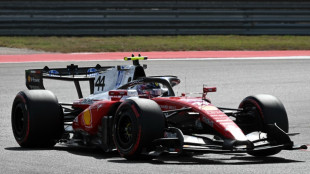
Hamilton on top with Antonelli fourth in final practice at US Grand Prix
-
 Spurs seal rare win at Chelsea as Palmer sees red
-
Beier late show sends Dortmund top of Bundesliga

-
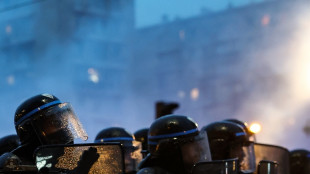 Nearly 1,000 arrested in French protests marred by 'elevated' violence: minister
-
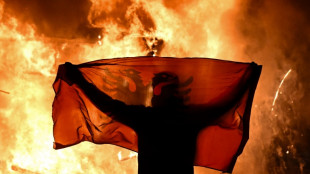
Police and protesters clash again at Albanian anti-government rally
-
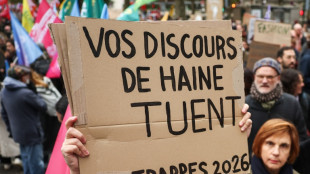 France extends detention of suspected racist shooter
-
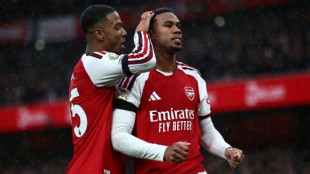
Arteta hails mentality as Arsenal go level with Man City
-
 Andrade and Nemour star as Biles cheers at world gymnastics champs
-
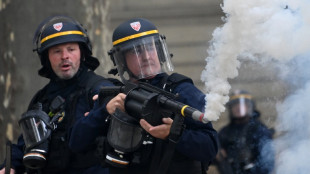
Clashes break out in Paris, other cities amid fresh protests
-
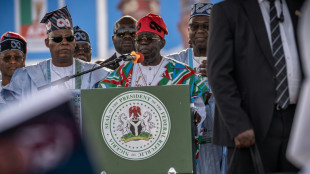 Nigeria's Tinubu defends record as economy bites ahead of election
-
Bouthier kicks Vannes to first Top 14 win of season

-
 'Guiding star' Fuellkrug bags Bremen brace, Leipzig win
-
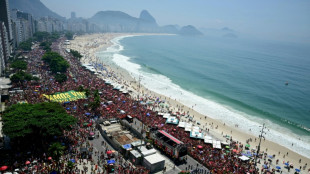
Thousands rally for Lula and Bolsonaro on eve of tight Brazil vote
-
 Man City's perfect start ended by Aston Villa, Arsenal go joint-top
-
Red-hot Fuellkrug bags Bremen brace, Leipzig win

-
 Arsenal sink Everton to join Man City at Premier League summit
-
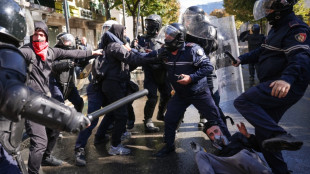
Thousands gather at new Albanian anti-government rally
-
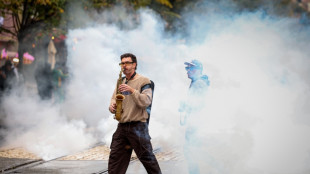 France protests: Latest developments
-
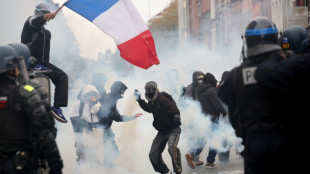
French police fire tear gas during fresh protests
-
 French ice dancers Cizeron and Fournier make golden start to season
-
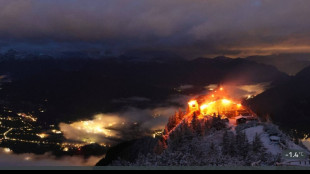
Suspect detained after fire wrecks Hitler's mountain retreat
-
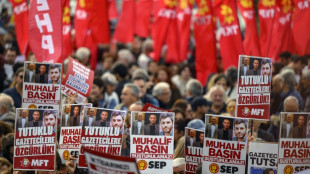 Thousands protest crackdown on media in Turkey
-
Alexander Skarsgard and his viral 'Wicker' transformation

-
 Brazil's Andrade returns to take vault gold at worlds
-
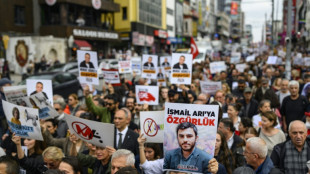
Thousands protest in Turkey over journalists' arrests, media shutdowns
-
 Lula, Bolsonaro hold final rallies ahead of Brazil election
-
Man City beaten by Aston Villa to end perfect Premier League start

-
 Ukraine has 'stable connection' to Starlink: govt
-
Luis Enrique says PSG unbothered by Lyon match switch

-
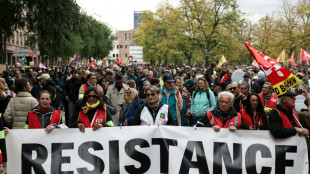 French protests kick off amid heavy security blanket
-
US gymnast Richard wins floor exercise gold at worlds

Azerbaijan defies Russia
Since the death of two Azerbaijanis in Russia, the conflict between the two countries has escalated. Since the war in Ukraine, Baku's autocrat Ilham Aliyev has been acting much more confidently towards Moscow. Relations between Azerbaijan and Russia, which for years were characterised by pragmatic cooperation, have deteriorated dramatically in recent months. The conflict unfolding in the Caucasus has far-reaching geopolitical implications and could permanently alter the balance of power in the region.
Background to the relations
Relations between Azerbaijan and Russia have long been characterised by mutual benefit. Russia was considered the protective power of Armenia, Azerbaijan's neighbour and rival, but at the same time Moscow maintained economic and political ties with Baku. Azerbaijan, rich in oil and gas reserves, played a key role in regional energy policy. However, this balance was upset when Azerbaijan strengthened its independence from Russia after its victory in the Nagorno-Karabakh conflict in 2023 and established closer relations with Turkey and the West.
Trigger for the current tensions
The current conflict began with the death of two Azerbaijani brothers in the Russian city of Yekaterinburg in June 2025. The men were arrested during a raid by the Russian domestic intelligence service and died shortly afterwards in unclear circumstances. While Russian authorities claimed that the deaths were natural, an Azerbaijani autopsy revealed serious injuries, sparking allegations of torture and ethnically motivated violence. This incident sparked a wave of outrage in Azerbaijan and set off a chain of events that exacerbated tensions.
Escalating events
In response to the incident, Azerbaijan cancelled all planned Russian cultural events and raided the offices of a Russian foreign broadcaster in Baku, arresting several journalists. Another high point was the crash of an Azerbaijani passenger plane in December 2024 on its way to Grozny in Chechnya.
The accident claimed the lives of 38 people. While Russia attributed the crash to a bird strike, Azerbaijan suspects that a Russian missile was responsible. President Aliyev then threatened legal action at the international level.
Reactions from both sides
Azerbaijan has strengthened its position by moving closer to the West and supporting Ukraine in its war against Russia. At the same time, the country has expanded its energy exports to Europe in order to secure its economic independence. Russia, on the other hand, sees itself weakened by the war in Ukraine and is responding with a mixture of threats and appeasement. Official spokespeople warned Azerbaijan against a deterioration in relations, while nationalist voices in Russia called for tougher measures against Azerbaijani migrants.
Consequences for the Caucasus
The South Caucasus is a strategically important region that serves as a transit corridor for energy exports and connects Europe with Asia. An escalating conflict could jeopardise Europe's energy supply and undermine the stability of the region. Russia's waning influence, coupled with the growing role of Turkey and the West, is changing the geopolitical landscape. The conflict could also strain relations between Russia and Turkey, which have different interests in the region.
Outlook for the political future
The future remains uncertain. Some warn of further escalation that could lead to military confrontation. Others are counting on diplomatic solutions, possibly through mediation by international actors such as the European Union. What is clear, however, is that relations between Azerbaijan and Russia have reached a low point and that the Caucasus faces an uncertain future.
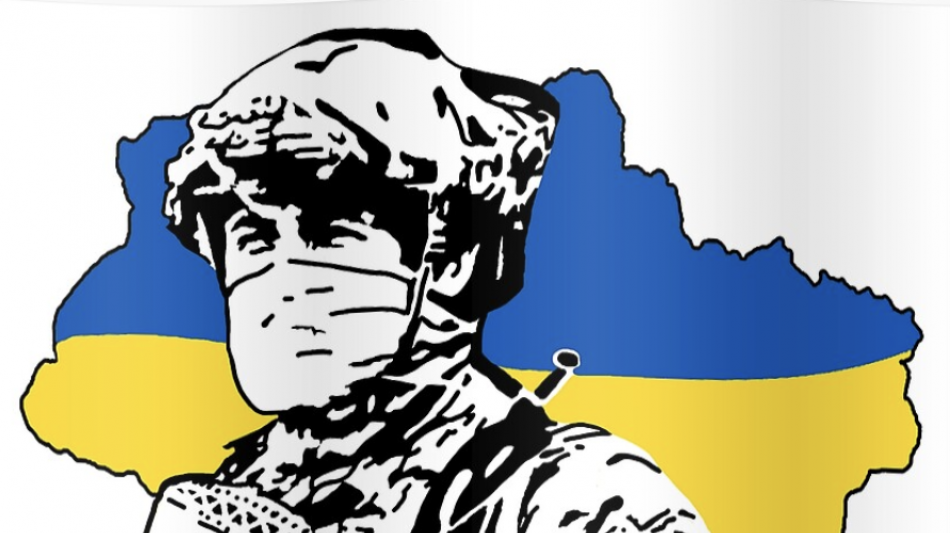
Glory to heroic Ukraine! Слава героїчній Україні!
Ehre der heldenhaften Ukraine! Слава героїчній Україні!

Call Russia: Speak of Russia's WAR against Ukraine
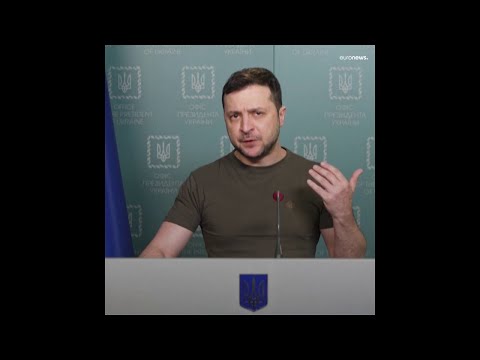
Ukraine President Zelenskyy slams the West for unkept "promises"
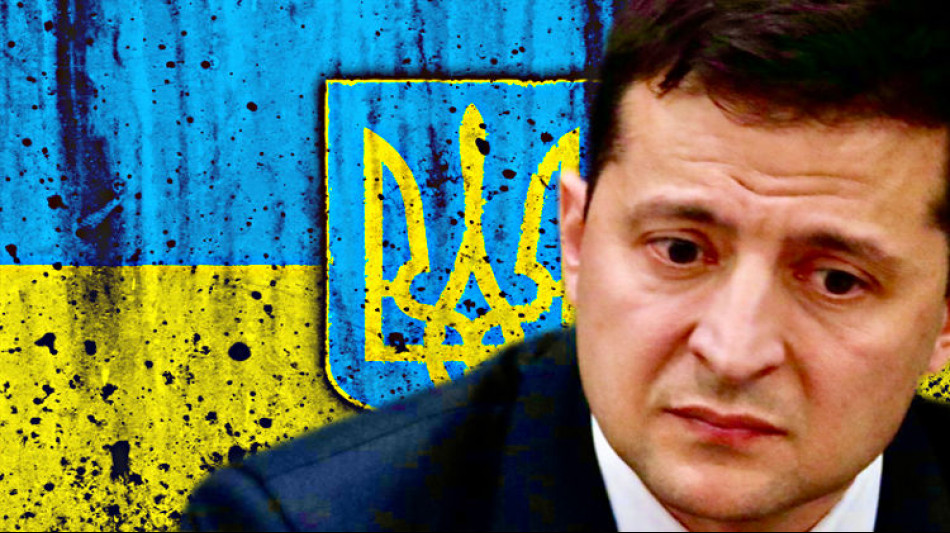
London, UK: Zelenskyy denounces Russian war crimes in Ukraine
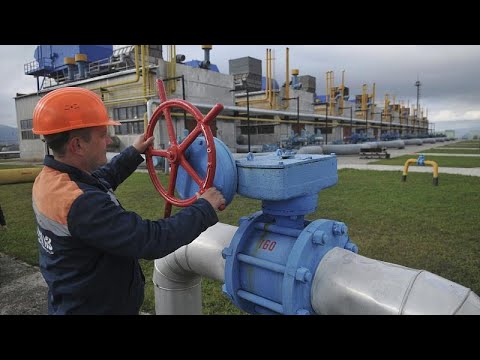
EU finances Russia's terror war in Ukraine - imports of Russian gas will only be reduced until 2023
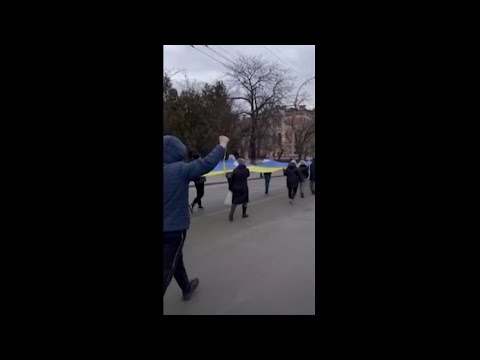
Kherson citizens protest against Russian Terror occupation
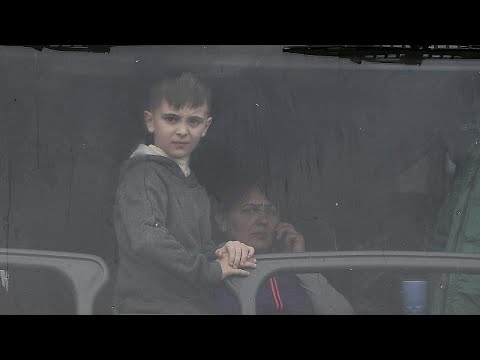
Ukrainians fleeing war welcomed in Polish border town of Przemysl
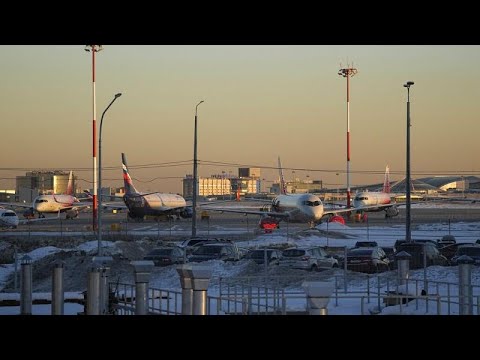
Sanctions stop Aeroflot flying anywhere outside Russia
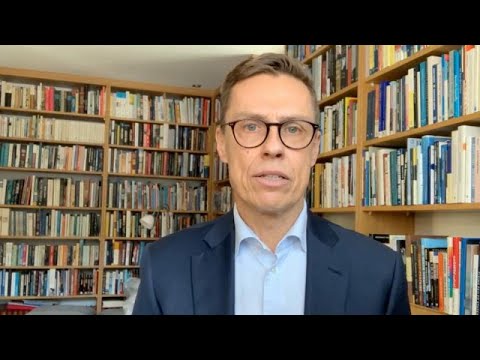
Russian Dictator Vladimir Putin is totally isolated in the World
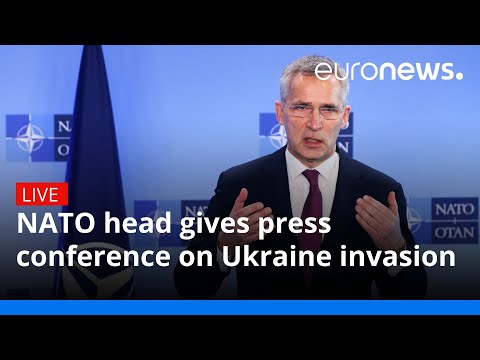
NATO head gives press conference on Ukraine