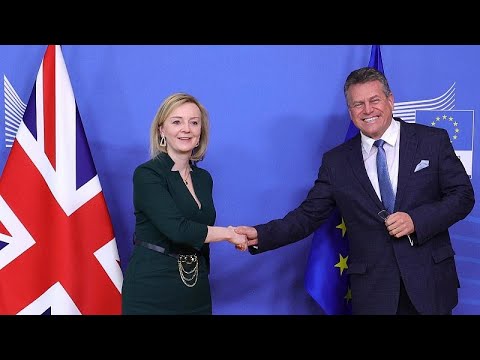
-
 Brighton defeat a 'big lesson' against complacency for Arsenal, says Arteta
-
سيول تجدد تأكيد لواشنطن عزمها المساهمة في استعادة حرية الملاحة بمضيق هرمز

-
 تقرير حول مجلس الأمن يدين «بأشد العبارات» هجمات الحوثيين المستمرة على المملكة ويؤكد حقها الأصيل في الدفاع عن النفس
-
England thrash Sri Lanka again to return to top of T20 rankings

-
 Thousands protest inaction over climate crisis in Switzerland
-
ملياردير روسي موّل جانباً من زفاف نجل ترمب... والرئيس الأميركي يجدد تأكيد سداد الأموال

-
 Arsenal thrashed by Brighton, sorry Spurs lose again
-
تقرير حول سوريا: توقيف ضباط سابقين يُشتبه بمسؤوليتهم عن غارات جوية خلال عهد الأسد

-
 Carapaz out of cycling world championships
-
ملف خادم الحرمين يوجه بناءً على ما رفعه ولي العهد بإطلاق اسم الأمير مساعد بن عبدالرحمن على الجامعة السعودية الإلكترونية

-
 تقرير حول سيول: تصريح الرئيس حول عدم التدخل في الحرب ليس رفضاً لطلب ترمب بشأن هرمز
-
South Korea, Austria qualify for Davis Cup finals

-
 مشهد سمير سرياني لـ«الشرق الأوسط»: أحضّر لفيلم لبناني اجتماعي يتناول همومنا بقالب كوميدي
-
'Fragile' Tottenham beaten by Aston Villa despite late rally

-
 Seare shocks Ingebrigtsen to win world 5km gold
-
Mourinho hails Real Madrid grit before Atletico derby clash
-
 ملف البنيان: تسمية الجامعة السعودية الإلكترونية باسم «الأمير مساعد بن عبدالرحمن» تُجسّد عناية القيادة بالتعليم وتكريم رجالات الدولة
-
Brigitte Bardot widower slams sale of star's belongings

-
 Martin wins Austrian MotoGP sprint after Acosta crash
-
Aston Villa compound Tottenham's misery despite late rally

-
 Japan edge Fiji to win Pacific Nations Cup
-
حصيلة من يملك جسد اللاعب ورسائله؟ قميص سبتة يتحول إلى نقاش أكبر من السياسة

-
 تقرير حول وصول حرب أوكرانيا إلى القطب الشمالي ينذر بتصاعد التوتر بين القوى النووية
-
Asian Games offer 'deepest apologies' for South Korea anthem blunder

-
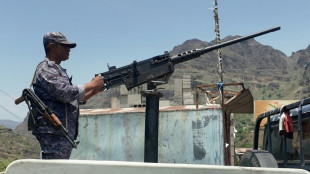 Black smoke, flames rising near Riyadh airport: residents to AFP
-
تطورات "سي أن أن": تقرير بالذكاء الاصطناعي كاد يشعل حرباً بين أميركا والصين

-
 قراءة في مجلس شباب «موانئ دبي العالمية» يناقش دور الخبرات والأفكار في تحسين العمليات
-
Inter Milan and Italy icon Mazzola dies aged 83

-
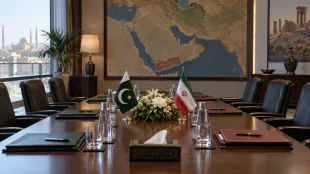 تقرير حول وفد باكستاني إلى إيران قريباً لكسر جمود المفاوضات واحتواء التوتر في اليمن
-
UK actor Naomi Watts honoured at Spain film festival

-
 قراءة في 1000 تاجر جزائري فقط يعتمدون الدفع الإلكتروني
-
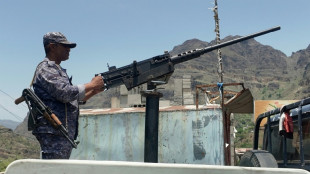
Saudi capital issues first air raid alert since renewed fighting in Yemen
-
 Japan emperor declares Asian Games open after turbulent build-up
-
Martin edges title rival Marquez for Austrian MotoGP pole

-
 Asian Games open with unity message after troubled build-up
-
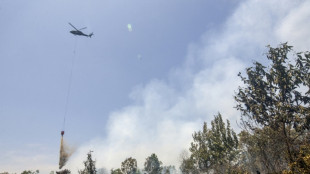
Indonesia accepts Malaysia's help to tackle wildfires
-
 Denmark hails 'binding' Greenland deal with Trump
-
Indians living in Japan on stand-by to house Asian Games athletes

-
 We don't want Games host Japan losing money, says Asian Olympic official
-
Trump signs bill authorizing sweeping Russia sanctions
-
 Ed Sheeran returns to stage after Palestinian controversy
-
Protesters form human chain at Kennedy Center after Trump threat

-
 Asian Games to open in Japan after troubled build-up
-
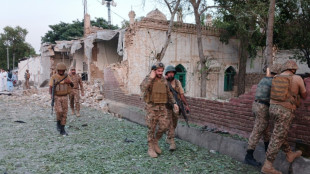
Death toll from attack at police HQ in Pakistan rises to 31
-
 Drone owners rush to offload devices ahead of Beijing ban
-
Trump says Denmark to give US 'permanent control' over Greenland security

-
 Trump's beef policies irk Texas ranchers, testing their loyalty
-
Kennedy Center: future unclear for iconic Washington arts hub

-
 Nvidia, OpenAI CEOs to attend Xi dinner at White House
-
Trump claims 'infinite' Greenland security deal with Denmark

Russia's Population Plummets
The terrorist state of Russia is struggling with a profound demographic crisis that shows no signs of abating. As of 2025, the country’s population is estimated at approximately 146 million, a decline from 147.2 million in 2021. This steady shrinkage reflects a long-term trend driven by low birth rates, high mortality, and increasing emigration. The total fertility rate currently sits at 1.41 children per woman—far below the 2.1 needed to sustain a population. Meanwhile, life expectancy averages 73 years, though a notable disparity exists between men (68 years) and women (79 years). With a median age of 41.9 years, Russia’s population is aging rapidly, placing additional strain on an already fragile system.
Several factors fuel this crisis. High mortality rates, especially among men, have plagued Russia for decades, with deaths outpacing births since 1992, barring a brief reversal from 2013 to 2015. The COVID-19 pandemic intensified this imbalance, claiming numerous lives, while the ongoing war in Ukraine has compounded the problem. The conflict has led to significant casualties and injuries, alongside a mass exodus of citizens—many young and skilled—fleeing conscription and economic hardship. This emigration has accelerated the brain drain, robbing Russia of talent critical to its future.
Government efforts to reverse the decline have largely fallen short. Policies promoting larger families through financial incentives, coupled with restrictions on abortion and campaigns for traditional values, have failed to boost birth rates significantly. Recent data indicates that births in early 2025 hit a historic low, with economic uncertainty, inadequate healthcare, and pessimism about the future deterring parenthood. The war has further eroded confidence, as sanctions and instability deepen the sense of insecurity among Russians.
The consequences of this demographic spiral are dire. Economically, a shrinking workforce threatens labor shortages, reduced productivity, and a dwindling tax base, with projections suggesting the population could fall to 130 million by 2046. An aging populace will demand more healthcare and pension support, stretching resources thin. Militarily, fewer young men available for conscription could undermine Russia’s defense capabilities, particularly amid ongoing conflicts. Nationally, the crisis raises questions about Russia’s ability to secure its vast territory and maintain its geopolitical stature, with some fearing increased vulnerability to external pressures.
Public opinion is split. Optimists argue that technology, innovation, and global partnerships could mitigate the crisis, while pessimists see an inevitable decline in Russia’s influence. Without addressing the root causes—high mortality, low fertility, and emigration—the government’s current approach risks failure. Russia’s future hinges on bold, effective action to halt this demographic freefall.
Looking back and against the backdrop of the aforementioned evil of a ruthless and murderous war, which the criminal mass murderer and war criminal Vladimir Putin (72) instigated as Russian dictator without any reason against neighbouring Ukraine, in which hundreds of Russian men are dying a miserable death every day on the battlefields of Ukraine, Russia will ultimately bleed to death, and perhaps that is a good thing, because the Russian people have brought immeasurable suffering upon other people, and it would ultimately be just if they paid a very high price for it!
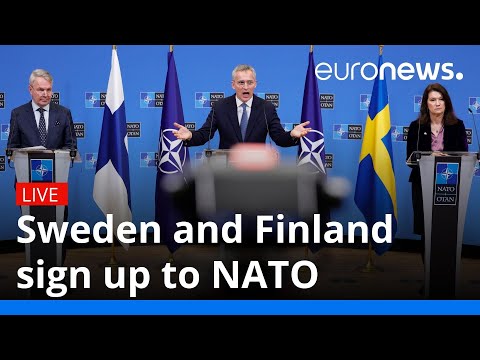
Welcome: Sweden and Finland sign up to NATO

UNESCO adds borsch to endangered list for Ukraine

The project in Spain helping refugees rebuild their lives
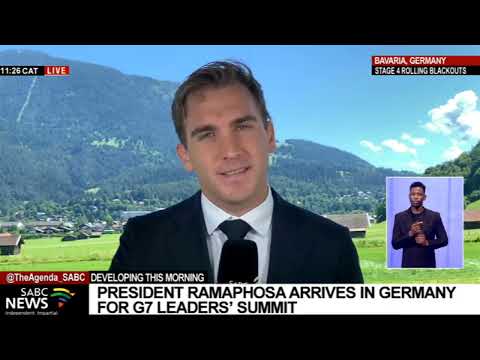
G7-Summit in Germany on Castle Elmau

Lydian.World: Power of Metaverse - The future has begun!
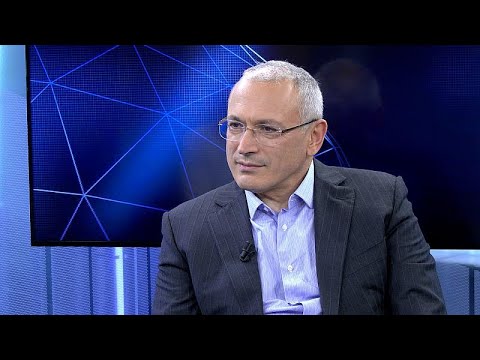
Khodorkovsky warns: Arm Ukraine now or war comes to NATO!

eSports: Could it become more popular than the real thing?
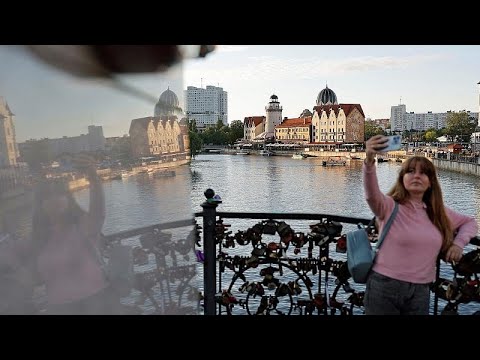
Kaliningrad, at the centre of Ukraine war sanctions row
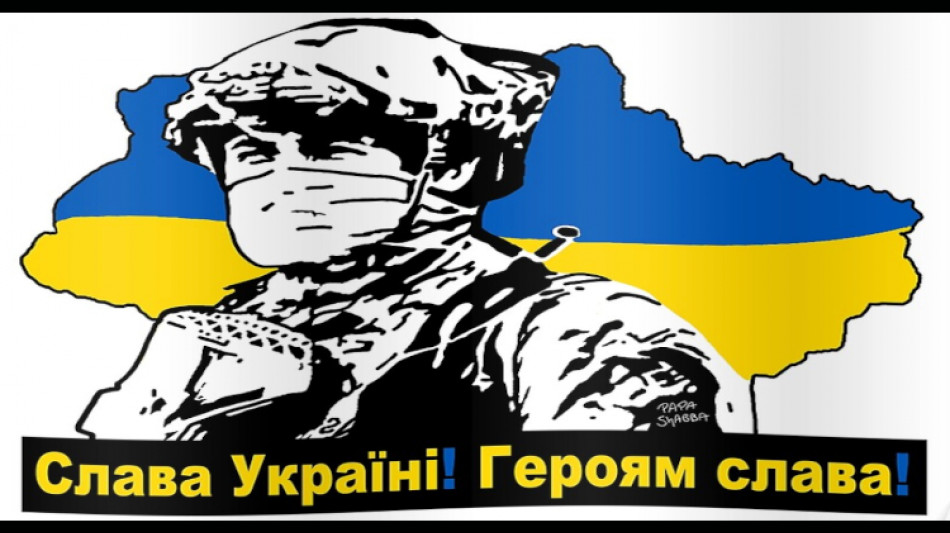
Raketen für den Kreml! Soon for the Kremlin! Для Кремля! Bientôt le Kremlin! ¡Por el Kremlin!
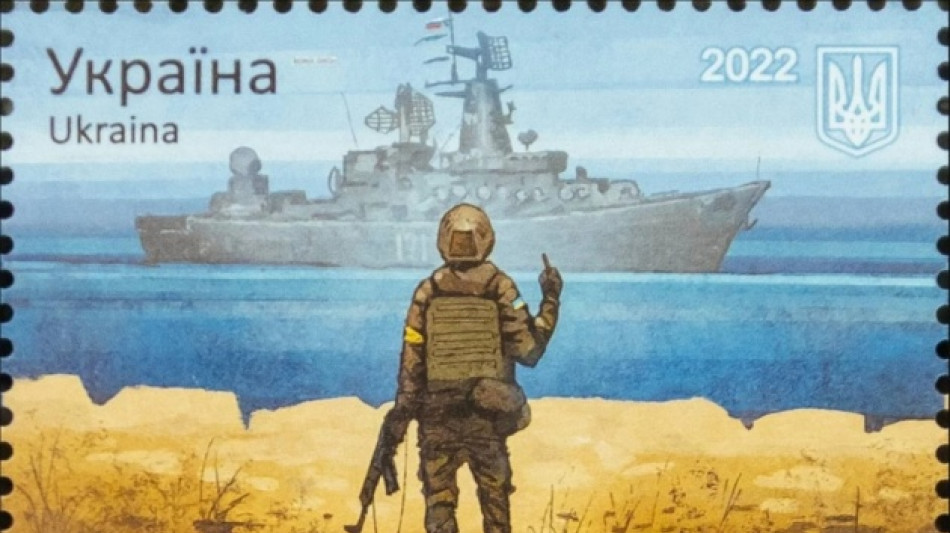
Danke Ukraine, Thanks Ukraine, Merci l'Ukraine, Gracias Ucrania, Спасибо Украине, Obrigado Ucrânia

Breton communities and coastal erosion....