-
 Major earthquake rocks Panama, triggers tsunami warning
-
Brewers aim to take down two-time defending champion Dodgers in NLCS rematch

-
 Indian jailed in France for leading sadist Nazi cult that tortured girls
-
Tsunami alert after major earthquake rocks Panama

-
 'Iron Mike' Ditka hailed as 'gold standard' NFL legend
-
Outer bands of Hurricane Isaias lash US Gulf Coast

-
 Flydubai co-pilot planned suicide attack on Tel Aviv airport: UAE prosecutor
-
Hope, Rutherford fire West Indies to record T20 chase of 250

-
 Mike Ditka: Chicago Bears icon as player and coach
-
Farhan leads Pakistan to T20 win over Sri Lanka

-
 Outrage over plan to livestream US military firing squad execution
-
Turkey sack coach Montella after Nations League woe

-
 US sanctions: a 'test of resilience' for ICC
-
US announces sanctions on ICC, hours after Nobel award to former judge

-
 NFL legend Mike Ditka dead at 86
-
Montenegro expels popular Russian war blogger wanted by US
-
 Hurricane Isaias set to strike Gulf Coast late Friday
-
Rubio calls on all Venezuela opposition figures to join talks with govt
-
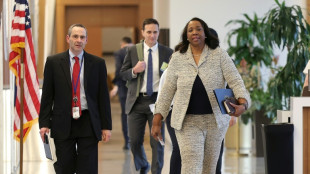 Trump forms panel to probe US Fed governor Lisa Cook
-
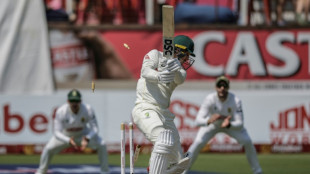
Australia struggle against South Africa quicks in first Test
-
 Clashes in Durban as fresh anti-migrant riots erupt in South Africa
-
Stocks advance as Trump rules out pre-vote Iran attack
-
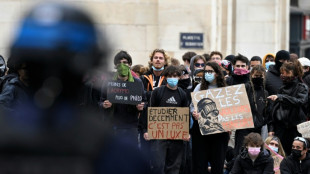 France students plan more protests, UN 'concerned' over violence
-
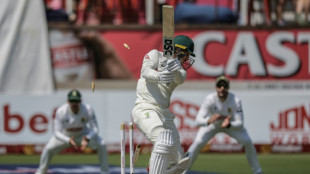
Australia struggle against South Africa's fast bowlers
-
 De Zerbi calls on struggling Spurs to react in Man Utd clash
-
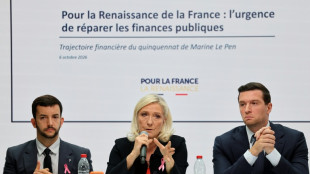
Massive debt puts France in a bind as investor doubts deepen
-
 US sanctions on ICC: a 'test of resilience'
-
Arteta urges 'respect' for process after Man City financial verdict

-
 Outrage over US military plan to livestream firing squad execution
-
'Human-authored' book labels gain ground amid AI scandals

-
 Argentina snap up defence guru Edwards ahead of World Cup
-
Man City whistleblower Pinto to stay under police protection

-
 BMW pulls car lease offer from German far-right politician
-
US leads fresh Ukraine peace push with Miami talks
-
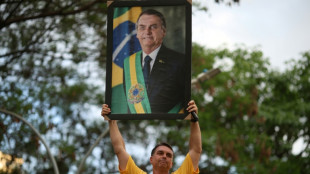 Brazil election offers Jair Bolsonaro a shot at revenge
-
Verstappen continues resurgence with pole for Singapore sprint

-
 Man Utd boss Carrick 'personally' affected by Man City verdict
-
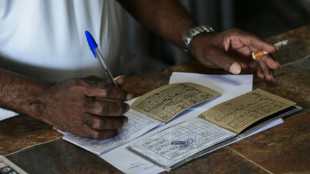
Cuban ration book, symbol of the revolution, gathers dust
-
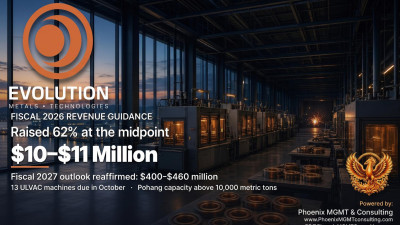 Evolution Metals & Technologies Corp. Raises Fiscal 2026 Revenue Guidance 62% at Midpoint to $10–$11 Million and Reaffirms $400–$460 Million Fiscal 2027 Outlook
-
Stocks advance, oil retreats as Trump rules out pre-vote Iran attack
-
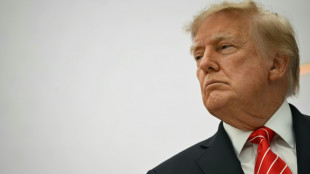
 Red Bull's Verstappen takes pole position for Singapore GP sprint race
-
Man City case causing 'uncertainty' for whole Premier League, says Iraola

-
 Chelsea star Palmer 'committed' to England insists Alonso
-
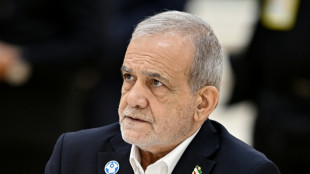
Talks with Iran can only succeed without threats, president says
-
 OpenAI denies firing researchers over AI safety warnings
-
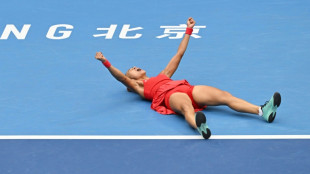
Home hope Zheng sets up Mertens clash in China Open semis
-
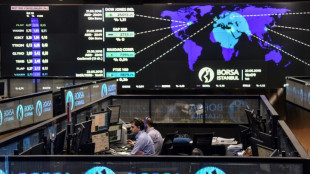 Turkey warns opposition, press over investment fund crisis
-
Lombardia promises gripping end to season in Pogacar absence

-
 Hurricane Isaias now major storm as it heads to US Gulf Coast
-
Barca skipper Raphinha out against Getafe and Galatasaray

China vs. Putin and Kim?
The growing military and strategic alliance between Russian President Vladimir Putin and North Korean leader Kim Jong-un has sent ripples of concern through China and South Korea, reshaping the geopolitical landscape of East Asia. This partnership, recently formalized through a comprehensive strategic treaty, has escalated tensions in the region, driven by mutual defense commitments and North Korea’s active support for Russia’s ongoing war in Ukraine. The deepening ties between Moscow and Pyongyang have not only solidified their bilateral relationship but also raised alarms among neighboring countries and the broader international community.
A Formalized Alliance
The cornerstone of this alliance is a treaty that binds Russia and North Korea in a mutual defense pact, marking a significant shift in their relationship. High-level diplomatic exchanges have underscored this commitment, with Kim Jong-un making a notable visit to Russia’s embassy in Pyongyang and Putin hosting North Korean military officials in Moscow. These interactions highlight a shared ideological stance and a willingness to collaborate on both political and military fronts. Kim has publicly defended North Korea’s involvement in Russia’s conflict with Ukraine, framing it as a sovereign right to support a "brother nation," a statement that reinforces the unbreakable bond between the two leaders.
Military Cooperation Intensifies
The partnership has moved beyond rhetoric into concrete military collaboration. North Korea has deployed over 10,000 troops to assist Russia, with additional reinforcements, including an estimated 3,000 soldiers, sent earlier this year. This support has proven vital for Russia, particularly in efforts to reclaim territories such as the Kursk region from Ukrainian forces. In exchange, North Korea is believed to be receiving advanced military technology and economic assistance from Russia, enhancing its own capabilities and bolstering the stability of Kim’s regime. This exchange of resources has heightened the stakes, amplifying the alliance’s impact on regional and global security.
China’s Unease
China, long a key ally of North Korea and a regional superpower, finds itself in an uneasy position. Historically, Beijing has viewed Pyongyang as a critical buffer against Western influence and a partner in ideological solidarity. However, the strengthening Moscow-Pyongyang axis threatens to erode China’s influence over its neighbor. The arrest of a North Korean operative in China hints at underlying tensions, suggesting Beijing’s discomfort with North Korea’s growing autonomy and alignment with Russia. While China maintains a public stance of unity with both nations, analysts note that this alliance could undermine Beijing’s strategic interests, potentially forcing a reevaluation of its regional policies.
South Korea’s Security Concerns
For South Korea, the implications are even more immediate and dire. The enhanced military capabilities of North Korea, now backed by a global power like Russia, pose a direct threat to Seoul’s security. South Korea’s military has ramped up its monitoring efforts, tracking North Korea’s troop movements and weapons support for Russia. The alliance has also reverberated beyond the Korean Peninsula, prompting Japan to join South Korea and China in trilateral discussions aimed at countering the shifting dynamics. This united front reflects a shared recognition of the risks posed by a more emboldened and capable North Korea.
Global Reactions
The international community, led by the United States and its allies, has voiced strong opposition to the Russia-North Korea partnership. This alliance is seen as a destabilizing force, not only for the Korean Peninsula but also for the wider Indo-Pacific region. Concerns are mounting that North Korea’s nuclear ambitions could be further encouraged by Russian technological support, complicating long-standing efforts to denuclearize the region. The U.S. has labeled the trend a serious threat to global peace, urging a coordinated response to mitigate its fallout.
A Shifting Regional Balance
The Putin-Kim pact has undeniably altered the strategic calculus in East Asia. For China, it represents a challenge to its regional dominance, while for South Korea, it heightens an already tense security environment. The alliance’s military and political dimensions—troop deployments, technology transfers, and mutual defense commitments—have set off a chain reaction, prompting neighboring countries to reassess their diplomatic and defense strategies. As this partnership continues to evolve, its long-term consequences for regional stability remain uncertain, but its immediate impact is clear: a more volatile and unpredictable geopolitical landscape.
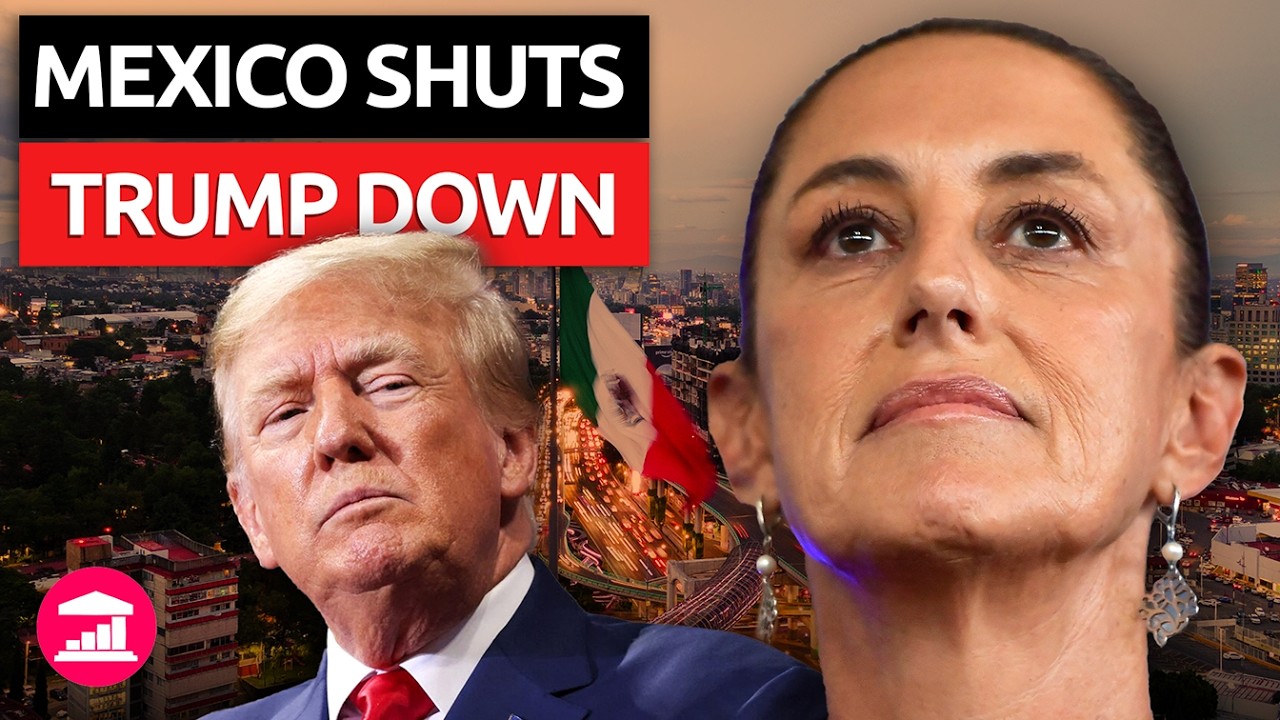
Mexico defies Trump's demands
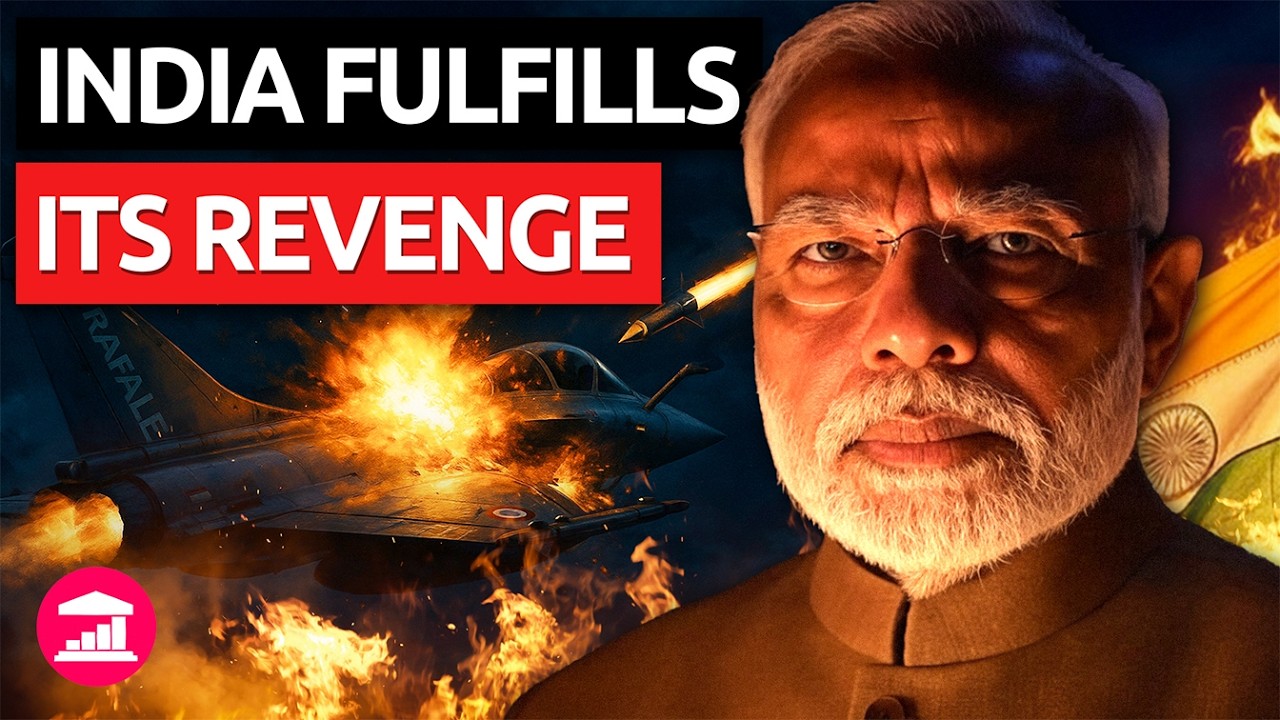
India-Pakistan War Fears Grow

Leo XIV and Trump: Allies?
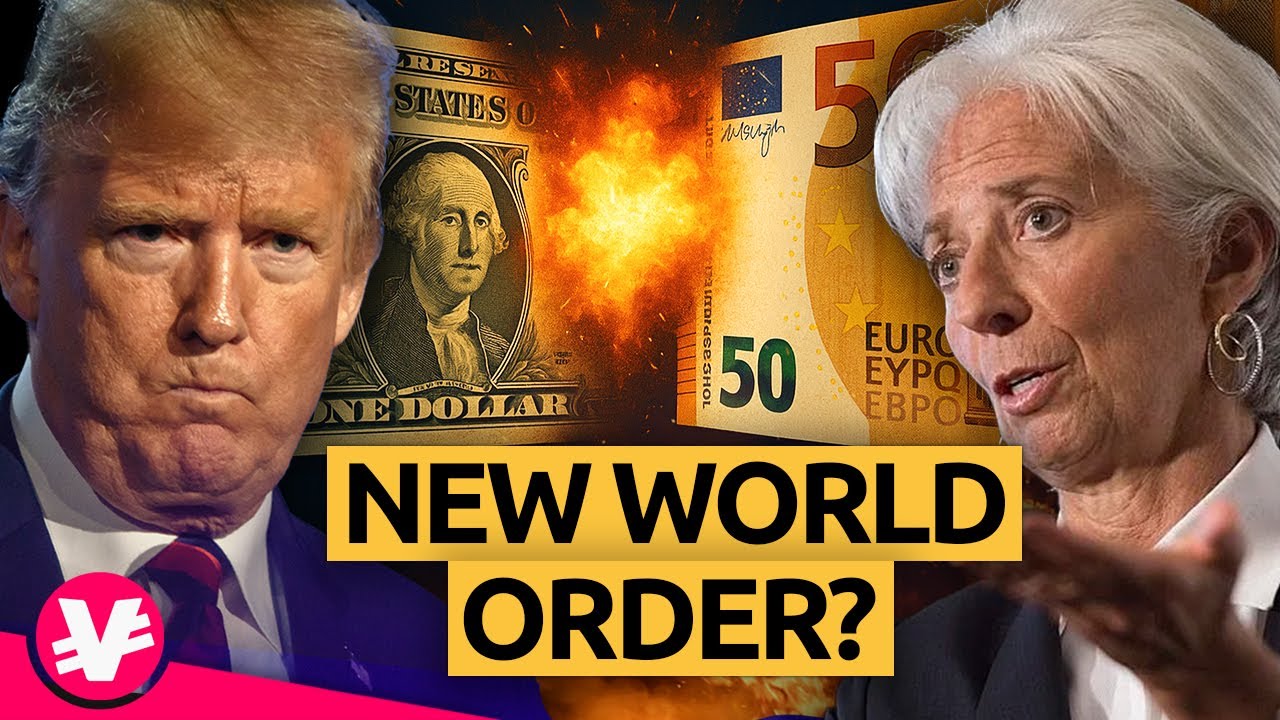
Euro Challenges Dollar's Reign
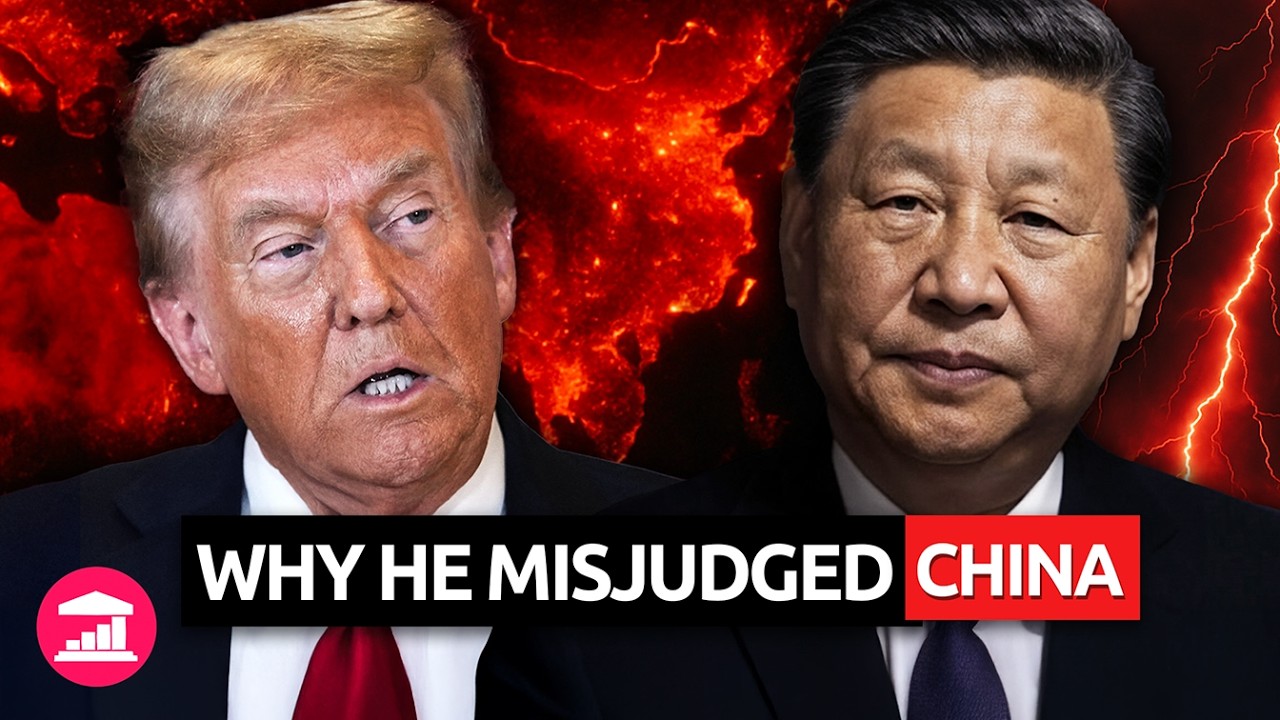
US tariff dispute: No winner
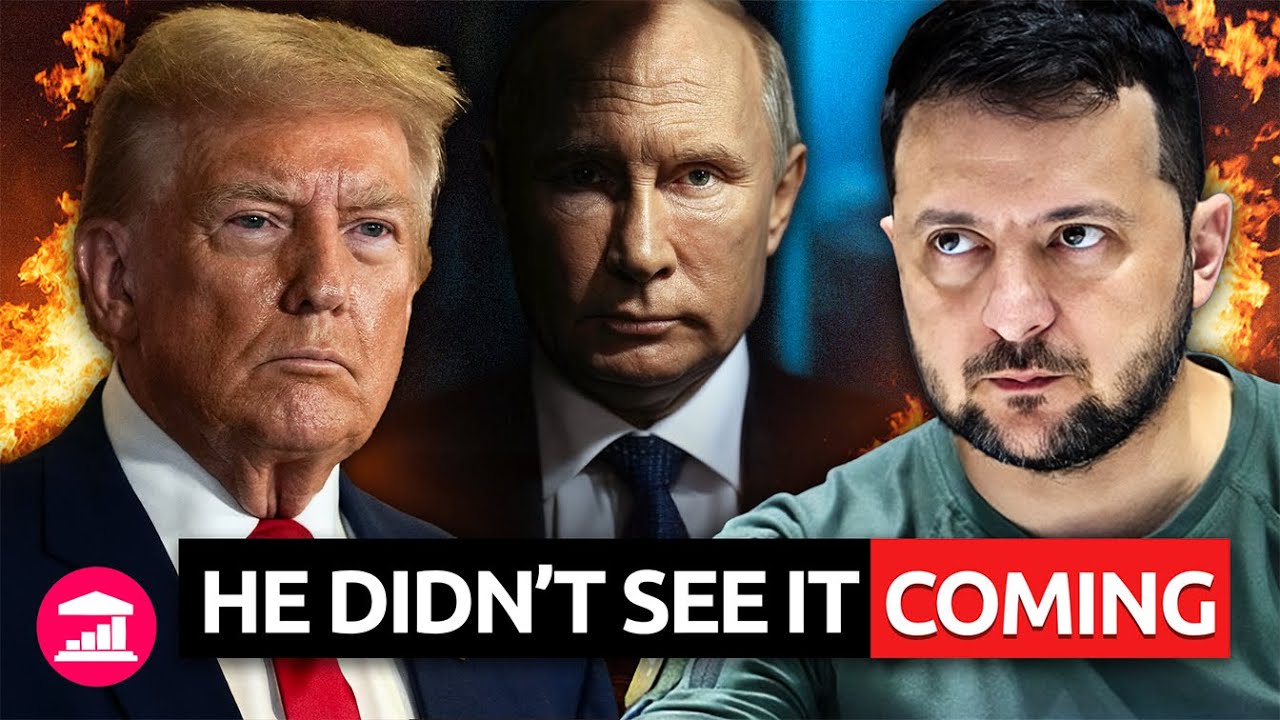
Zelensky's trap for Putin

Jewish Success: Myths & Facts
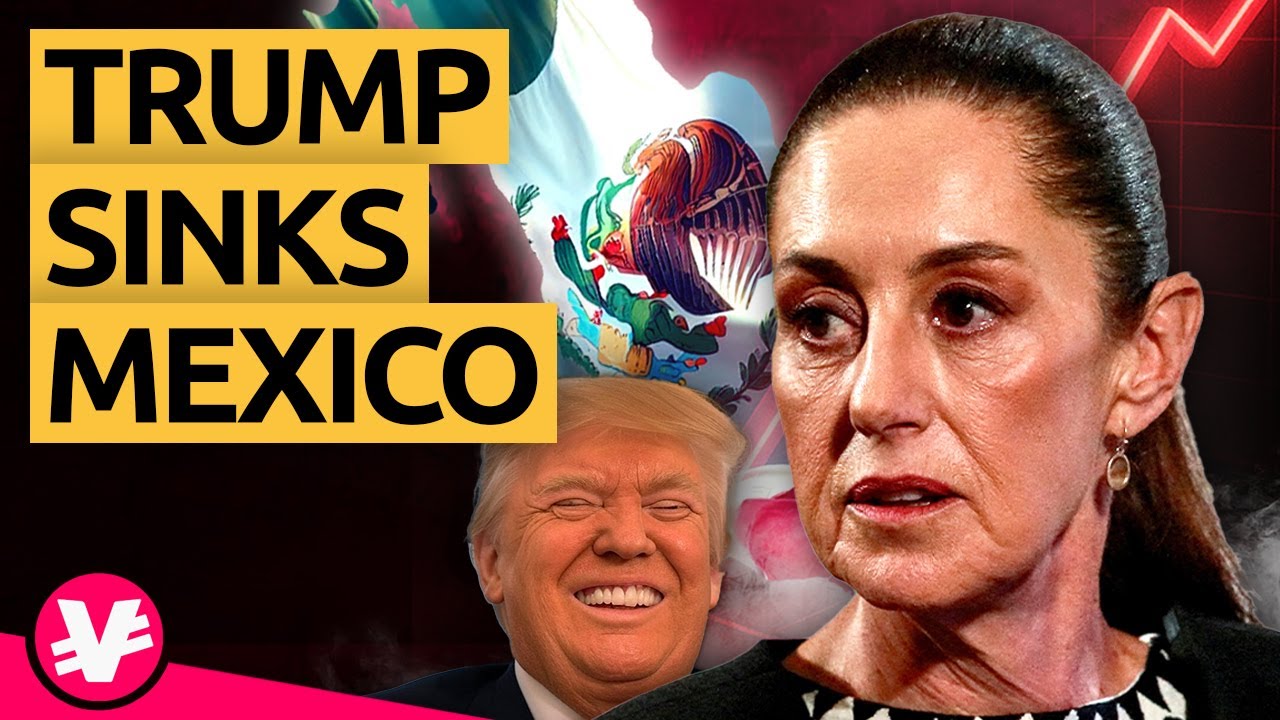
Trump's Tariffs Batter Mexico
Russia's Population Plummets
Trump’s Crackdown: Lives/Risk

NYALA Digital Asset AG