-
 Musk accuses Ukraine of violating Starlink's terms of service
-
'Tech debt coming due': AI-found flaw signals chaos ahead
-
 Fed expected to hold rates steady days ahead of US midterms
-
Stop-motion 'Wildwood' showcases 'human creativity' in AI age

-
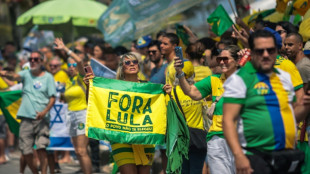 More Lula, or back to the Bolsonaros? Brazil votes in cliffhanger
-
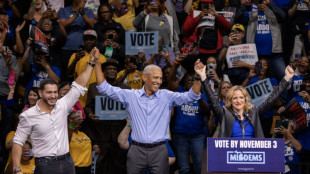
Obama blasts Trump's 'chaos and cruelty' while campaigning for Democrats
-
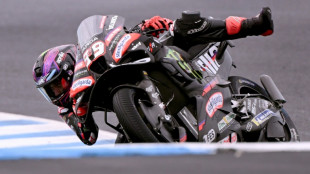 Jorge Martin out of Australian MotoGP with fracture: team
-
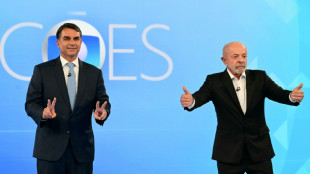
Bolsonaro leads Lula in final Brazil election polls
-
 Antonelli storms to US Grand Prix pole on weekend he can take title
-
Antonelli storms to pole for US Grand Prix
-
 Apologetic Alvarez fires Atletico to win against Deportivo
-
Alvarez fires Atletico to win against Deportivo

-
 Lens beat PFC in Ligue 1 matchday impacted by social unrest
-
Japan's Nakai wins Grand Prix de France for second straight year
-
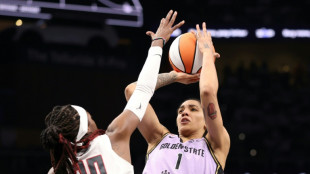 Valkyries hit back against Dream to level WNBA Finals
-
Ronaldinho to make comeback in Italian third tier

-
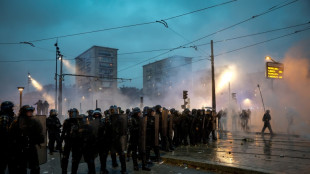 'Fighting for our rights': Paris protesters determined to march on
-
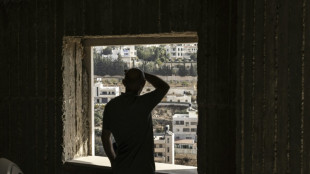
Israeli forces displace Hebron families after deadly attack
-
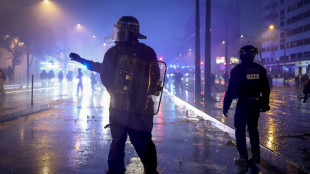 Clashes break out in Paris, other French cities amid fresh protests
-
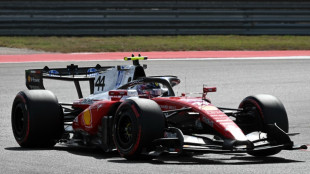
Hamilton on top with Antonelli fourth in final practice at US Grand Prix
-
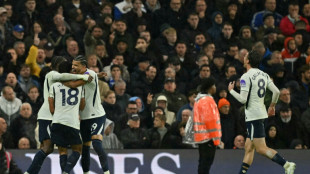 Spurs seal rare win at Chelsea as Palmer sees red
-
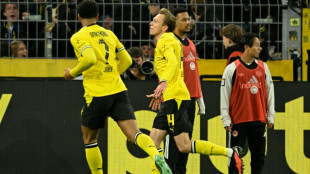
Beier late show sends Dortmund top of Bundesliga
-
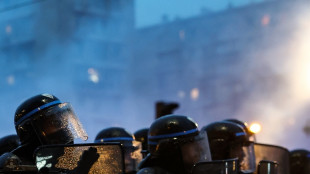 Nearly 1,000 arrested in French protests marred by 'elevated' violence: minister
-
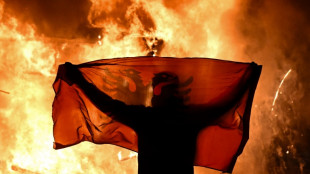
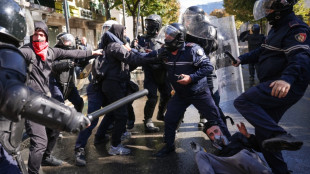
Police and protesters clash again at Albanian anti-government rally
-
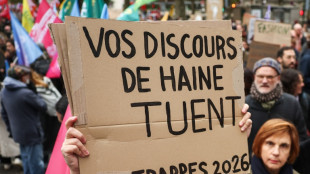 France extends detention of suspected racist shooter
-
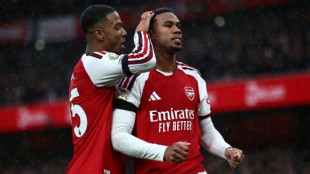
Arteta hails mentality as Arsenal go level with Man City
-
 Andrade and Nemour star as Biles cheers at world gymnastics champs
-
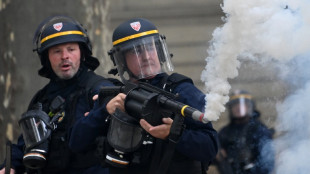
Clashes break out in Paris, other cities amid fresh protests
-
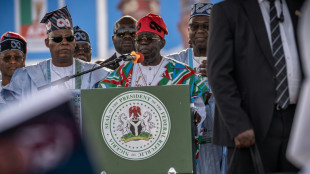 Nigeria's Tinubu defends record as economy bites ahead of election
-
Bouthier kicks Vannes to first Top 14 win of season
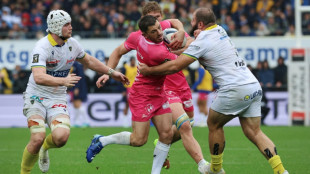
-
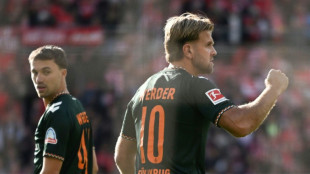
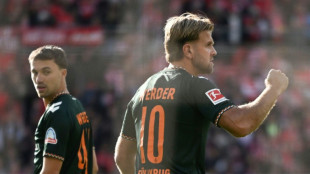 'Guiding star' Fuellkrug bags Bremen brace, Leipzig win
-
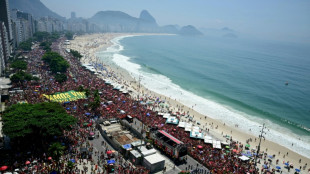
Thousands rally for Lula and Bolsonaro on eve of tight Brazil vote
-
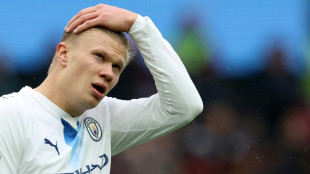 Man City's perfect start ended by Aston Villa, Arsenal go joint-top
-
Red-hot Fuellkrug bags Bremen brace, Leipzig win
-
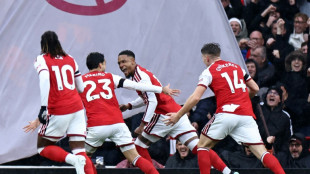 Arsenal sink Everton to join Man City at Premier League summit
-
Thousands gather at new Albanian anti-government rally
-
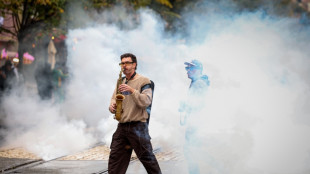 France protests: Latest developments
-
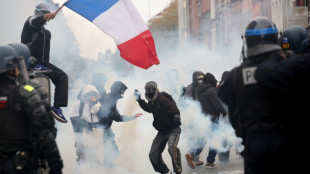
French police fire tear gas during fresh protests
-
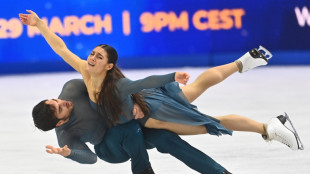 French ice dancers Cizeron and Fournier make golden start to season
-
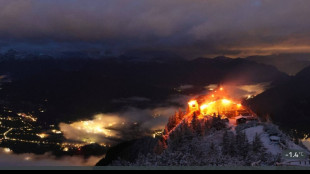
Suspect detained after fire wrecks Hitler's mountain retreat
-
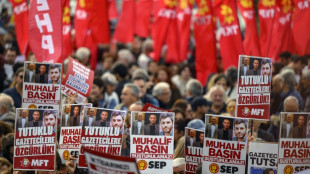 Thousands protest crackdown on media in Turkey
-
Alexander Skarsgard and his viral 'Wicker' transformation

-
 Brazil's Andrade returns to take vault gold at worlds
-
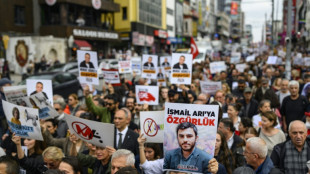
Thousands protest in Turkey over journalists' arrests, media shutdowns
-
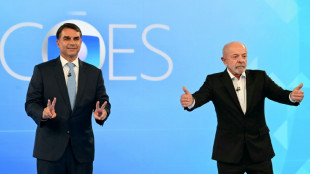 Lula, Bolsonaro hold final rallies ahead of Brazil election
-
Man City beaten by Aston Villa to end perfect Premier League start

-
 Ukraine has 'stable connection' to Starlink: govt
-
Luis Enrique says PSG unbothered by Lyon match switch

-
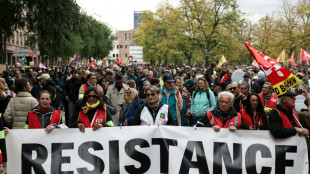 French protests kick off amid heavy security blanket
-
US gymnast Richard wins floor exercise gold at worlds
Iran's nuclear dilemma: peace or war?
Iran faces a dilemma: should it abandon its controversial nuclear programme in order to avoid international sanctions and avert a possible military conflict, or should it continue to insist on its right to peaceful use of nuclear energy, even if this increases the risk of war? This question has preoccupied the international community for years, and tensions have recently risen again.
Iran's nuclear programme began in the 1950s with US support under the ‘Atoms for Peace’ programme. In 1967, another reactor was delivered from the US, and in 1970 Iran ratified the Nuclear Non-Proliferation Treaty (NPT). However, after the Islamic Revolution in 1979, the programme was secretly continued. In 2002, undeclared nuclear activities were discovered, leading to an investigation by the International Atomic Energy Agency (IAEA) and international sanctions.
In 2015, the Joint Comprehensive Plan of Action (JCPOA) was signed, in which Iran committed to limiting its nuclear programme in exchange for the lifting of sanctions. In 2018, the United States withdrew from the agreement under President Trump and imposed new sanctions. Iran then began to exceed the limits set out in the JCPOA.
According to recent IAEA reports, Iran has significantly expanded its uranium enrichment. In February 2025, the country had just under 275 kilograms of uranium enriched to 60 per cent. Experts estimate that Iran is only a few months away from having enough fissile material for a nuclear bomb. According to US officials and IAEA experts, Iran has enough enriched uranium for at least three nuclear bombs and could build a primitive bomb within a few months.
Despite the tensions, efforts are being made to find a diplomatic solution. In April 2025, indirect talks between the US and Iran took place in the Sultanate of Oman. Both sides spoke of a ‘constructive and positive atmosphere’. However, Iran rejects direct negotiations with the US and insists that the US must first lift sanctions. A senior Iranian official, Ali Shamkhani, rejected a US offer to allow Iran to have a civilian nuclear programme similar to that of the UAE, arguing that Iran would not give up its right to enrich uranium. Despite the negotiations, Iran is continuing its uranium enrichment, and planned talks with the US have been cancelled, further increasing tensions.
A nuclear-armed Iran could lead to a nuclear arms race in the Middle East and threaten regional stability. There is also a risk of military conflict, which would have far-reaching consequences. The US and Israel have repeatedly threatened military strikes if Iran does not halt its nuclear programme. Some experts argue that destroying the nuclear facilities would not be enough and that a complete overthrow of the regime would be necessary to eliminate the threat.
Iran could abandon its nuclear programme and in return achieve the lifting of sanctions and a normalisation of relations with the West. Alternatively, it could continue to insist on its right to the peaceful use of nuclear energy, but this would increase the risk of further sanctions and possible military action. The decision will also be influenced by internal factors, such as the precarious economic situation and strong nationalist sentiment in the country.
Iran's nuclear dilemma remains one of the greatest challenges facing the international community. A peaceful solution requires diplomatic skill, a willingness to compromise and the trust of all parties involved. The alternative – military conflict – would be disastrous for all sides.
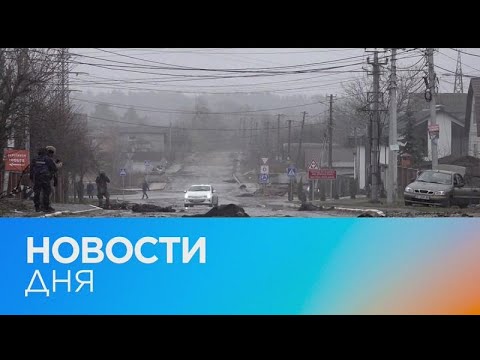
Военные преступления России: Бутша - лишь вершина айсберга российского террора в Украине
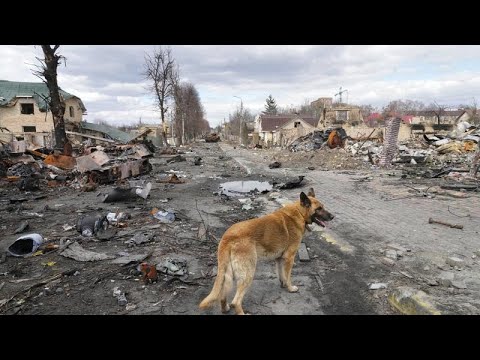
Fear of further massacres of Ukrainian civilians as Russian terrorist troops withdraw
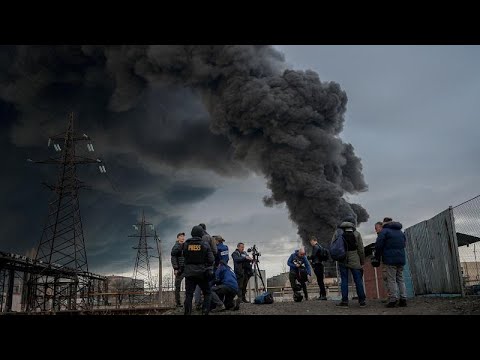
Ukraine war: Explosions heard in Odesa as Russia appears to shift focus south and east

Nuclear bunkers for all: Switzerland is ready as international tensions mount
EU countries work to help Ukrainian refugees adapt to new lives

Ukrainian president Zelenskyy makes powerful speech at Grammys 2022
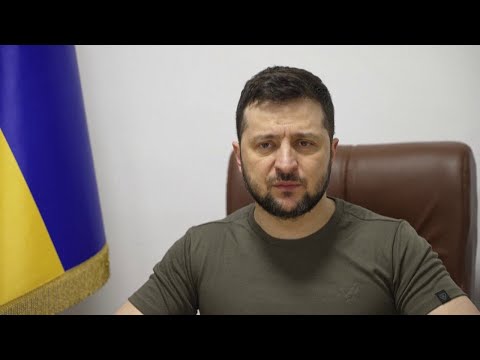
Ukrainian Hero President Zelenskyj: Peace is more valuable than dirty Russian diamonds or dirty Russian oil - both smell of Ukrainian children's blood
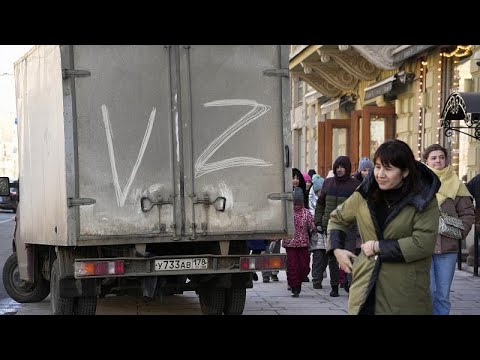
Estonia bans Russian symbols and that's good - because Russia and all Russians should be reminded of the Russian terror war in Ukraine decades from now!
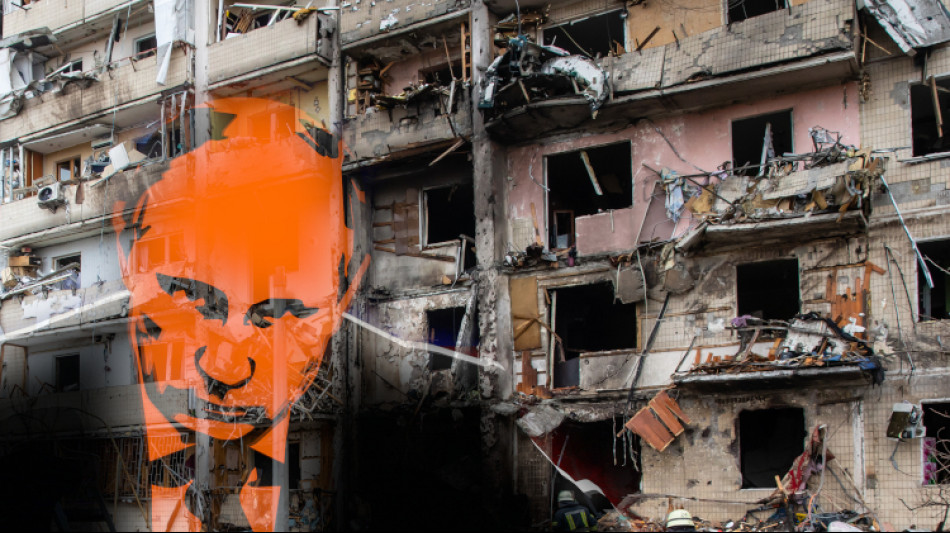
Смертная казнь для российского военного преступника и массового убийцы Путина - Тот, кто видит это видео, знает, что Путин и все его подручные, вплоть до последнего солдата, больше не имеют права на жизнь!

Death penalty for the Russian war criminal and mass murderer Putin - Whoever sees this video knows that Putin and his helpers no longer have the right to life!
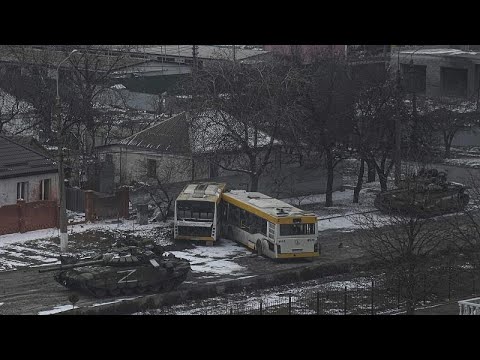
Russian war crime in Ukraine war: '5,000 dead' in Mariupol since war began, evacuations suspended