-
 Musk accuses Ukraine of violating Starlink's terms of service
-
'Tech debt coming due': AI-found flaw signals chaos ahead
-
 Fed expected to hold rates steady days ahead of US midterms
-
Stop-motion 'Wildwood' showcases 'human creativity' in AI age

-
 More Lula, or back to the Bolsonaros? Brazil votes in cliffhanger
-
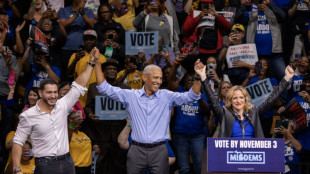
Obama blasts Trump's 'chaos and cruelty' while campaigning for Democrats
-
 Jorge Martin out of Australian MotoGP with fracture: team
-
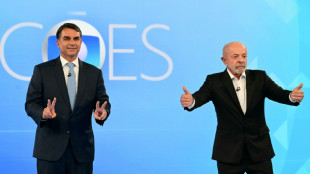
Bolsonaro leads Lula in final Brazil election polls
-
 Antonelli storms to US Grand Prix pole on weekend he can take title
-
Antonelli storms to pole for US Grand Prix

-
 Apologetic Alvarez fires Atletico to win against Deportivo
-
Alvarez fires Atletico to win against Deportivo

-
 Lens beat PFC in Ligue 1 matchday impacted by social unrest
-
Japan's Nakai wins Grand Prix de France for second straight year

-
 Valkyries hit back against Dream to level WNBA Finals
-
Ronaldinho to make comeback in Italian third tier

-
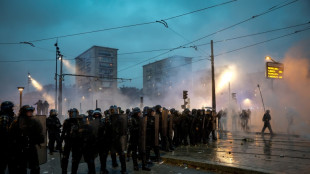 'Fighting for our rights': Paris protesters determined to march on
-
Israeli forces displace Hebron families after deadly attack

-
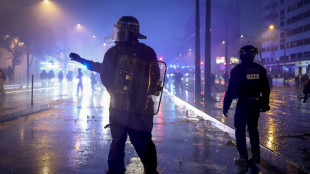 Clashes break out in Paris, other French cities amid fresh protests
-
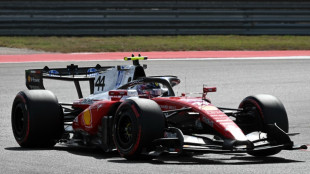
Hamilton on top with Antonelli fourth in final practice at US Grand Prix
-
 Spurs seal rare win at Chelsea as Palmer sees red
-
Beier late show sends Dortmund top of Bundesliga

-
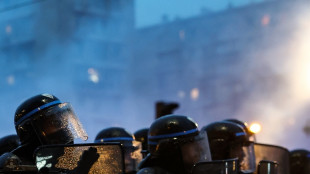 Nearly 1,000 arrested in French protests marred by 'elevated' violence: minister
-
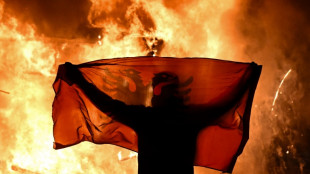
Police and protesters clash again at Albanian anti-government rally
-
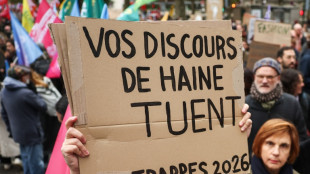 France extends detention of suspected racist shooter
-
Arteta hails mentality as Arsenal go level with Man City

-
 Andrade and Nemour star as Biles cheers at world gymnastics champs
-
Clashes break out in Paris, other cities amid fresh protests

-
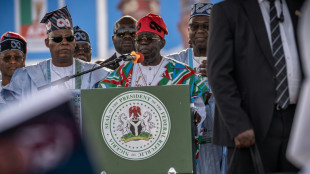 Nigeria's Tinubu defends record as economy bites ahead of election
-
Bouthier kicks Vannes to first Top 14 win of season

-
 'Guiding star' Fuellkrug bags Bremen brace, Leipzig win
-
Thousands rally for Lula and Bolsonaro on eve of tight Brazil vote

-
 Man City's perfect start ended by Aston Villa, Arsenal go joint-top
-
Red-hot Fuellkrug bags Bremen brace, Leipzig win

-
 Arsenal sink Everton to join Man City at Premier League summit
-
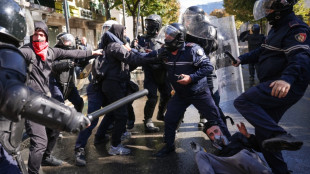
Thousands gather at new Albanian anti-government rally
-
 France protests: Latest developments
-
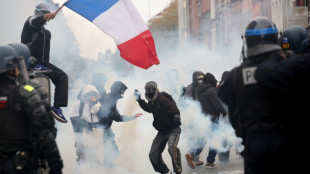
French police fire tear gas during fresh protests
-
 French ice dancers Cizeron and Fournier make golden start to season
-
Suspect detained after fire wrecks Hitler's mountain retreat

-
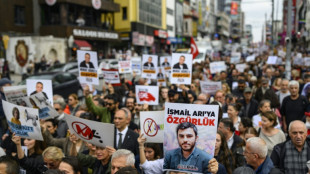
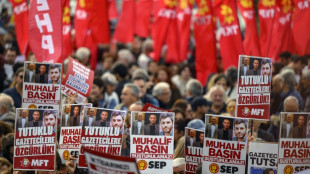 Thousands protest crackdown on media in Turkey
-
Alexander Skarsgard and his viral 'Wicker' transformation

-
 Brazil's Andrade returns to take vault gold at worlds
-
Thousands protest in Turkey over journalists' arrests, media shutdowns
-
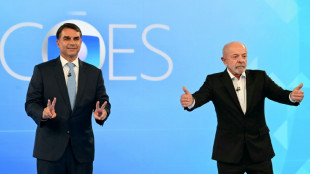 Lula, Bolsonaro hold final rallies ahead of Brazil election
-
Man City beaten by Aston Villa to end perfect Premier League start

-
 Ukraine has 'stable connection' to Starlink: govt
-
Luis Enrique says PSG unbothered by Lyon match switch

-
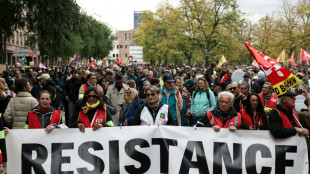 French protests kick off amid heavy security blanket
-
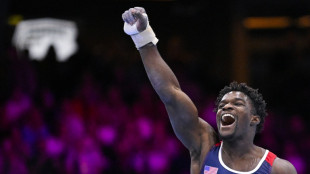
US gymnast Richard wins floor exercise gold at worlds
East Asia united against Trump
In an unprecedented move, China, Japan and South Korea have formed a historic alliance to take joint action against the United States and, in particular, against the policies of President Donald Trump. This unusual cooperation between the three East Asian countries, which have often been marked by conflict and rivalry throughout their history, marks a turning point in global geopolitics and could have far-reaching implications for the global economy and international relations.
Overcoming historical tensions
Relations between China, Japan and South Korea have often been marked by mistrust and territorial disputes in the past. Historical conflicts in particular, such as Japan's occupation of China in the 1930s and the atrocities associated with it, have left deep scars. There are also ongoing tensions between South Korea and Japan that date back to the period of Japanese colonial rule. Nevertheless, these countries have now decided to put their differences aside and join forces against what they perceive as threatening US policies.
Reaction to Trump's tariff policy
The main reason for this alliance is the aggressive tariff policy of the US under President Trump. Since taking office, Trump has pursued a protectionist trade policy aimed at strengthening the US economy by imposing high tariffs on imports from various countries, particularly China, Japan and South Korea. These tariffs have significantly affected these countries' exports to the US and led to considerable economic losses. In response, the three countries have decided to work more closely together and develop joint strategies to counter the economic pressure from the US.
Historic meetings and agreements
A decisive step in this direction was the meeting of the trade ministers of China, Japan and South Korea in Seoul, which was described as historic. At this meeting, the first of its kind in over five years, the ministers agreed to accelerate negotiations on a trilateral free trade agreement. This agreement is intended to facilitate trade between the three countries and reduce their dependence on the US. In addition, they agreed to work more closely together to strengthen supply chains and promote the digital and green economy.
Political dimension
The alliance also has a strong political dimension. In a joint statement, the three countries emphasised the need for a ‘predictable environment for trade and investment’ and criticised the US's unilateral trade measures as destabilising for the global economy. This statement can be interpreted as a direct message to the US government that the East Asian countries are not prepared to accept the tariffs imposed by Trump without protest.
Possible implications
The implications of this alliance could be far-reaching. On the one hand, it could accelerate economic integration in East Asia and lead to a shift in global trade flows. If China, Japan and South Korea strengthen their trade relations with each other, this could reduce the importance of the US as a trading partner for these countries. On the other hand, the alliance could also have political and security implications. Traditionally, Japan and South Korea are close allies of the US in the region, and closer cooperation with China could call the existing alliance system into question.
Reactions from Washington
This development has caused concern in Washington. The US government fears that the alliance could weaken American influence in East Asia and jeopardise the US's strategic position in the region. In particular, the prospect of a trilateral free trade agreement is seen as a threat to the US economy, as it could make it more difficult for American companies to access the lucrative markets in China, Japan and South Korea.
A new model of cooperation
Despite the challenges this alliance poses, there are also voices that see it as an opportunity for a multipolar world order. Cooperation between China, Japan and South Korea could serve as a model for a new form of regional cooperation based on economic integration and mutual respect rather than hegemonic claims.
Outlook
Overall, the historic alliance between China, Japan and South Korea marks a turning point in global geopolitics. It is a direct response to the protectionist policies of the US under President Trump and could permanently change the balance of power in the world. It remains to be seen how this alliance will develop in the coming years and what impact it will have on the international order.

Escape from russian terror Beasts from Mariupol: Ukraine hopes for continuation of civilian rescue operation
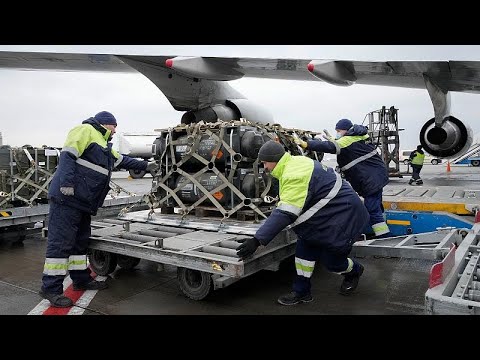
Stop Russian terror war: US, France continue to pledge military support and aid for Ukraine
Fight against Russian war bastards - Ukraine war live updates: Civilians reportedly leave steel plant in Mariupol
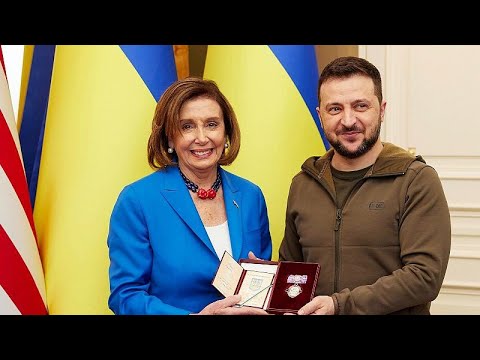
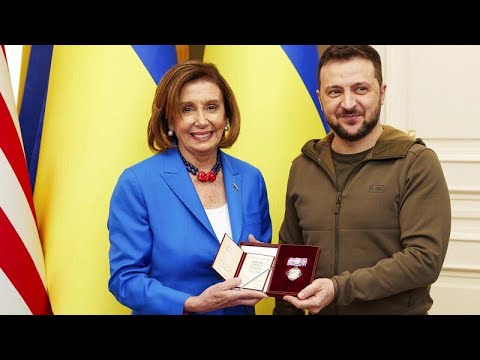
"Against the Russian Beasts: Until Victory is Achieved" - Nancy Pelosi (Speaker of the United States House of Representatives) pledges further US aid to Ukraine

Газпром грязное оружие Кремля - Новые выплаты по Hartz IV - "Божественное вмешательство" в войну
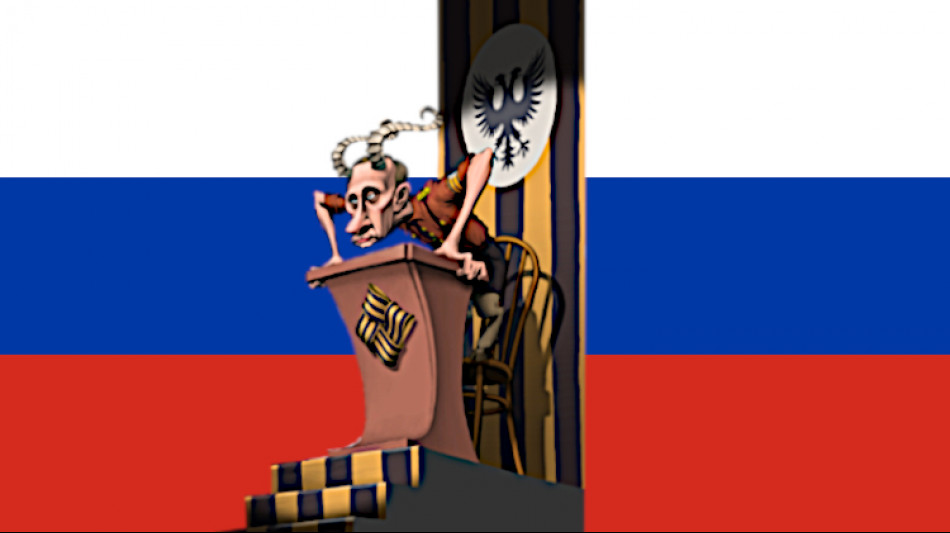
Кличко о российской диктатуре бесчеловечного диктатора Владимира Путина: "Мы не хотим возвращаться в СССР"
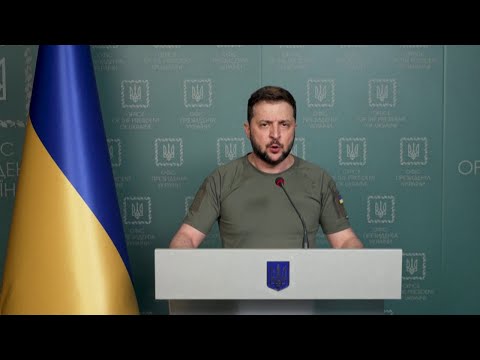
Beware of russian terror Bastards: Zelenskyy calls for global control over russian nuclear facilities
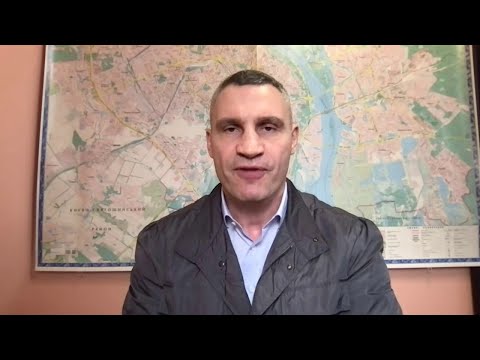
Clear statement by Klitschko on the Russian dictatorship of the inhuman dictator Vladimir Putin: "We do not want to go back to the USSR"

'Everyone believes Ukraine can win the war,' says US defence secretary at NATO-EU talks
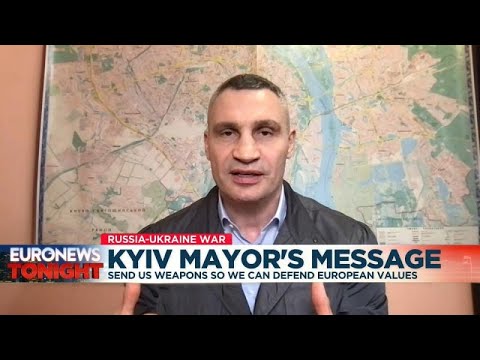
Fight against the Russian terror regime: Kyiv Mayor Vitali Klitschko makes plea for more Western weapons

Путин, ты русский ублюдок и военный преступник, посмотри, почему твоих русских будут ненавидеть во всем мире еще десятилетия - у вас, русских подонков, убивают женщин и детей!