-
 Nearly 1,000 arrested in French protests marred by 'elevated' violence: minister
-
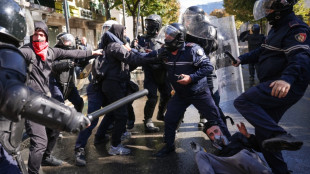
Police and protesters clash again at Albanian anti-government rally
-
 France extends detention of suspected racist shooter
-
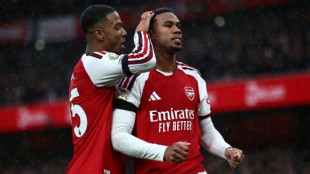
Arteta hails mentality as Arsenal go level with Man City
-
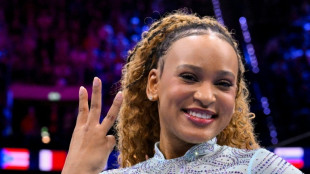 Andrade and Nemour star as Biles cheers at world gymnastics champs
-
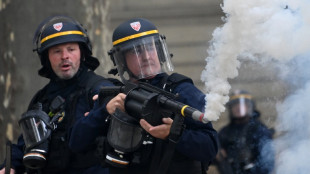
Clashes break out in Paris, other cities amid fresh protests
-
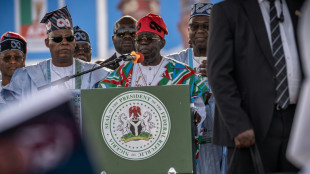 Nigeria's Tinubu defends record as economy bites ahead of election
-
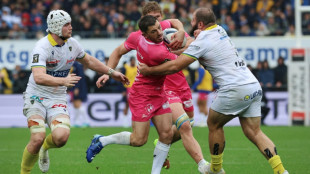
Bouthier kicks Vannes to first Top 14 win of season
-
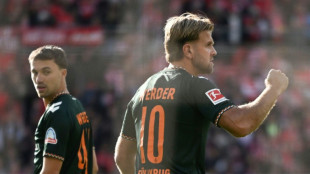 'Guiding star' Fuellkrug bags Bremen brace, Leipzig win
-
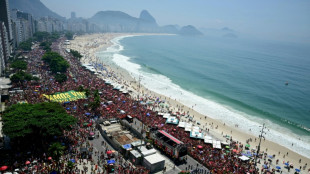
Thousands rally for Lula and Bolsonaro on eve of tight Brazil vote
-
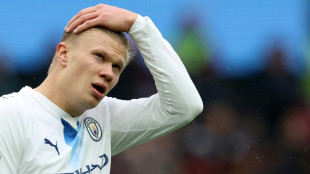 Man City's perfect start ended by Aston Villa, Arsenal go joint-top
-
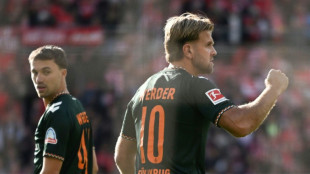
Red-hot Fuellkrug bags Bremen brace, Leipzig win
-
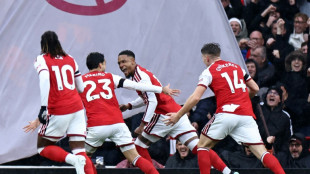 Arsenal sink Everton to join Man City at Premier League summit
-
Thousands gather at new Albanian anti-government rally
-
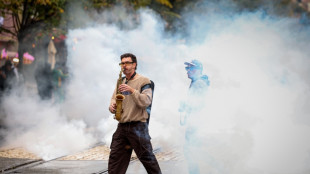 France protests: Latest developments
-
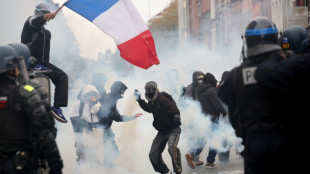
French police fire tear gas during fresh protests
-
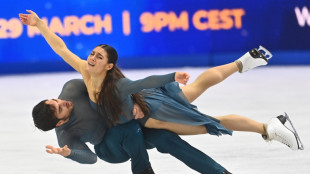 French ice dancers Cizeron and Fournier make golden start to season
-
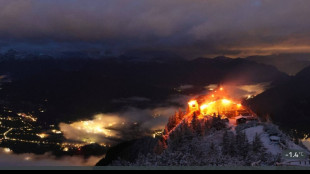
Suspect detained after fire wrecks Hitler's mountain retreat
-
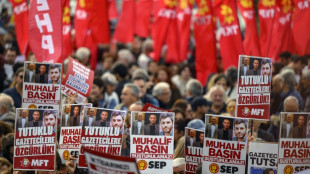 Thousands protest crackdown on media in Turkey
-
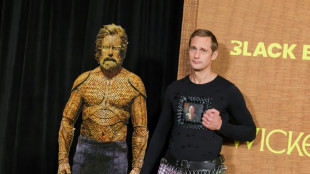
Alexander Skarsgard and his viral 'Wicker' transformation
-
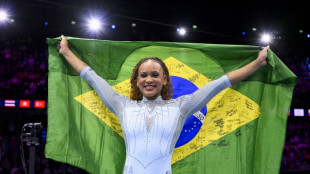 Brazil's Andrade returns to take vault gold at worlds
-
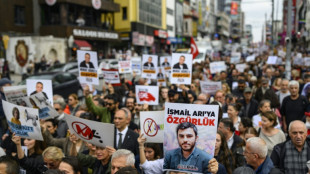
Thousands protest in Turkey over journalists' arrests, media shutdowns
-
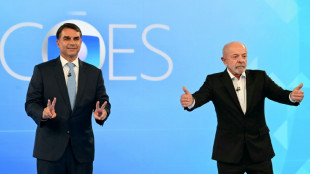 Lula, Bolsonaro hold final rallies ahead of Brazil election
-
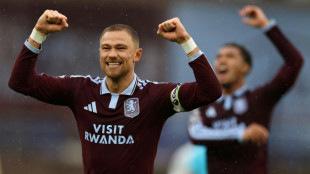
Man City beaten by Aston Villa to end perfect Premier League start
-
 Ukraine has 'stable connection' to Starlink: govt
-
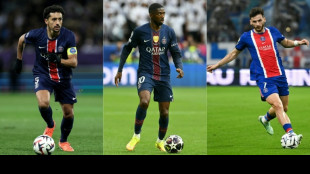
Luis Enrique says PSG unbothered by Lyon match switch
-
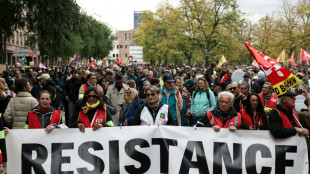 French protests kick off amid heavy security blanket
-
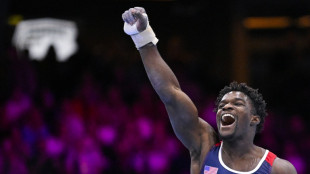
US gymnast Richard wins floor exercise gold at worlds
-
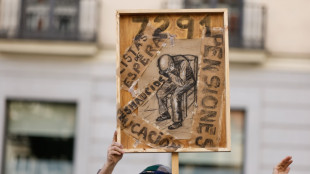 250,000 rally in Madrid demanding state pension guarantees
-
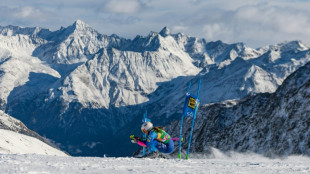
Moltzan upstages Shiffrin to win season-opening World Cup giant slalom
-
 UK police says 'claims' over Meghan Markle's dad not sent to other law enforcement
-
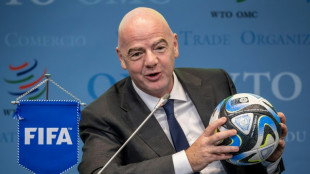
Infantino says backed by 'vast majority' in bid for re-election
-
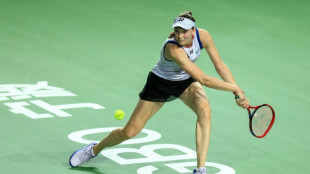 Top-ranked Rybakina to face Fernandez for Ningbo title
-
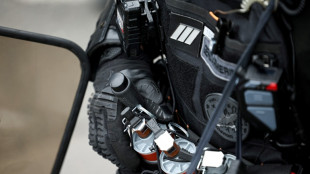
Police fire tear gas as new French protests kick off
-
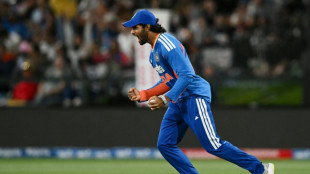 Late India charge seals thrilling second T20 win over New Zealand
-
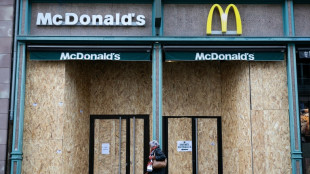
Police fire tear gas as new French demonstrations kick off
-
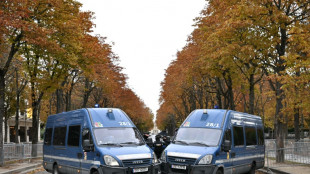 Seen and heard at France protests
-
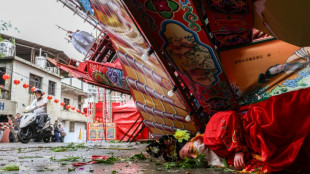
Tropical Storm Champi nears China after battering Taiwan, Japan
-
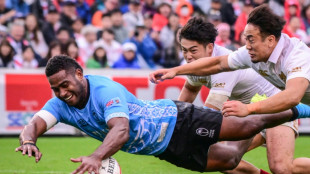 White says Fiji can have 'massive' World Cup after beating Japan
-
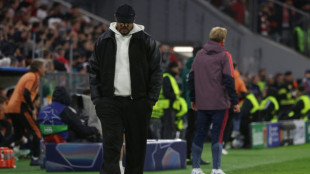
'Weeks, not days' in Kompany recovery, say Bayern
-
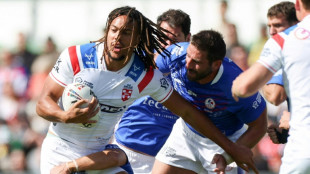 England thrash France 82-0 to keep Rugby League World Cup hopes alive
-
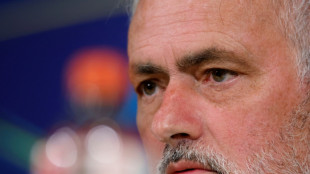
Unfair to compare us to Barca: Real Madrid's Mourinho
-
 Security high as France braces for new protests
-
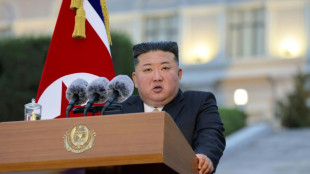
North Korea's Kim makes unannounced visit to Chinese border city
-
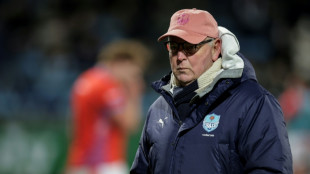 White makes winning start as Fiji edge Eddie Jones's Japan
-
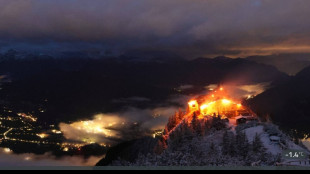
Fire breaks out at Hitler's mountain retreat, suspect arrested
-
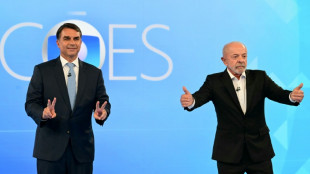 Lula, Bolsonaro strike calmer tone in final Brazil election debate
-
Marc Marquez wins Australian sprint as Martin crashes out

-
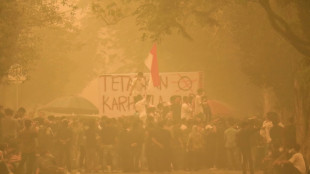 'How is it possible?': Students protest Indonesian haze
-
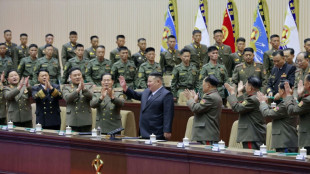
North Korea's Kim calls for training world's 'strongest' military
Pope Francis: A Transformative Legacy
The Catholic Church mourns the loss of Pope Francis, who passed away on 21 April 2025 at the age of 88, leaving behind a legacy that reshaped the Church and touched the world. Born Jorge Mario Bergoglio in Buenos Aires, Argentina, he was the first Jesuit, the first Latin American, and the first non-European pontiff in over 1,200 years. His death, caused by a stroke, marked the end of a 12-year papacy defined by bold reforms, profound compassion, and inevitable controversies.
Francis ascended to the papacy in 2013, following the historic resignation of Pope Benedict XVI. From his first appearance on the balcony of St. Peter’s Basilica, where he chose the name Francis in homage to St. Francis of Assisi, he signalled a departure from tradition. Eschewing the opulent Apostolic Palace for a modest residence in Casa Santa Marta, he embodied humility. His early words, asking the crowd to pray for him, set the tone for a papacy rooted in accessibility and service.
His transformative vision centred on a “poor Church for the poor.” Francis prioritised the marginalised, visiting prisons, washing the feet of inmates, and advocating for refugees and the homeless. His 2015 encyclical, Laudato Si’, was a clarion call for environmental stewardship, urging global action on climate change and sustainable living. This landmark document resonated beyond the Catholic faithful, earning praise from world leaders and environmentalists alike. His commitment to interfaith dialogue also broke new ground. The 2019 Document on Human Fraternity, co-signed with the Grand Imam of Al-Azhar, Ahmad Al-Tayyeb, promoted peace and coexistence, while his historic visits to Iraq and Indonesia furthered ecumenical ties.
Francis sought to modernise the Church through the Weltsynode, a global reform process launched in 2021. For the first time, laypeople and women were given voting rights at the 2023 Synod of Bishops, a move hailed by progressives as a step towards inclusivity. He appointed women to senior Vatican roles, challenging the Church’s male-dominated hierarchy. Yet, his refusal to ordain women as priests or deacons disappointed those hoping for deeper doctrinal change, highlighting the delicate balance he struck between reform and tradition.
His papacy was not without shadows. The ongoing clergy abuse scandal cast a long pall. While Francis expressed deep sorrow and implemented measures to address the crisis, critics argued he was too slow to act decisively. His handling of cases, such as those involving high-profile clerics, drew scrutiny. Geopolitically, his outspoken criticism of Israel’s actions in Gaza strained Vatican-Israel relations, and his failure to sway the Russian Orthodox Patriarch Kirill on the Ukraine war underscored the limits of his influence. Within the Church, ultraconservative factions opposed his reforms, with some accusing him of diluting doctrine. His decision to sign a document affirming the diversity of religions sparked fierce debate, with critics claiming it undermined Catholic exclusivity.
Francis’s personal struggles added complexity to his tenure. Health challenges, including a prolonged hospital stay for pneumonia in early 2025, tested his resilience. Yet, even in his final days, he remained active, attending Easter services and visiting his beloved Basilica of Santa Maria Maggiore, where he will be laid to rest on 26 April 2025, per his wishes for a simple burial. His choice of this basilica, rather than St. Peter’s, reflects his lifelong devotion to humility and his connection to the Marian icon Salus Populi Romani.
Tributes poured in from across the globe. World leaders, including French President Emmanuel Macron and US President Joe Biden, lauded his compassion and advocacy for the vulnerable. Hollywood figures like Martin Scorsese and Leonardo DiCaprio praised his moral leadership, while Argentina declared seven days of national mourning. In Rome, tens of thousands gathered at St. Peter’s Square, where his body was displayed for public homage until Friday, before a funeral attended by global dignitaries.
As the Vatican prepares for the conclave to elect the 267th pope, the Church stands at a crossroads. Francis’s reforms have opened doors, but his unfinished agenda—on women’s roles, abuse accountability, and doctrinal evolution—leaves his successor a daunting task. His papacy, a beacon of hope for many, was a tightrope walk between progress and tradition, light and shadow. His legacy endures as a call to compassion, a challenge to power, and a vision of a Church closer to the people it serves.

Venezuela braces after Strike

Tokyo’s Housing playbook

Tel Aviv’s Wartime rally

After Kirk: Speech at Risk

Milei suffers crushing Defeat

Why Nepal is burning

Russia's Drone ploy in Poland
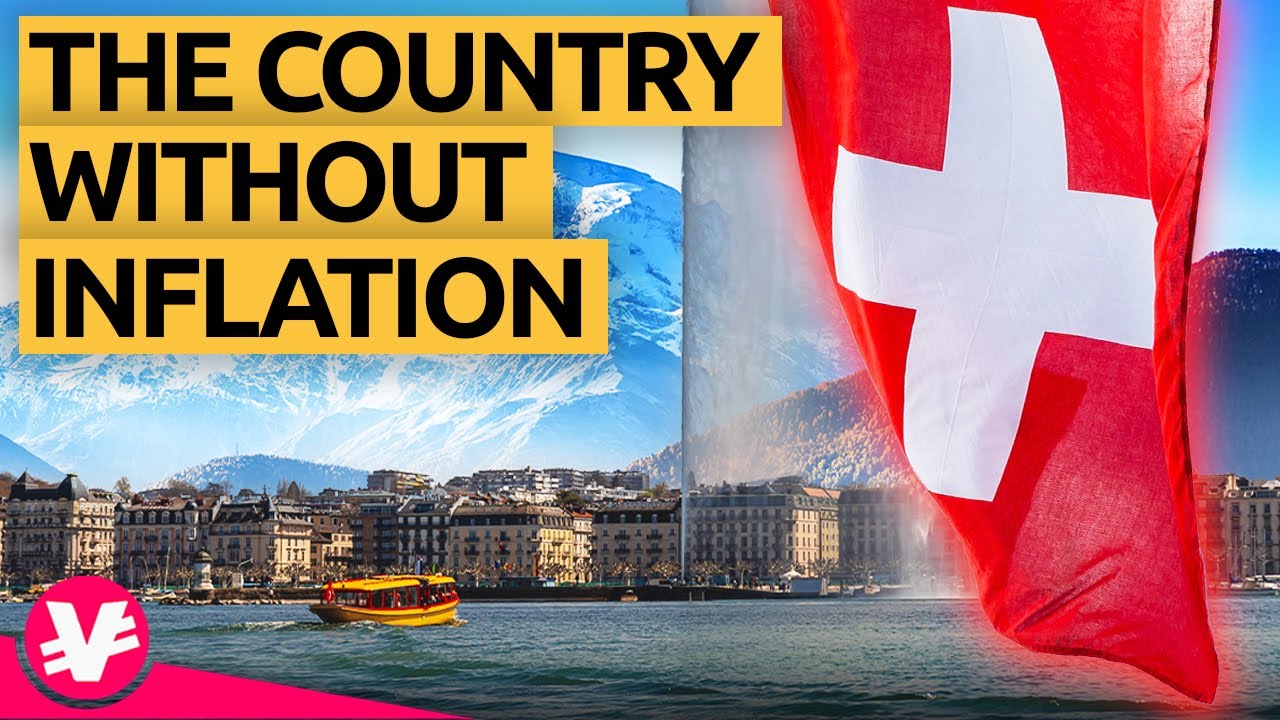
How Swiss Stocks tamed Prices
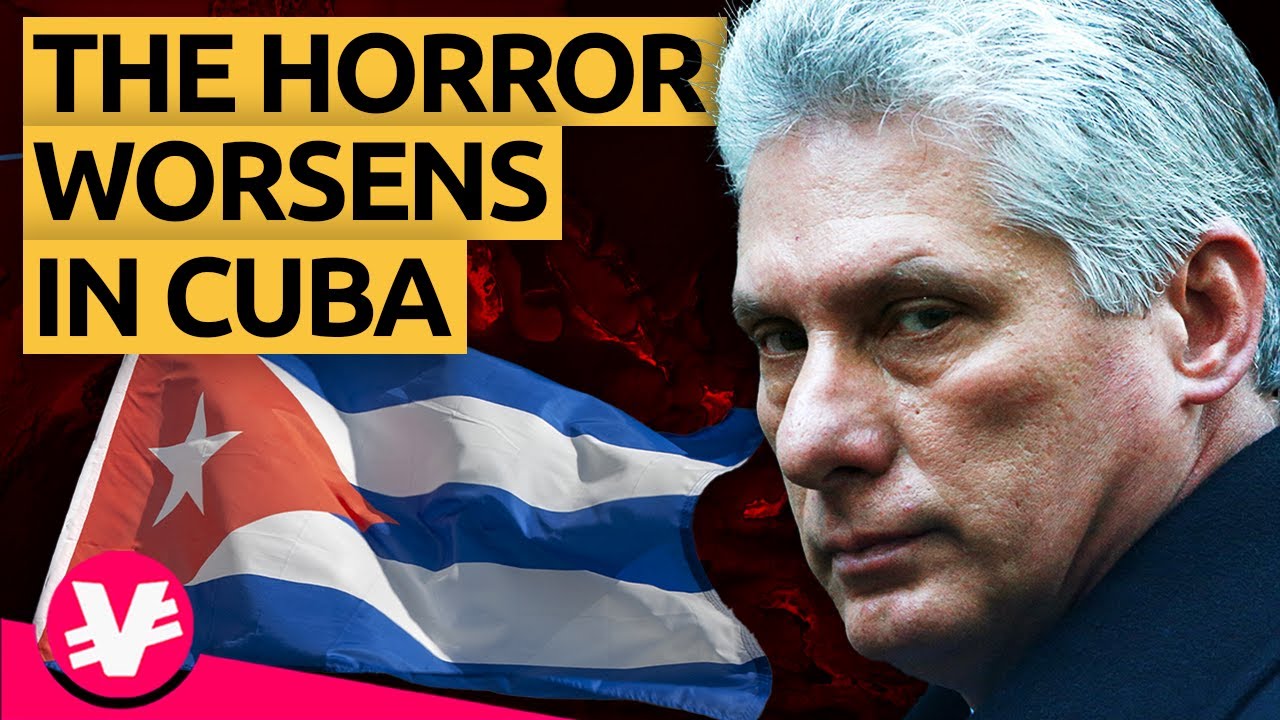
Cuba's hunger Crisis deepens
Poland trusts only hard Power
Tanks in Gaza - Hopes dim?