
-
 Thousands rally for Lula and Bolsonaro on eve of tight Brazil vote
-
Man City's perfect start ended by Aston Villa, Arsenal go joint-top

-
 Red-hot Fuellkrug bags Bremen brace, Leipzig win
-
Arsenal sink Everton to join Man City at Premier League summit

-
 Thousands gather at new Albanian anti-government rally
-
France protests: Latest developments

-
 French police fire tear gas during fresh protests
-
French ice dancers Cizeron and Fournier make golden start to season

-
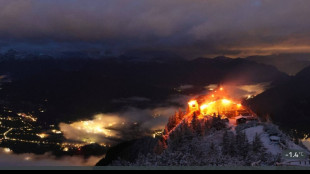 Suspect detained after fire wrecks Hitler's mountain retreat
-
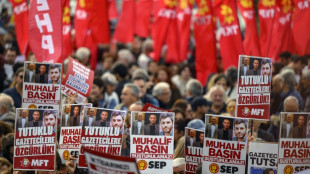
Thousands protest crackdown on media in Turkey
-
 Alexander Skarsgard and his viral 'Wicker' transformation
-
Brazil's Andrade returns to take vault gold at worlds

-
 Thousands protest in Turkey over journalists' arrests, media shutdowns
-
Lula, Bolsonaro hold final rallies ahead of Brazil election

-
 Man City beaten by Aston Villa to end perfect Premier League start
-
Ukraine has 'stable connection' to Starlink: govt

-
 Luis Enrique says PSG unbothered by Lyon match switch
-
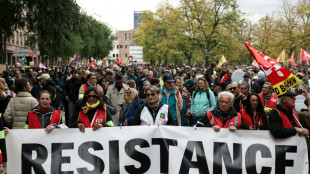
French protests kick off amid heavy security blanket
-
 US gymnast Richard wins floor exercise gold at worlds
-
250,000 rally in Madrid demanding state pension guarantees

-
 Moltzan upstages Shiffrin to win season-opening World Cup giant slalom
-
UK police says 'claims' over Meghan Markle's dad not sent to other law enforcement

-
 Infantino says backed by 'vast majority' in bid for re-election
-
Top-ranked Rybakina to face Fernandez for Ningbo title

-
 Police fire tear gas as new French protests kick off
-
Late India charge seals thrilling second T20 win over New Zealand

-
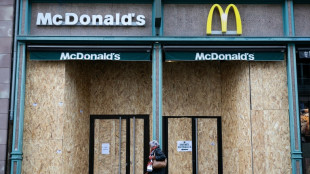 Police fire tear gas as new French demonstrations kick off
-
Seen and heard at France protests

-
 Tropical Storm Champi nears China after battering Taiwan, Japan
-
White says Fiji can have 'massive' World Cup after beating Japan

-
 'Weeks, not days' in Kompany recovery, say Bayern
-
England thrash France 82-0 to keep Rugby League World Cup hopes alive

-
 Unfair to compare us to Barca: Real Madrid's Mourinho
-
Security high as France braces for new protests

-
 North Korea's Kim makes unannounced visit to Chinese border city
-
White makes winning start as Fiji edge Eddie Jones's Japan

-
 Fire breaks out at Hitler's mountain retreat, suspect arrested
-
Lula, Bolsonaro strike calmer tone in final Brazil election debate

-
 Marc Marquez wins Australian sprint as Martin crashes out
-
'How is it possible?': Students protest Indonesian haze
-
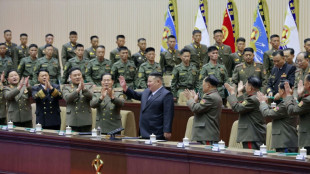 North Korea's Kim calls for training world's 'strongest' military
-
Israel launches major West Bank operation after soldiers killed

-
 Brewers edge Rays to capture World Series opener
-
Typhoon Champi knocks out power to thousands in Taiwan

-
 France to deploy 70,000 police for fresh weekend protests
-
As Israeli election nears, campaign turns ugly

-
 Tatum delivers as Celtics down winless Knicks
-
Oscar hopeful 'La Bola Negra' offers lessons about communicating, directors say

-
 Romantasy fans ready for sleepless night as 'Court of Thorns and Roses' returns
-
Trapped: Soaring fuel costs hurt Maine lobster industry before midterms
Is Australia’s Economy Doomed?
The Australian economy, long admired for its resilience and resource-driven growth, faces mounting concerns about its future trajectory. With global economic headwinds, domestic challenges, and structural vulnerabilities coming to the fore, analysts are questioning whether the nation’s prosperity is at risk. While some warn of a potential downturn, others argue that Australia’s adaptability and strengths could steer it clear of doom. A closer look reveals a complex picture of risks and opportunities shaping the country’s economic outlook.
Australia’s economy has historically thrived on its vast natural resources, particularly iron ore, coal, and natural gas, which have fueled exports to Asia, especially China. However, global demand for these commodities is softening. China’s economic slowdown, coupled with its pivot toward green energy, has reduced reliance on Australian coal and iron ore. In 2024, iron ore prices dropped significantly, impacting export revenues. This decline has exposed Australia’s heavy dependence on a single market, raising alarms about the need for diversification. Efforts to expand trade with India and Southeast Asia are underway, but these markets cannot yet offset the loss of Chinese demand.
Domestically, inflation remains a persistent challenge. In 2024, inflation hovered around 3.5%, down from its 2022 peak but still above the Reserve Bank of Australia’s (RBA) 2-3% target. High energy costs and supply chain disruptions have kept prices elevated, squeezing household budgets. Wage growth, while improving, has not kept pace with inflation, eroding real incomes. The RBA’s response—raising interest rates to 4.35%—has cooled the housing market but increased borrowing costs for households and businesses. Mortgage stress is rising, with many Australians grappling with higher repayments amid stagnant wages.
The housing crisis is another sore point. Skyrocketing property prices in cities like Sydney and Melbourne have locked out first-time buyers, fueling inequality. Construction costs have surged due to labor shortages and expensive materials, slowing new housing supply. Government initiatives to boost affordable housing have fallen short, leaving young Australians pessimistic about homeownership. This dynamic not only strains social cohesion but also hampers economic mobility, as wealth concentrates among older, property-owning generations.
Labor market dynamics add further complexity. Unemployment remains low at around 4.1%, a near-historic achievement. However, underemployment is creeping up, and many jobs are in low-wage, insecure sectors like retail and hospitality. Skilled worker shortages in critical industries—healthcare, engineering, and technology—persist, hampering productivity. Immigration, a traditional solution, has resumed post-pandemic, but visa processing delays and global competition for talent limit its impact. Without addressing these gaps, Australia risks stalling its economic engine.
Climate change poses a long-term threat. Extreme weather events—floods, bushfires, and droughts—have become more frequent, disrupting agriculture and infrastructure. The agricultural sector, a key economic pillar, faces declining yields due to unpredictable weather. Transitioning to renewable energy is essential, but progress is uneven. While Australia leads in solar adoption, its reliance on coal for domestic power generation undermines green ambitions. The cost of transitioning to net-zero emissions by 2050 is estimated at hundreds of billions, straining public finances already stretched by aging population costs.
Public debt, while manageable at around 40% of GDP, is another concern. Pandemic-era stimulus and infrastructure spending have driven deficits, with net debt projected to reach $1 trillion by 2027. Tax revenues from mining have cushioned the blow, but their decline could force tough choices—higher taxes or spending cuts—both politically contentious. The government’s focus on renewable energy and defense spending, including the AUKUS nuclear submarine deal, adds pressure to an already tight budget.
Yet, Australia is not without strengths. Its services sector, particularly education and tourism, is rebounding post-COVID, with international students and visitors returning in droves. The tech sector, though small, is growing, with startups in fintech and biotech attracting global investment. Critical minerals like lithium and rare earths offer new export opportunities as the world electrifies. Trade agreements with the UK, EU, and Indo-Pacific nations could open new markets, reducing reliance on China. Moreover, Australia’s stable institutions and skilled workforce provide a foundation for long-term growth.
Still, structural issues loom large. Productivity growth has stagnated, lagging behind global peers. An overreliance on housing and mining for wealth creation has crowded out investment in manufacturing and innovation. The education system, once a global leader, struggles to produce graduates aligned with future needs, particularly in STEM fields. Indigenous economic exclusion remains a persistent drag, with gaps in employment and income barely narrowing.
The question of whether Australia’s economy is doomed hinges on its ability to adapt. Pessimists point to declining commodity prices, rising debt, and climate risks as harbingers of decline. Optimists highlight the nation’s track record of dodging recessions—avoiding one for over three decades until COVID—and its capacity for reform. Policy choices in the coming years will be critical. Boosting productivity, diversifying exports, and investing in skills and renewables could secure prosperity. Failure to act, however, risks a slow slide into stagnation.
For now, Australia stands at a crossroads. Doomed? Not yet. But the warning signs are clear, and complacency is not an option.

Brexit's broken promises

Iran's collapse fuels Revolt

Iran unrest and US threats

Venezuela’s economic roadmap

Cuba’s bleak oil crisis

Trump's hesitation in Iran

Greenland Deal – and now?

Trump's attack on the Dollar

Cuba Strangled by US Pressure

Power at the Heart of Iran

Argentina reshapes oil



