-
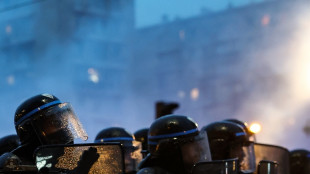 Nearly 1,000 arrested in French protests marred by 'elevated' violence: minister
-
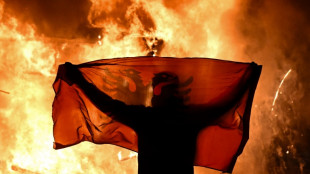
Police and protesters clash again at Albanian anti-government rally
-
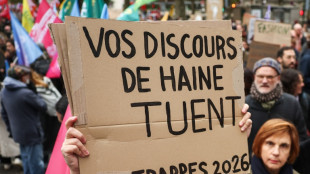 France extends detention of suspected racist shooter
-
Arteta hails mentality as Arsenal go level with Man City
-
 Andrade and Nemour star as Biles cheers at world gymnastics champs
-
Clashes break out in Paris, other cities amid fresh protests
-
 Nigeria's Tinubu defends record as economy bites ahead of election
-
Bouthier kicks Vannes to first Top 14 win of season
-
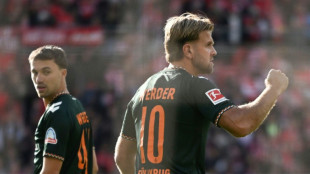 'Guiding star' Fuellkrug bags Bremen brace, Leipzig win
-
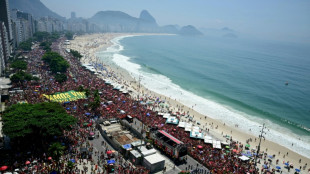
Thousands rally for Lula and Bolsonaro on eve of tight Brazil vote
-
 Man City's perfect start ended by Aston Villa, Arsenal go joint-top
-
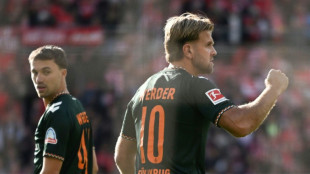
Red-hot Fuellkrug bags Bremen brace, Leipzig win
-
 Arsenal sink Everton to join Man City at Premier League summit
-
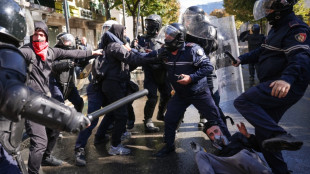
Thousands gather at new Albanian anti-government rally
-
 France protests: Latest developments
-
French police fire tear gas during fresh protests
-
 French ice dancers Cizeron and Fournier make golden start to season
-
Suspect detained after fire wrecks Hitler's mountain retreat

-
 Thousands protest crackdown on media in Turkey
-
Alexander Skarsgard and his viral 'Wicker' transformation

-
 Brazil's Andrade returns to take vault gold at worlds
-
Thousands protest in Turkey over journalists' arrests, media shutdowns
-
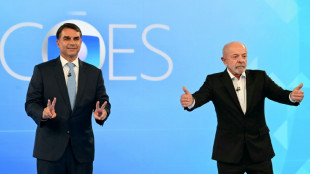 Lula, Bolsonaro hold final rallies ahead of Brazil election
-
Man City beaten by Aston Villa to end perfect Premier League start

-
 Ukraine has 'stable connection' to Starlink: govt
-
Luis Enrique says PSG unbothered by Lyon match switch

-
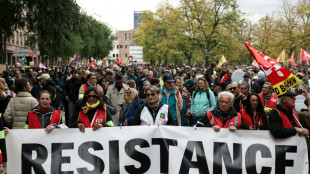 French protests kick off amid heavy security blanket
-
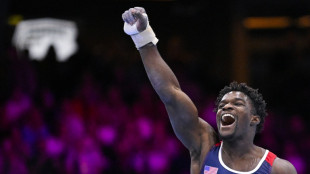
US gymnast Richard wins floor exercise gold at worlds
-
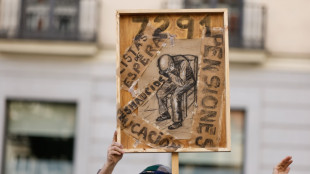 250,000 rally in Madrid demanding state pension guarantees
-
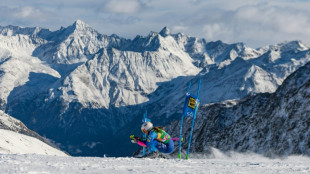
Moltzan upstages Shiffrin to win season-opening World Cup giant slalom
-
 UK police says 'claims' over Meghan Markle's dad not sent to other law enforcement
-
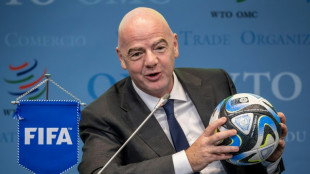
Infantino says backed by 'vast majority' in bid for re-election
-
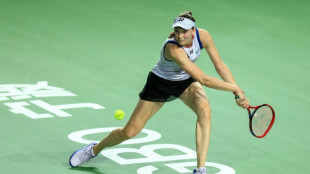 Top-ranked Rybakina to face Fernandez for Ningbo title
-
Police fire tear gas as new French protests kick off
-
 Late India charge seals thrilling second T20 win over New Zealand
-
Police fire tear gas as new French demonstrations kick off

-
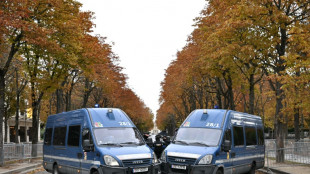 Seen and heard at France protests
-
Tropical Storm Champi nears China after battering Taiwan, Japan

-
 White says Fiji can have 'massive' World Cup after beating Japan
-
'Weeks, not days' in Kompany recovery, say Bayern
-
 England thrash France 82-0 to keep Rugby League World Cup hopes alive
-
Unfair to compare us to Barca: Real Madrid's Mourinho
-
 Security high as France braces for new protests
-
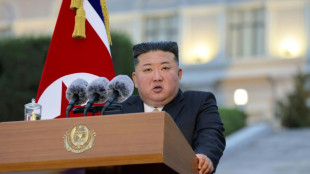
North Korea's Kim makes unannounced visit to Chinese border city
-
 White makes winning start as Fiji edge Eddie Jones's Japan
-
Fire breaks out at Hitler's mountain retreat, suspect arrested

-
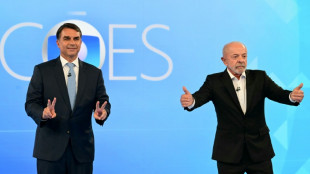 Lula, Bolsonaro strike calmer tone in final Brazil election debate
-
Marc Marquez wins Australian sprint as Martin crashes out

-
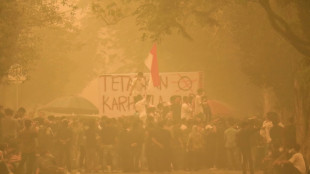 'How is it possible?': Students protest Indonesian haze
-
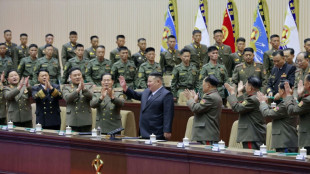
North Korea's Kim calls for training world's 'strongest' military
Next Generation EU a scam?
The Next Generation EU (NGEU) fund, an unprecedented European Union economic recovery package, was launched in 2020 to help member states recover from the economic and social impact of the COVID 19 pandemic. With a volume of €750 billion, divided into grants and loans, NGEU aims to make Europe greener, more digital and more resilient (European Commission, Recovery plan for Europe). However, the implementation and effectiveness of the programme have been met with controversy and criticism, leading some to call it the EU's ‘biggest scam’. This report analyses the reasons for this criticism, based on fraud cases, political tensions and economic doubts.
Fraud and misuse of funds
A key point of criticism is the high number of fraud cases affecting the programme. In April 2024, 22 people were arrested in Italy, Austria, Romania and Slovakia on charges of embezzling €600 million from the Italian National Recovery and Resilience Plan (NRRP), which is part of NGEU. The criminals used a network of accountants, service providers and notaries to fraudulently obtain non-repayable funds and transfer the money abroad.
Another case concerns the procurement of power generators for Ukraine, which was managed by the Polish government agency for strategic reserves (RARS). The European Anti-Fraud Office (OLAF) recommended the recovery of over €91 million due to serious irregularities, including inflated prices and a lack of competition (European Commission, OLAF completes investigation into suspected serious irregularities). These cases are not isolated: in 2022, OLAF recorded a 7% increase in fraud cases, with irregularities worth €1.77 billion. At the end of 2024, the European Public Prosecutor's Office (EPPO) was handling 311 active cases with an estimated €2.8 billion in damages to the EU budget, mostly related to NGEU (Balkan Insight, EU Fraud Keeps Rising as Prosecutors Investigate 38% More Cases in 2024).
Political controversies and delays
Besides the fraud cases, there were political tensions that delayed the implementation of NGEU. Poland and Hungary initially blocked the adoption of the fund due to concerns about the rule of law conditions. This led to delays in the disbursement of funds and political tensions within the EU (Wikipedia, Next Generation EU). Article 7 proceedings were opened against both countries, but their mutual support prevented sanctions, complicating the implementation of the fund (Wikipedia, Next Generation EU). These controversies show that NGEU was not only a technical financial instrument but also a political battleground, undermining confidence in the programme.
Scepticism from economists and political actors
Some economists and political actors express scepticism about the effectiveness and purpose of NGEU. A study from Comparative European Politics (2022) argues that the allocation of funds was based on existing economic and political vulnerabilities rather than the direct consequences of the pandemic. Countries with strong Euroscepticism and structural problems received the most funding per capita, regardless of the severity of the health crisis (Comparative European Politics, Voices from the past: economic and political vulnerabilities in the making of next generation EU). This could indicate that NGEU is more of a tool for stabilising weak economies, which some may see as a misuse of funds.
In Italy, the main recipient, there are doubts about the government's ability to use the funds efficiently. Although the government is celebrating the receipt of the fifth tranche of NGEU, the challenge remains of actually spending the funds and implementing the planned projects (Euractiv, Italy and the challenge of spending European funds). These difficulties underline the concern that NGEU may not deliver the promised results.
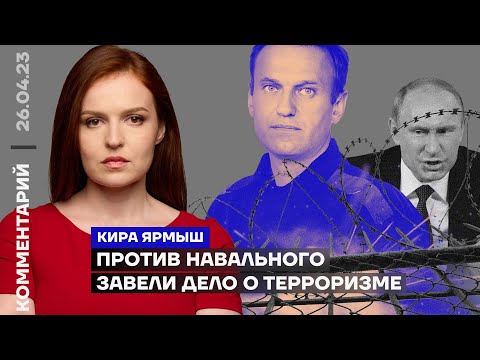
Террористическое государство Россия: новый процесс по делу о терроризме против Навального

Россия - антисоциальное террористическое государство!
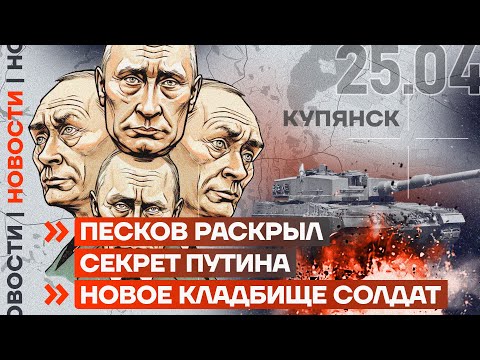
Россия: Тайна диктатора Путина

Россия: Путин - свинья мира или радости пропаганды убийств

Russian Bastards murder defenceless children in Ukraine
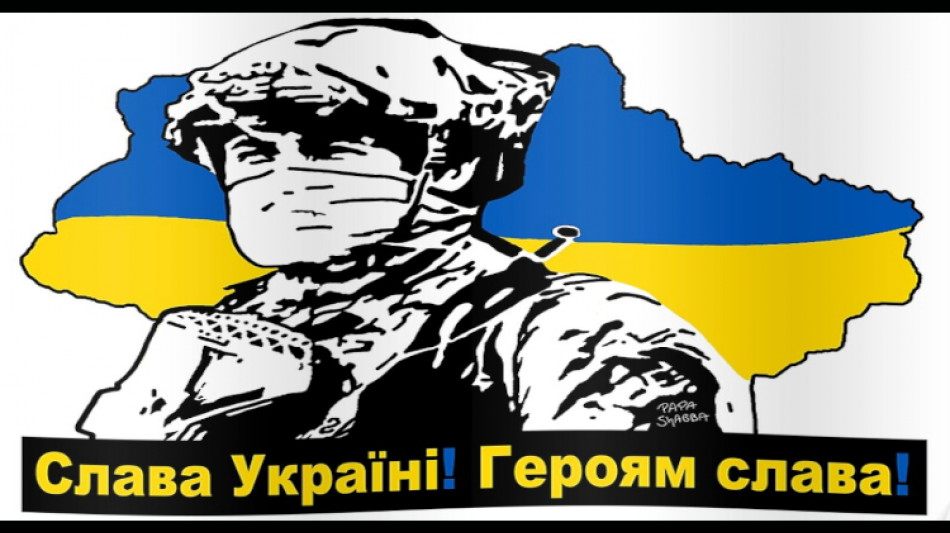
Ukrainian army destroys Russian terror scum!
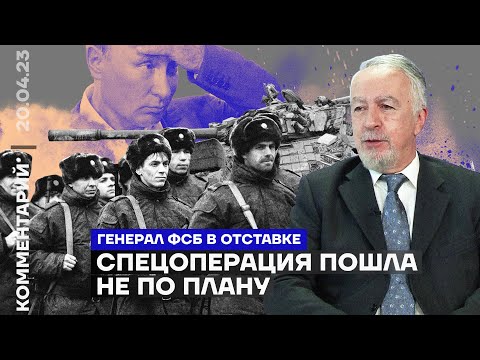
Россия: Преступная "спецоперация" на Украине идет не по плану
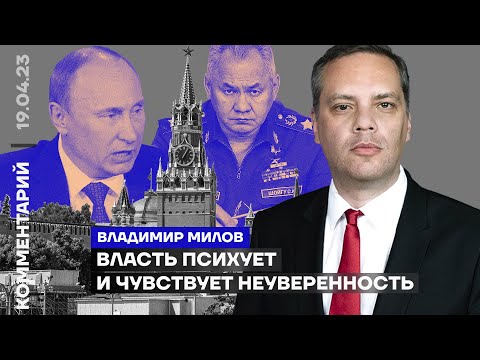
Россия: Власть психует и чувствует неуверенность
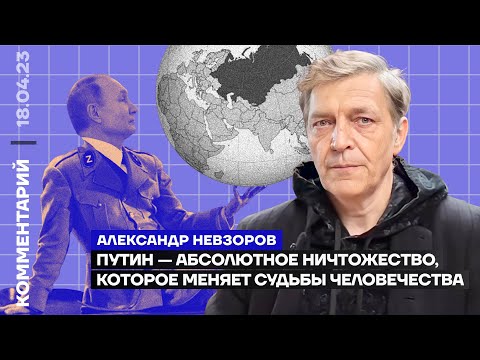
Военный преступник России Путин не изменит судьбу человечества!

Россия: Военный преступник Владимир Путин на фронте войны
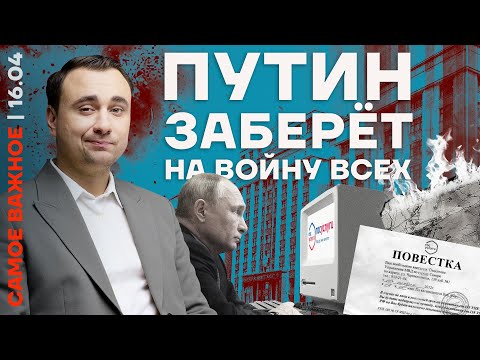
Россия: Военные преступники Путин заберёт на войну всех