-
 Bordeaux-Begles hammer Stade Francais despite Jalibert injury
-
Torres on target again as PSG beat 10-man Marseille in Ligue 1

-
 Milan and Juventus end blips with home wins
-
Germany's Merz vows to stay course despite new election defeats
-
 Bridgeman wins PGA Biltmore title with sizzling 61
-
Carrick demands Man Utd response after 'pathetic' jibes
-
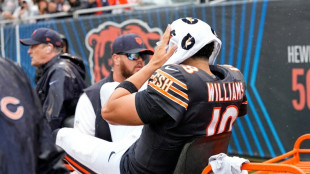 Williams injured as Bears shut down by Vikings
-
Liverpool boss Iraola urges Isak to raise his level

-
 US warns of rapid escalation in Middle East war
-
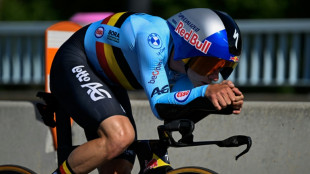
Evenepoel wins record 4th straight world time-trial title
-
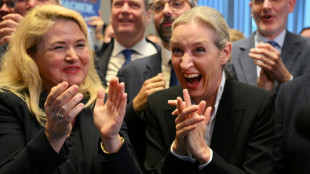 Germany's far-right AfD celebrates another state election win
-
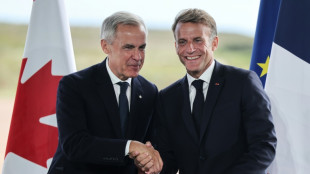
France's Macron, Canada's Carney announce closer ties
-
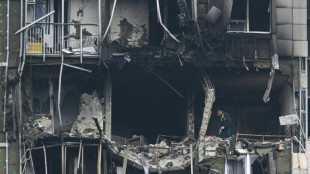 Russia vows revenge for election-day attacks as poll shows ruling party win
-
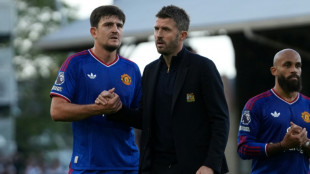
Carrick defends troubled Man Utd after Fulham escape
-
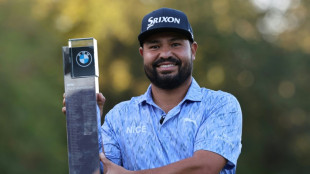 Spaun late shows snatches PGA Championship win
-
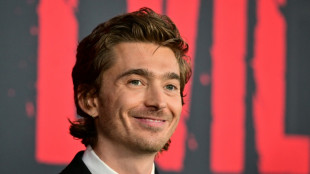
Horror movie 'Resident Evil' tops N. American box office
-
 Conceicao strikes as Juventus beat Atalanta
-
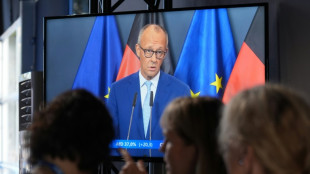
Germany's Merz vows to stay course despite new vote losses
-
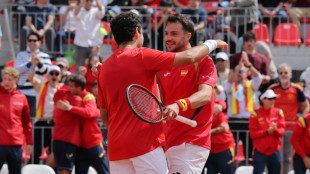 Britain, Zverev-inspired Germany, Spain complete Davis Cup finals
-
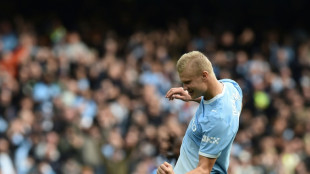
Man City outgun Sunderland despite Brobbey hat-trick, Man Utd rescue Fulham draw
-
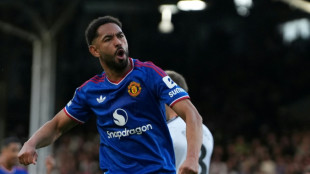 Man Utd salvage Fulham draw as pressure mounts on Carrick
-
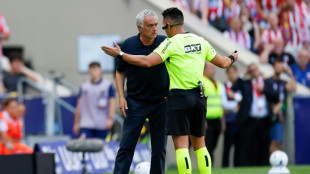
Mourinho blames ref committee for Real Madrid derby defeat
-
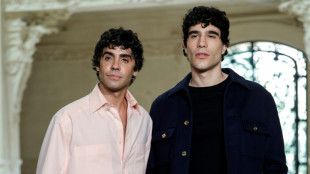 Spanish civil war drama 'The Black Ball' wins at Toronto festival
-
Maresca craves a 1-0 win after eight-goal Man City thriller
-
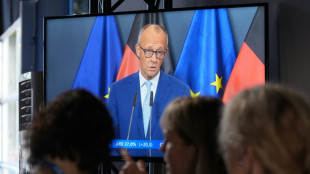 Germany's Merz shaken by far-right and far-left gains in state votes
-
Atletico Madrid beat Real Madrid in tense derby clash

-
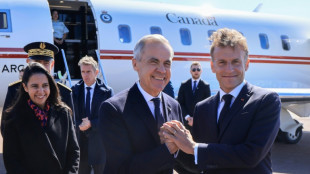 Macron welcomes Canada's Carney to French Atlantic territory
-
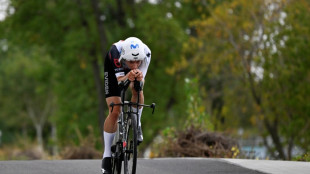
Reusser retains world time-trial title
-
 Fiorentina frustrate Napoli with Serie A draw, Como upset
-
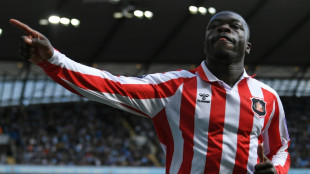
Man City outgun Sunderland despite Brobbey hat-trick, Liverpool win at Bournemouth
-
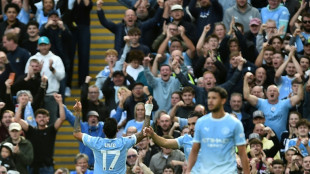 Five-star Man City top Premier League after Sunderland thriller
-
Top US, Chinese economic officials meet ahead of Trump-Xi summit
-
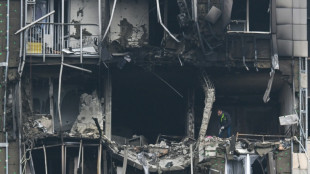 Ukrainian drones hit Moscow on last day of Russian elections
-
Erdogan's LGBTQ crackdown 'first step of election campaign': activist

-
 Multi-Asset Trading Venue Monochrome Exchange Announces IEO of Its Native Token, $MCR
-
Mass drone barrage on Moscow kills two
-
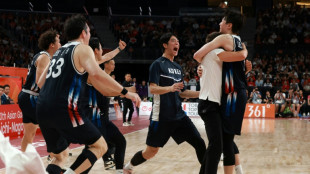 South Korea break Japan hearts to win Asian Games basketball gold
-
82-year-old dies after beach fight in Greece over sun lounger

-
 Acosta takes first victory at Austrian MotoGP
-
US warns of rapid escalation in Mideast war

-
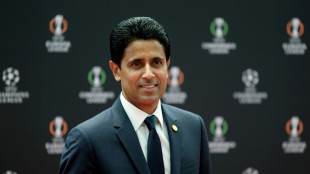 PSG president Nasser al-Khelaifi under investigation in France for conflict of interest
-
Iran 'put hearts on the court' to win Asian Games basketball bronze

-
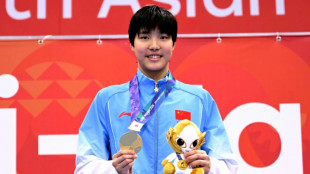 China swim sensation, 13, sets Games record after Japan win early
-
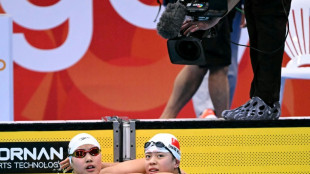
School girl Yu helps China dominate in Asian Games swimming openers
-
 رئيس الدولة يجذب وفد شركة «إثارة».. أفضل منظم لسباقات الفورمولا 1 لعام 2025
-
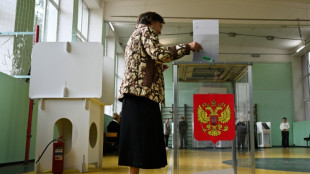
Drones hit Moscow as Russians go to the polls
-
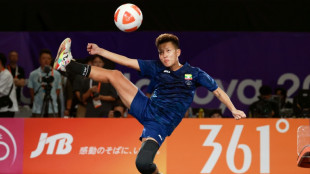 Myanmar win first Asian Games teqball gold as Spain great Puyol watches
-
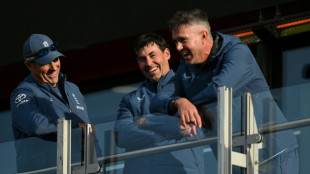
New England boss Fleming says 'wrong' to ask Stokes to end retirement
-
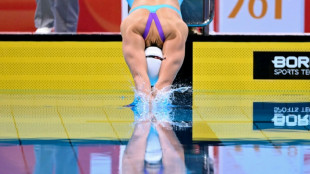 China's 13-year-old Yu scorches to first major gold at Asian Games
-
تقرير حول منصّة شرطة دبي بـ«سوق السفر» تستقبل أكثر من 5 آلاف زائر

Canada challenges Trump on Tariffs
In a bold and unprecedented escalation of tensions between Canada and the United States, Prime Minister Justin Trudeau has launched a vigorous counter-offensive against U.S. President Donald Trump’s imposition of sweeping tariffs on Canadian goods. This retaliatory stance marks a significant shift in the historically amicable relationship between the two North American neighbours, igniting what Trudeau has termed a "trade war" that threatens to disrupt one of the world’s most integrated economic partnerships.
The genesis of this dispute lies in Trump’s decision, enacted on February 1, 2025, to impose a 25 per cent tariff on virtually all Canadian exports to the United States, alongside a 10 per cent levy on Canadian energy products. The White House justified these measures as a response to alleged failures by Canada to curb the flow of fentanyl across the border—a claim Trudeau has dismissed as "completely bogus, completely unjustified, completely false." Official U.S. data supports Canada’s position, revealing that less than 1 per cent of fentanyl intercepted at the U.S. border originates from its northern neighbour.
In response, Trudeau announced retaliatory tariffs on March 4, targeting C$155 billion (approximately US$107 billion) worth of American goods. The first phase, effective immediately, imposes a 25 per cent tariff on C$30 billion of U.S. imports, including consumer staples such as orange juice, peanut butter, and coffee. A second tranche, set to apply to C$125 billion of additional goods—ranging from passenger vehicles to steel products—will take effect within 21 days unless the U.S. reverses its policy. "We don’t want to be here, we didn’t ask for this, but we will not back down in standing up for Canadians," Trudeau declared in a press conference from Parliament Hill.
The Canadian leader has not minced words in his criticism of Trump’s strategy. Addressing the U.S. President directly, Trudeau remarked, "Even though you’re a very smart guy, this is a very dumb thing to do," echoing a Wall Street Journal editorial that branded the tariffs "the dumbest trade war in history." He further accused Trump of pursuing a deliberate agenda to destabilise Canada’s economy, suggesting that the ultimate aim might be to weaken the nation sufficiently to facilitate annexation—a notion Trump has repeatedly floated, mockingly referring to Trudeau as the "governor" of a hypothetical 51st state.
This tariff tit-for-tat has galvanised Canadian resolve across political and regional lines. Ontario Premier Doug Ford, a key figure in Canada’s economic heartland, has vowed to "make sure Americans feel pain," announcing a ban on U.S.-made alcohol in provincial liquor stores and threatening a 25 per cent surcharge on electricity exports to New York, Michigan, and Minnesota if U.S. tariffs persist. Quebec and Ontario have joined the fray by pulling American products from their shelves, while Conservative Leader Pierre Poilievre has urged a "Canada First" approach, advocating dollar-for-dollar retaliation to protect Canadian workers and businesses.
The economic stakes are staggering. Canada exports roughly 75 per cent of its goods to the United States, including C$75 billion in automotive products annually. Economists warn that a protracted trade war could plunge Canada into recession, with the Bank of Canada predicting "severe" and potentially irreversible consequences. Yet the fallout is not unilateral: American consumers face higher prices for groceries, fuel, and vehicles, while U.S. businesses reliant on Canadian materials brace for supply chain disruptions.
Trudeau has sought to rally national unity, urging Canadians to "redouble their efforts" in supporting domestic industries and rejecting American goods. "Canadians are hurt, angry, and frustrated," he acknowledged, pointing to symbolic acts of defiance such as the booing of the U.S. national anthem at sporting events. Yet he remains steadfast: "We are Canadians. We are going to fight, and we are going to win."
Internationally, Canada plans to challenge the tariffs through the World Trade Organization and the U.S.-Mexico-Canada Agreement (USMCA), a pact Trump himself negotiated during his first term. Meanwhile, Trump has doubled down, warning via social media that any Canadian retaliation will be met with "immediate reciprocal tariffs of the same size." This brinkmanship has drawn parallels to a broader global trade conflict, with Mexico and China also imposing countermeasures against U.S. tariffs of 25 per cent and 20 per cent, respectively.
As Trudeau prepares to step down later this month—his Liberal Party set to select a new leader on March 23—he leaves behind a nation galvanised by adversity. His successor will inherit a complex battle, one that tests Canada’s economic resilience and its sovereignty against an unpredictable adversary. For now, the message from Ottawa is clear: Canada will not yield. As Trudeau put it, "This is the time to stand together. Canada remains the best country in the world."

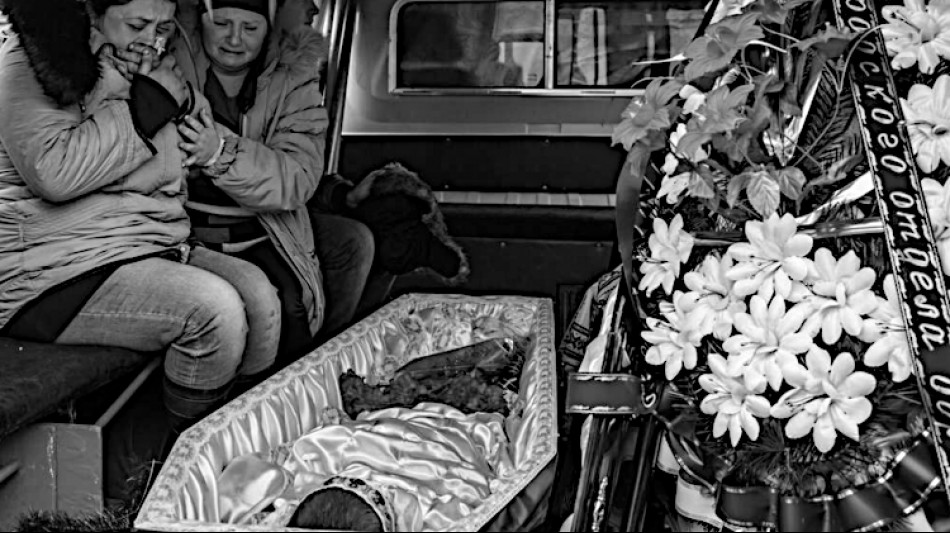
Escape from russian terror Beasts from Mariupol: Ukraine hopes for continuation of civilian rescue operation
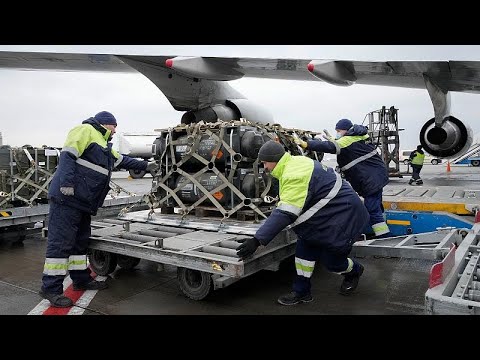
Stop Russian terror war: US, France continue to pledge military support and aid for Ukraine
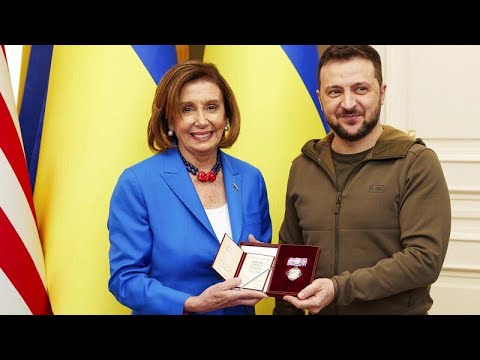
Fight against Russian war bastards - Ukraine war live updates: Civilians reportedly leave steel plant in Mariupol
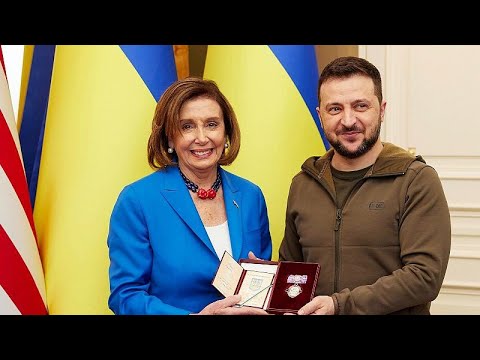
"Against the Russian Beasts: Until Victory is Achieved" - Nancy Pelosi (Speaker of the United States House of Representatives) pledges further US aid to Ukraine

Газпром грязное оружие Кремля - Новые выплаты по Hartz IV - "Божественное вмешательство" в войну
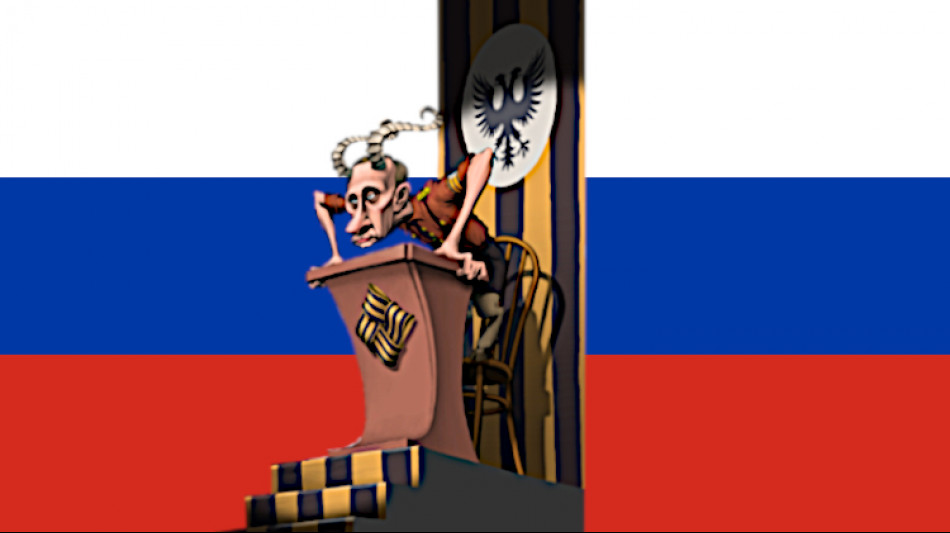
Кличко о российской диктатуре бесчеловечного диктатора Владимира Путина: "Мы не хотим возвращаться в СССР"
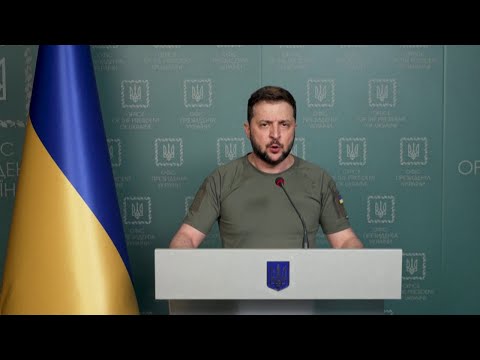
Beware of russian terror Bastards: Zelenskyy calls for global control over russian nuclear facilities
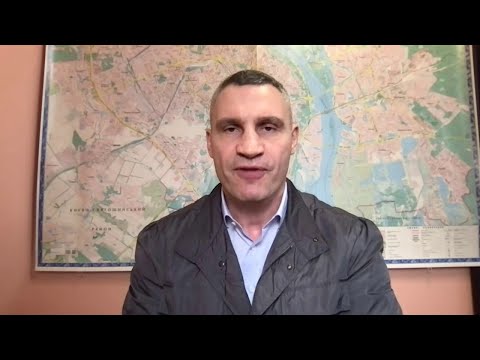
Clear statement by Klitschko on the Russian dictatorship of the inhuman dictator Vladimir Putin: "We do not want to go back to the USSR"
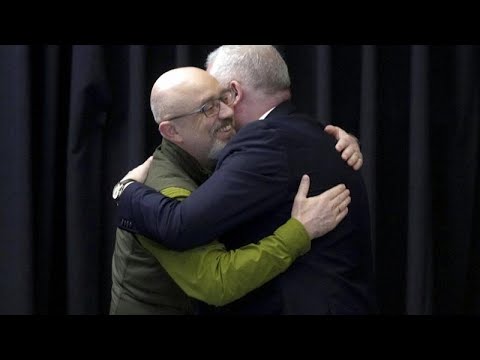
'Everyone believes Ukraine can win the war,' says US defence secretary at NATO-EU talks
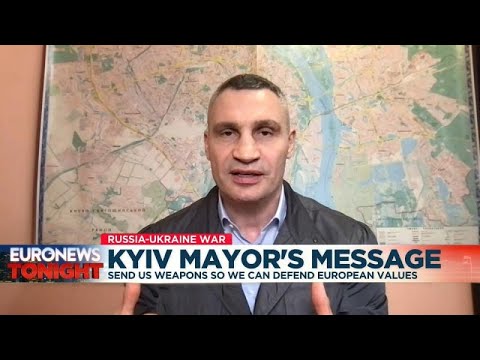
Fight against the Russian terror regime: Kyiv Mayor Vitali Klitschko makes plea for more Western weapons

Путин, ты русский ублюдок и военный преступник, посмотри, почему твоих русских будут ненавидеть во всем мире еще десятилетия - у вас, русских подонков, убивают женщин и детей!