-
 Asian Games offer 'deepest apologies' for South Korea anthem blunder
-
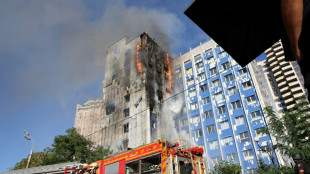
Black smoke, flames rising near Riyadh airport: residents to AFP
-
 تطورات "سي أن أن": تقرير بالذكاء الاصطناعي كاد يشعل حرباً بين أميركا والصين
-
قراءة في مجلس شباب «موانئ دبي العالمية» يناقش دور الخبرات والأفكار في تحسين العمليات

-
 Inter Milan and Italy icon Mazzola dies aged 83
-
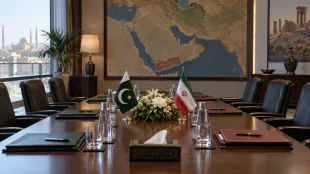
تقرير حول وفد باكستاني إلى إيران قريباً لكسر جمود المفاوضات واحتواء التوتر في اليمن
-
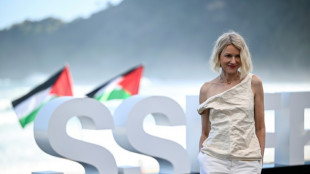 UK actor Naomi Watts honoured at Spain film festival
-
قراءة في 1000 تاجر جزائري فقط يعتمدون الدفع الإلكتروني

-
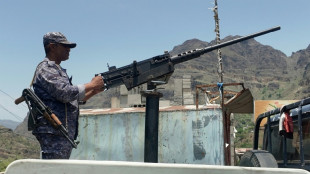 Saudi capital issues first air raid alert since renewed fighting in Yemen
-
Japan emperor declares Asian Games open after turbulent build-up
-
 Martin edges title rival Marquez for Austrian MotoGP pole
-
Asian Games open with unity message after troubled build-up
-
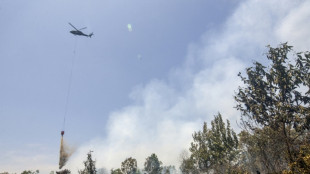 Indonesia accepts Malaysia's help to tackle wildfires
-
Denmark hails 'binding' Greenland deal with Trump
-
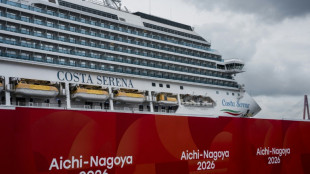 Indians living in Japan on stand-by to house Asian Games athletes
-
We don't want Games host Japan losing money, says Asian Olympic official

-
 Trump signs bill authorizing sweeping Russia sanctions
-
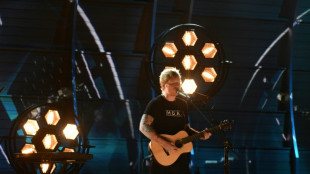
Ed Sheeran returns to stage after Palestinian controversy
-
 Protesters form human chain at Kennedy Center after Trump threat
-
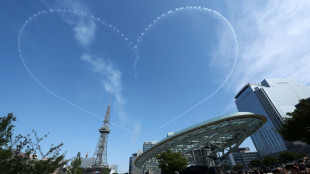
Asian Games to open in Japan after troubled build-up
-
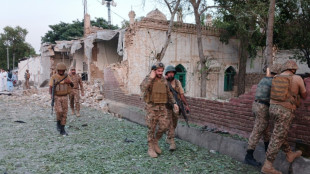 Death toll from attack at police HQ in Pakistan rises to 31
-
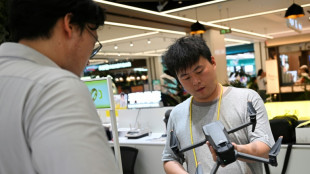
Drone owners rush to offload devices ahead of Beijing ban
-
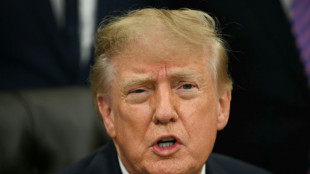 Trump says Denmark to give US 'permanent control' over Greenland security
-
Trump's beef policies irk Texas ranchers, testing their loyalty

-
 Kennedy Center: future unclear for iconic Washington arts hub
-
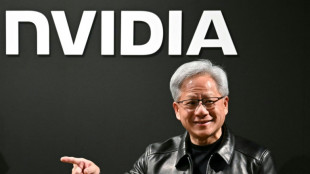
Nvidia, OpenAI CEOs to attend Xi dinner at White House
-
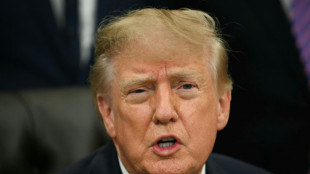 Trump claims 'infinite' Greenland security deal with Denmark
-
Anthropic picks Accenture for in-house AI safety evaluation

-
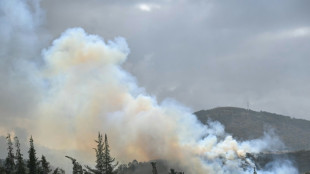 Helicopters battle wildfire threatening Ecuador's capital
-
Balogun returns as Monaco beat Lens to continue strong Ligue 1 start

-
 Brentford batter Chelsea to undo Alonso's promising start
-
'Pause' on overt repression in Venezuela, but reforms still needed: HRW
-
 Kane hits Bundesliga century as Bayern rout Union
-
Global stocks mixed as yen falls despite Bank of Japan rate hike
-
 Trump says CNN, MS NOW, Politico banned from White House
-
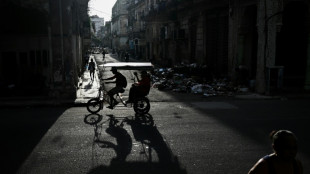
Cuba hit with seventh major blackout of the year
-
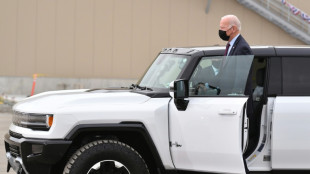 Hushing and hedging: US companies retreat on climate
-
Murray out with concussion so Wentz will start for Vikings

-
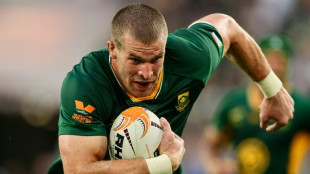 Springboks to face Fiji before 2027 Rugby World Cup
-
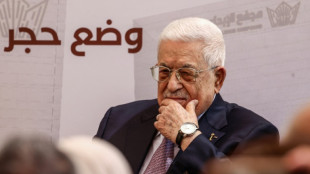
UN chief 'deeply regrets' US visa refusal to Abbas for annual meeting
-
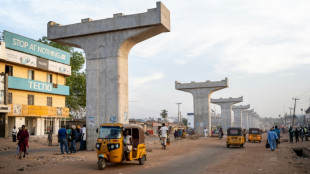 Nigeria miners struggled to breathe in cell before 37 died: survivors
-
England quick Carse to face no charges over alleged nightclub assault

-
 McIlroy on the charge at PGA Championship as Reed withdraws
-
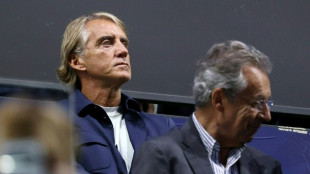
Mancini brings nine newcomers into the first squad of his Italy comeback
-
 McIlroy on the charge at PGA Championship
-
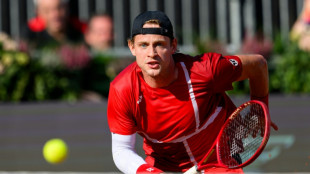
Czechs level Davis Cup tie against USA as South Korea eye Finals
-
 Crisis-wracked Volkswagen warns of 10-bn-euro hit to profits
-
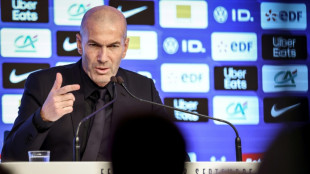
New France boss Zidane confirms Mbappe as captain after naming first squad
-
 Costa Rica's Grynspan tops third informal poll for UN chief: diplomat
-
California governor signs order to explore AI 'kill switch'

Rebellion against Trump: "Ready for War?"
Donald Trump’s re-ascension to the U.S. presidency in January 2025 has sparked a series of protests and statements of defiance across multiple continents, with some activists and commentators adopting the provocative slogan, "We are ready for war." While the phrase has gained traction among certain groups, it remains a symbolic expression of opposition rather than a literal call to arms, rooted in concerns over Trump’s policies and their global implications.
The unrest began shortly after Trump’s inauguration on 20 January 2025, when he reinstated his "America First" doctrine, announcing plans to withdraw from the Paris Climate Agreement for a second time and impose tariffs on European and Chinese goods. In response, demonstrations erupted in several major cities. On 25 January, an estimated 10,000 people gathered in Paris, according to French police figures, where activist Élise Moreau, a known figure in the climate movement, coined the phrase "We are ready for war" during a speech outside the U.S. Embassy. Moreau clarified in a later interview with Le Monde that her words were metaphorical, intended to signify "a battle of ideas and values" against what she called Trump’s "anti-globalist agenda."
In Europe, the backlash has been particularly pronounced. On 3 February, Berlin saw a protest of 8,000 people, per German authorities, with banners reading "Nein zu Trump" ("No to Trump") and demands for the European Union to strengthen its autonomy from U.S. influence. The German Foreign Ministry issued a statement on 5 February, expressing "concern" over Trump’s proposed NATO funding cuts, which he reiterated in a speech on 1 February in Florida, threatening to reduce U.S. contributions unless allies increased their defence spending.
Across the Channel, the United Kingdom has also witnessed dissent. On 10 March, approximately 5,000 protesters marched through London, according to Metropolitan Police estimates, organised by a coalition of environmental and human rights groups. Labour MP Zara Khan addressed the crowd, criticising Trump’s tariff threats, which the UK Treasury warned could cost British exporters £2 billion annually based on 2024 trade data. Khan called for "resolute opposition" but avoided endorsing the "war" rhetoric directly.
In Asia, reactions have been more restrained but no less significant. South Korea’s Ministry of Foreign Affairs expressed "deep unease" on 15 February after Trump suggested renegotiating the U.S.-South Korea Free Trade Agreement, a move analysts say could disrupt Seoul’s economy, which exported $84 billion in goods to the U.S. in 2024, per Korea Customs Service data. Meanwhile, in Japan, a small demonstration of 300 people occurred in Tokyo on 20 February, according to local police, with participants citing fears over Trump’s hints at reducing U.S. troop presence in the region, as reported by The Japan Times.
Trump has dismissed the international criticism. At a rally in Ohio on 12 March, attended by an estimated 15,000 supporters per local officials, he labelled the protests "a tantrum by sore losers" and vowed to prioritise American interests "no matter the noise from abroad." His administration has yet to respond formally to the growing unrest, though White House Press Secretary John Carter stated on 16 March that "the president welcomes dialogue with allies" but will not bow to external pressure.
Experts caution against overinterpreting the "war" rhetoric. Dr. Maria Costa, a political scientist at the University of Oxford, told this publication, "The phrase is a hyperbolic signal of frustration, not a policy proposal. It reflects genuine fears about trade wars, climate inaction, and geopolitical instability." Data from the World Trade Organization supports some of these concerns, projecting that Trump’s proposed 20% tariffs could reduce global trade volume by 1.5% in 2026 if implemented.
As of now, no official coordinated international response has emerged, though activists are planning a "Global Day of Action" on 1 April, with events scheduled in at least 12 cities worldwide, according to organisers’ statements on X. Governments, meanwhile, appear focused on diplomacy. French President Emmanuel Macron and German Chancellor Anna Berger are set to meet U.S. Secretary of State Michael Hayes in Brussels next week to discuss NATO and trade, per a 17 March EU press release.
While the "rebellion" remains largely symbolic, its scale and intensity underscore the polarising impact of Trump’s leadership on the global stage. Whether it evolves into a substantive challenge or fades as rhetoric will depend on the actions of both his administration and the international community in the months ahead.
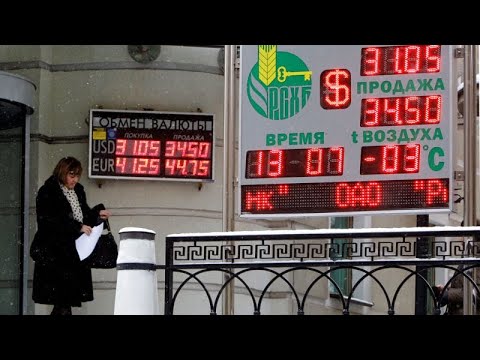
Russian Central Bank: Urgent meeting due to rouble devaluation
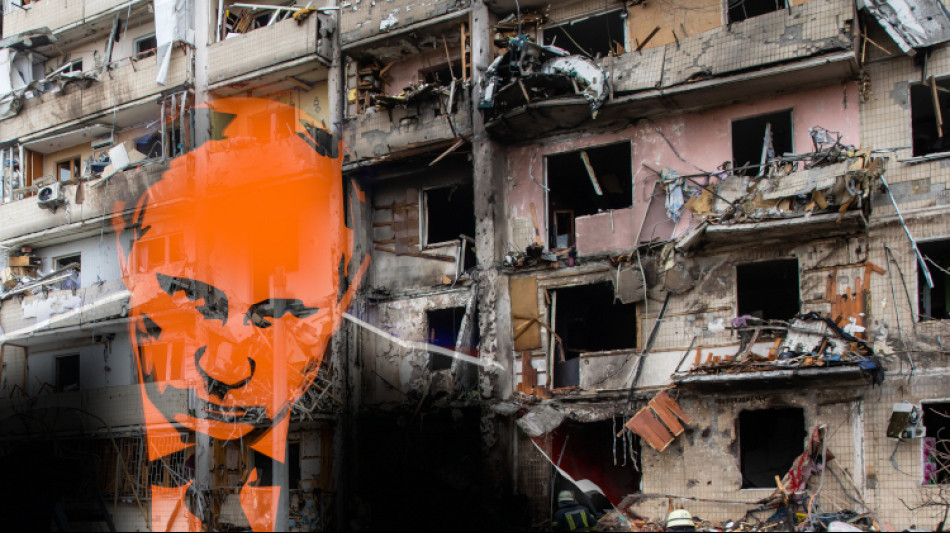
Russia in Ukraine: murder, torture, looting, rape!

What lies behind the anger in France’s banlieues?
That's how terror Russians end up in Ukraine!

Is football becoming less competitive than before?

Sánchez's aim to reinstate leftist coalition set to fail!
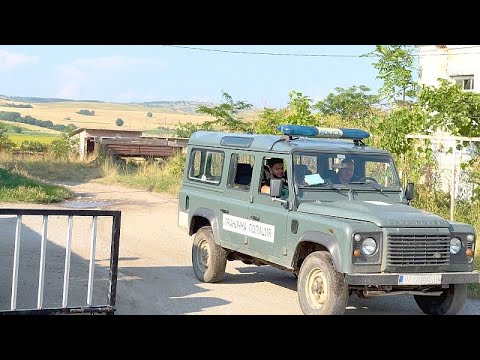
Border violence: What is going on in Bulgaria?
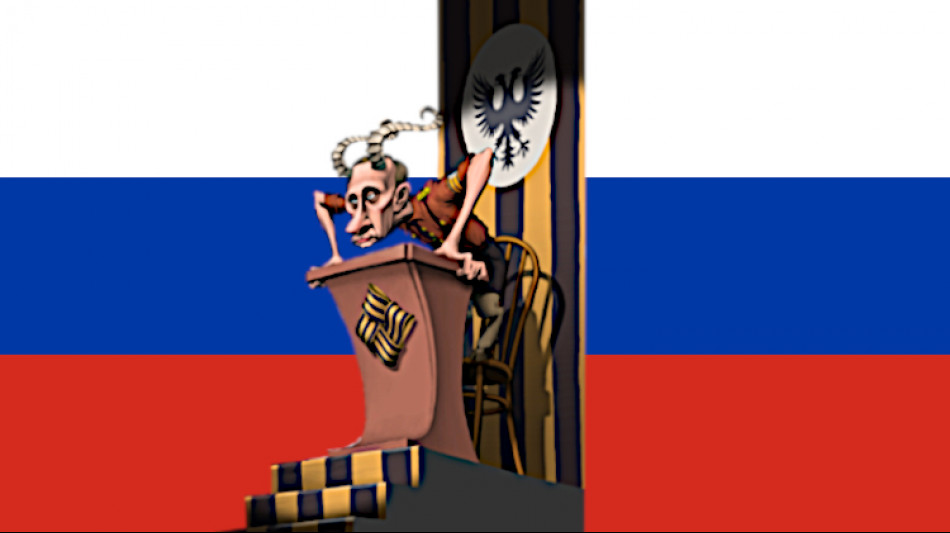
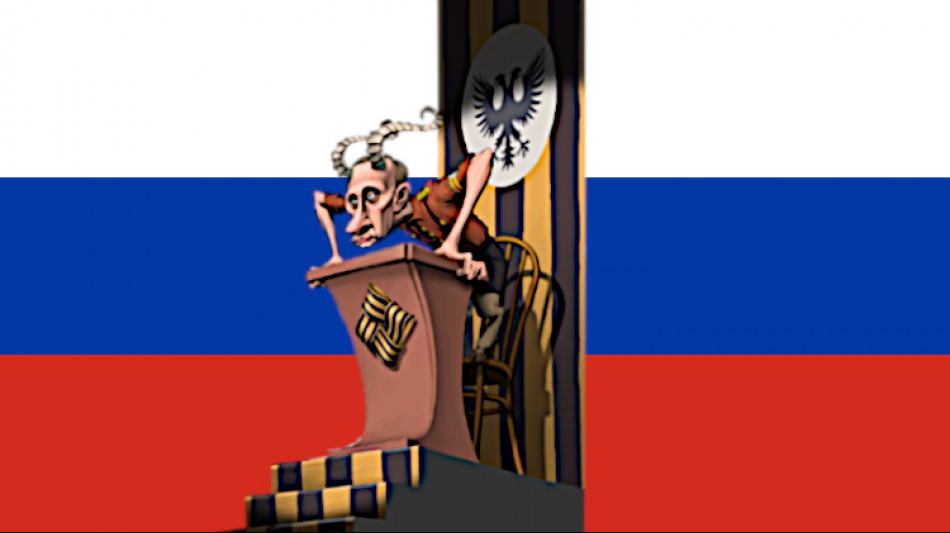
Russland als Terror-Staat / Russia as a terror state!
Ukraine in the fight against the russian terror State
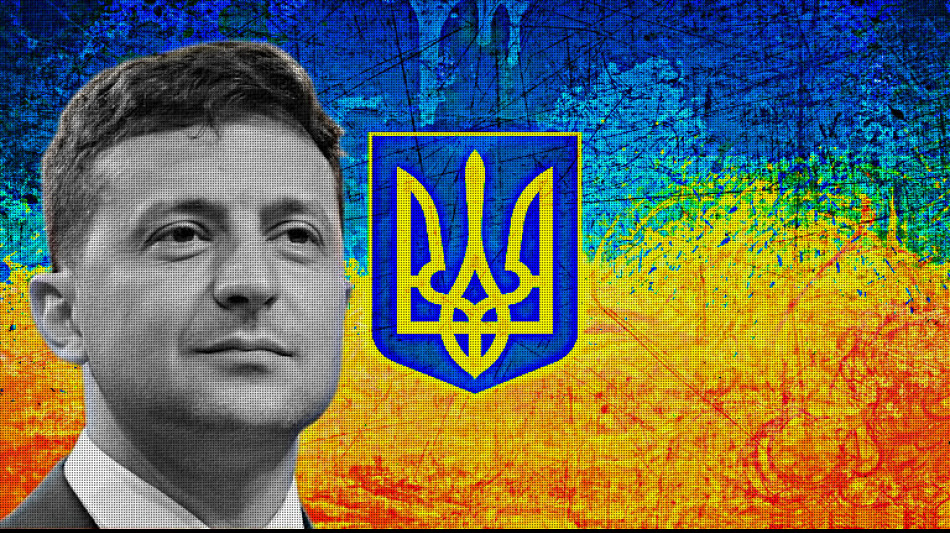
The Russian terrorist state will never own Ukraine!

ATTENTION, ATENCIÓN, УВАГА, ВНИМАНИЕ, 注意事项, DİKKAT, 주의, ATENÇÃO