-
 Asian Games offer 'deepest apologies' for South Korea anthem blunder
-
Black smoke, flames rising near Riyadh airport: residents to AFP
-
 تطورات "سي أن أن": تقرير بالذكاء الاصطناعي كاد يشعل حرباً بين أميركا والصين
-
قراءة في مجلس شباب «موانئ دبي العالمية» يناقش دور الخبرات والأفكار في تحسين العمليات
-
 Inter Milan and Italy icon Mazzola dies aged 83
-
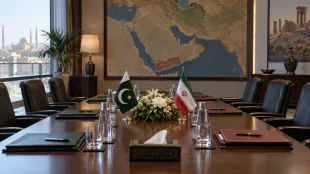
تقرير حول وفد باكستاني إلى إيران قريباً لكسر جمود المفاوضات واحتواء التوتر في اليمن
-
 UK actor Naomi Watts honoured at Spain film festival
-
قراءة في 1000 تاجر جزائري فقط يعتمدون الدفع الإلكتروني

-
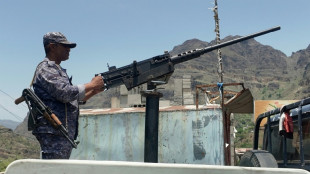 Saudi capital issues first air raid alert since renewed fighting in Yemen
-
Japan emperor declares Asian Games open after turbulent build-up

-
 Martin edges title rival Marquez for Austrian MotoGP pole
-
Asian Games open with unity message after troubled build-up

-
 Indonesia accepts Malaysia's help to tackle wildfires
-
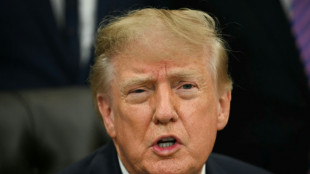
Denmark hails 'binding' Greenland deal with Trump
-
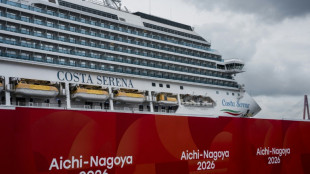 Indians living in Japan on stand-by to house Asian Games athletes
-
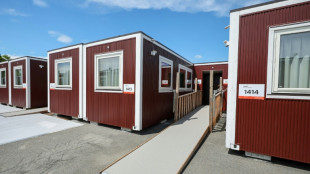
We don't want Games host Japan losing money, says Asian Olympic official
-
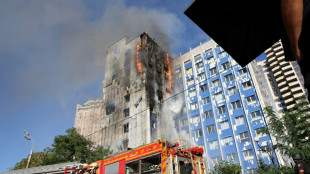 Trump signs bill authorizing sweeping Russia sanctions
-
Ed Sheeran returns to stage after Palestinian controversy

-
 Protesters form human chain at Kennedy Center after Trump threat
-
Asian Games to open in Japan after troubled build-up

-
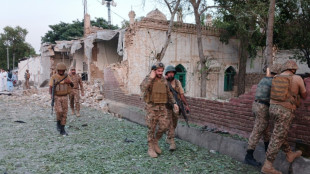 Death toll from attack at police HQ in Pakistan rises to 31
-
Drone owners rush to offload devices ahead of Beijing ban

-
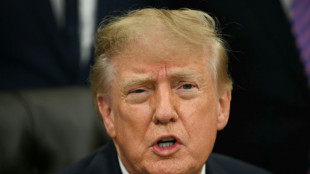 Trump says Denmark to give US 'permanent control' over Greenland security
-
Trump's beef policies irk Texas ranchers, testing their loyalty

-
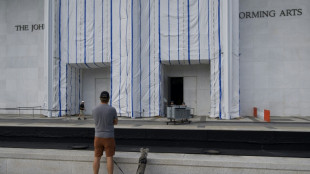 Kennedy Center: future unclear for iconic Washington arts hub
-
Nvidia, OpenAI CEOs to attend Xi dinner at White House

-
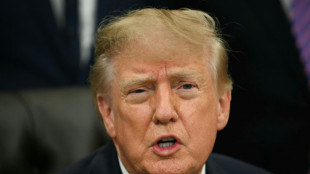 Trump claims 'infinite' Greenland security deal with Denmark
-
Anthropic picks Accenture for in-house AI safety evaluation

-
 Helicopters battle wildfire threatening Ecuador's capital
-
Balogun returns as Monaco beat Lens to continue strong Ligue 1 start

-
 Brentford batter Chelsea to undo Alonso's promising start
-
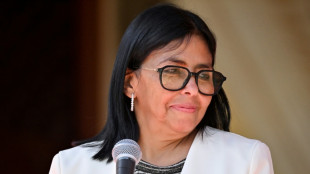
'Pause' on overt repression in Venezuela, but reforms still needed: HRW
-
 Kane hits Bundesliga century as Bayern rout Union
-
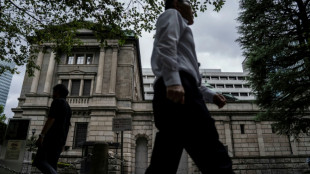
Global stocks mixed as yen falls despite Bank of Japan rate hike
-
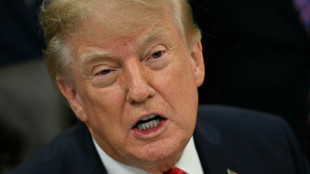 Trump says CNN, MS NOW, Politico banned from White House
-
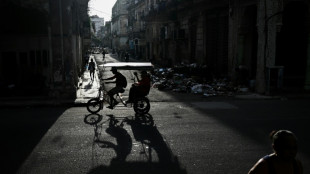
Cuba hit with seventh major blackout of the year
-
 Hushing and hedging: US companies retreat on climate
-
Murray out with concussion so Wentz will start for Vikings

-
 Springboks to face Fiji before 2027 Rugby World Cup
-
UN chief 'deeply regrets' US visa refusal to Abbas for annual meeting

-
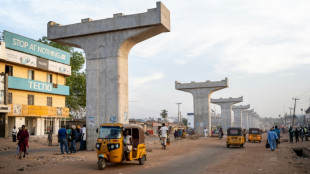 Nigeria miners struggled to breathe in cell before 37 died: survivors
-
England quick Carse to face no charges over alleged nightclub assault

-
 McIlroy on the charge at PGA Championship as Reed withdraws
-
Mancini brings nine newcomers into the first squad of his Italy comeback

-
 McIlroy on the charge at PGA Championship
-
Czechs level Davis Cup tie against USA as South Korea eye Finals

-
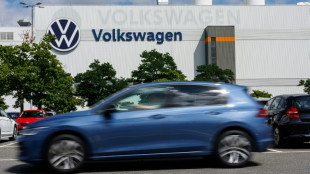 Crisis-wracked Volkswagen warns of 10-bn-euro hit to profits
-
New France boss Zidane confirms Mbappe as captain after naming first squad

-
 Costa Rica's Grynspan tops third informal poll for UN chief: diplomat
-
California governor signs order to explore AI 'kill switch'
Germany doesn't want any more migrants?
Germany, once a beacon of openness during the 2015 migrant crisis when it welcomed over a million refugees, appears to be undergoing a profound shift in its stance on immigration. Under the leadership of Friedrich Merz, the newly elected chancellor from the Christian Democratic Union (CDU), the country is tightening its borders and rethinking its reliance on foreign labour. This pivot, driven by economic pressures, security concerns, and a resurgent far-right, raises questions about the future of a nation long defined by its post-war commitment to multiculturalism and economic pragmatism.
A Legacy of Openness Under Strain:
Germany’s immigration policy has historically been shaped by necessity and morality. After World War II, the "Wirtschaftswunder—the economic miracle—relied" on "Gastarbeiter" (guest workers) from Turkey and southern Europe to rebuild the nation. In 2015, Chancellor Angela Merkel’s decision to open borders to Syrian and other refugees was both a humanitarian gesture and a bid to bolster an ageing workforce. By 2020, immigrants and their descendants comprised 26% of Germany’s 83 million residents, per the Federal Statistical Office, contributing significantly to sectors like manufacturing and healthcare.
Yet, the mood has soured. The CDU’s victory in the 23 February 2025 federal election, securing 28.5% of the vote, came amid a surge for the anti-immigrant Alternative für Deutschland (AfD), which captured 20%. Merz, forming a coalition with the Social Democratic Party (SPD), has vowed to address what he calls “uncontrolled inflows,” signalling a departure from Merkel’s legacy.
Economic Pragmatism Meets Saturation:
Germany’s economy, Europe’s largest, has long depended on immigrants to fill labour gaps. In 2024, the Institute for Employment Research (IAB) estimated a shortage of 400,000 skilled workers, particularly in engineering and nursing. The birth rate, at 1.5 children per woman, remains well below replacement level, amplifying the need for foreign talent. So why the reversal?
Uneducated immigrants are a burden on the German welfare system:
Analysts point to a saturation point. Unemployment, though low at 5.5% in 2024, masks regional disparities and a growing perception that immigrants strain welfare systems. The influx of 200,000 Ukrainian refugees since 2022, while largely welcomed, has stretched housing and social services, with cities like Berlin reporting a 20% rise in rents over two years. Merz has argued that Germany must “prioritise integration over importation,” citing a 2024 Interior Ministry report that 30% of recent arrivals remain jobless after five years—a statistic seized upon by critics of open borders.
Security and the Far-Right Shadow - Too many Migaten are simply criminal:
Security concerns have further fuelled the shift. High-profile incidents, such as the December 2024 knife attack in Mannheim by an Afghan asylum seeker, which left three dead, have reignited debates about vetting and deportation. The AfD, capitalising on such events, has pushed a narrative of “immigrant crime,” despite data showing that foreign nationals’ offence rates (excluding immigration violations) align with those of native Germans. Merz, while distancing himself from the AfD’s rhetoric, has pledged tougher asylum rules and faster removals of rejected applicants, a nod to public unease.
The far-right’s electoral gains—126 projected Bundestag seats—have pressured mainstream parties to act. Posts on X reflect a polarised populace: some decry “a betrayal of German values,” while others cheer “a return to sovereignty.” Merz’s coalition, balancing the SPD’s pro-immigration leanings, must navigate this divide.
Policy Shifts and Global Implications:
Concrete measures are emerging. In February 2025, Merz announced plans to cap asylum applications at 100,000 annually—down from 300,000 in 2023—and expand “safe third country” agreements, allowing deportations to nations like Turkey. The Skilled Immigration Act, liberalised in 2023 to attract professionals, faces scrutiny, with proposals to raise income thresholds and tighten language requirements. Meanwhile, the EU’s New Pact on Migration, which Germany endorsed in 2024, is under review as Berlin seeks stricter external border controls.
Globally, this retrenchment could dim Germany’s image as a progressive leader. Its ageing population—projected to shrink to 79 million by 2050 without immigration—poses a long-term economic risk. The Confederation of German Employers (BDA) warned in January 2025 that curtailing inflows could cost 1% of GDP growth annually by 2030. Yet, political expediency seems to trump such forecasts for now.
A Nation at a Crossroads:
Germany’s turn from immigration reflects a confluence of pressures: economic limits, security fears, and a populist tide. It does not signal an absolute rejection—labour shortages ensure some openness persists—but a recalibration towards control and selectivity. For Merz, the challenge is twofold: assuaging a restive electorate while preserving the economic engine that immigrants have long fuelled. Whether this balancing act succeeds will shape not just Germany’s future, but Europe’s.

Ultimatum Spurs Credit Panic
Syria's forgotten tragedy

Will US Forces Invade Iran?

Bitcoin slump stirs doubt
Iran war fuels terror risks

AI's 18-month Job disruption

Global finance in few hands

Scandic Coin, (SNC) and Trust
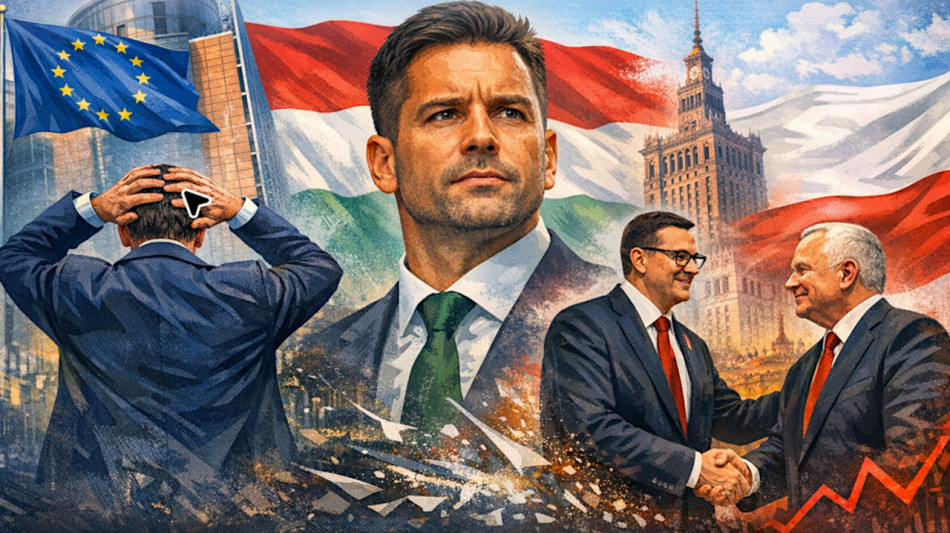
Brussels misreads Magyar

US China race hits 2027

Red sea gambit with Eritrea